
Enhancing value and creating sustainable livelihoods from turmeric cultivation.
Once introduced to replace low-yielding crops, turmeric became a cash crop in Van Kieu commune, but its cultivation area shrank due to market fluctuations. Now, the locality is seeking to revive turmeric cultivation by reorganizing production, improving processing quality, building a brand, connecting with markets, and increasing the product's value in its homeland.
A golden age
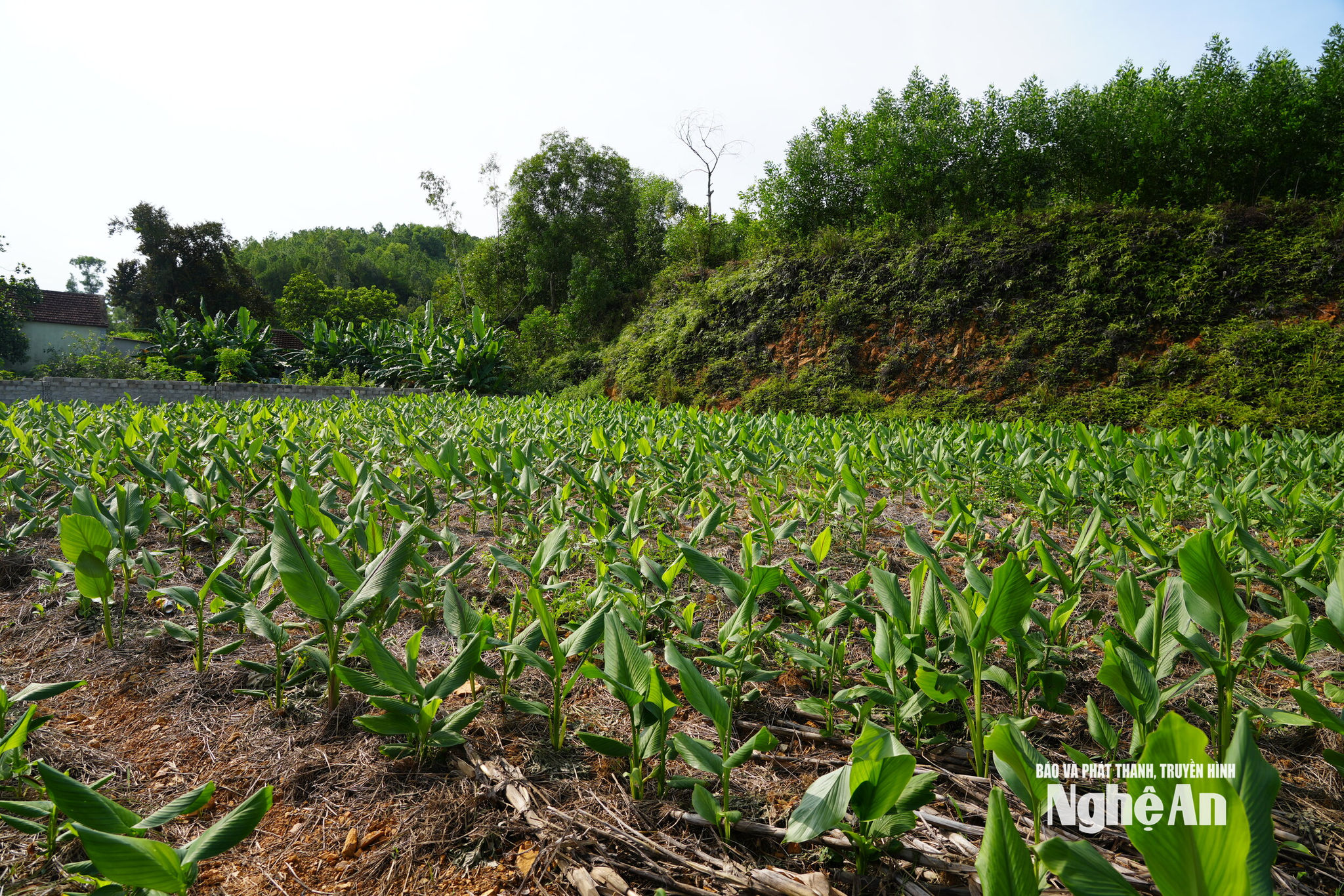
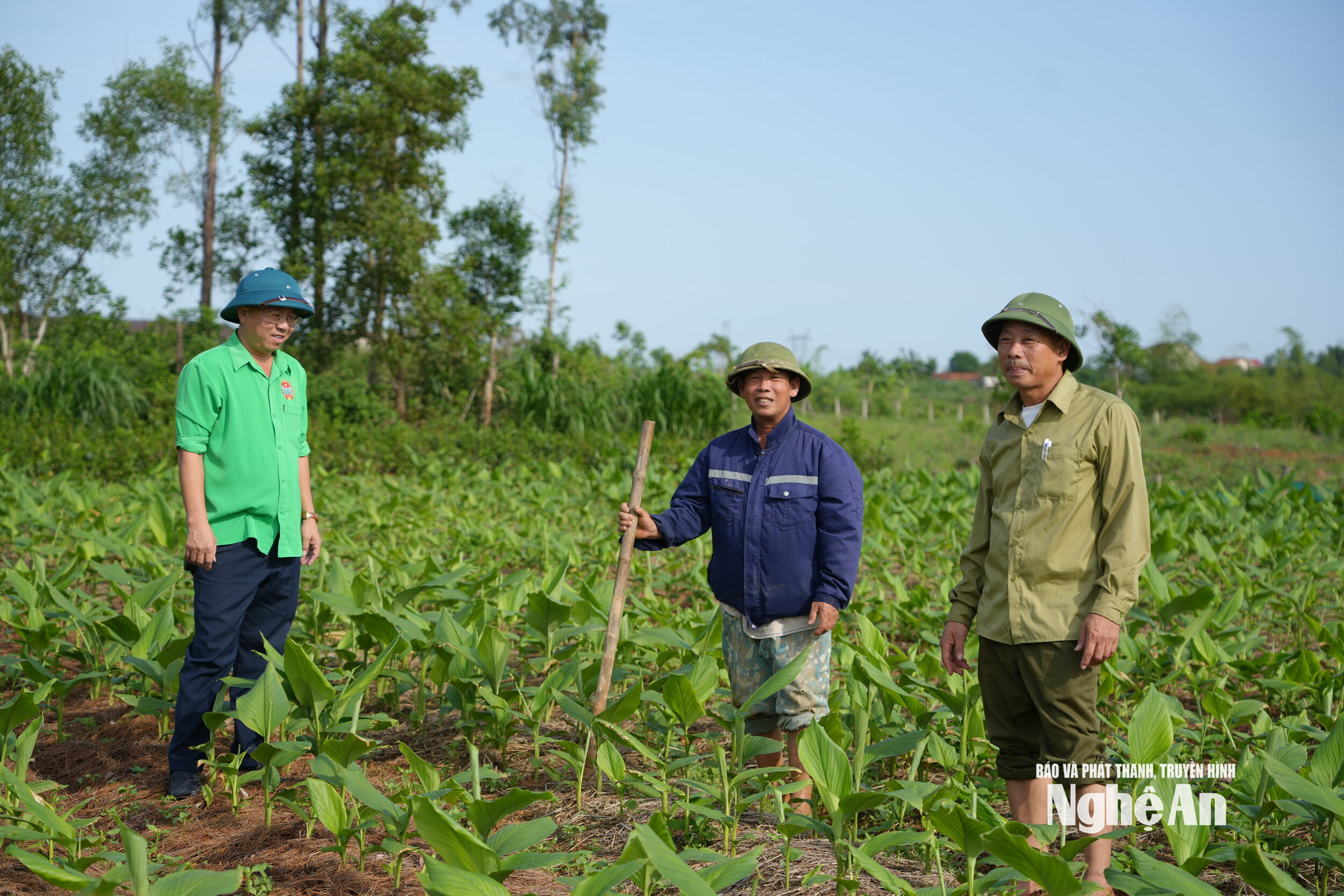
At this time of year, the hillsides in Hamlet 14, Van Kieu Commune, are covered in a vibrant green of turmeric. After the first rains of the season, the turmeric grows quickly and healthily. In his nearly one-acre garden, Mr. Nguyen Huu Dong (58 years old) diligently cultivates the local glutinous turmeric variety that has been with his family for over 20 years. For Mr. Dong, the value of turmeric lies not only in its economic benefits but also in its suitability for the soil, its drought resistance, its low maintenance requirements, and its suitability for a family where only he and his wife remain at home.
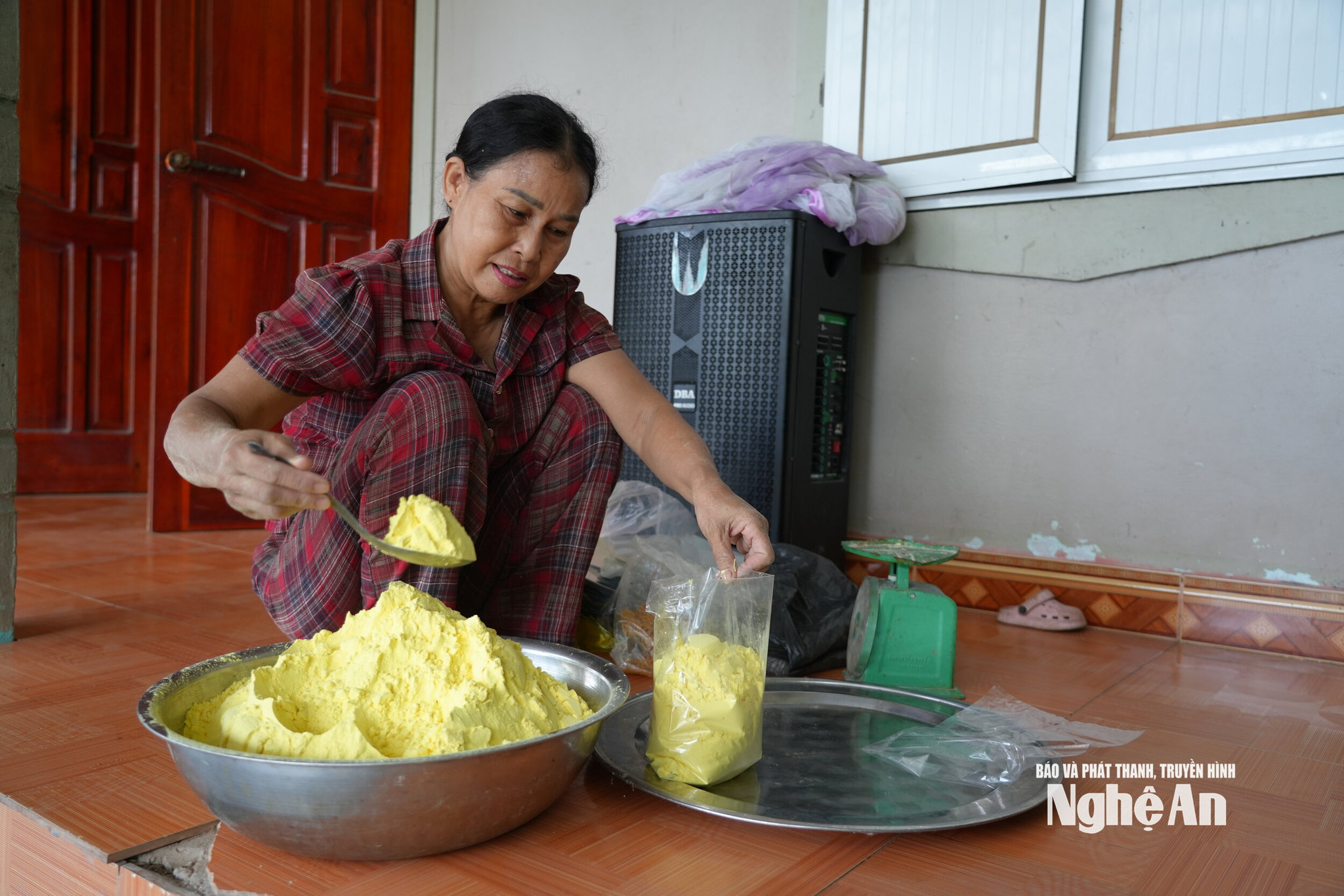
One plot of turmeric yields about 1 ton of tubers, selling fresh for 10-12 million VND; processed into 70-80 kg of turmeric powder, selling for about 300,000 VND/kg. Nearly one hectare of turmeric helps Mr. Dong's family earn about 50-70 million VND per year. "Turmeric from Kieu Moc village has unique characteristics, high medicinal properties and starch content, and is favored by the market," he said. The plant thrives in sandy loam soil, is drought-resistant, and requires little care, making it suitable for hilly areas.
Ms. Nguyen Thi Be's family also maintains 8 sao (approximately 0.8 hectares) of turmeric, harvesting about 10 tons of tubers annually, processing nearly 800 kg of starch, and generating revenue of about 150 million VND. Each season, the facility also hires 5-10 seasonal workers, paying them 400,000 VND per sao.
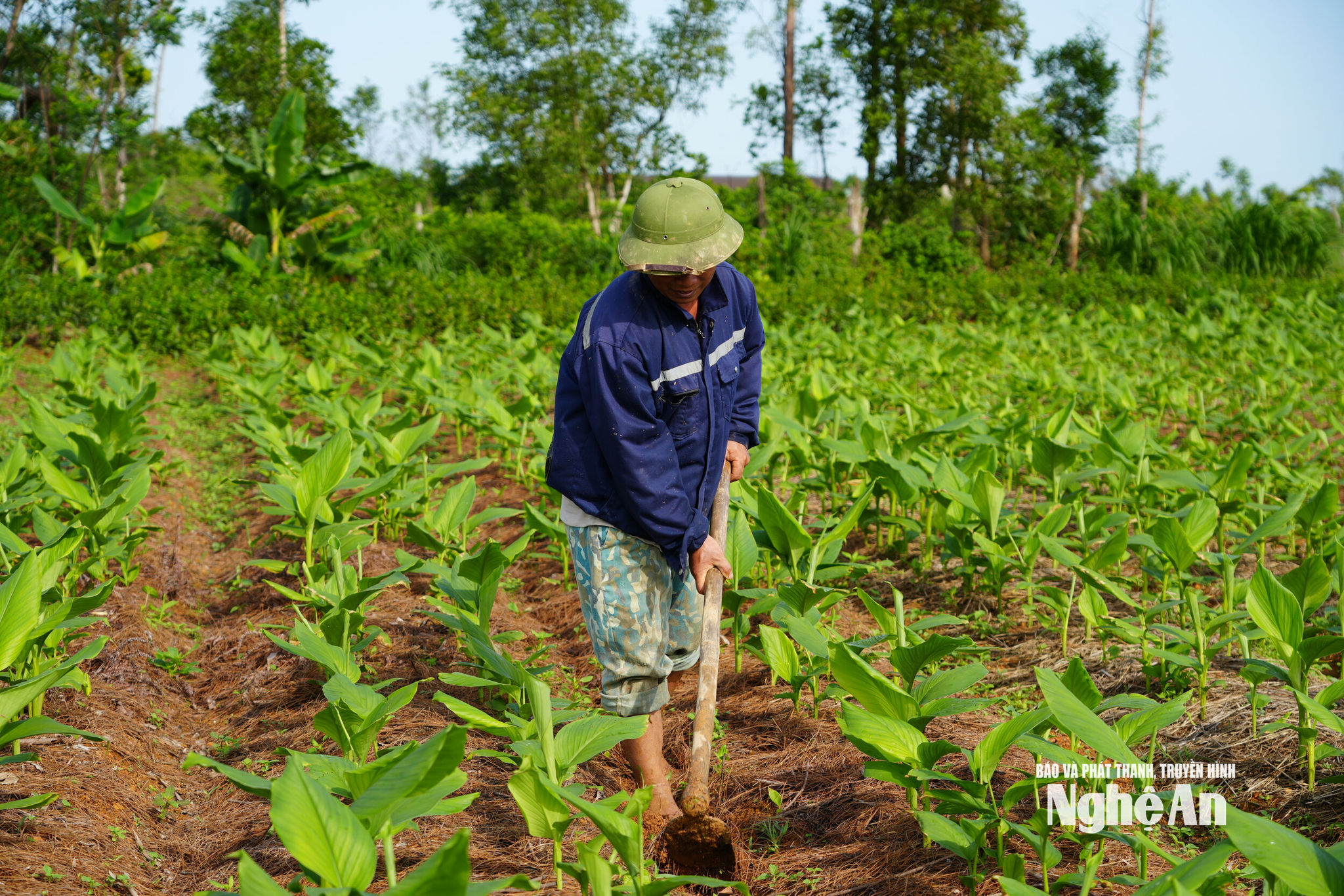
Mr. Nguyen Truong Chung - Secretary of the Party Branch of Hamlet 14, former Chairman of the Farmers' Association of Nghi Kieu commune (old) recalled: "Turmeric was once the main, traditional crop of the locality for decades. When it flourished, the whole commune had hundreds of hectares of turmeric, forming a whole industry of growing and processing turmeric starch."
According to Mr. Chung, about 20 years ago, some households brought turmeric plants to the area for experimental cultivation. Seeing that the plant suited the soil and climate, yielding high productivity and good quality, many families boldly converted areas previously used for low-yield crops to turmeric cultivation. The area expanded steadily, reaching over 100 hectares in 2017, generating approximately 30 billion VND in revenue.
.jpg)
The villages of Tan Hop and Kieu Moc have also been recognized by the People's Committee of Nghe An province as traditional villages specializing in the production and processing of turmeric starch. From a relatively new crop, turmeric has gradually become a commercial crop, and then developed into a processing industry closely linked to the lives of many families.
But that period of prosperity didn't last long. According to Mr. Chung, from 2019 to 2025, turmeric of questionable quality was brought in and sold at cheap prices, at times only about one-third the price of Van Kieu turmeric powder. More worryingly, some traders even used the "Van Kieu turmeric" label to sell products from other places. With the price of turmeric falling and the product's reputation damaged, people gradually became discouraged, abandoning their turmeric fields to switch to growing taro, cassava, and tea.
.jpg)
This decline is clearly reflected in the numbers. From over 100 hectares of turmeric cultivation when the village was thriving, the area planted with turmeric in the village is now only about 15 hectares. The craft hasn't completely disappeared, but its scale has decreased significantly compared to its heyday. Notably, households that still maintain the craft, like Mr. Dong and Ms. Be, are the ones who have preserved both the cultivation and processing stages, retaining the production experience and traditional craft during the years when turmeric cultivation faced difficulties.
Organizationmanufacture, building value chains
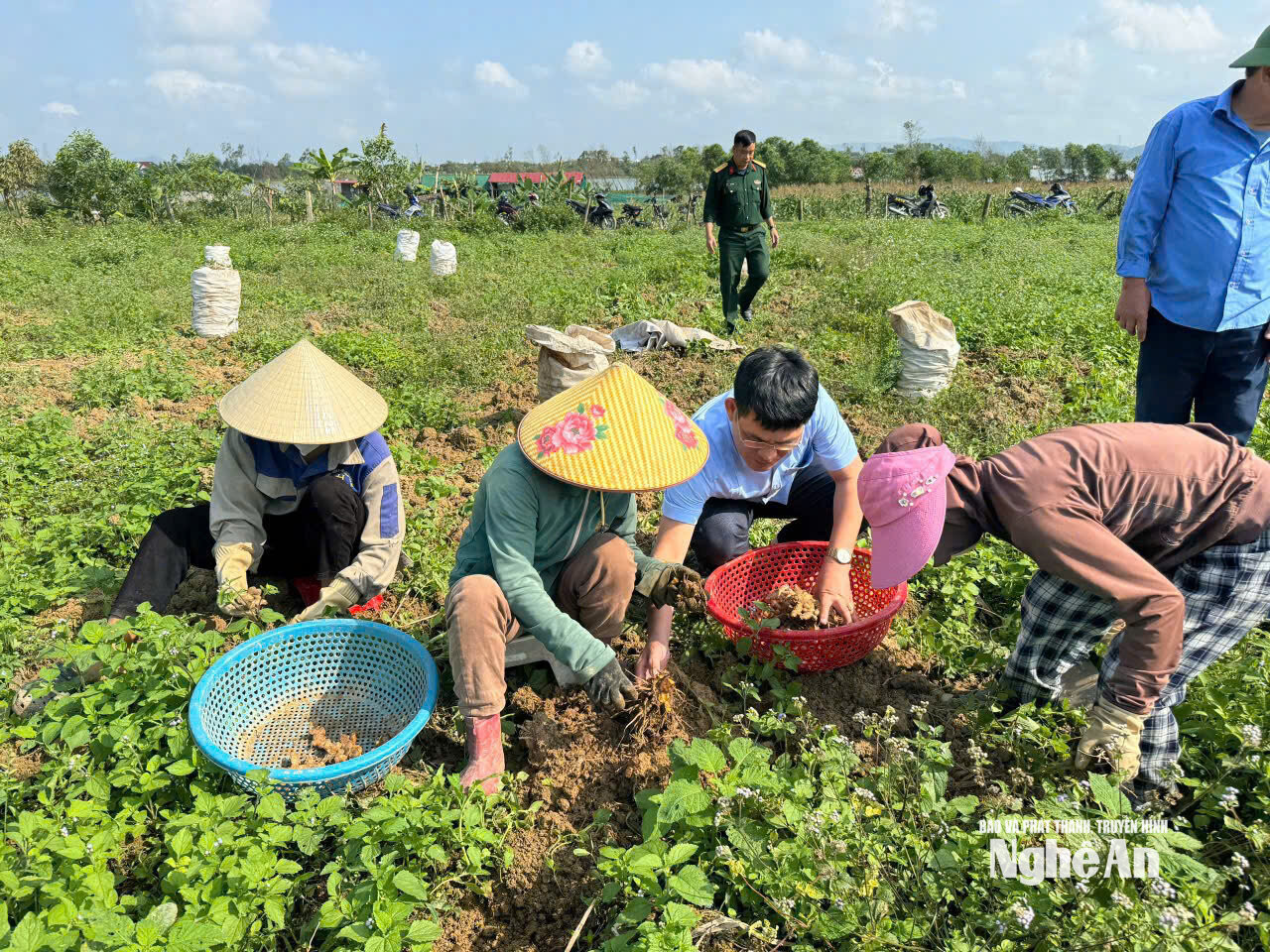
After the merger, Van Kieu commune did not aim to restore turmeric cultivation to its previous scale of over 100 hectares, but rather focused on building an organized raw material area, linking production with processing and consumption. This served as the basis for the commune to develop a plan for the development of turmeric production and processing, aiming to overcome the weaknesses that had previously caused turmeric prices to plummet: small-scale production, manual processing, lack of linkages, and the absence of a strong enough brand to protect the product.
According to the plan, by 2027, Van Kieu commune will maintain and expand the raw material area to 15-20 hectares, with at least 70% of producing households participating in linkages, forming 2-3 effective cooperative groups. By 2030, the raw material area will stabilize at over 20 hectares, the percentage of households participating in linkages will reach 90%, gradually forming a chain from planting, purchasing, processing to consumption.
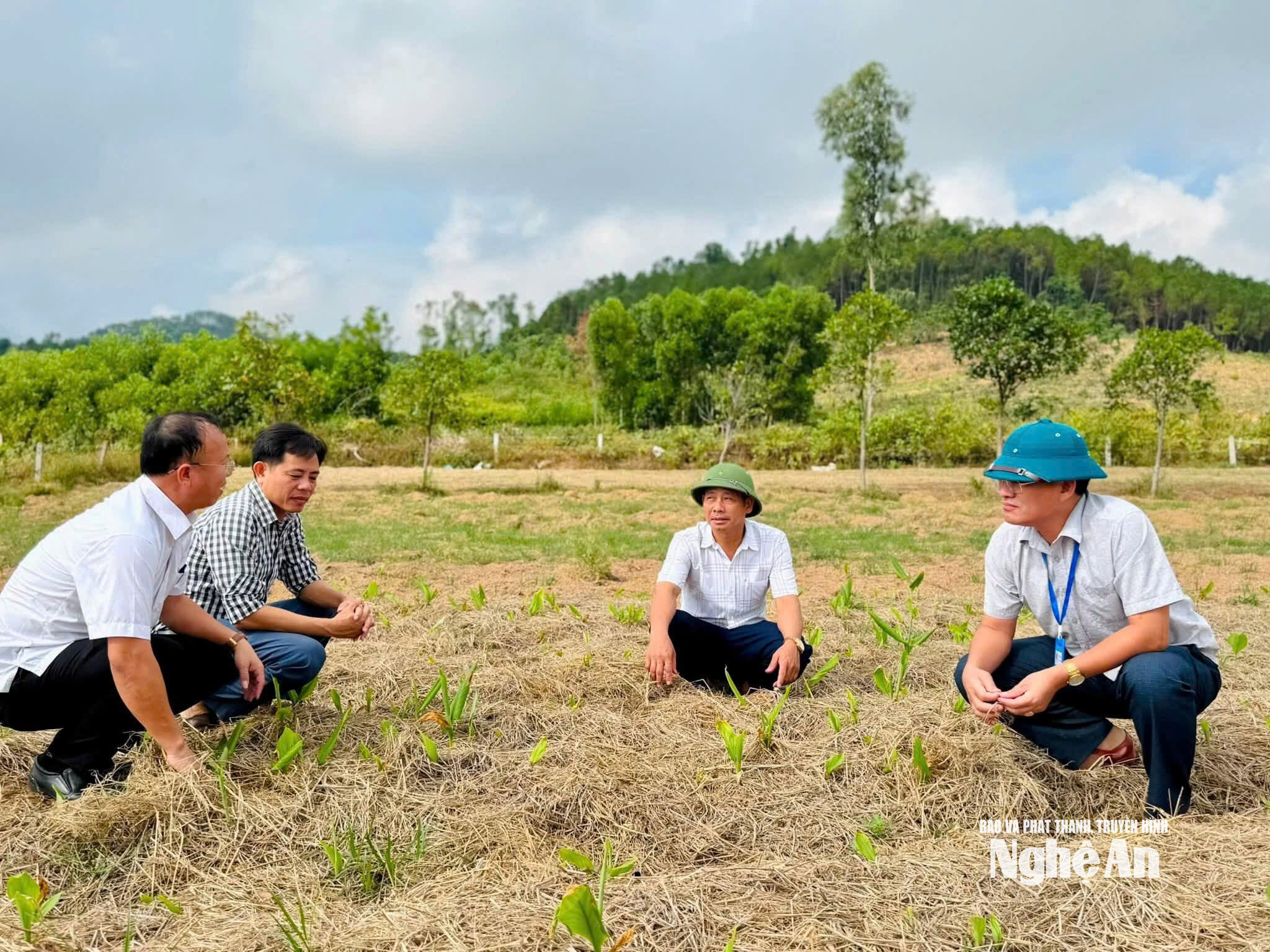
For the local government, this is not just about encouraging people to grow more turmeric. The People's Committee of the commune is identified as the focal point for organizing the implementation of the project, connecting resources in agricultural extension, science and technology, OCOP (One Commune One Product), and the environment; at the same time, supporting the development of logos, packaging, labels, traceability stamps, and registration of collective trademarks for Van Kieu turmeric products.
According to Tran Van Sao, Chairman of the People's Committee of the commune, the locality has determined that restoring turmeric cultivation must go hand in hand with reorganizing production. First, this involves gathering households still practicing the craft to build a raw material area, forming cooperatives, and gradually connecting with businesses. The commune will create conditions for people to access technology, upgrade processing, build brands, and find markets. The goal is to enable growers to invest confidently in the long term, instead of being completely dependent on traders and fluctuating prices.
If the government creates a framework for linkage, then the farmers' association will be the force directly accompanying its members. According to the plan, the commune-level farmers' association is the permanent body of the steering committee, responsible for disseminating information, mobilizing members to participate, coordinating technical training, building models, and supporting household economic development.
According to Pham Ngoc An, Chairman of the Farmers' Association of the commune, the association will focus on mobilizing households still producing turmeric to act as core groups, thereby expanding the number of households participating in the raw material area; at the same time, supporting members with technical assistance, production organization methods, and consumption linkages. According to Mr. An, to get people back to growing turmeric, they must first be shown the economic benefits and a stable market outlet, so that members can invest with confidence instead of planting it just because it's trendy.
Currently, Van Kieu commune has over 130 households involved in turmeric cultivation and processing, covering nearly 15 hectares. This is the force that can lay the foundation for a new raw material area, as they still possess the local turmeric variety, cultivation experience, and processing techniques. From these households, the locality has the opportunity to form cooperative groups instead of having to start from scratch.
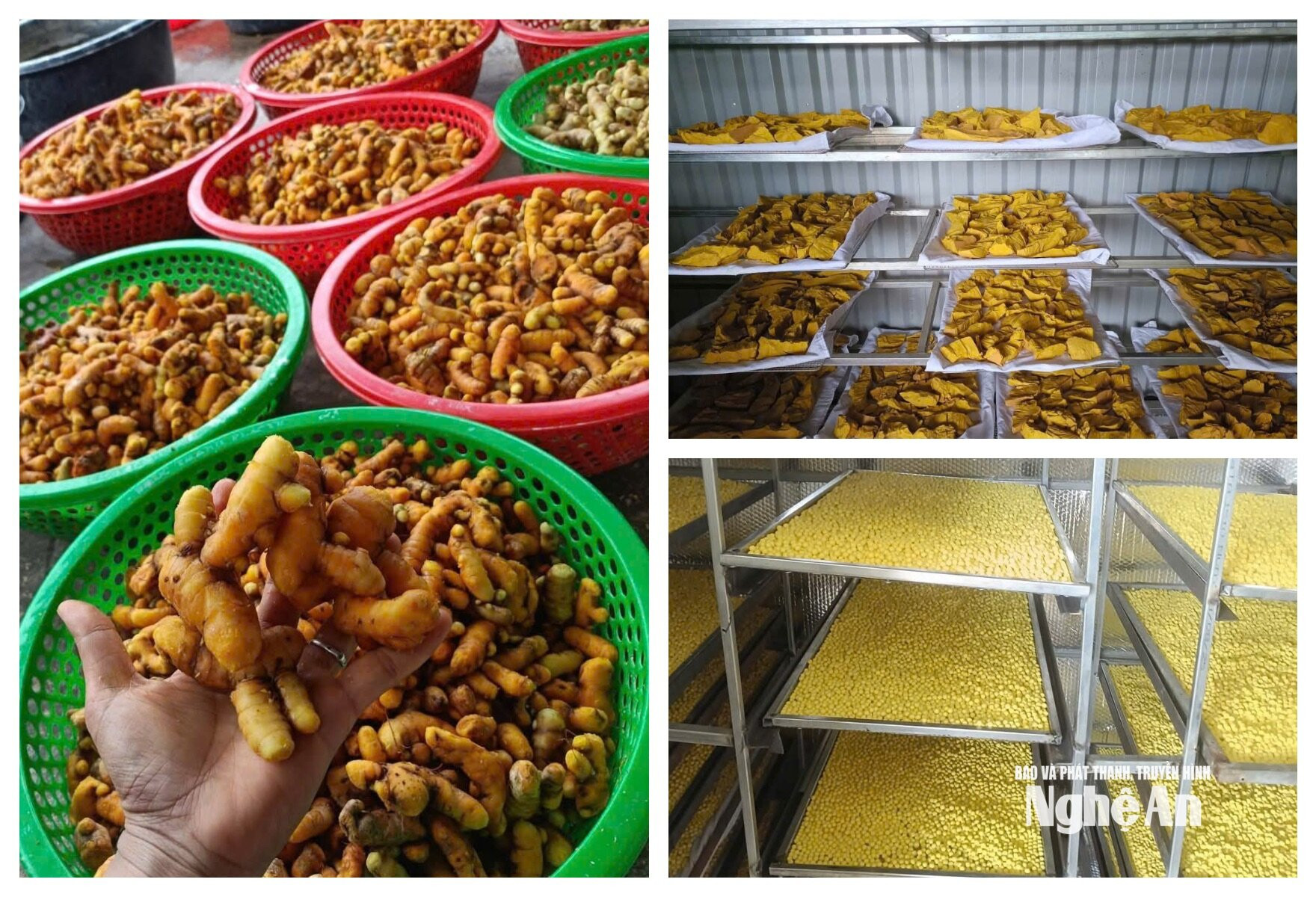
The processing stage is considered one of the areas requiring the most significant change. Previously, most households relied on family experience, but the project aims to introduce machinery and equipment into key stages to increase productivity and ensure consistent quality. By 2027, at least 60% of products will be processed using semi-automatic machinery and equipment; turmeric starch products are expected to achieve OCOP 3-star or higher, and then gradually upgrade and develop further processed products.
.jpg)
Along with processing, brand building is crucial to avoid repeating the story of unregulated turmeric that previously damaged the reputation of local products. From logos, packaging, and labels to traceability, the product must be identifiable and its origin verifiable. Only then will "Van Kieu turmeric" become not just a familiar name of a rural area, but a recognizable symbol of a quality product with a clear production process.
By 2030, the project aims for an average income from turmeric production of approximately 150 million VND/hectare/year. This figure shows that the goal of restoration is not about how many more hectares of turmeric are added, but about the value obtained per area and the ability to retain that value for growers, processors, and the craft village.
To put the project into practice, the commune's Party committee and government surveyed and listened to local concerns and implemented solutions to stimulate production, including providing a subsidy of 200,000 VND per 500m² of turmeric grown in the fields. The commune's Farmers' Association coordinated training on food safety, preservation, and processing, gradually shifting production from small-scale, manual methods to scientific and safe practices. The ultimate goal is to increase the value of the product, create jobs, increase income, and maintain the Van Kieu turmeric brand.


