
Raising awareness about the prevention and control of Thalassemia in ethnic minority and mountainous areas.
The Nghe An Department of Health recently organized a conference on "Training on the prevention and control of Thalassemia in ethnic minority and mountainous areas" in 2025 for over 500 participants, including population officials and staff working at health centers and health stations, and population collaborators from 18 mountainous communes in the former districts of Ky Son, Que Phong, and Tuong Duong in Nghe An province.
This content is part of the National Target Program for socio-economic development in ethnic minority and mountainous areas by 2025.
During the training sessions, speakers from the Nghe An Provincial Center for Hematology and Blood Transfusion provided an overview of Thalassemia, its causes of iron-deficiency anemia, diagnostic and treatment methods, especially its genetic mechanisms and preventive measures in the community.
.jpg)
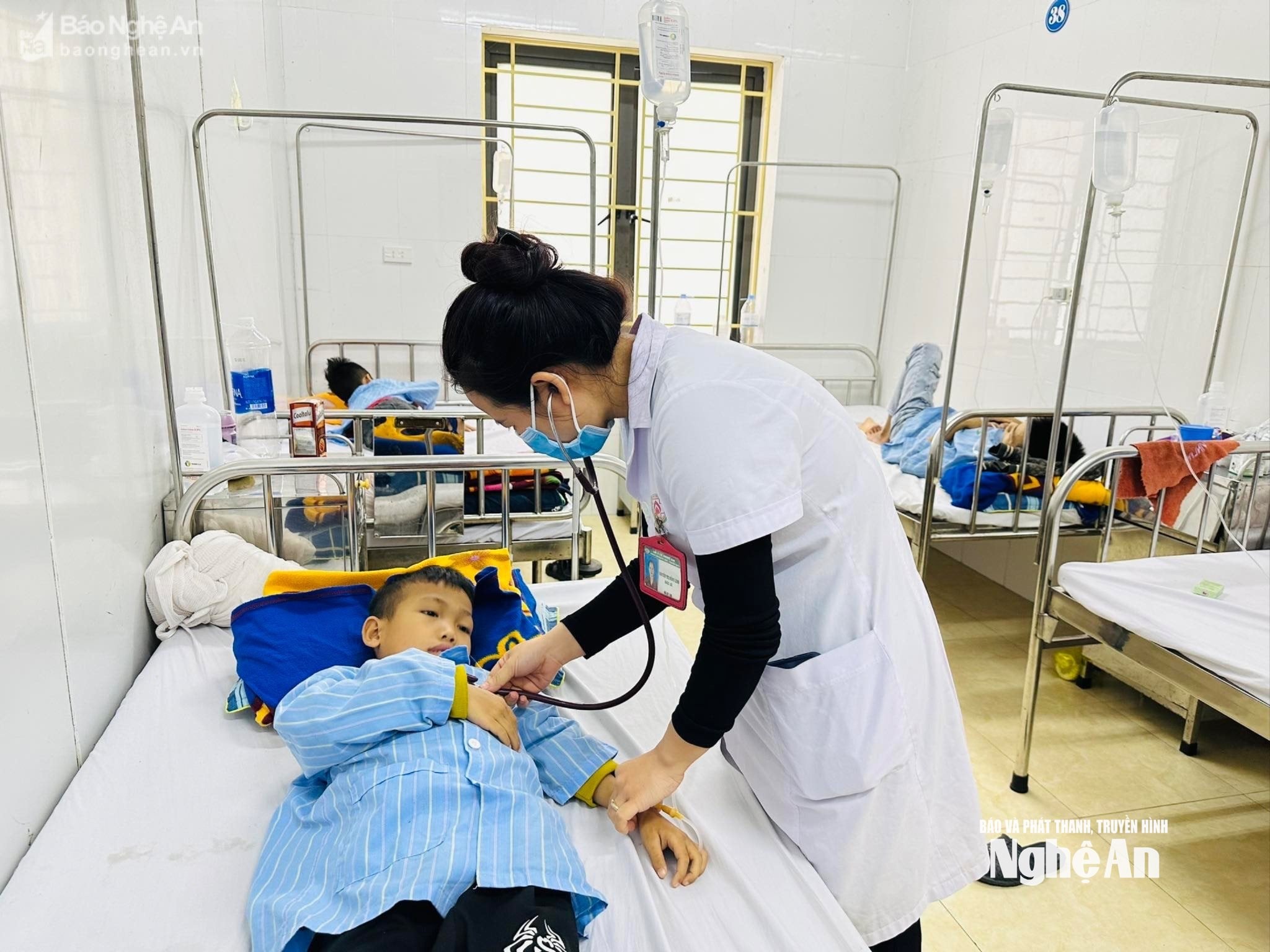
Thalassemia iscongenital hemolytic anemia– a dangerous genetic disease that occurs when a child inherits the disease gene from either parent. The disease causes chronic anemia, stunted physical development, bone deformities, and can be fatal if left untreated. Those with severe forms require lifelong blood transfusions, leading to iron overload which can cause heart failure, liver damage, and endocrine disorders. The cost of treating a patient with severe forms until adulthood can reach billions of Vietnamese dong, placing a significant burden on families and society.
Alarmingly, Nghe An is one of the provinces with the highest rates of thalassemia carriers in the country, especially in mountainous districts. The carrier rate in some ethnic minority communities can reach 20-30%, while consanguineous marriages still persist in some areas, increasing the risk of having children with severe forms of the disease. In recent years, the health sector has recorded many cases of stillbirths related to thalassemia that were not detected early due to a lack of knowledge about pre-marital and prenatal screening.
.jpg)
Also in the class, participants discussed real-life situations in premarital counseling, communication in ethnic minority areas, and methods to help people understand the risks of having children with severe health problems.
Organizing training for grassroots levels is particularly important, helping healthcare workers and population collaborators improve their skills in counseling, communication, and identifying disease risks in the community.
This will contribute to reducing the number of cases of fetal hydrops due to thalassemia, reducing the number of children born with thalassemia, gradually improving the quality of treatment at medical facilities for thalassemia patients from ethnic minorities, and gradually extending the lifespan of current patients.
At the same time, early detection and management of carriers of the disease gene, and limiting consanguineous marriages or couples where both partners carry the disease gene, will minimize the number of children born with severe forms of the disease, contributing to improving the quality of the population.
This is also a solution to reduce the health, economic, and social burden caused by the disease. It contributes to changing and improving the awareness, attitudes, and behaviors of ethnic minority communities in practicing management of Thalassemia.
At the same time, the aim is to strengthen inter-sectoral coordination in promoting the reduction of thalassemia in particular, and in population and development work in general in the implementation area.
In accordance with Decision 2165/QD-SYT dated December 5, 2022, of the Nghe An Department of Health on the plan for implementing health sub-projects under the National Target Program for socio-economic development in ethnic minority and mountainous areas for the period 2021–2030, Phase 1 (2022–2025) has seen the Nghe An health sector and many mountainous localities in the province implement numerous practical activities to improve the quality of healthcare and population management for ethnic minorities.
Through these efforts, hundreds of communication sessions on reproductive health care, prevention of child marriage and consanguineous marriage were organized for thousands of people, with the Mong, Thai, and Khmu ethnic groups accounting for a large proportion. Mountainous districts also provided thousands of family planning services., thousands of prenatal screenings, newborn screening,This contributes to reducing the risk of birth defects and improving the quality of the population.
In addition, the health sector has organized dozens of training courses for population and village health workers. The results achieved have contributed to improving the quality of population services and primary healthcare, and have helped improve the lives of ethnic minority communities.


