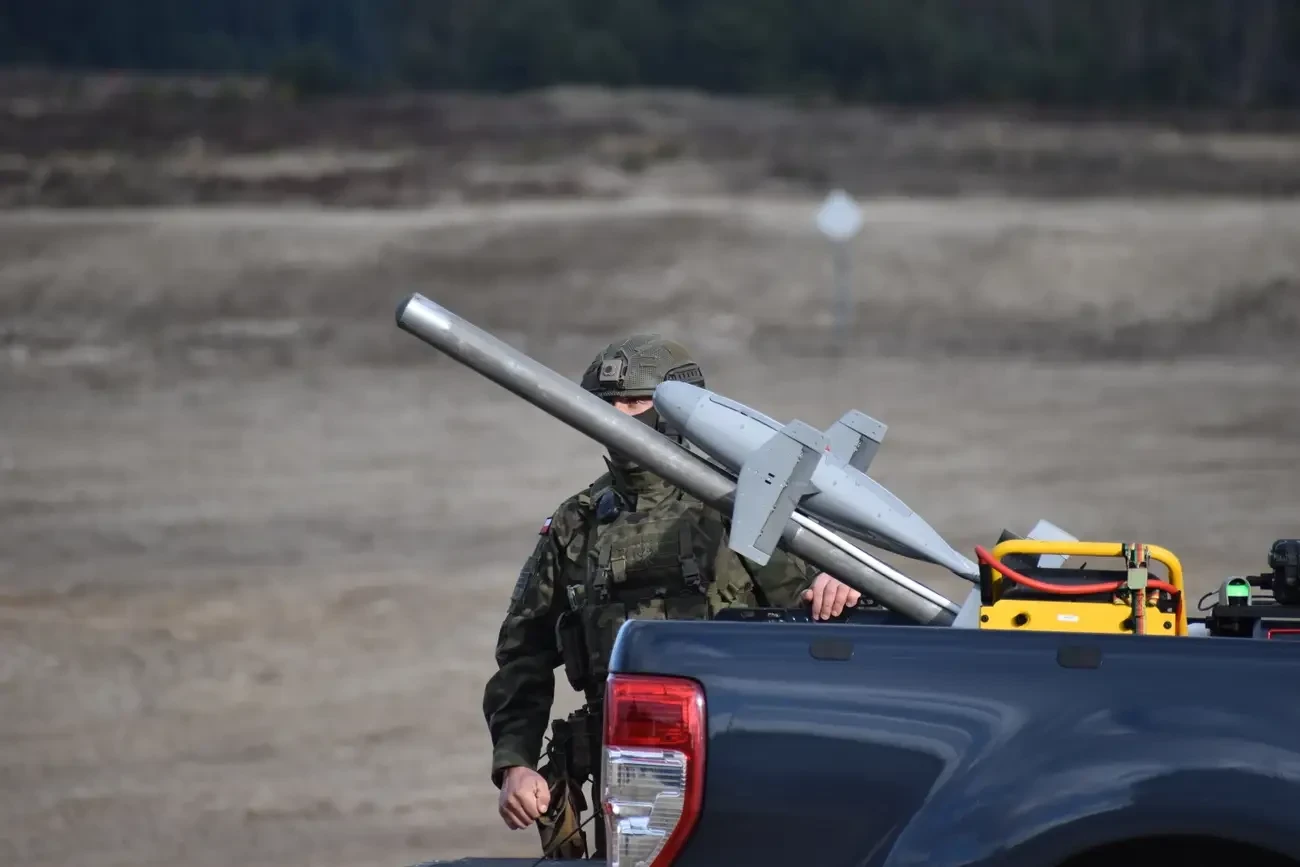
NATO adopts Ukraine's tactics to destroy inexpensive drones.
Faced with pressure from Russian drone attacks, NATO is deploying the Merops interceptor drone system to preserve its expensive missile arsenal and bolster its defenses on its eastern flank.
NATO is changing its air defense strategy by learning from Ukraine's combat experience: using inexpensive interceptor drones to destroy targets instead of wasting millions of dollars on missiles. This method not only solves the economic problem but also shows a new direction for modern warfare.
The rise of interceptor drones in Ukraine
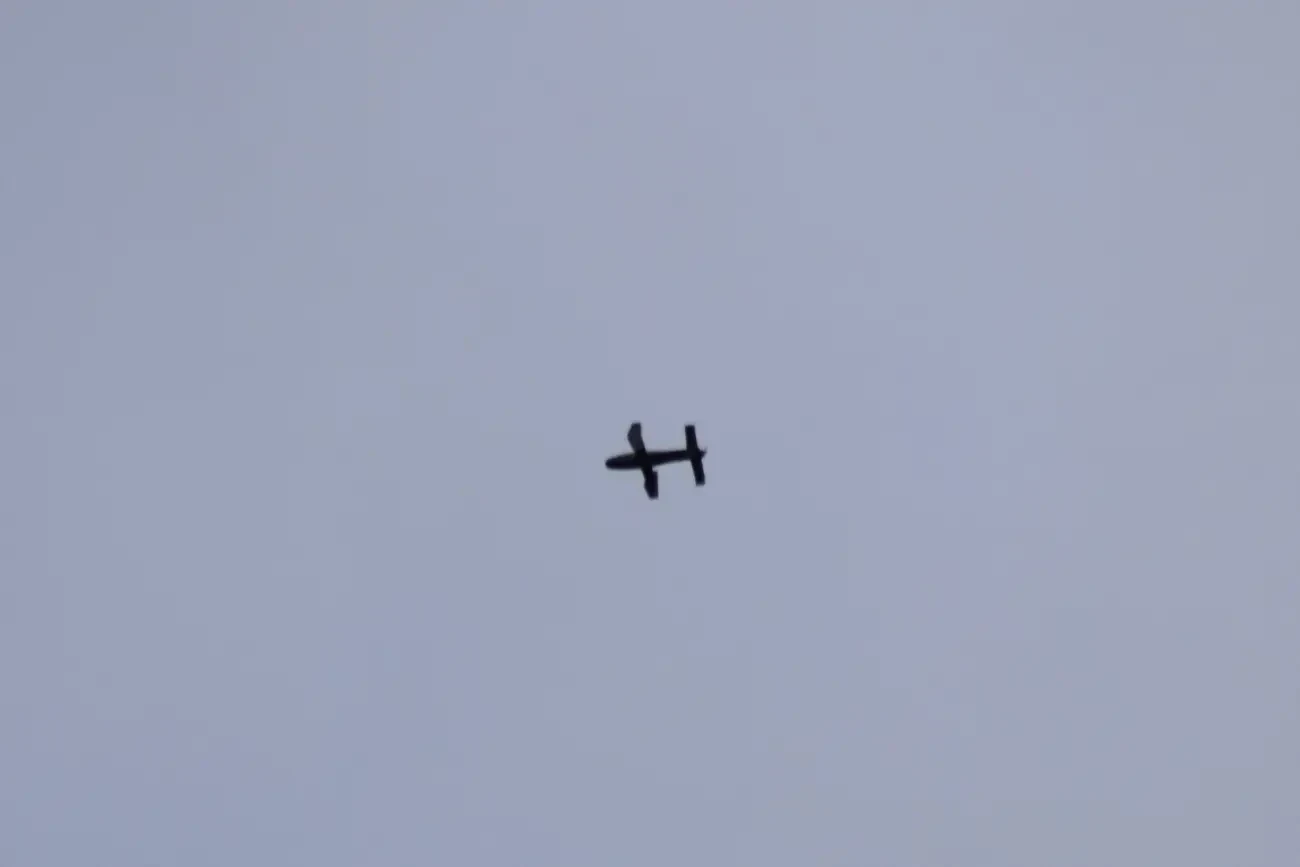
The Ukrainian military is currently operating domestically produced interceptor drone squadrons daily to shoot down Russian UAVs. With mass production capabilities, the Ukrainian defense industry can supply hundreds of these drones daily at a cost of only about $2,500 each. This is significantly lower than the minimum price of $35,000 for a single Shahed suicide drone operated by Russia.
Interceptor drones are equipped with small warheads, designed to collide directly with or detonate near the target. They are capable of destroying high-flying and fast-moving objects far more effectively than traditional anti-aircraft machine guns. More importantly, this weapon helps Ukraine preserve its valuable anti-aircraft missile arsenal for strategic targets such as cruise missiles or ballistic missiles.
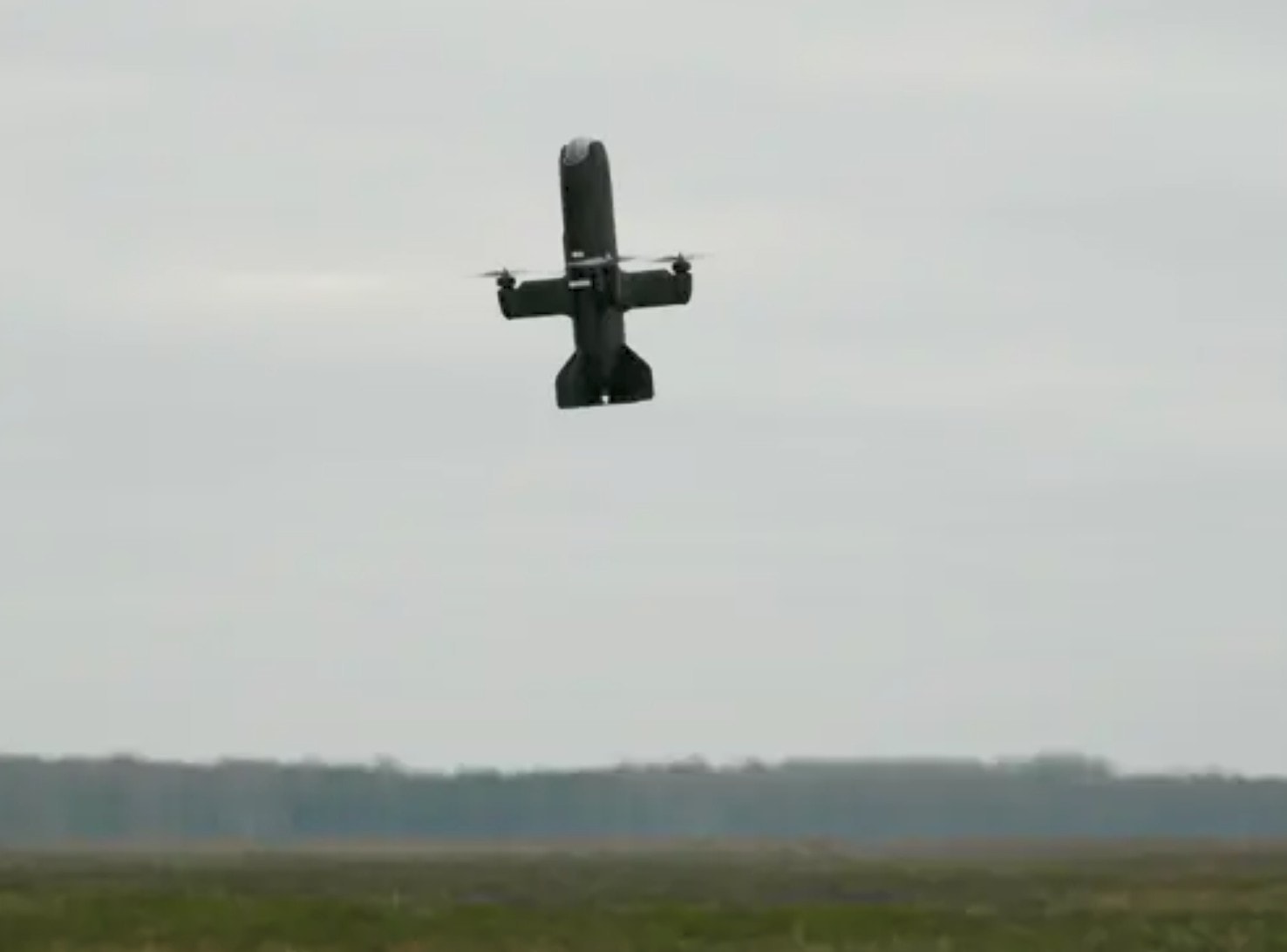
Merops system: NATO's solution for the eastern flank.
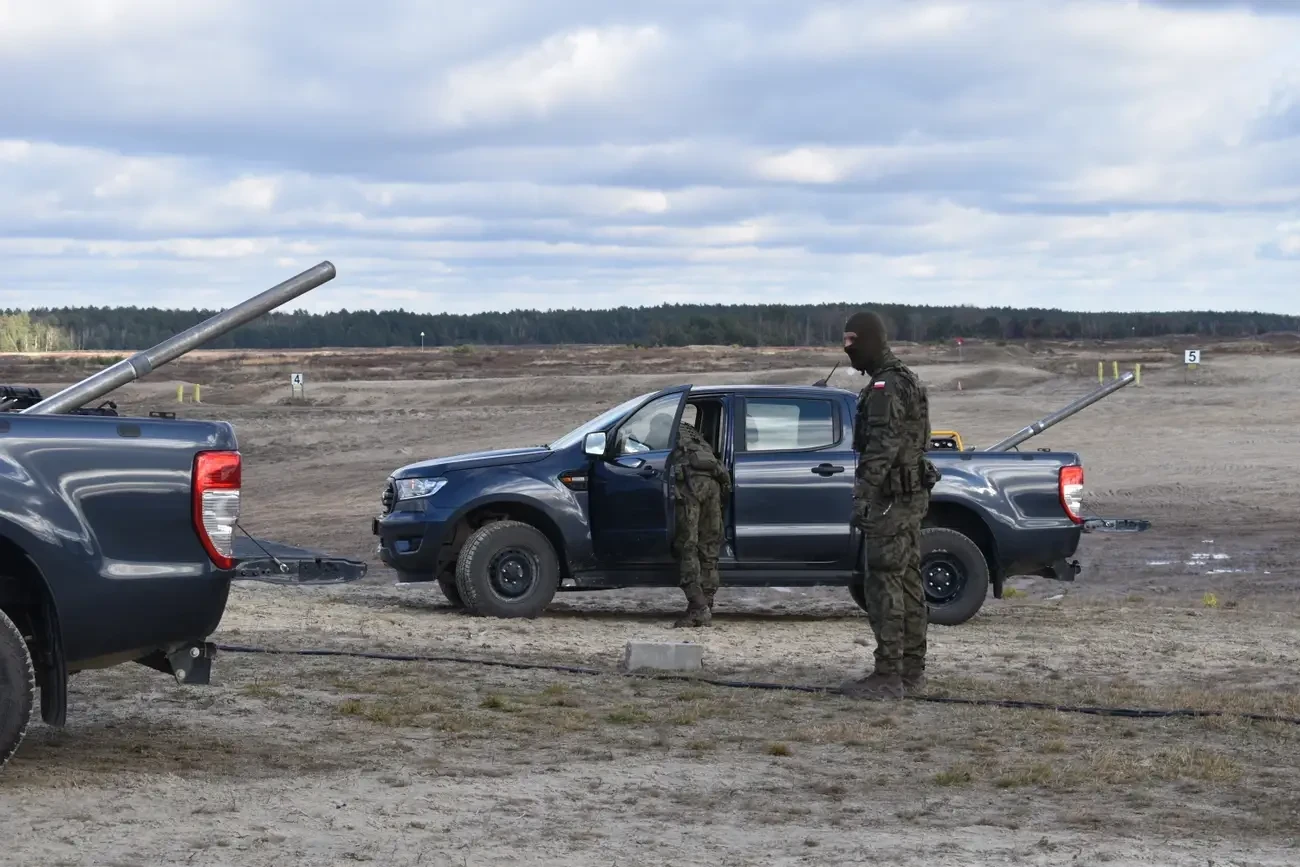
Recognizing the effectiveness of the system in Ukraine, NATO members such as Poland and Romania have begun deploying the US-made Merops system. This move became urgent following Russian drone intrusions into the airspace of these two countries last September.
The Merops system consists of a ground control station, a Surveyor interceptor drone, and a launch platform. A standard operating crew comprises four people: a commander, a pilot, and two technicians. The Surveyor drone can reach speeds exceeding 280 km/h and uses radar, thermal, or radio frequency sensors to track targets. Notably, it is highly resistant to electronic warfare.
Technical specifications and combat effectiveness
| Parameter | Detail |
|---|---|
| System name | Merops (Surveyor interceptor drone) |
| Maximum speed | Over 280 km/h |
| Success rate | Approximately 95% (for Shahed-type targets) |
| Estimated cost | $15,000 per unit |
| Countermeasures | Suicide drones (Shahed), reconnaissance drones, jet-powered drones |
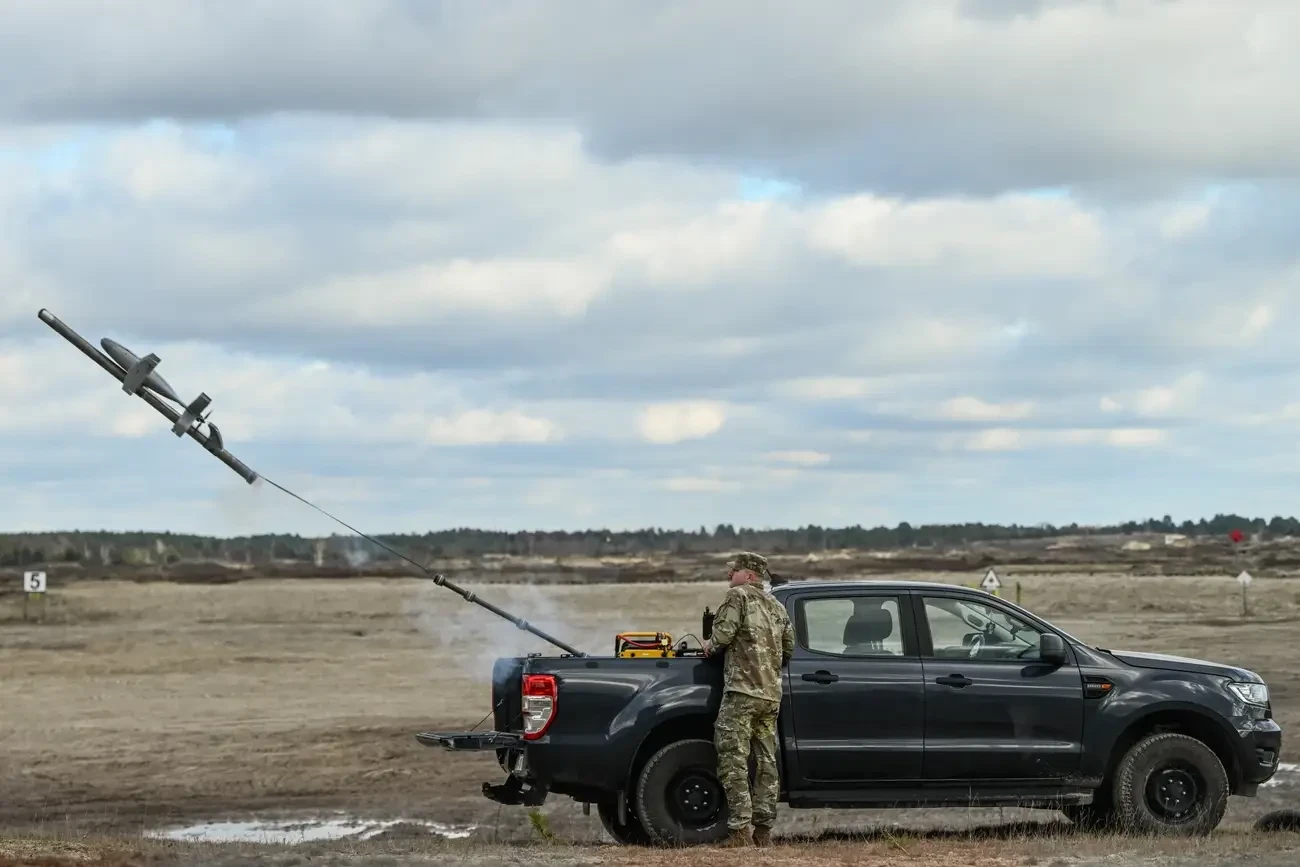
While effective against large UAVs, military experts note that the Merops still struggles against low-flying FPV (first-person view) drones due to their small size and flexible trajectories. However, using the $15,000 Surveyor to shoot down a $35,000 Shahed still offers significantly better economic efficiency than deploying fighter jets and air-to-air missiles costing hundreds of thousands of dollars.
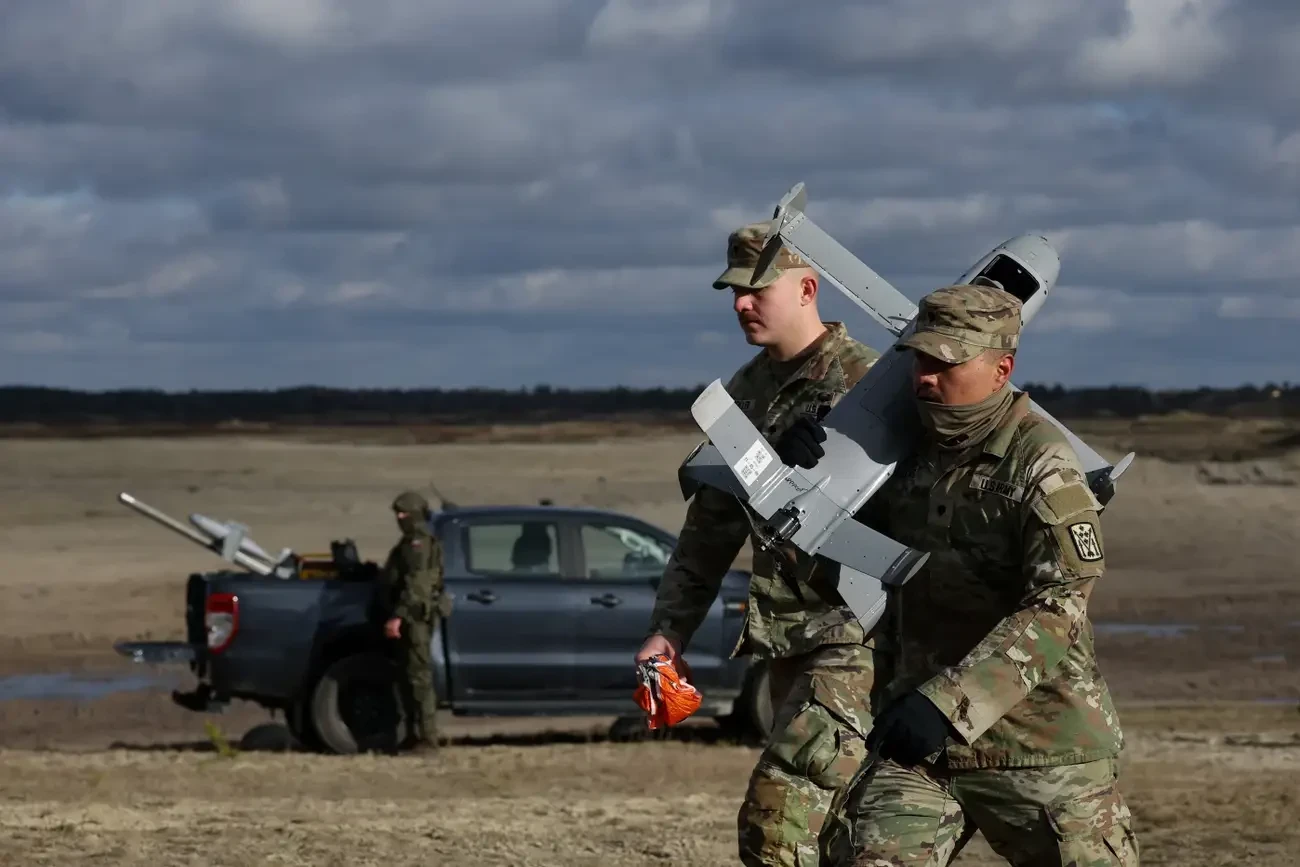
Rapid technological innovation cycles
The rapid development of drone technology on the battlefield today poses a significant challenge to traditional military procurement processes. According to NATO experts, the lifecycle of a new technology on the front lines now lasts only 6 weeks to 3 months before the enemy finds a countermeasure.
Brigadier General Curtis King, head of the U.S. Army's 10th Air Defense and Missile Defense Command, asserted that NATO needs to continuously "learn from how Ukraine is fighting." Collaborating with Ukrainian and Western defense companies to mass-produce interceptor drones would not only reduce costs but also ensure the sustainability of the alliance's air defense network in the future.