
NATO warns that Russia's new space weapon threatens Starlink.
NATO says Russia is researching a zone-effect space weapon system that could launch hundreds of thousands of small projectiles to disable a range of satellites like Starlink, but experts remain skeptical about its feasibility.
NATO believes Russia is researching a new type of space weapon, described as capable of directly threatening satellite systems, with Elon Musk's Starlink being considered a prominent target. This system, dubbed "zone-effect," if deployed, could significantly expand Russia's anti-satellite capabilities and increase the complexity of protecting space infrastructure.
Overview of warnings regarding zone-effect space weapons.
According to information released by NATO, Russia is researching a new space weapons system aimed at attacking clusters of satellites operating in orbit. Among them, the Starlink satellite network operated by Elon Musk is specifically named as a top target.
NATO describes this as a weapon capable of simultaneously impacting multiple satellites, rather than just a single target. This makes the system a potential threat to telecommunications infrastructure and satellite-based services, which are increasingly used in both civilian and military sectors.
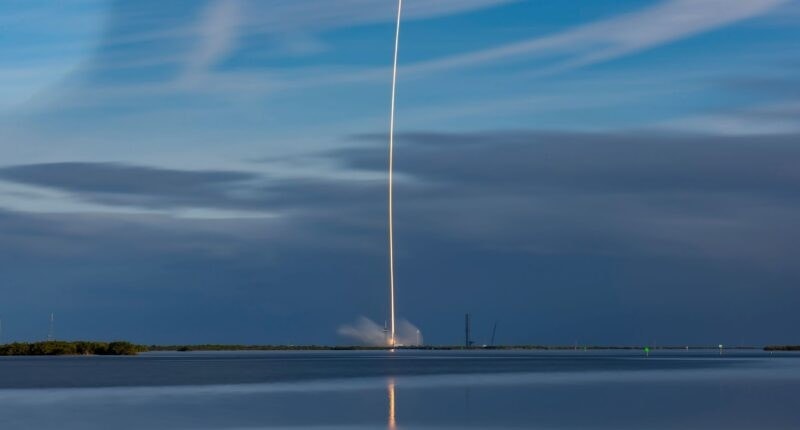
The structure and operating mechanism are described.
According to the report, the zone-effect weapon is described as capable of launching hundreds of thousands of tiny projectiles at high density. Each projectile is only a few millimeters in size but is designed to disable multiple satellites simultaneously.
A key feature emphasized by NATO is the ability to bypass existing sensor systems. The projectiles are believed to be difficult to detect by both ground-based and orbital sensors. This means that tracking their flight paths, determining their deployment, and gathering evidence of the attack's origin will become more challenging.
The fact that it "makes it difficult to determine the origin" is considered a key factor in NATO's warning, as it complicates the process of assigning responsibility to the attacker when incidents occur involving satellites in orbit.
Skepticism regarding the feasibility and risks of Russian satellites.
Despite NATO's warnings attracting attention, some experts cited suggest caution in assessing the feasibility of the zone-effect system. The reason given is that this type of weapon not only has the potential to affect enemy targets, but also risks harming Russian satellites in orbit.
The potential for affecting satellites belonging to the deploying party is a point of skepticism among analysts. Without strict control, the high density of these small projectiles in space could create a risk of unintended consequences, extending beyond their original target.
The experts quoted suggest that the zone-effect system, if it exists, could be used more as a deterrent than as a weapon ready for actual combat. This reflects a cautious view of a weapon concept still in the research phase and with no publicly available information about its practical deployment.
Starlink has become a strategic concern for Russia.
The report specifically identifies Starlink as a key target of the zone-effect system. This satellite network has been widely used by Ukrainian forces for battlefield communications and target acquisition support.
The very fact that Starlink is used for combat-related purposes has led to it being considered a "serious threat" to Russian military operations. Its ability to ensure communication and support target designation provides a significant advantage to the forces using it, thereby increasing Russia's need to find countermeasures.
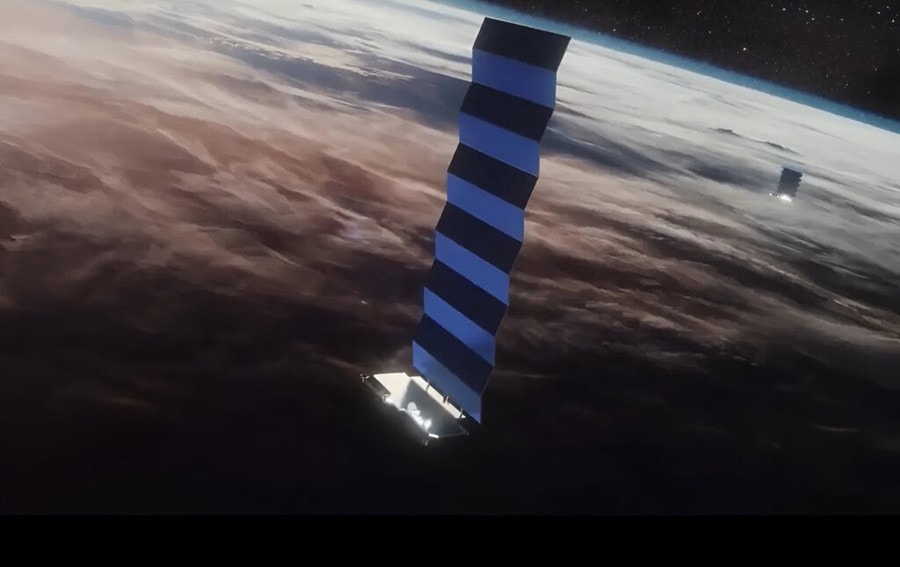
Zone-effect in the picture of Russia's anti-satellite weapons.
NATO assesses that, if deployed, the zone-effect system would add to Russia's already increasingly diverse anti-satellite arsenal. This places zone-effect within the broader context of efforts to enhance the ability to impact targets in orbit.
In addition to the newly mentioned system, the report cites the S-500 as an example of Russia's existing anti-satellite capabilities. The S-500 system is described as capable of attacking low-orbit satellites and also intercepting fifth-generation aircraft.
The emphasis on the S-500 in this context suggests that NATO views the zone-effect as a potential expansion, toward the ability to exert broader influence over active satellite systems orbiting Earth.
Russia's deterrence and investment in space
In the quoted assessment, experts argue that zone-effect systems, with their difficult-to-control nature and the potential to harm even the deployer's own satellites, are likely to serve as a deterrent. The ability to simultaneously disable multiple satellites, if proven, would create psychological and strategic pressure on parties heavily reliant on space infrastructure.
Clayton Swope, an official at the Center for Strategic and International Studies (CSIS), was quoted as saying that Russia has invested a great deal of time, money, and manpower to assert its position as a space power. This assessment places NATO's warnings in a longer-term context, in which space is seen as a priority in Russia's strategy.
Continuing research into weapon concepts such as zone-effect systems can therefore be understood as part of an effort to maintain and strengthen this position. However, given current doubts about its feasibility and associated risks, many assessments suggest that this system is currently more of a symbolic deterrent than a capability ready for actual use.
The information and reviews above are taken from NextGen Defense.


