
NATO faces the risk of suffering heavier losses than Ukraine in a conflict with Russia.
Colonel Valerii Vyshnivskyi warned that drone surveillance of 100% of the battlefield would lead to the loss of critical time for treating wounded soldiers, forcing NATO to restructure its military medical system.
The dominance of drones on the modern battlefield is completely changing the face of military medicine. Constant monitoring makes the evacuation of wounded soldiers during the "golden hour"—the first 60 minutes that determine survival—nearly impossible. This challenge is predicted to cause NATO forces to suffer even heavier losses than Ukraine should a large-scale conflict with Russia erupt.
The disappearance of the prime time on the modern battlefield.
On current battlefields, the skies are constantly filled with reconnaissance and attack drones. This forces medical units to shift their thinking from "golden hour" to "golden day" or even "golden month" because they cannot immediately move wounded soldiers under enemy surveillance.
Colonel Valerii Vyshnivskyi, Ukraine's senior representative at the NATO-Ukraine Joint Analysis, Training and Education Center (JATEC), emphasized that medical evacuations can no longer be carried out using traditional methods. "The battlefield is 100% monitored. That's why medical evacuations cannot be done the old way," Vyshnivskyi told Insider.
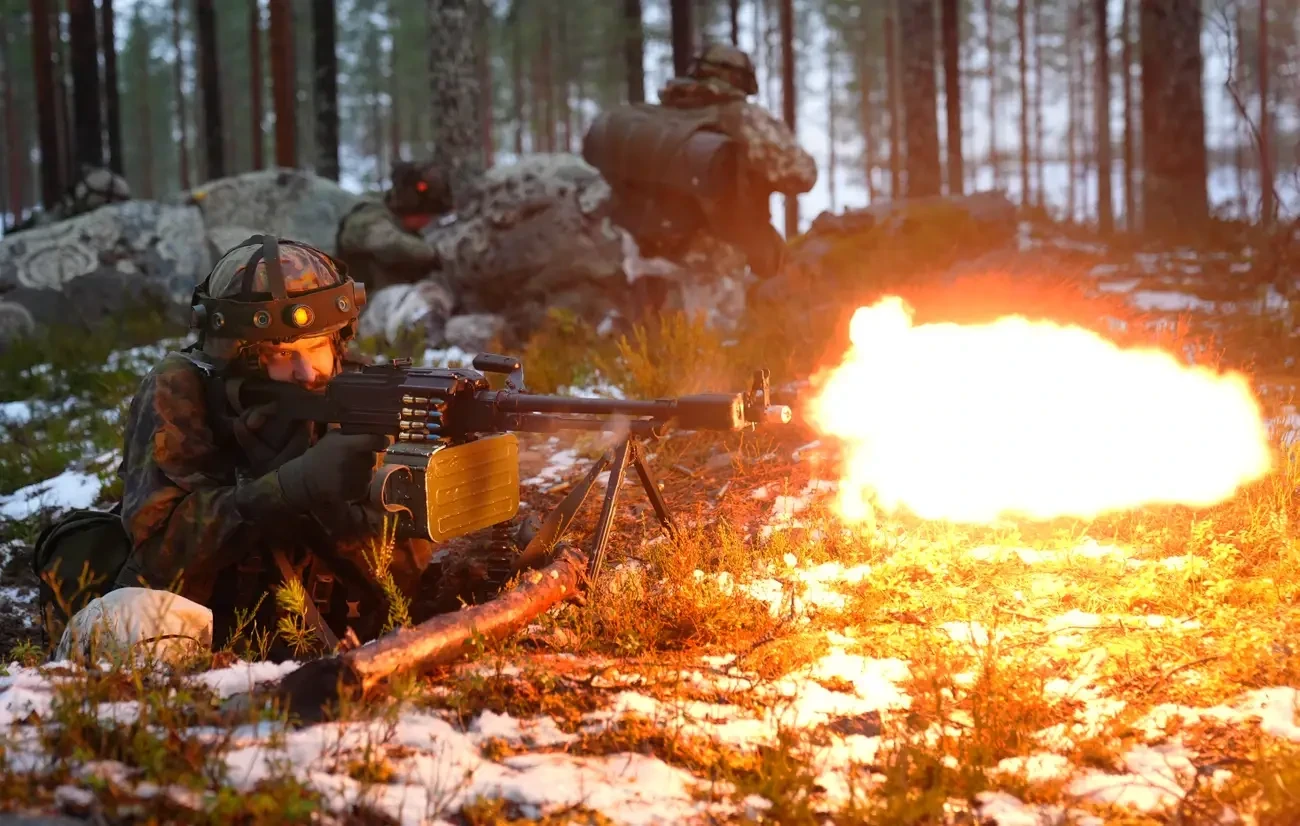
The high density of drones often forces the military to wait for bad weather or poor visibility to carry out evacuations. Although solutions such as ground robots are being deployed, they still exhibit many limitations in terms of operational capabilities, susceptibility to technical interference, and malfunctions in real combat conditions.
Predicting the scale of casualties in high-intensity conflict.
In a direct conflict with Russia, NATO would likely face similar medical evacuation pressures to Ukraine, but with a much greater destructive intensity. According to figures projected for the summer of 2025, Ukraine is expected to have around 400,000 casualties, including 100,000 soldier deaths. Russia's losses are estimated to be even greater, reaching approximately 1.1 million casualties by the end of 2025, at a rate of losing more than 1,000 soldiers per day.
NATO Secretary General Mark Rutte warned that Russia could be prepared to use military force against the alliance within the next five years. He stated that such a conflict would lead to "enormous losses," directly affecting the entire social life and territory of member states.
NATO is striving to find new technological solutions.
To adapt to the new warfare environment, NATO's Allied Transition Command (ACT) and JATEC are actively seeking solutions from the defense industry and civilian healthcare. A recent Innovation Challenge in London attracted 175 submissions from 20 countries, focusing on saving the lives of soldiers on the battlefield surrounded by drones.
Potential solutions include mobile kidney failure treatment systems, improvised stretchers for rugged terrain, secure communication gateways for medical personnel, and ballistic armor plates as temporary shelters. Colonel Niall Aye Maung, medical advisor at NATO headquarters, called this a "system of systems," where multiple technological solutions work together to address casualty treatment rather than relying on a single method.
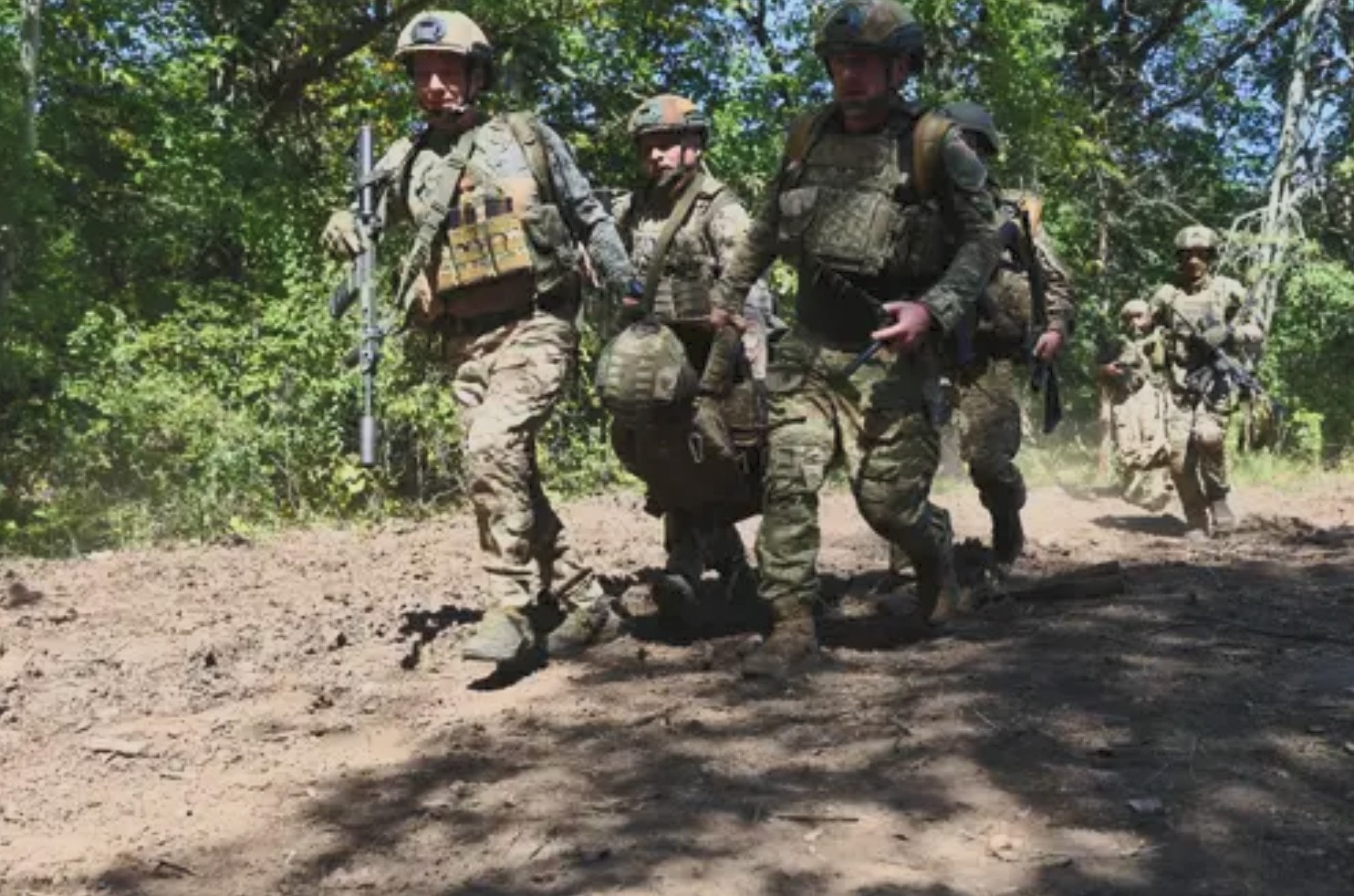
One of the biggest obstacles today is that NATO's pace of developing new capabilities remains slow compared to the rapidly changing realities of the battlefield. Legal and regulatory safety processes for medical equipment often prolong research and development time. To overcome this, NATO is prioritizing commercially available products (COTS) that can be used for both civilian and military purposes.
Accelerating the procurement and modernization of technology, particularly unconventional weapons systems and drones, is considered a top priority for NATO's eastern flank nations to prepare for future large-scale conflict scenarios.


