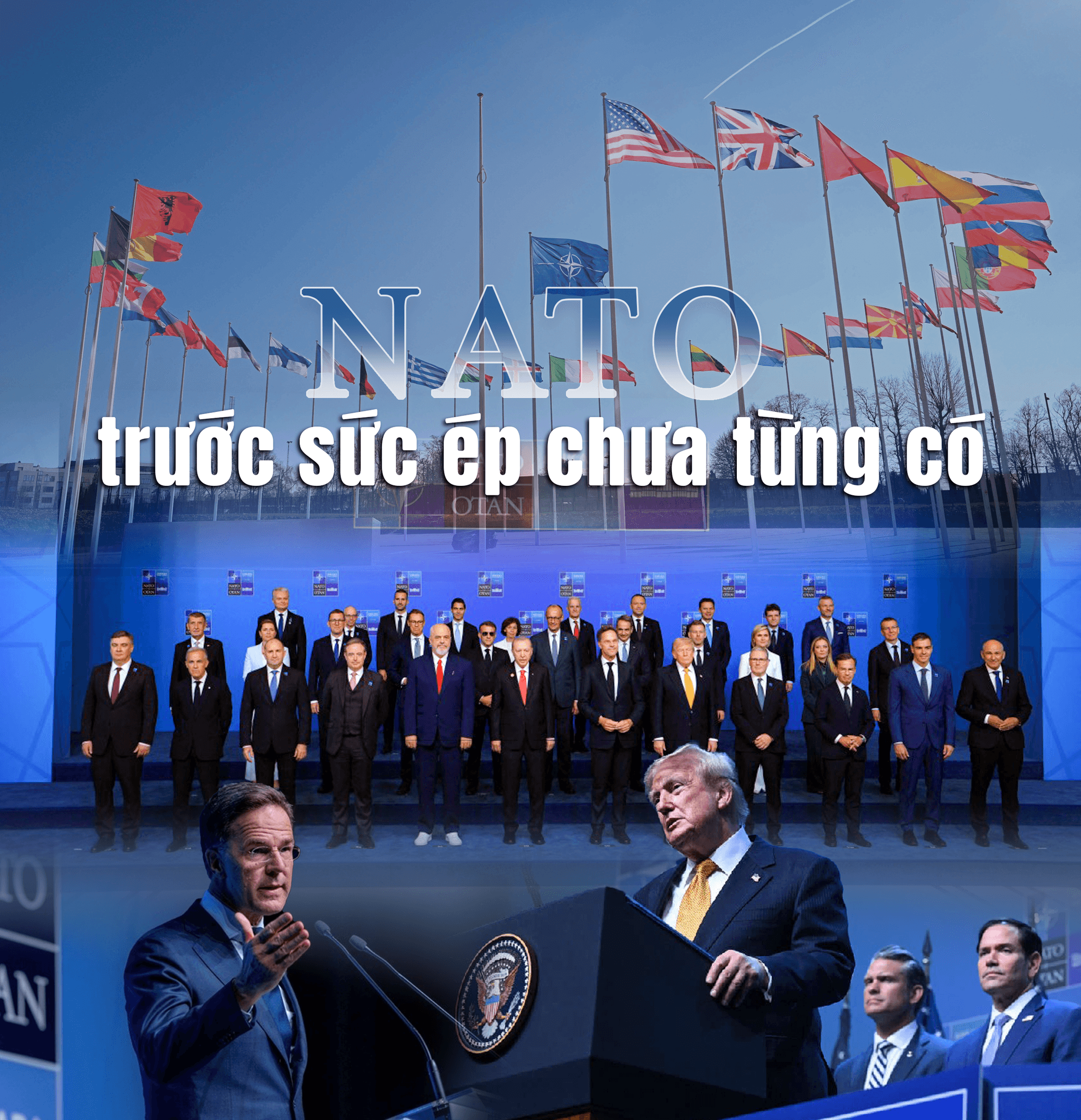
NATO faces unprecedented pressure.
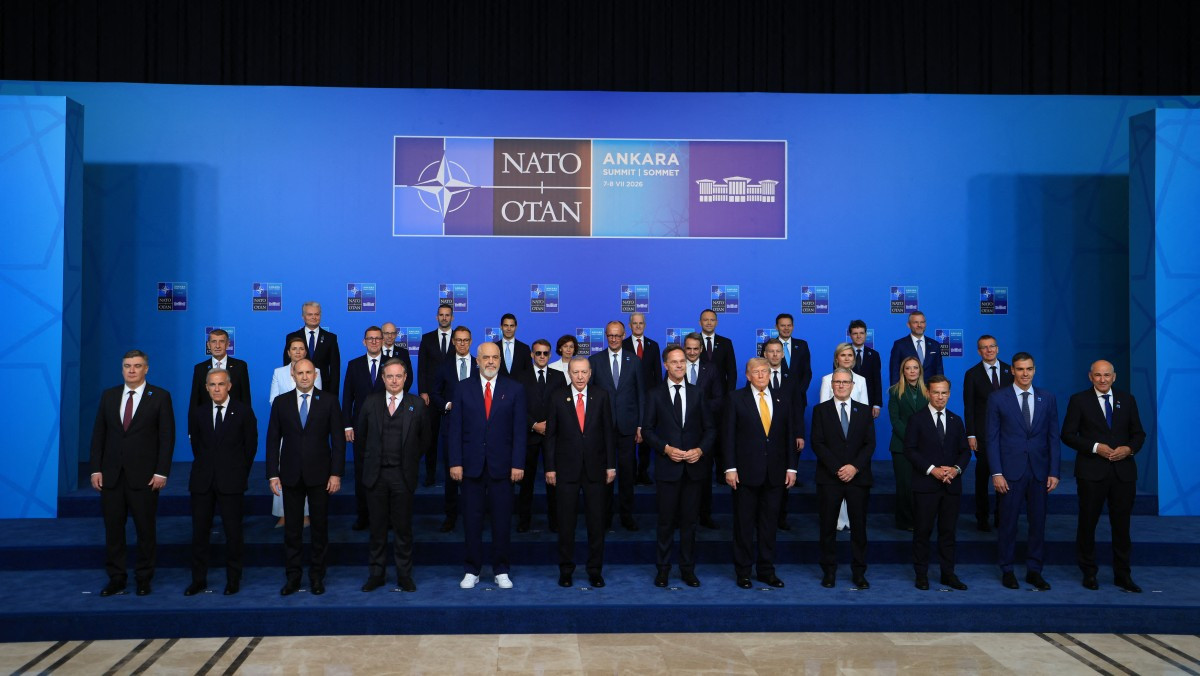
On July 7th and 8th, leaders from 32 member states of the North Atlantic Treaty Organization (NATO) gathered in Ankara, Türkiye, for a summit considered one of the most important meetings of the world's largest military alliance in recent years. Never since the end of the Cold War has NATO entered a summit under such intense pressure.
Perform: Huong Giang - Thu Trang - Huu Quan• July 9, 2026
On July 7th and 8th, leaders from 32 member states of the North Atlantic Treaty Organization (NATO) gathered in Ankara, Türkiye, for a summit considered one of the most important meetings of the world's largest military alliance in recent years.
But what makes this summit special is not just the agenda or the decisions on defense or Ukraine, but the context. Never since the end of the Cold War has NATO entered a summit under as much pressure as it is now.
For many years after the end of the Cold War, NATO believed that Europe had entered a period of lasting stability. The alliance's focus gradually shifted to counterterrorism, regional crisis management, and operations outside its traditional sphere of influence. But the Russia-Ukraine conflict that erupted in 2022 completely reversed that perception. For the first time in decades, the risk of a large-scale war on the European continent was no longer a hypothetical scenario but a reality. Therefore, for NATO, supporting Ukraine was not just about supporting a partner outside the alliance, but also about maintaining deterrence against a major military adversary right on the bloc's eastern flank.
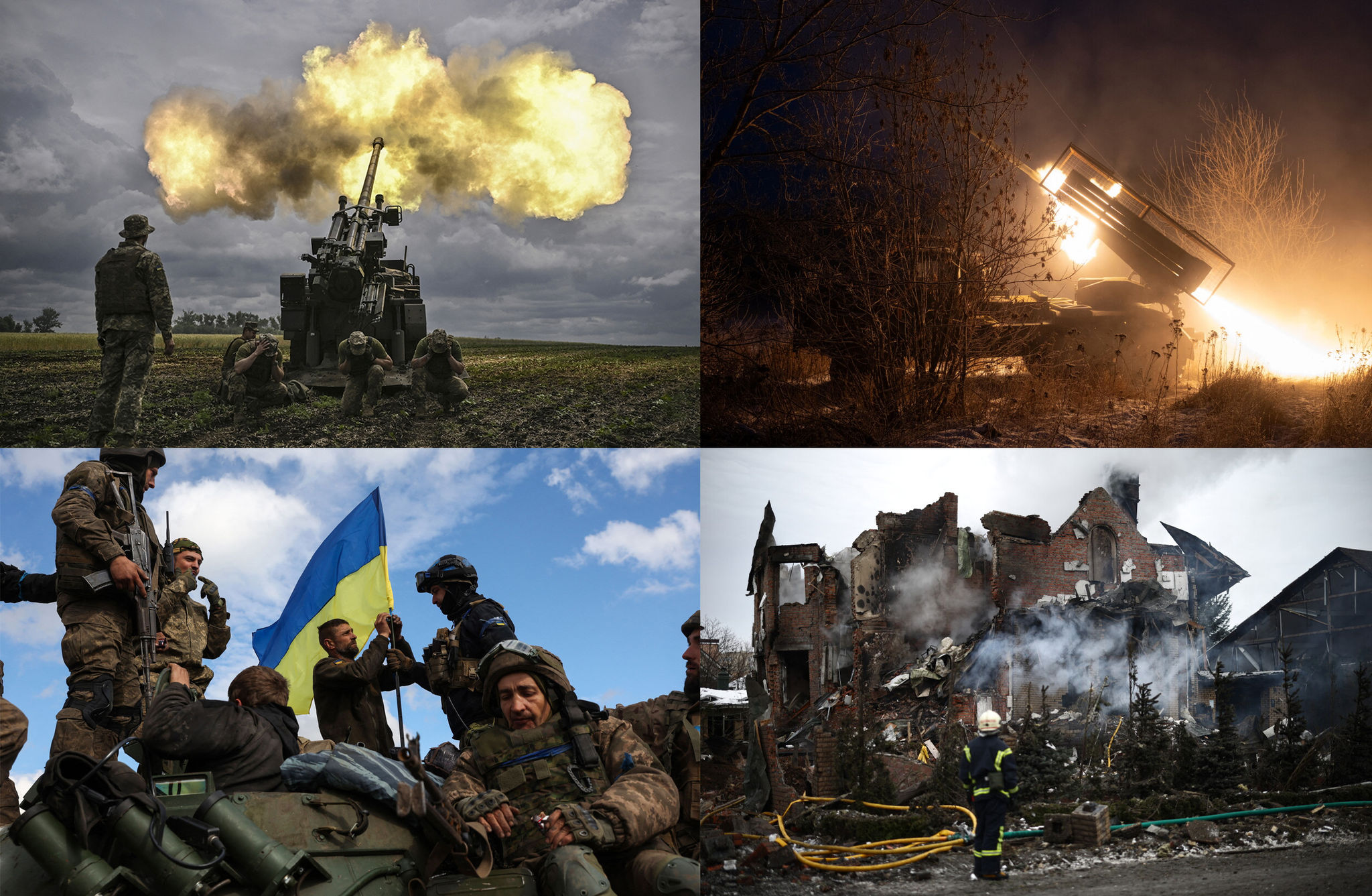
Since February 2022, the total value of military, financial, and humanitarian aid committed by NATO countries and partners to Ukraine has exceeded $300 billion. These figures show that the level of support for Kyiv has far surpassed the scale of many previous military aid programs in NATO's post-Cold War history. However, the sheer scale of the conflict also creates immense pressure on NATO, transcending the scope of a short-term crisis into a war of attrition at a rate many nations cannot keep up with. The continuous transfer of artillery, air defense systems, armored vehicles, and other modern weapons to Ukraine has forced many member states to reassess their own military reserves and created an urgent need to expand their defense production capabilities.
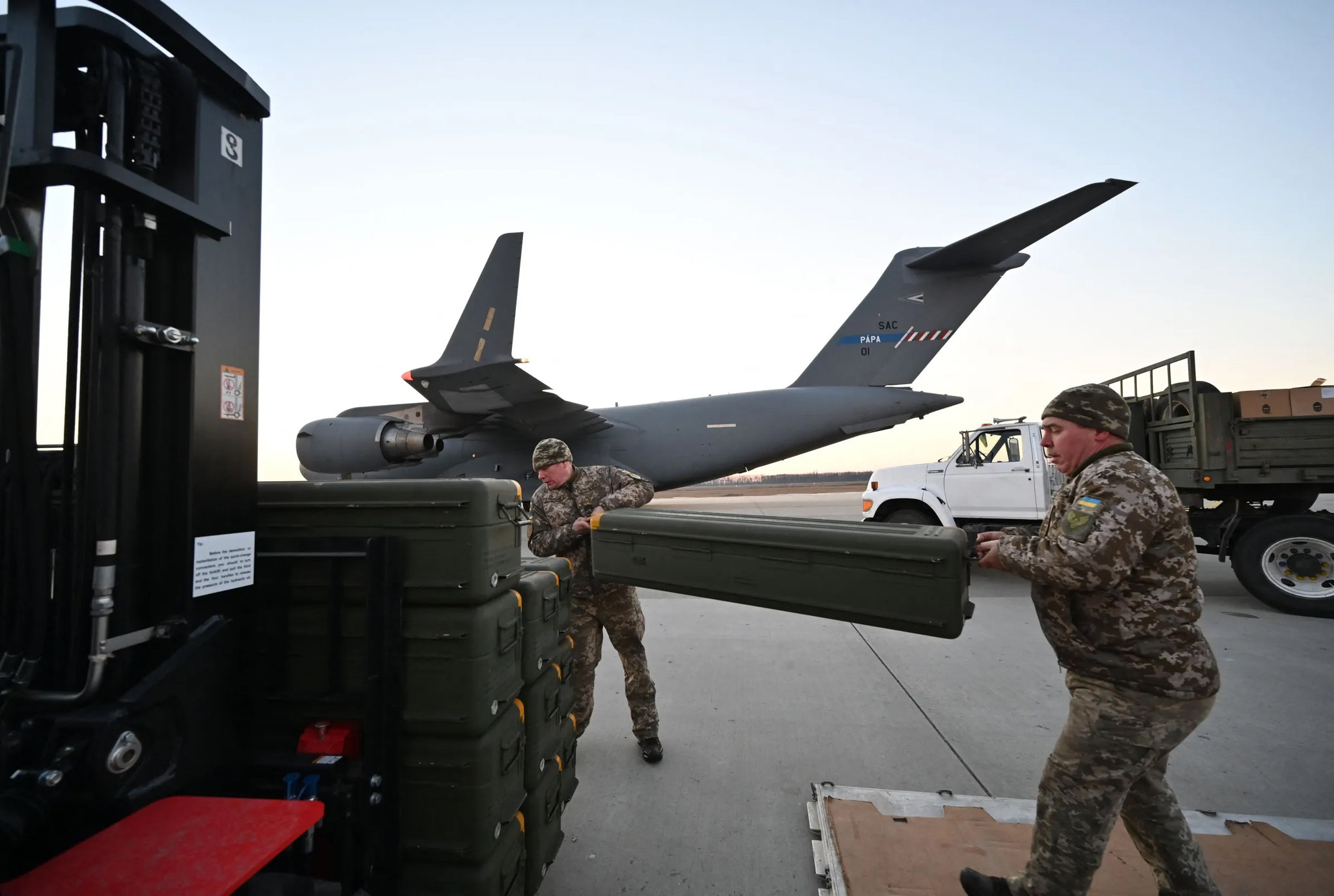
Pressure from Ukraine is also raising difficult political questions within NATO. As the war drags on, governments must convince voters that continued support for Kyiv is not only an obligation to Ukraine, but also an investment in Europe's long-term security. However, with many countries facing slow growth, high living costs, and budgetary pressures, maintaining large levels of support for many years will become a significant political challenge.
Therefore, for NATO, Ukraine is not just a military issue. It is a comprehensive test of the alliance's ability to maintain its strength, resources, and political unity.
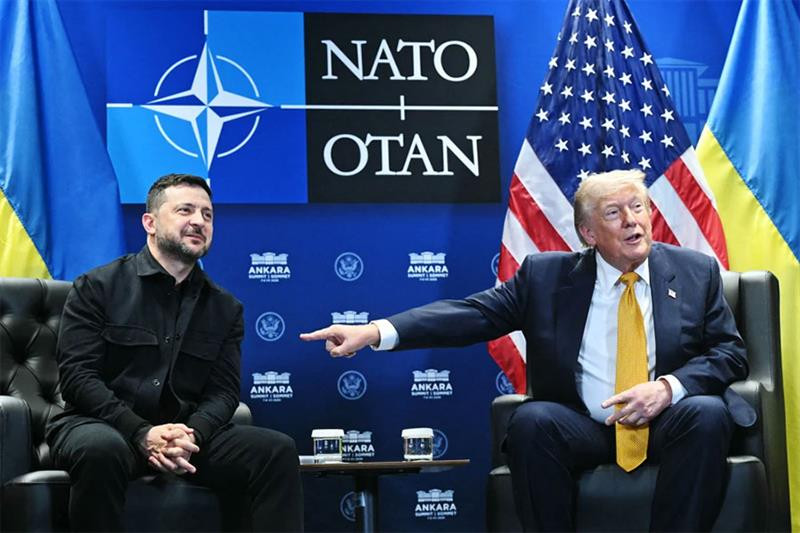
This NATO summit, therefore, will be an opportunity for NATO to determine how it will prepare for a new era where conflicts can last for years and where the strength of an alliance is measured not only by the number of weapons, but also by its ability to maintain strategic will in the long term.
One of the biggest pressures currently facing NATO is the demand for a redistribution of security responsibilities and defense burdens between the United States and its European allies. This is not a new debate, but the Russia-Ukraine conflict has made the issue more urgent than ever.
For over 75 years of NATO's existence, the United States has consistently served as the alliance's military cornerstone. Washington provides the majority of strategic capabilities that Europe can hardly replace on its own, from long-range deployments, fighter jets, intelligence capabilities, satellites, missile defense, to the ability to coordinate large-scale military operations. The US presence has therefore long been seen as the foundation of Europe's security. However, this model is under pressure to change. The US argues that its European allies have relied too long on Washington's security umbrella while failing to invest adequately in their own defense. President Trump has repeatedly publicly demanded that NATO allies increase their defense spending to 5% of GDP, instead of the minimum 2% agreed upon by NATO in 2014. This reflects Washington's desire to force Europe to contribute more to its security.
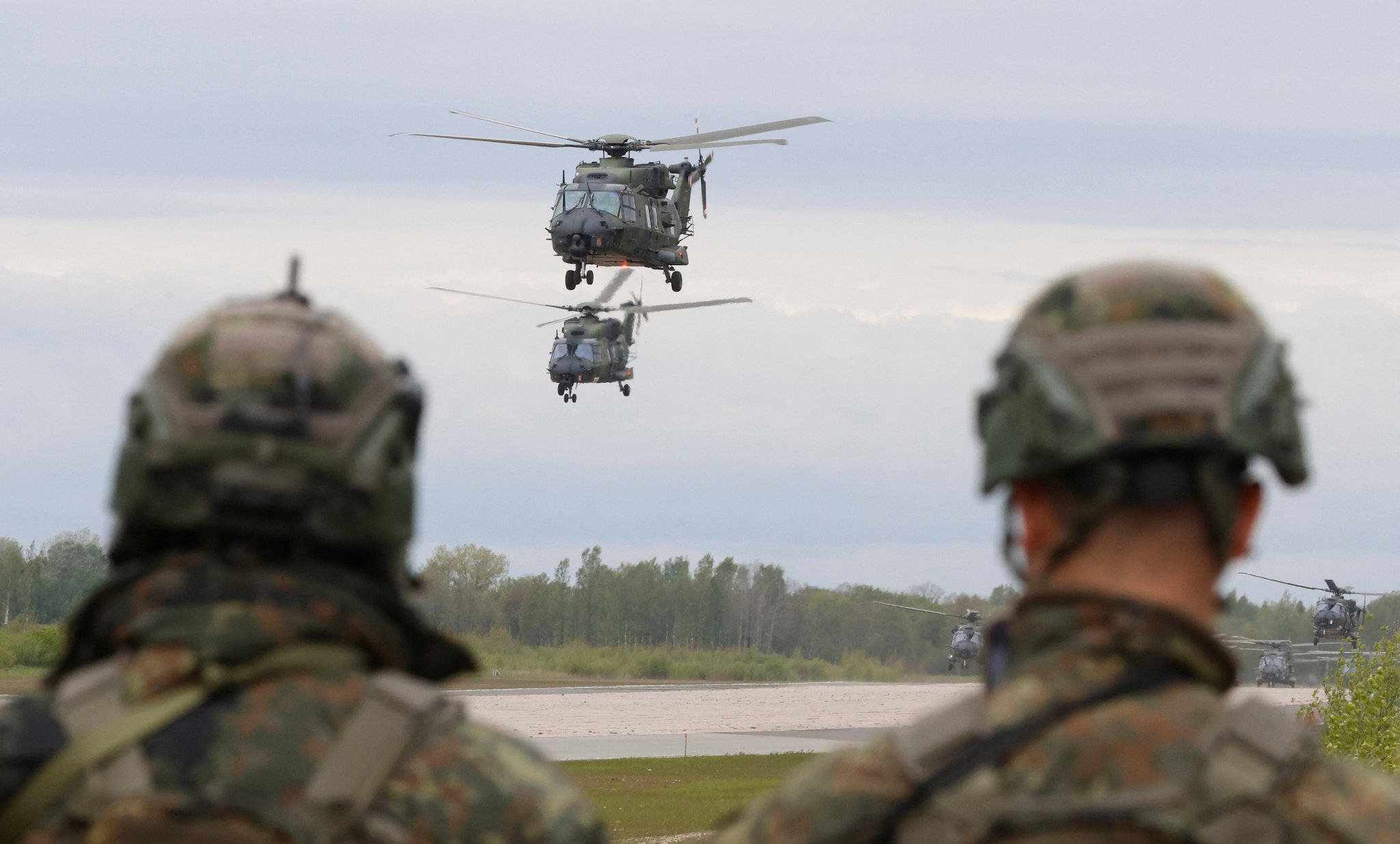
Beyond increasing defense spending, the US is also urging its European allies to prepare for a completely new phase of the alliance – dubbed NATO 3.0. The message is clear: the US remains in NATO, but Europe is no longer merely a recipient of security aid; it must become an independent, strategically autonomous fighting entity. This shift in direction will transform the alliance into a more balanced two-pillar structure, easing Washington's financial burden. However, "NATO 3.0" also presents numerous challenges, as Europe will need considerable time and resources to fill the enormous capacity gap left by the US, especially given the shrinking defense industry in the continent since the Cold War, the slow economic growth, aging populations, and mounting public debt.
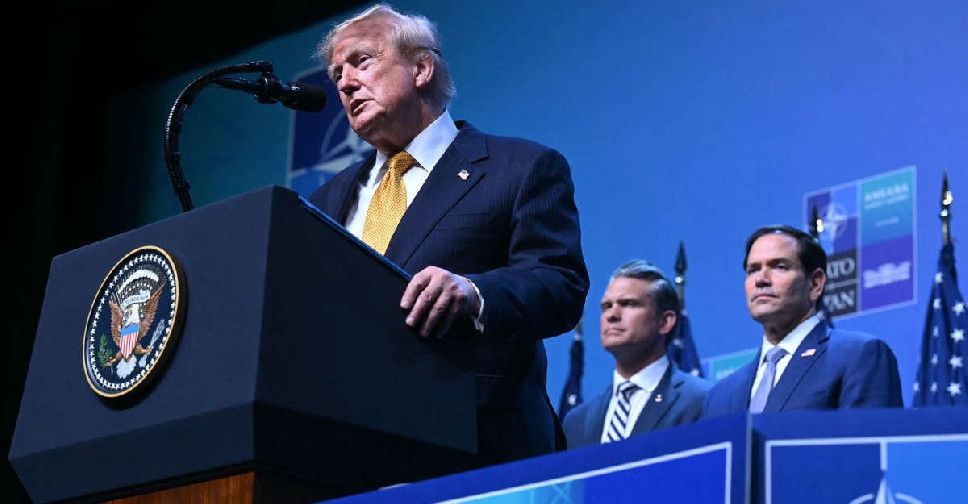
The debate over burden-sharing in defense, therefore, is no longer just a matter of budgets, but has become a problem of redistributing roles and responsibilities among NATO members in the future. Along with that is the larger question of the future of the transatlantic relationship – which is currently showing signs of strain as the US is dissatisfied with its allies.

One of NATO's biggest challenges also lies in the increasingly clear differences in perspective and vision among its 32 member states regarding strategic threats and priorities.
In principle, NATO remains in agreement on the most important issue: Russia poses a serious security challenge to Europe. However, priorities, approaches, and perceptions of the threat differ significantly among members. For countries on the eastern flank, such as Poland and the Baltic states, the Russia-Ukraine conflict is seen as a direct threat to national security. These countries support a rapid increase in defense spending, an expansion of NATO's military presence, and sustained pressure on Moscow.
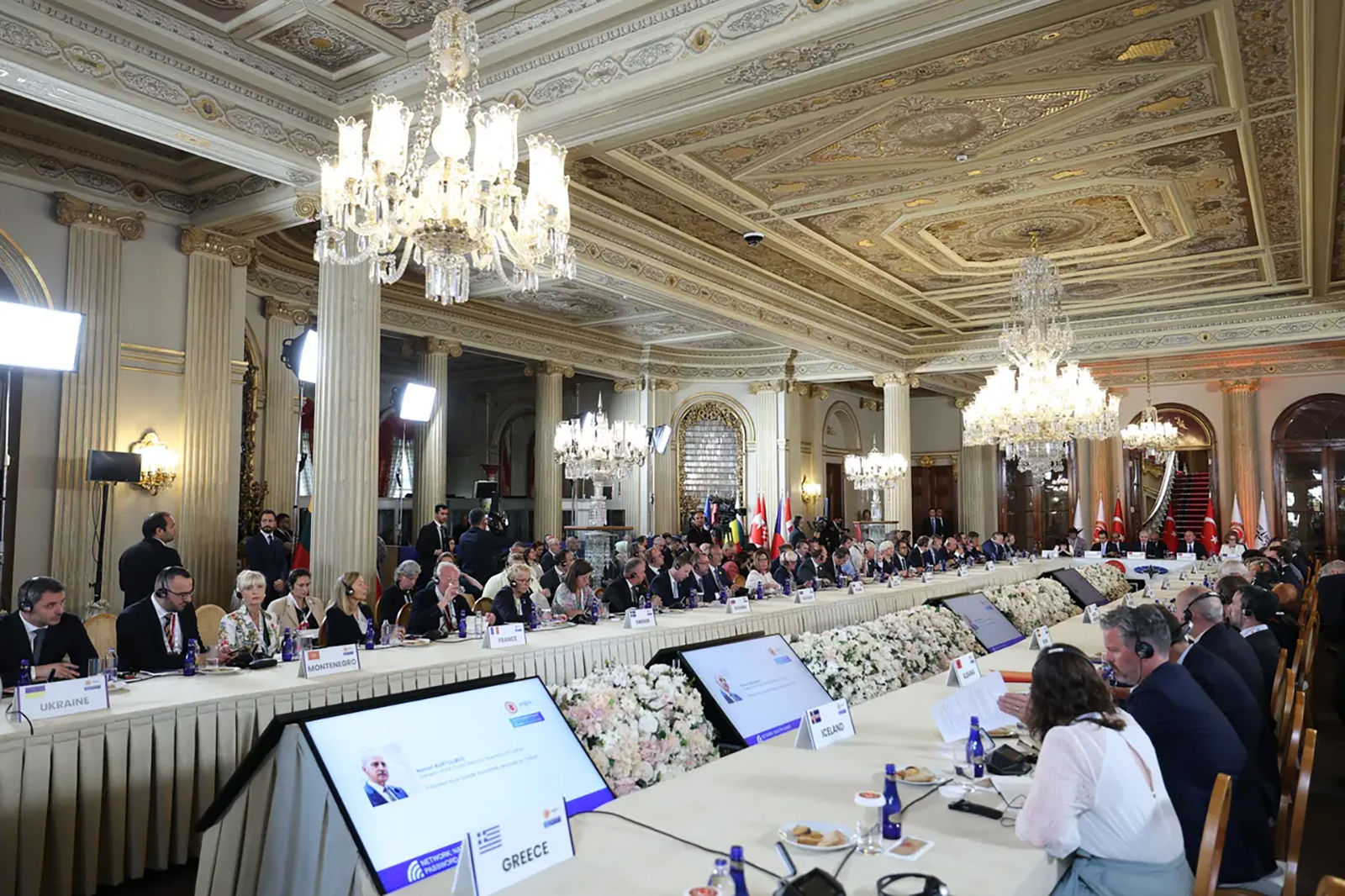
Poland is a prime example of the changing security perceptions in the region. Warsaw has significantly increased its defense budget, with spending reaching 4.7% of GDP by 2025 – among the highest in NATO. For Poland, military investment is not just about fulfilling its obligations to the alliance, but also about preparing for potential security threats on its eastern flank. However, with several Western and Southern European countries simultaneously facing other challenges such as slow economic growth, budgetary pressures, energy security, and migration, allocating tens of billions of euros more to defense means having to adjust other budgetary priorities.
The differences are also evident in how members perceive NATO's global role. The US increasingly views strategic competition with China as a long-term priority, while many European countries remain primarily focused on the threat from Russia and security within their own continents. France promotes the idea of a more strategically autonomous Europe, while some Eastern European countries believe that a strong US military presence remains the most important guarantor.
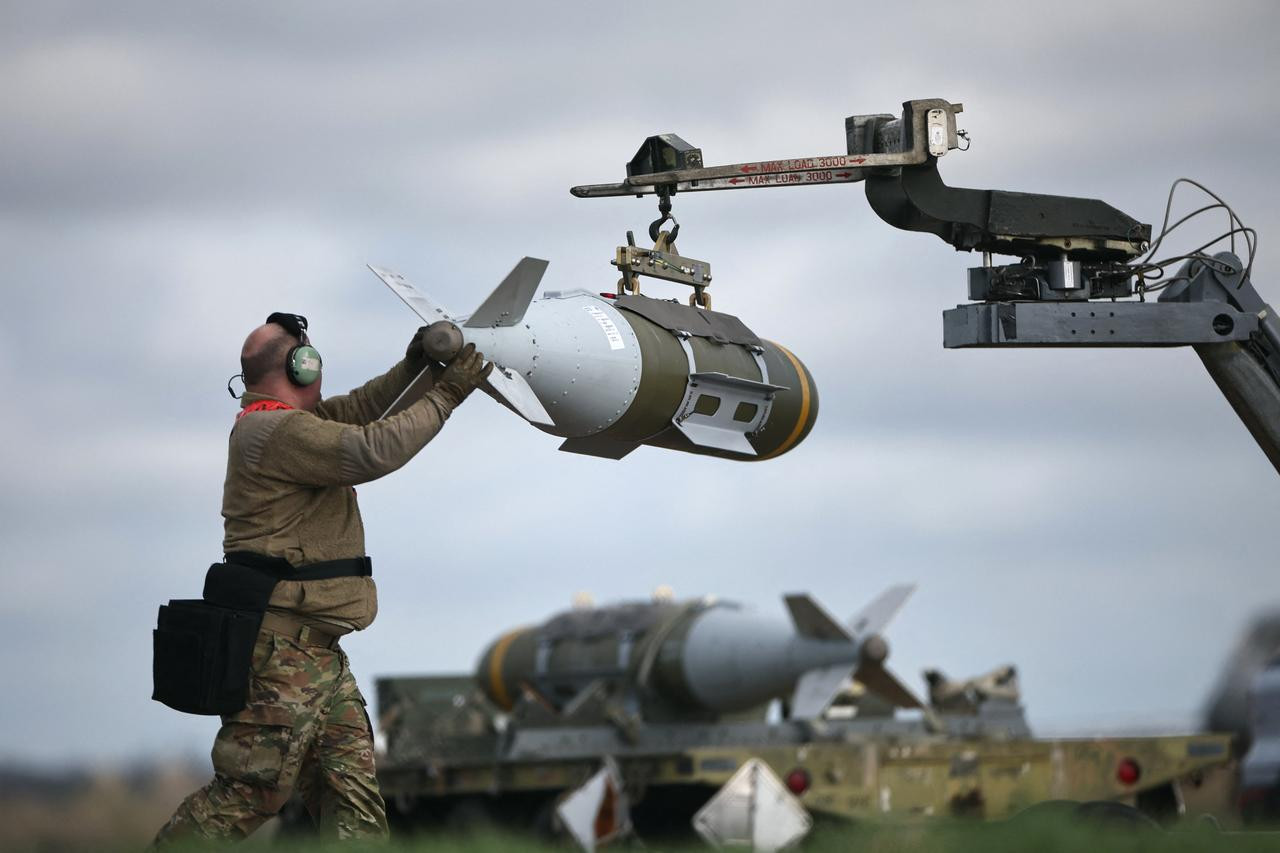
In the current context, differences in strategic priorities can become a serious challenge if allies fail to find common ground. This is also why this NATO summit is not just about discussing Ukraine, defense spending, or military capabilities. Behind all those issues lies a more fundamental question: Can NATO continue to maintain its unity as the world enters a phase of deeper competition and fragmentation?
The NATO summit in Ankara was not just a meeting to agree on new defense commitments, but also a moment for the alliance to answer a question about its identity and role in a changing world.
Over its more than 75 years of existence, NATO has repeatedly adjusted its role: from an alliance to counter the Soviet Union during the Cold War, to a crisis management organization in the post-Cold War era, and now facing a more complex strategic competitive environment where challenges come not only from military but also from technology, economics, energy, and cybersecurity.
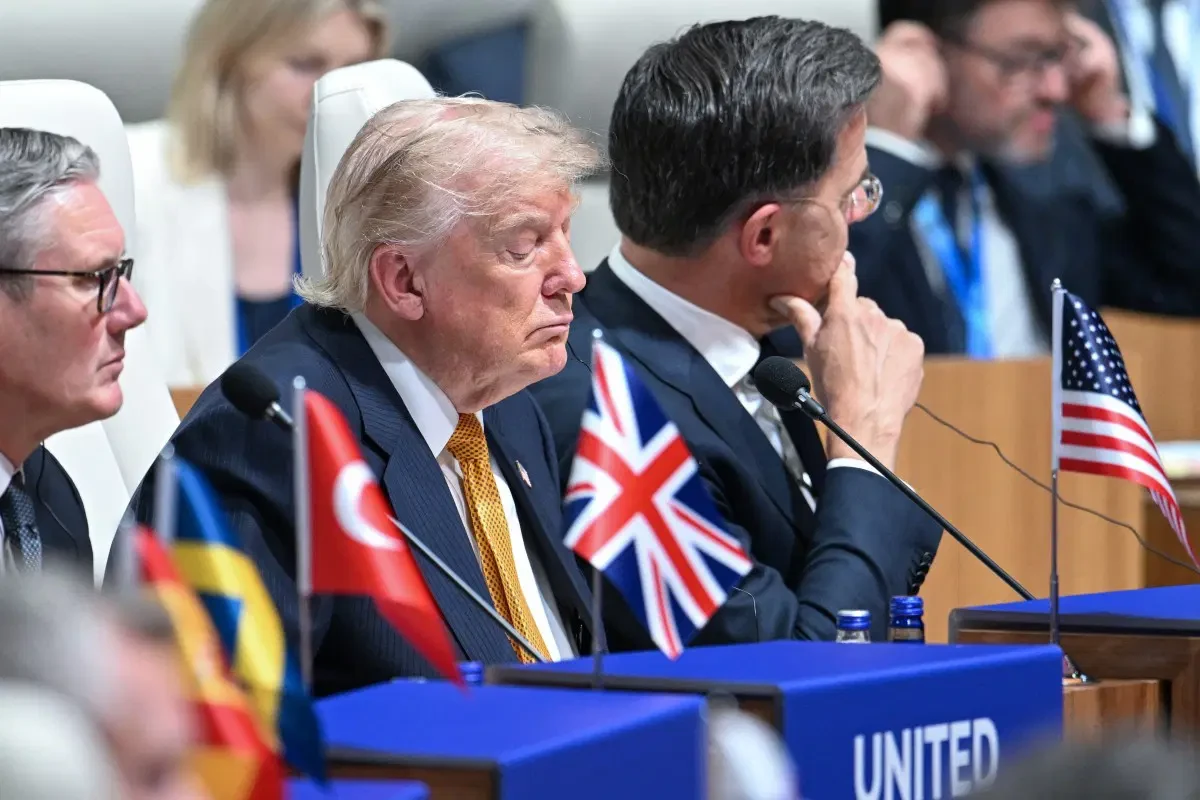
NATO's greatest challenge today is not just Russia, China, or regional hotspots, but also its ability to maintain internal unity. If the allies can achieve a new balance – in which the US continues to play a leading role, Europe assumes more responsibility, and the entire alliance builds the capacity to meet new challenges – NATO could enter a new phase of development, a NATO 3.0 version with a more balanced distribution of power and responsibility.
But if the gap between commitment and action continues to exist, if internal disagreements spiral out of control, NATO risks facing the biggest problem in its history: It is not a lack of strength, but a lack of unity to use that strength.
Because in a world entering a new phase of strategic competition, the future of NATO will not be decided solely by external rivals. It will be decided by how its allies choose to stand together.