
Traditional village customs in modern life
Amidst the daily changes of the new rural areas, many material values of the countryside have changed. Dirt roads have been replaced by wide concrete roads, and multi-story houses are gradually appearing alongside old tiled roofs. But some things remain enduring, like an invisible thread binding the community together. These are the neighborly bonds of mutual support, the customs and traditions preserved through generations, and the cultural heritage that shapes the identity of each rural area.
Thanh Nga /Present:Hong ToaiJune 17, 2026
*****
Amidst the daily changes of the new rural areas, many material values of the countryside have changed. Dirt roads have been replaced by wide concrete roads, and multi-story houses are gradually appearing alongside old tiled roofs. But some things remain enduring, like an invisible thread binding the community together. These are the neighborly bonds of mutual support, the customs and traditions preserved through generations, and the cultural heritage that shapes the identity of each rural area.
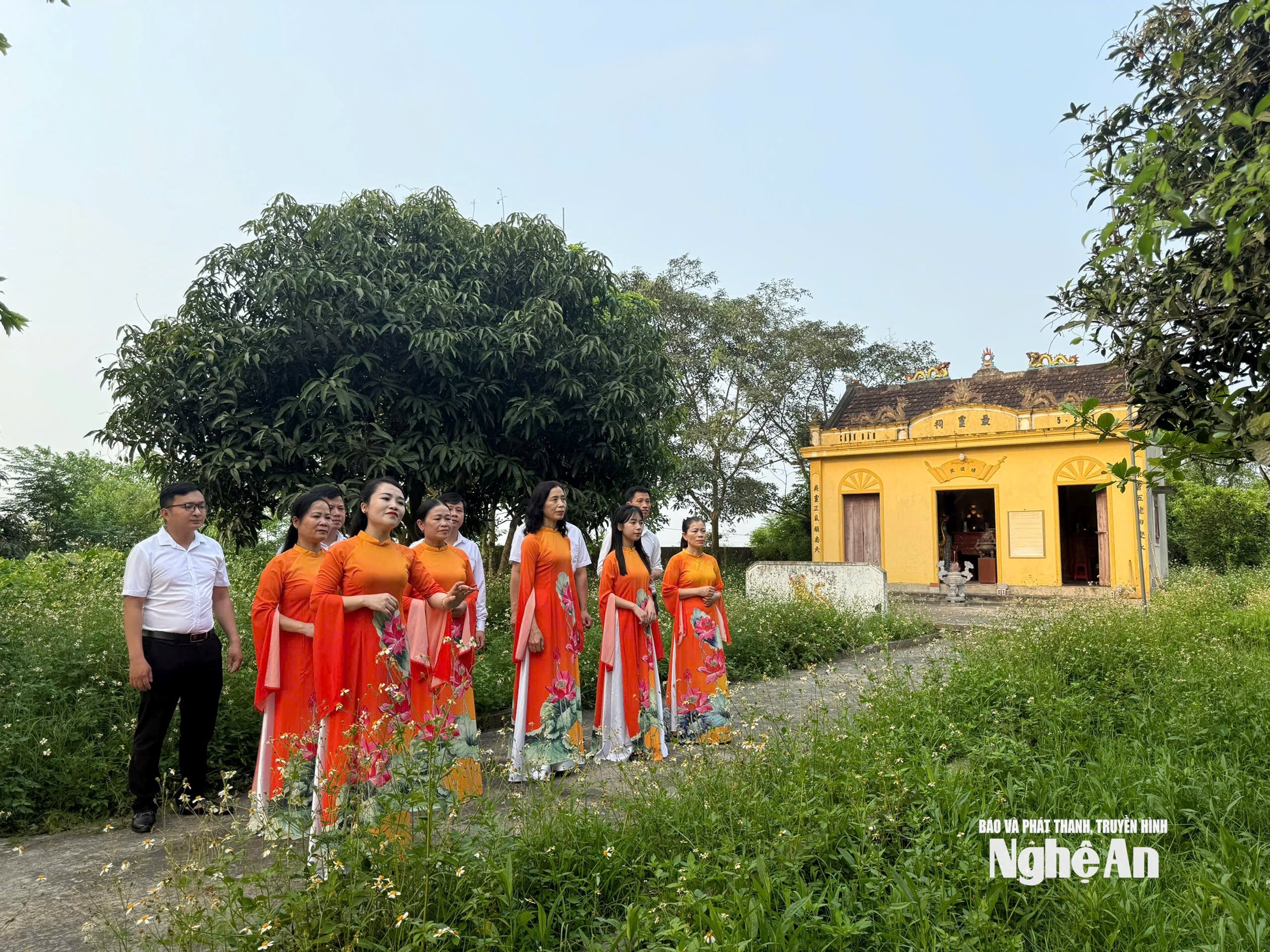
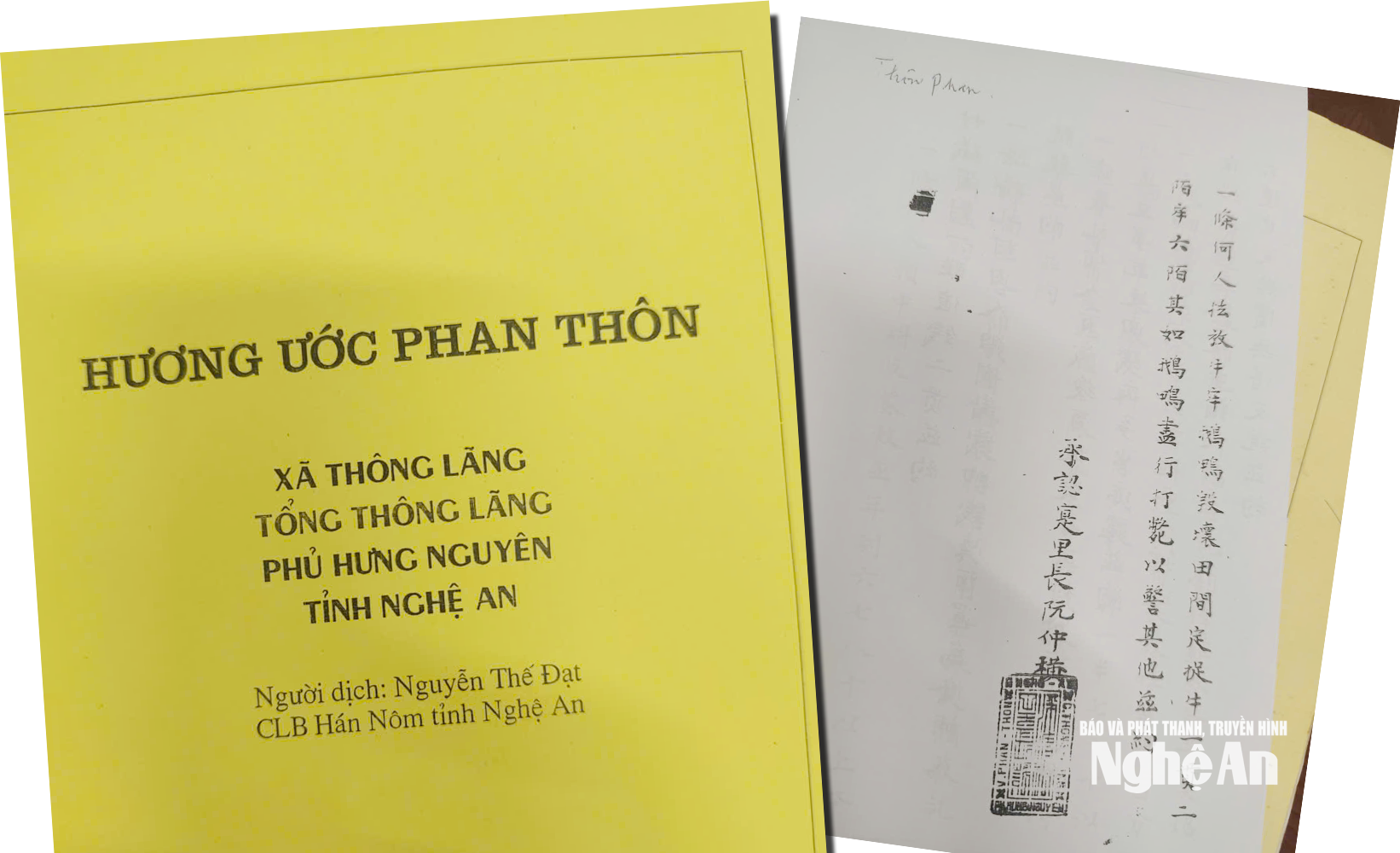
The ancient village of Phan, also known as Phan Thon, formerly part of Thong Tan commune, Hung Nguyen district (now Hung Nguyen Nam commune), has long been famous for its folk songs and melodies distilled from the working lives of its people.
But what sets Phan Thon apart is not just its folk songs and rhymes. Along with this folk song heritage is a village tradition nurtured over generations. The people here are known for their kindness and compassion. When a family faces misfortune, the whole village comes to help. Some contribute labor, others a small amount of money, and some simply offer words of encouragement and heartfelt support. From these small acts, kindness and compassion continue to grow, becoming a distinctive cultural characteristic of this place.
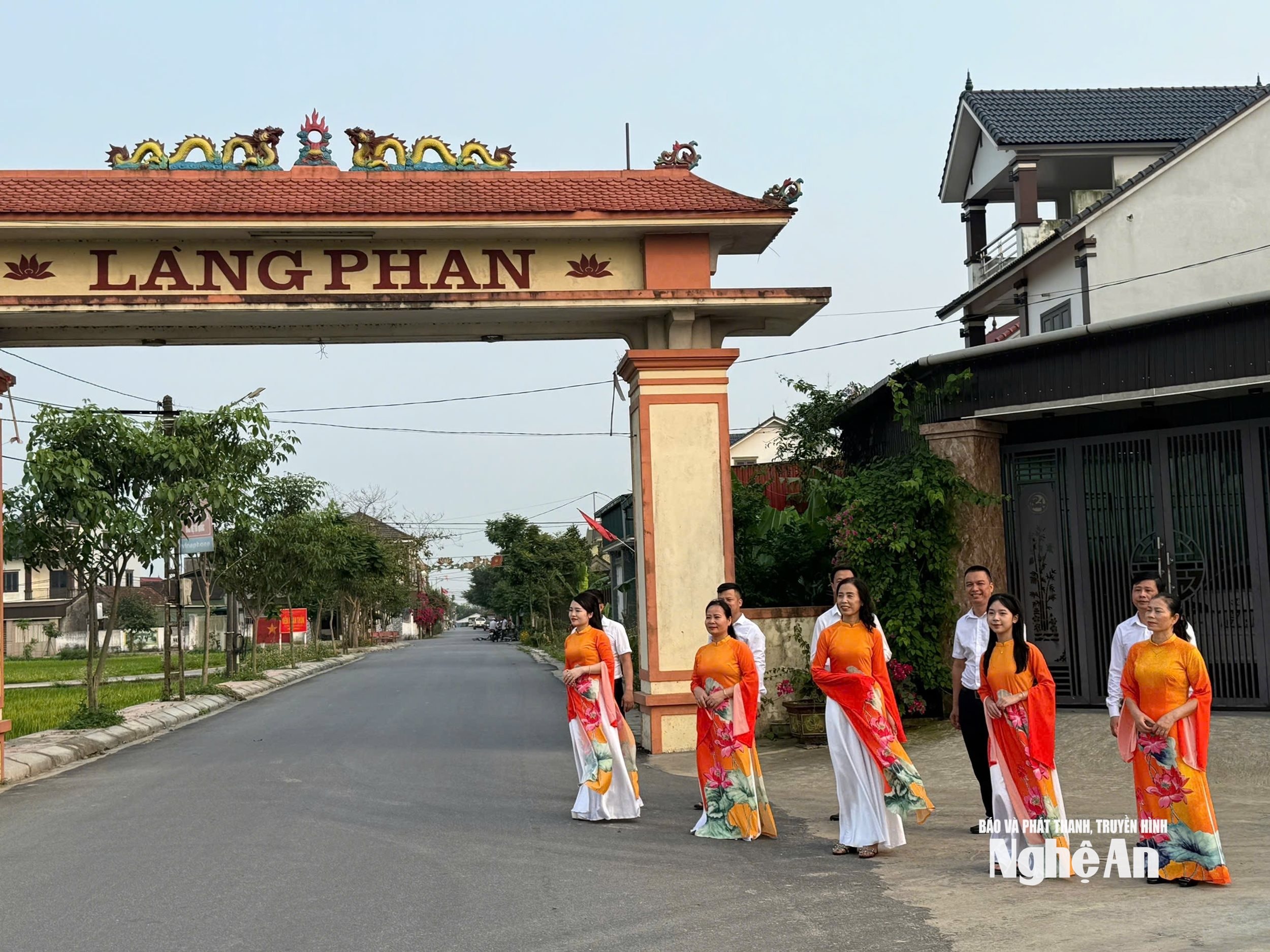
Perhaps that is why, despite experiencing many changes in life, the people of Phan village always remain devoted to their homeland. When asked why the people of Phan village love their village so much, many elders believe that the answer lies in the village's customs, established in the 19th century and still holding true today.
The village regulations contain seemingly simple rules, yet they embody the community's philosophy of life: No quarreling or conflict; husbands and wives must not raise their voices or fight; no destroying field boundaries or embankments; and no cutting down trees in the village. Violators are subject to the prescribed penalties.

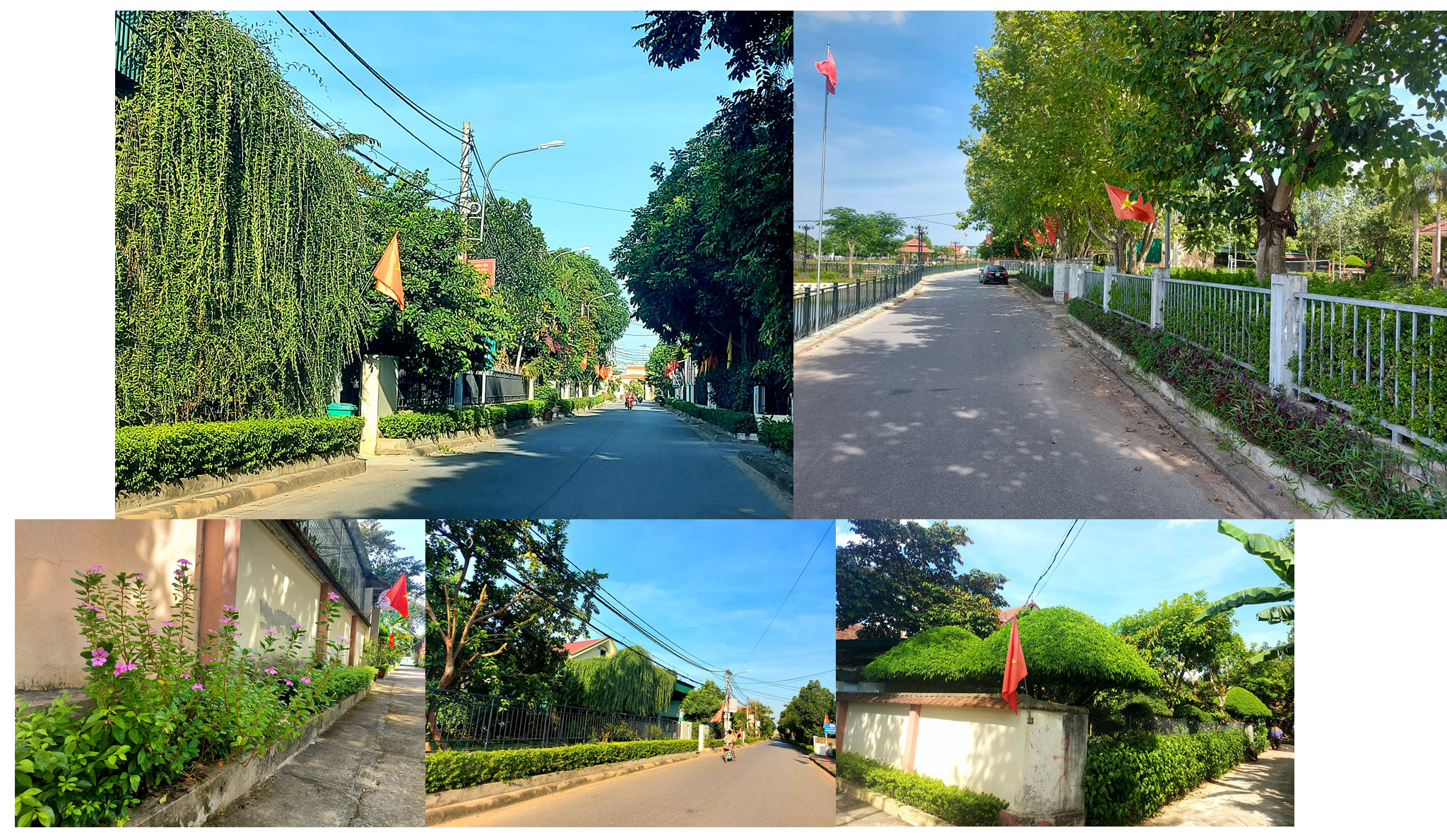
Today, although the rural landscape has changed considerably, the village traditions in Phan Thon remain almost intact. This is reflected in the spirit of "selling distant relatives, buying close neighbors"; the idea that one family's affairs are also the village's affairs. Mr. Nguyen Trong De, the village head of Phan Thon, said that mobilizing community resources in building advanced new rural areas has always received a positive response from the people. From funding for beautifying flag-lined roads and building seasonal flower-lined paths to purchasing equipment for the village's cultural center, the villagers have all voluntarily contributed.
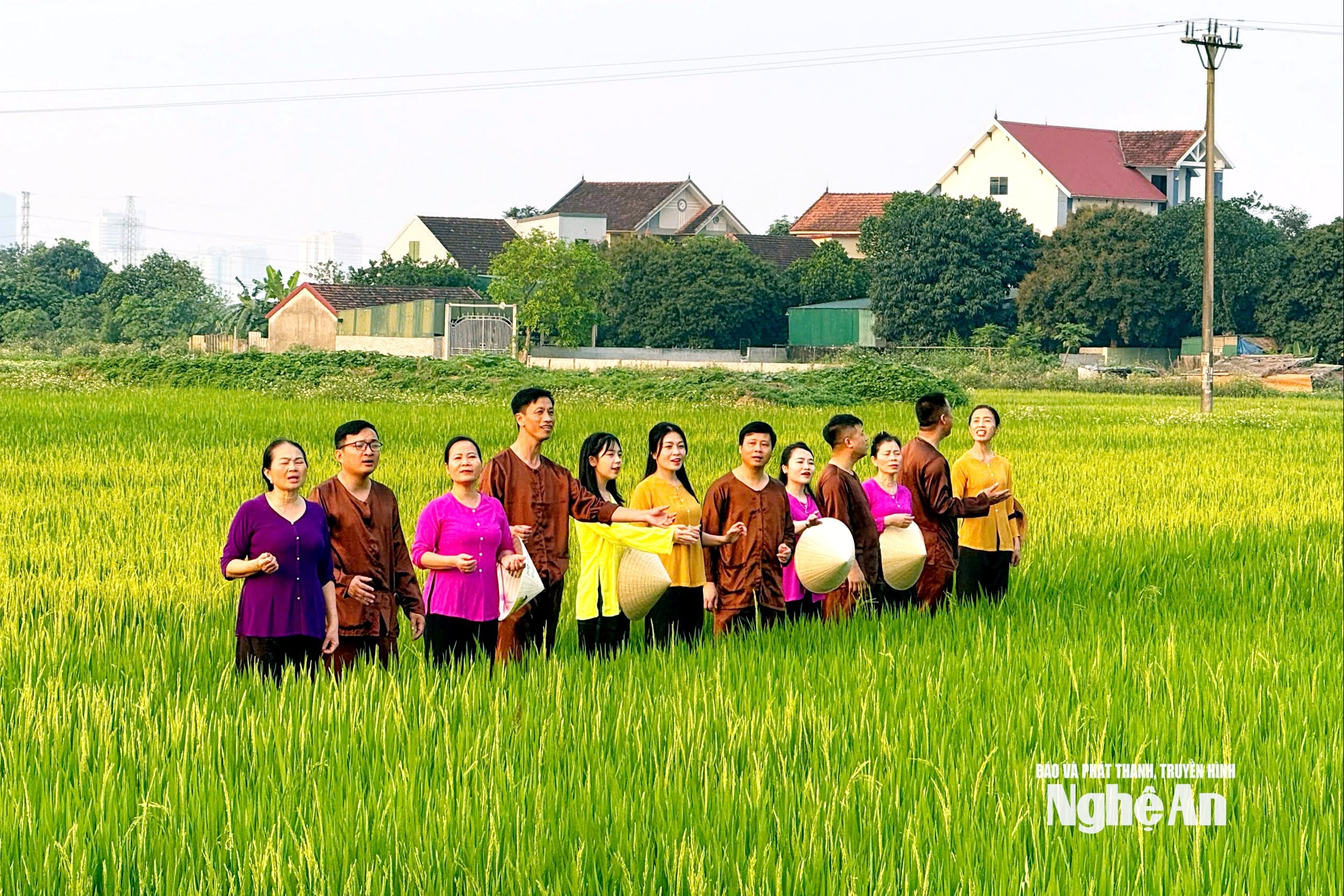
Continuing the same theme, Ms. Nguyen Thi Thuan, an Outstanding Artisan, Head of the Front Committee and Chairwoman of the Women's Association, stated that the people of Phan village are always proud of their homeland. This pride fosters a sense of responsibility towards the community. Therefore, from practicing performing arts and organizing volleyball tournaments to building sports fields, those who have left their hometown are always ready to contribute. In some cases, even families facing difficulties have had their expenses covered by others to alleviate the financial burden.
Besides preserving the spirit of mutual support and compassion, Phan village also pays special attention to preserving and promoting the folk songs of Ví and Giặm. Instead of preserving them in the traditional way, the people here choose to spread the heritage through digital technology and online platforms to make it easier for the younger generation to access. According to Ms. Thuan, there are club activities where three generations of a family participate together. In one family, the great-grandmother sings the song "Ten Virtues of Parents" with her great-grandchildren. These images make the transmission of heritage more natural and vibrant than ever before.
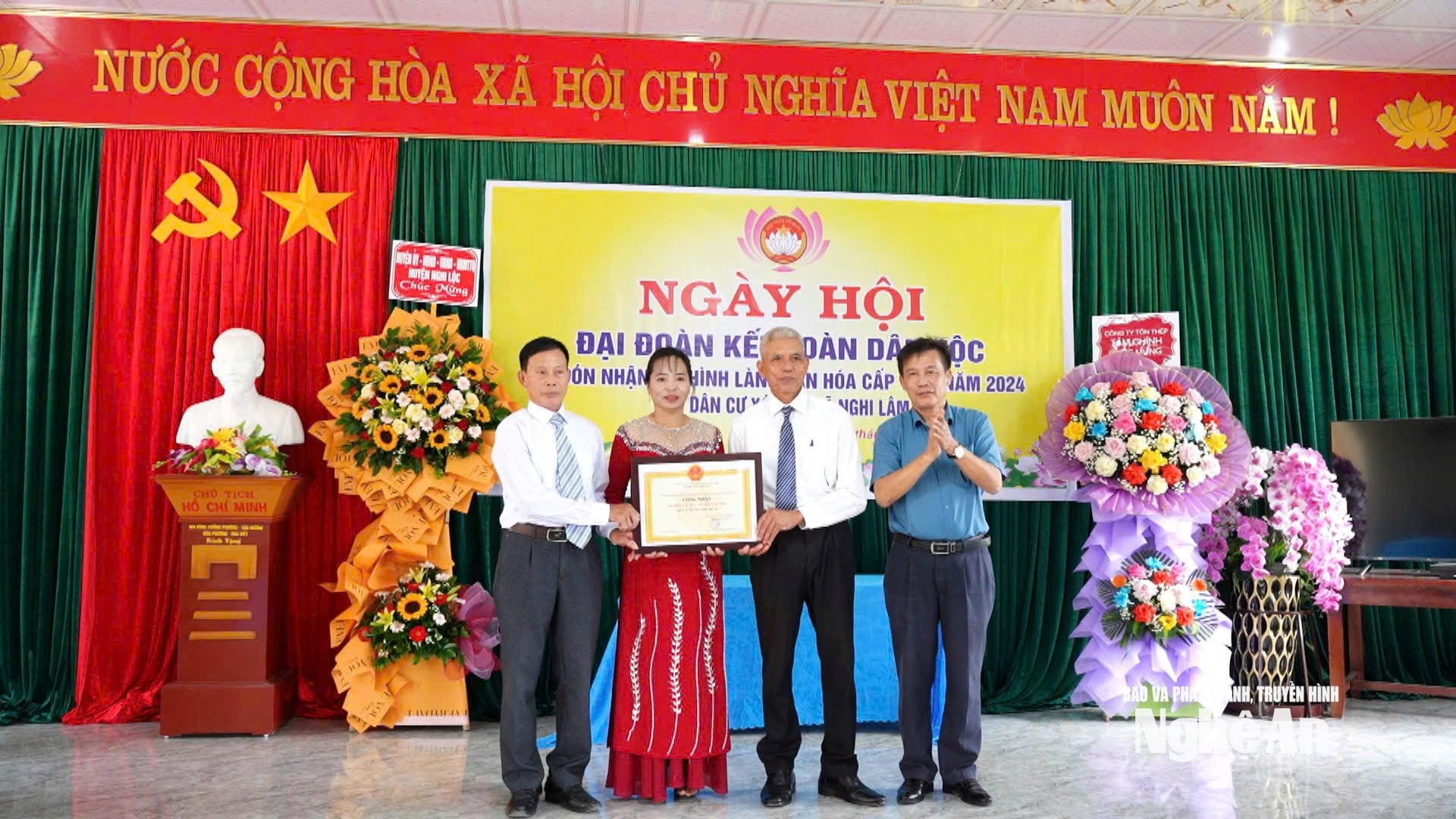
While Phan village preserves its traditions through folk songs and community spirit, Hamlet 9 Nghi Lam, Phuc Loc commune, demonstrates a different approach: a harmonious blend of tradition and modernity. This is one of the leading residential areas in building a smart village model. But what's noteworthy is that technology doesn't diminish the village's traditions; on the contrary, it contributes to strengthening the existing community values.
Village head Nguyen Thi Lam said that the locality always prioritizes the early, synchronized, and effective implementation of various movements. “Therefore, when the security camera system was installed, people's awareness changed significantly. Everyone voluntarily disposed of waste in designated areas and separated organic and inorganic waste before taking it to collection points. Scenes of disorderly gatherings at intersections have almost disappeared. But what makes Village 9 Nghi Lam unique is not just the camera system or the smart village model. The greatest value remains the community spirit preserved by the people,” Ms. Lam said.
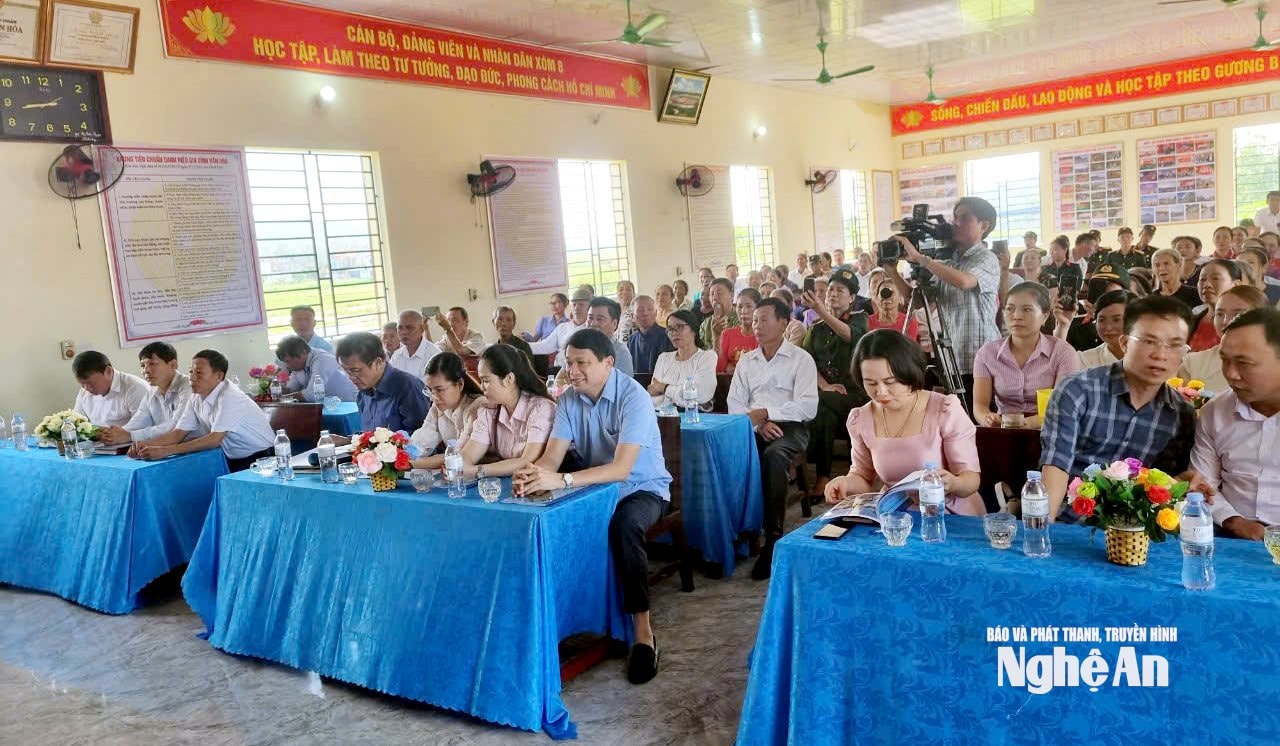
According to Ms. Nguyen Thi Lam, the village tradition here is not only about adhering to general regulations but also about the unity of the people in all matters concerning the hamlet. In funerals and weddings, people in the neighborhood group all have a responsibility to participate. Therefore, when a family faces difficulties, the entire community proactively shares the burden.
Mrs. Lam recounted a story that happened about a year ago. A family in the neighborhood had a wife suffering from a serious illness requiring long-term treatment. Meanwhile, their shallot crop was ready for harvest, and if not harvested in time, it would rot. Without being asked, the villagers took turns pulling up the shallots, harvesting them, and bagging them to sell to traders. Thanks to this, the family had an additional source of funds to cover medical expenses during their most difficult time.
Such practices might be considered normal in Hamlet 9, Nghi Lam, but they are not easy to maintain in today's modern society. Perhaps that is why this locality has been recognized twice as an exemplary cultural village.
In the future, with the merger of villages and hamlets, the area will be larger and the population will increase, so the village regulations will certainly be adjusted to suit the new conditions. However, what the people here wish to preserve is the spirit of the village traditions that have been nurtured over many generations.
Looking at the stories of Phan village, Hung Nguyen Nam commune, or Nghi Lam hamlet 9, Phuc Loc commune, we can see that although village customs are constantly changing, core values such as human kindness and the spirit of sharing are always preserved.
.png)
Mr. Nguyen Trong Tam, Chief of the Party Committee Office of Hung Nguyen Nam commune, said that in recent years, many graduates and skilled workers have returned to Phan village to live and work. They bring with them new knowledge and new ways of doing things, but still preserve the village traditions of their ancestors. Thanks to this, the old village regulations are not only preserved but also supplemented to suit modern life, such as not letting funerals last more than 24 hours, not holding weddings after 10 PM, and keeping noise levels moderate to ensure civility. Especially during village festivals, the younger generation is always the pioneer in preparing feasts and organizing community activities. These seemingly small actions demonstrate the enduring vitality of the village traditions in the modern era.
In fact, many localities in Nghe An are striving to build civilized communities based on traditional values. Kim Lien commune is a prime example.
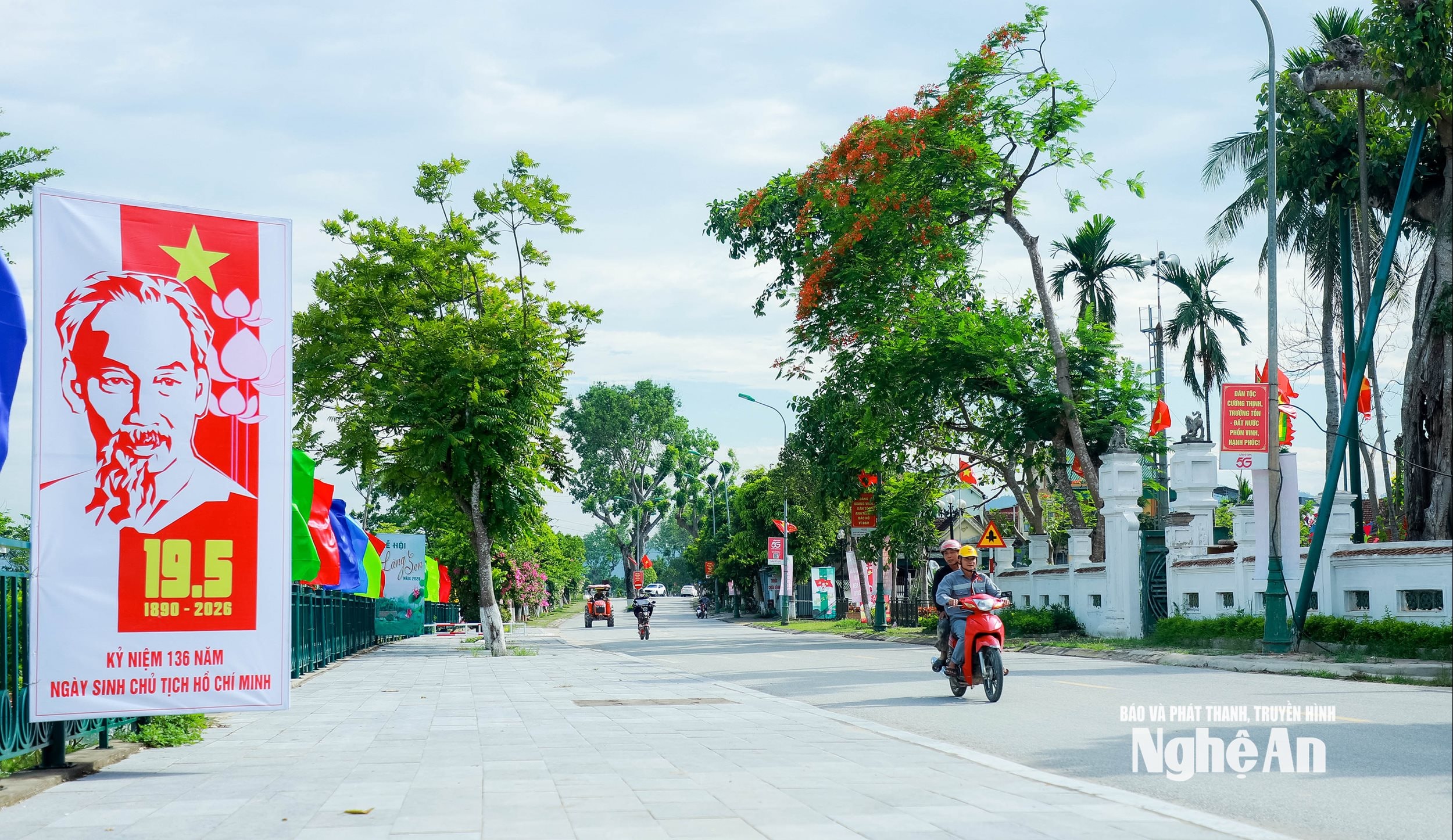
Mr. Le Van Hop, Vice Chairman of the Kim Lien Commune People's Committee, believes that without continuously building model cultural spaces and creating practical movements in each residential area, it will be difficult for people to maintain their enthusiasm and responsibility in participating in community activities. What Kim Lien particularly emphasizes is educating the younger generation about their awareness and responsibility towards their homeland.
As the birthplace of President Ho Chi Minh, this place always aims to cultivate a spirit of gratitude, pride, and a sense of preserving traditions in young people from an early age. "In Kim Lien, the birthplace of Uncle Ho, we always hope that the children and young people, before leaving the village gates, will carry with them a spirit of gratitude and the awareness that they are children of Uncle Ho's homeland," shared Mr. Le Van Hop.
Speaking about preserving village traditions, cultural expert and Doctor Nguyen Thi Minh Ly, a member of the National Council for Cultural Heritage and former Deputy Director of the Department of Cultural Heritage, once stated that village traditions are a special form of cultural heritage. Once deeply rooted in community life, they are very difficult to erase. However, for village traditions to continue to thrive, it is necessary to boldly eliminate conservative and outdated elements and selectively adopt the best aspects of the modern era. This is also the path that many villages in Nghe An are choosing: not being confined to the past, but also not losing their traditional customs.


