Society

The centuries-old charm of the temple dedicated to Duke Dinh Bat Tuy.

Annam December 14, 2024 09:51

Having existed for hundreds of years, and undergoing numerous restorations and renovations, the temple dedicated to Duke Dinh Bat Tuy in Hung Trung commune (Hung Nguyen district) possesses an ancient and majestic beauty.
bna_1..jpg
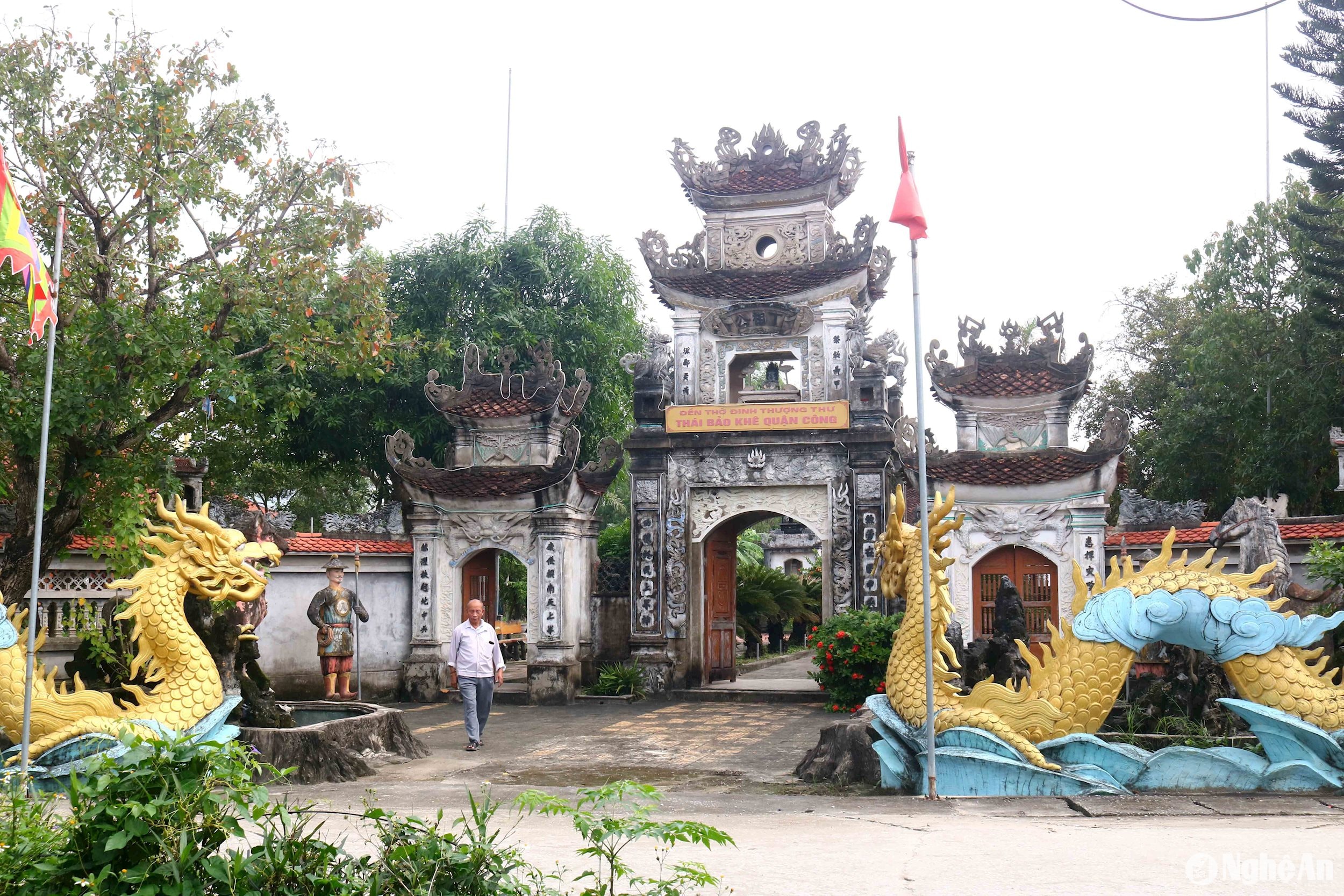
Đinh Bạt Tụy (1516 - 1589), from Bùi Ngọa village, Bùi Khổng commune (Hưng Trung commune), was one of the "renowned and virtuous generals" of the Lê dynasty. His contributions to protecting the nation and ensuring the people's well-being are recognized in history as "the foremost meritorious official." After his death, the Lê dynasty established a temple in his hometown. Over the centuries, the temple has undergone numerous renovations and restorations. Currently, the temple grounds cover an area of ​​10,000 square meters.2The main structures include: the triple-arched gate, the ceremonial gate, the three lower, middle, and upper halls, the stele house, the waiting house, etc. Photo: Huy Thu
bna_2..jpg
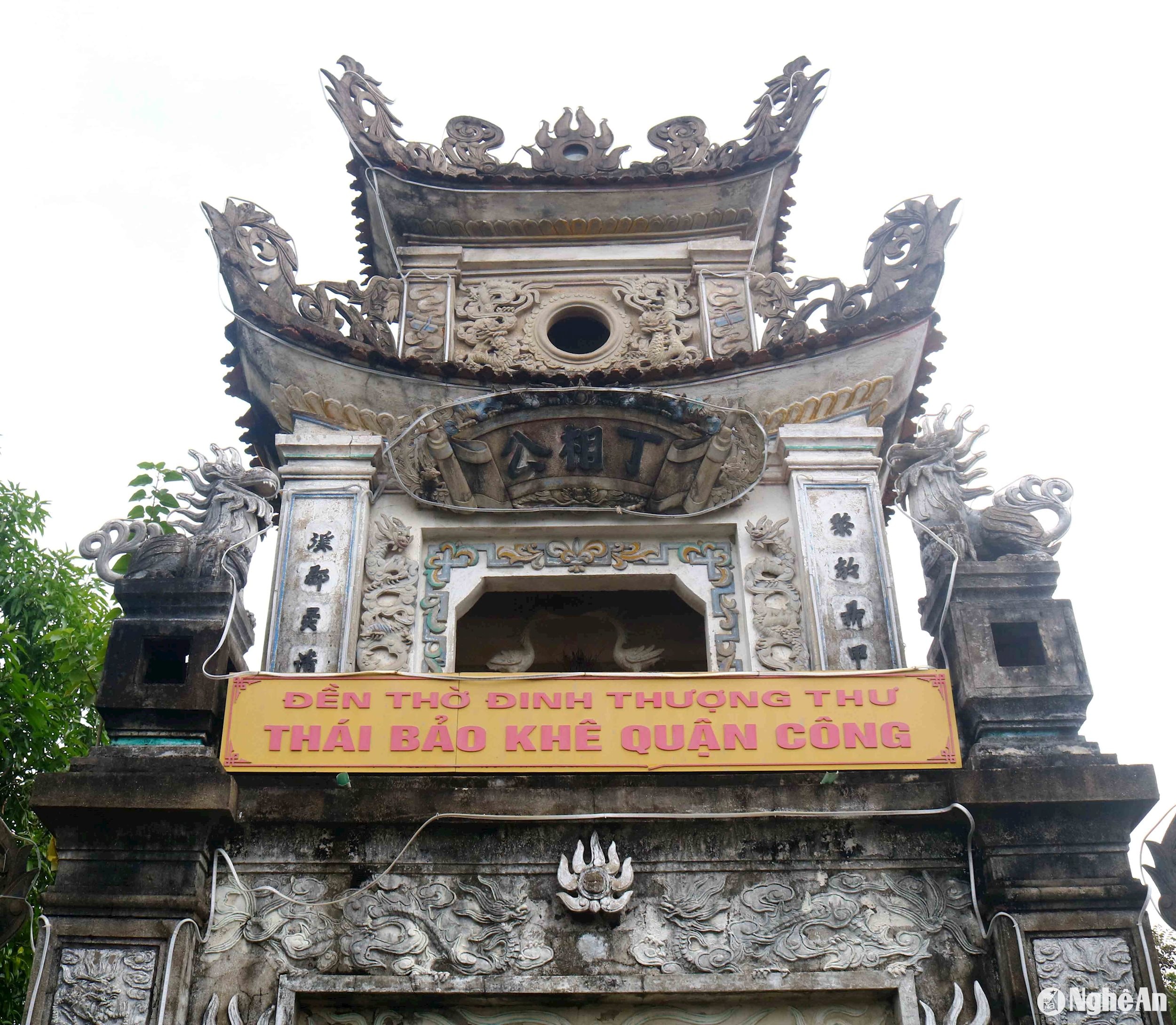
The temple's triple-arched gate was built a long time ago, and during the restoration in 1991, it acquired its current architectural style. The gate has three entrances. The main gate in the middle is three stories high and elaborately decorated with vividly sculpted images of dragons, mythical creatures, flowers, and leaves. In the photo: Front view of the upper part of the main gate. Photo: Huy Thu
bna_3(1).jpg
Each floor features a different style of gate (arched, hexagonal, or round). The three-arched gate has a curved tiled roof with pointed eaves. Both sides of the gate are adorned with stepped pillars and decorated with couplets in Chinese characters. In the photo: The back of the upper part of the main gate. Photo: Huy Thu
bna_4..jpg
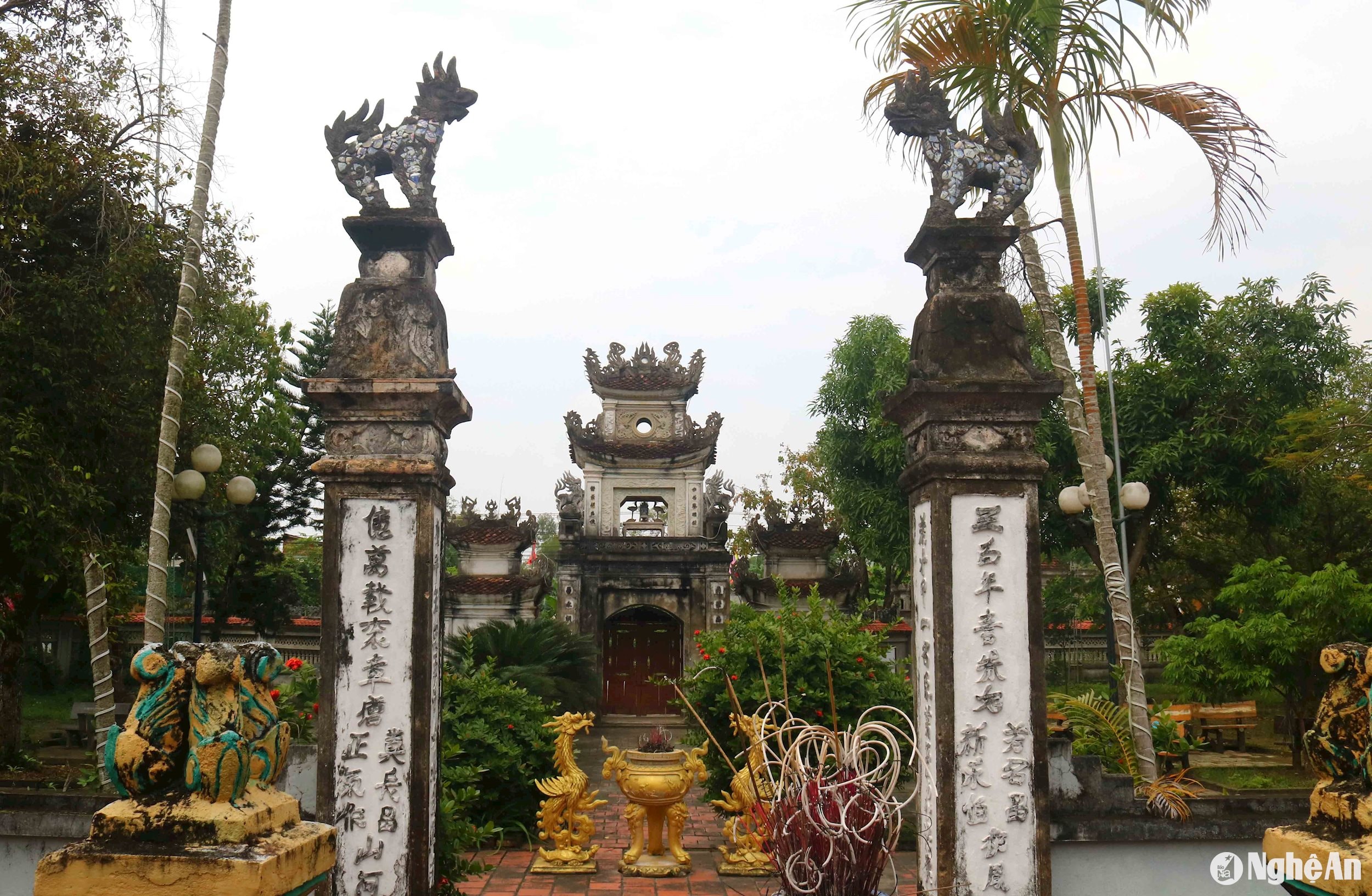
Beyond the triple-arched gate, directly in front of the lower courtyard, is the ceremonial gate with two stepped pillars topped with two mythical creatures (Nghê) facing each other, made of lime mortar and ceramic fragments. The architectural space of the temple, from front to back, is arranged symmetrically and harmoniously. Photo: Huy Thư
bna_5(1).jpg
The lower hall of the temple and the stele house are structures with unique designs. The front of the lower hall is built with walls and arched doorways, decorated with images of scrolls, two dragons facing the moon, carp, etc. The doorways are bordered by stylized pillars inscribed with Chinese characters and statues of mythical creatures. The stele house, located to the right of the lower hall, is built like a palanquin with four doors opening to four sides. (Photo: Huy Thư)
bna_6(1).jpg
Inside the stele house is an exquisitely carved stone stele. Mr. Dinh Bat Trang, a member of the Monument Management Board, said: "This is an ancient stele that has existed for a long time. The inscription, written in Chinese characters, recounts the life, career, and achievements of Minister and Duke Dinh Bat Tuy." (Photo: Huy Thu)
bna_7(2).jpg
Despite numerous restorations and renovations, the temples retain their original architecture. The main hall is a two-story, eight-roofed structure. Some of the wooden structures on the temple's frame are beautifully carved. Photo: Huy Thư
bna_8.jpg
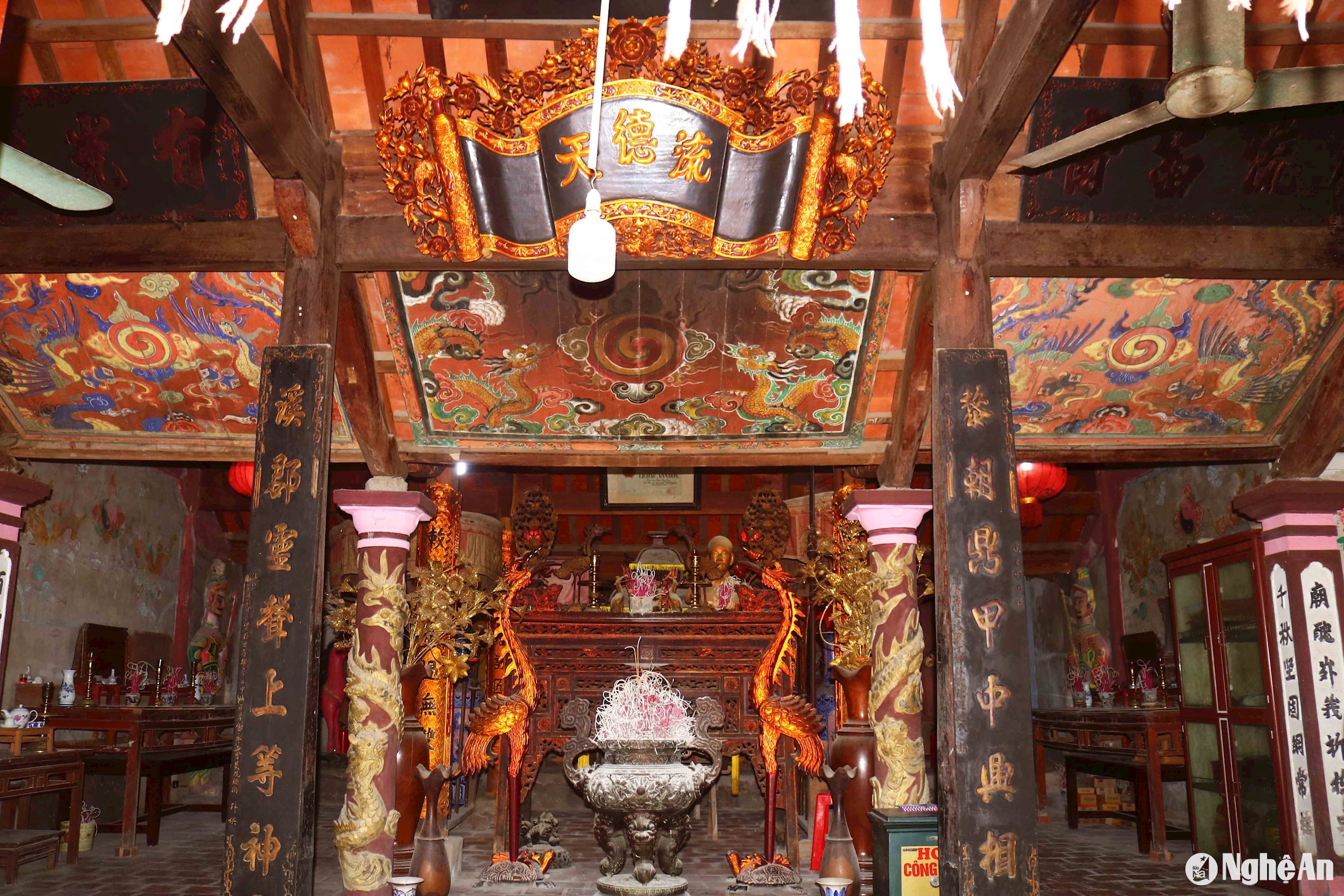
The rear of the lower hall connects to the middle hall, creating a majestic worship space. The two pillars behind the central section of the lower hall are adorned with bas-reliefs of coiled dragons. Ancient couplets hang above the pillars. The roof is decorated with beautiful paintings of dragons and phoenixes. Photo: Huy Thu
bna_9.jpg
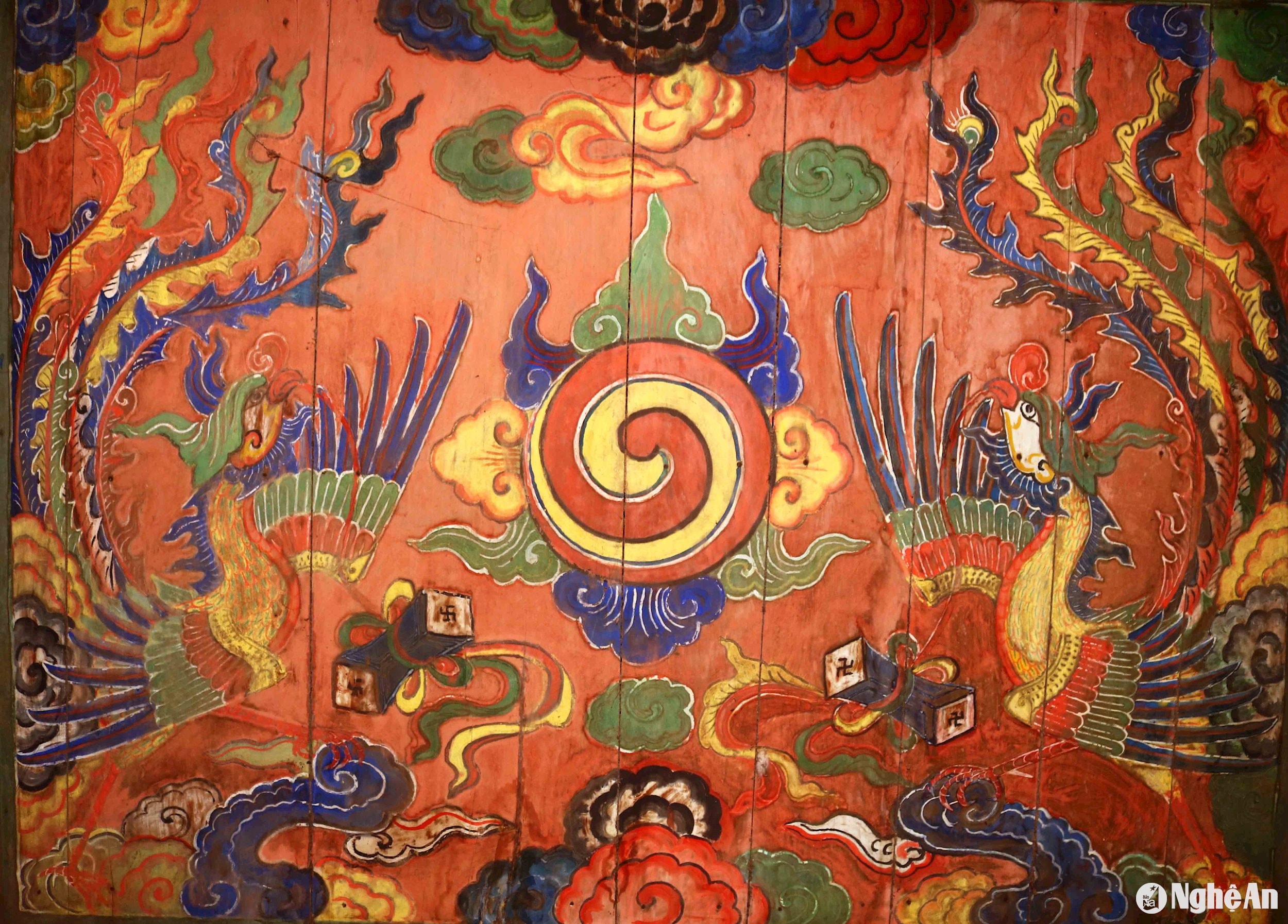
The painting of the phoenix, with its sharp yet delicate brushstrokes, retains its vibrant colors even after a hundred years. Photo: Huy Thu
bna_10.jpg
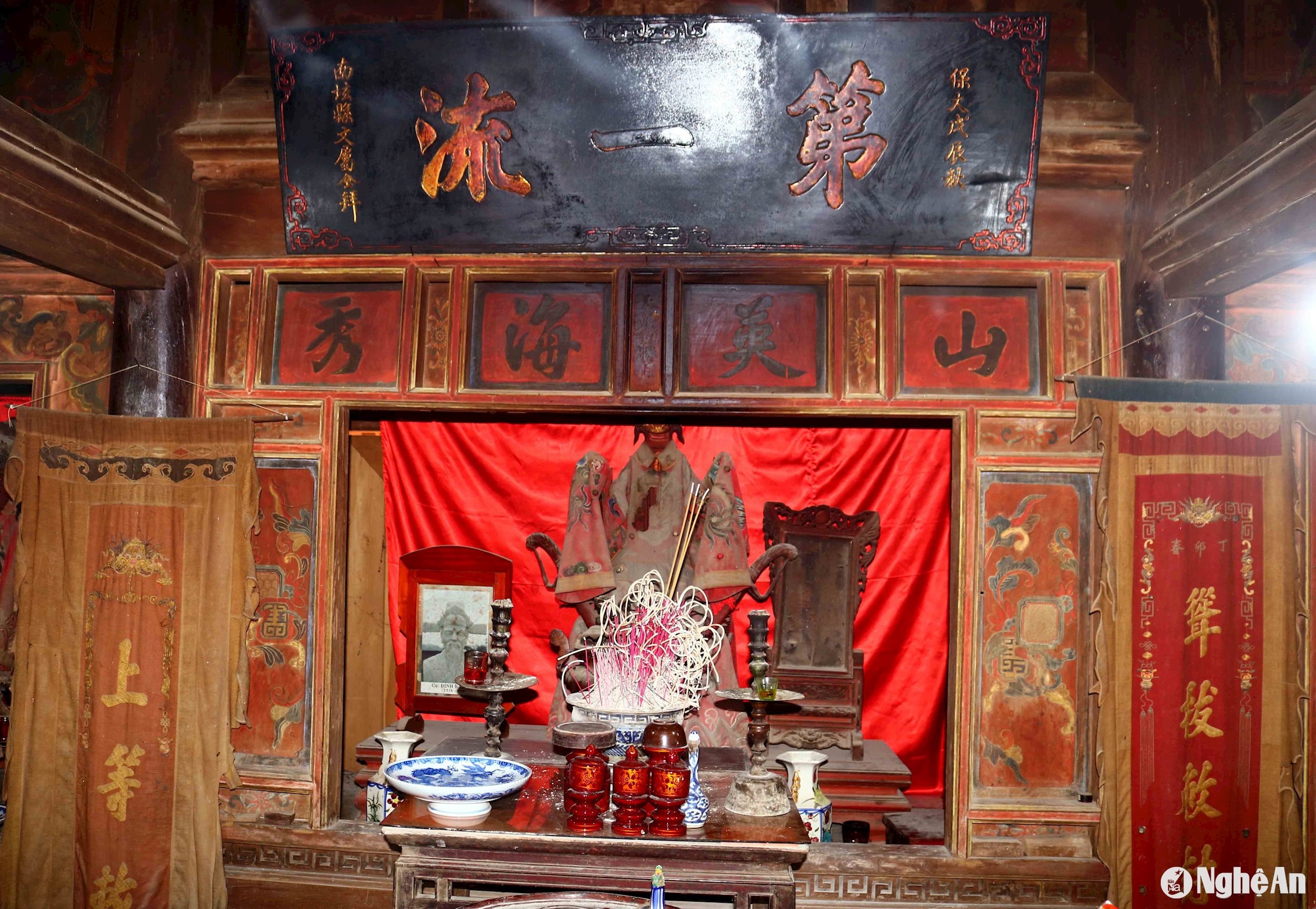
The main hall of the temple is arranged with three altars: in the center is the altar of the Minister and Duke Dinh Bat Tuy; on either side are altars for his children and grandchildren. Many ancient banners and calligraphic inscriptions, stained with the passage of time, are hung here. Photo: Huy Thu
bna_11.jpg
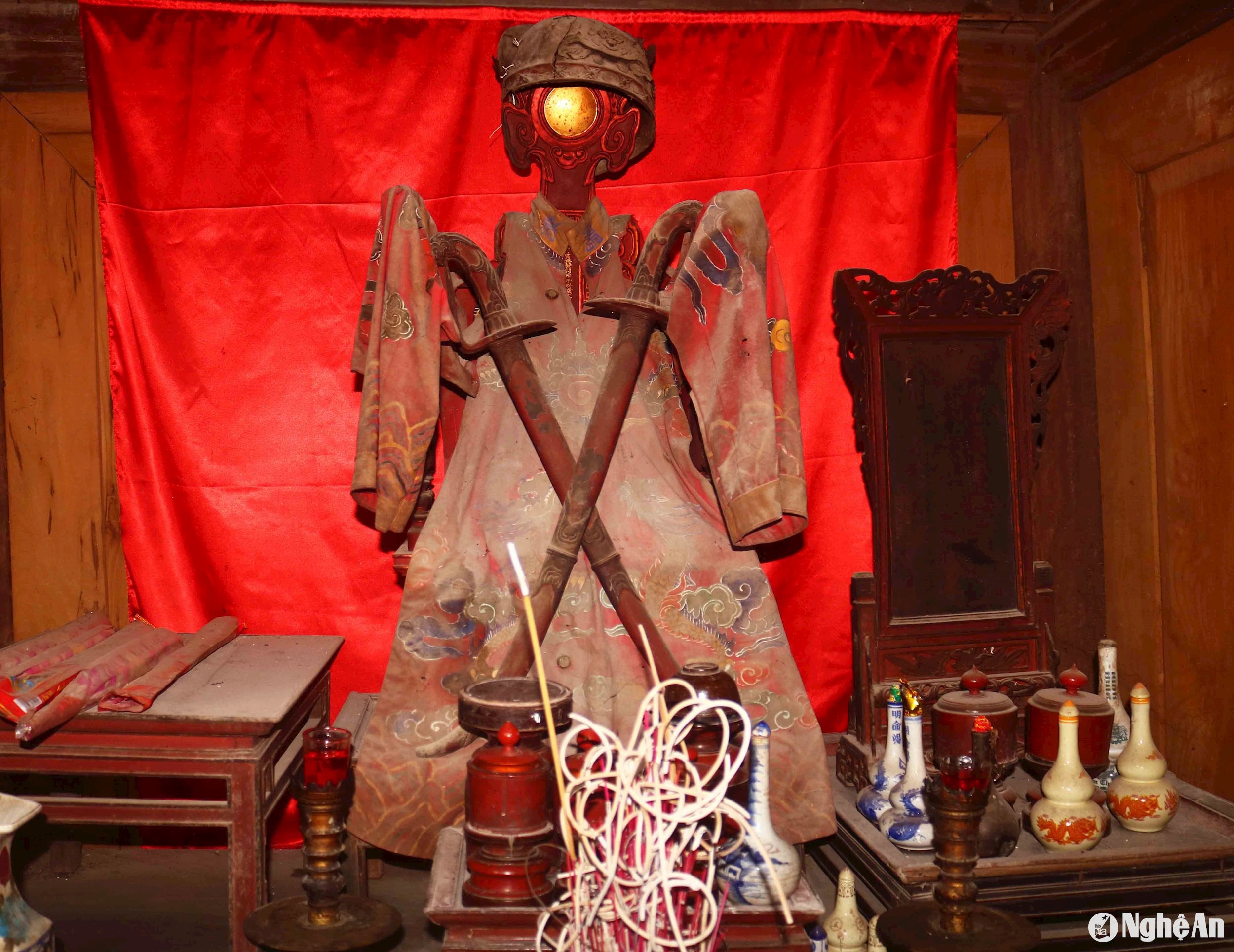
Having existed for hundreds of years, the temple still preserves many ancient ritual objects, such as incense burners, dragon thrones, ancestral tablets, large couplets, mirror stands, robes, hats, swords... along with 37 royal decrees granted by various Vietnamese feudal dynasties. The temple was classified as a National Historical Monument in 1991. Every year, the temple holds two major festivals: the 17th day of the 4th lunar month, the anniversary of the death of Duke Dinh Bat Tuy, and the 11th day of the 2nd lunar month, the Spring Festival of Dinh. Photo: Huy Thu
The beauty inside the temple of Duke Dinh Bat Tuy. Video: Huy Thu
0 0 0
x
The centuries-old charm of the temple dedicated to Duke Dinh Bat Tuy.
Google News
POWERED BYFREECMS- A PRODUCT OFNEKO