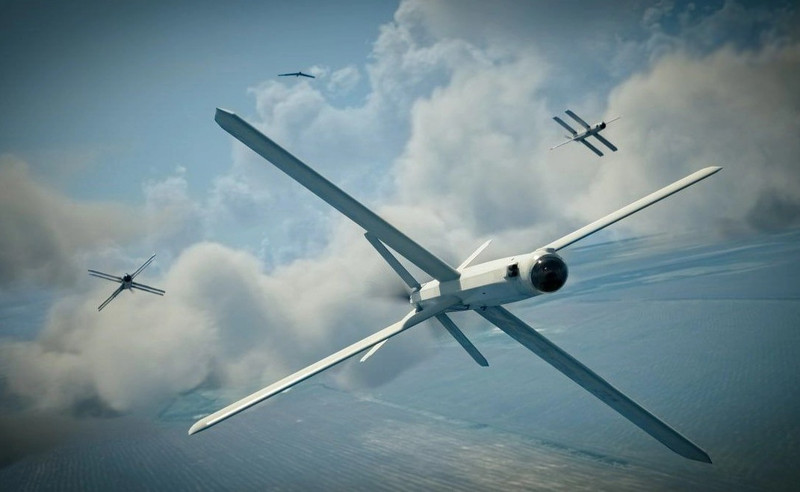
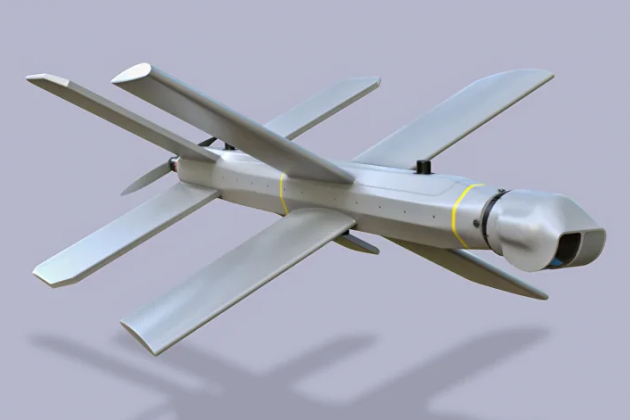
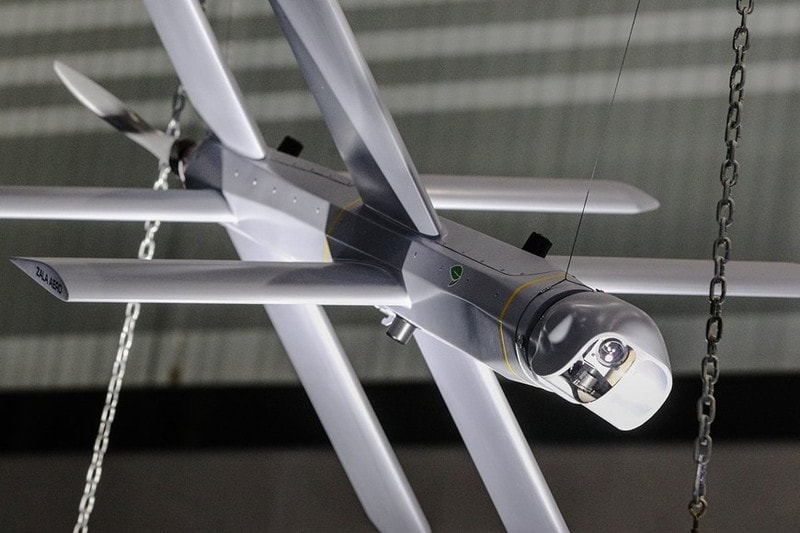
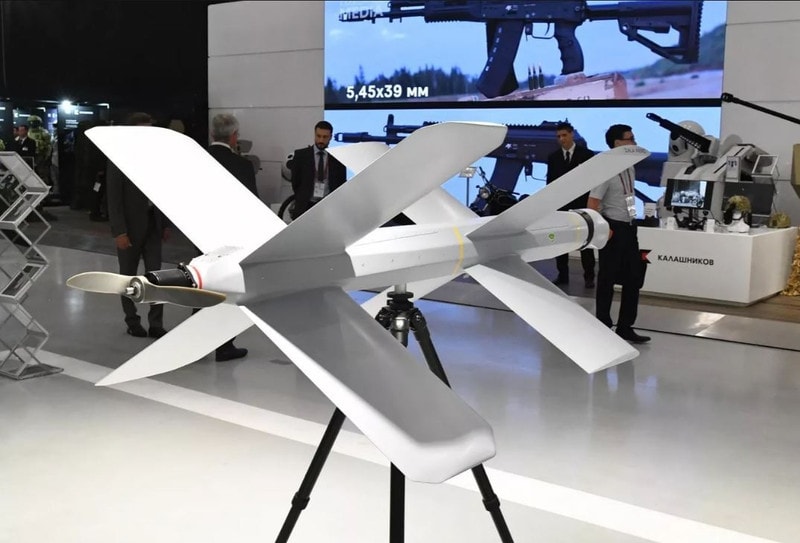
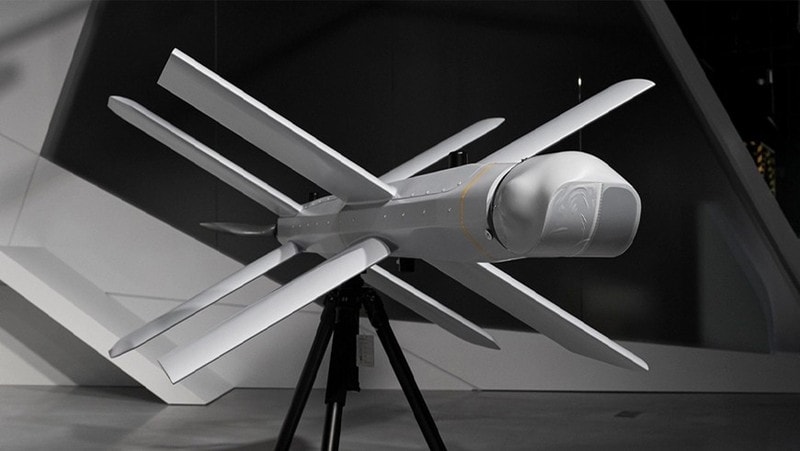
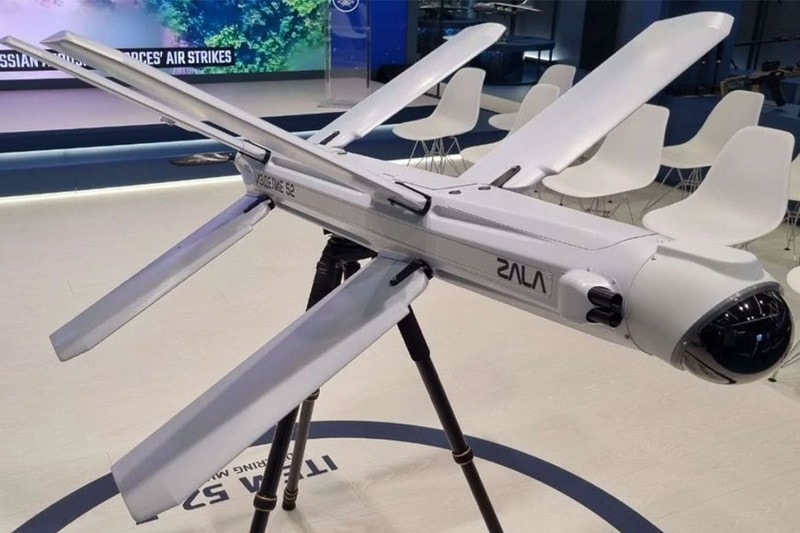
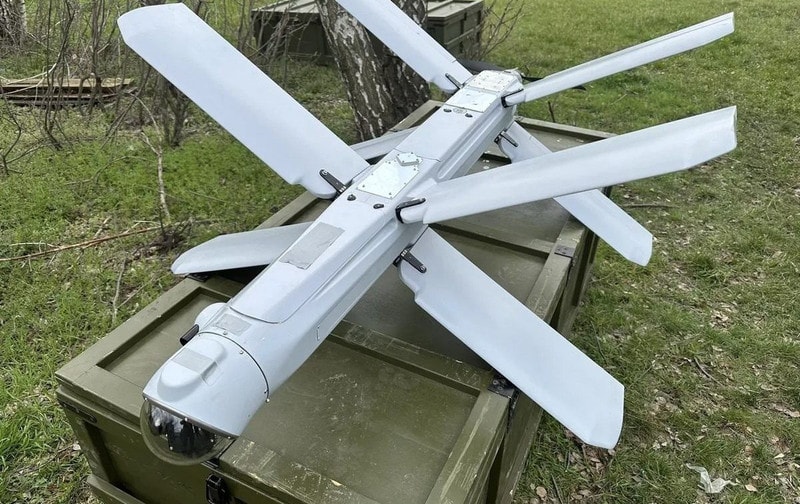
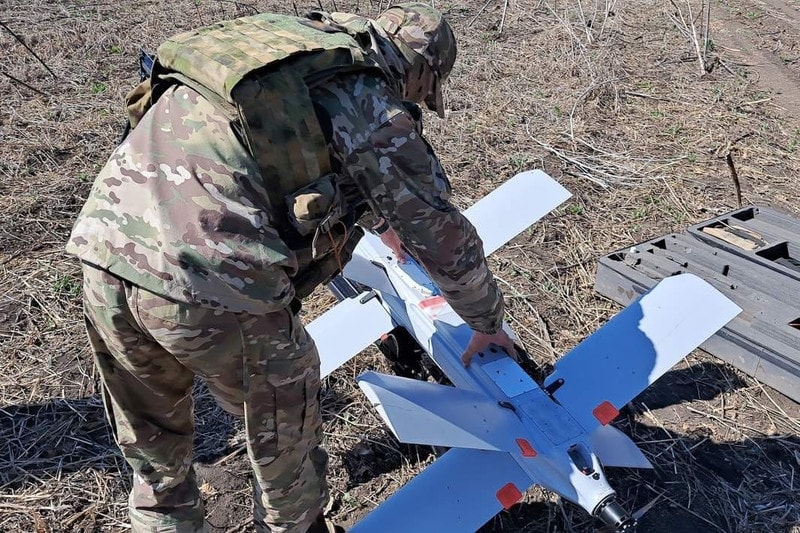
Russia and India are negotiating to localize the production of the Lancet UAV.
Rostec is negotiating to manufacture Lancet UAVs in India; Vladimir Putin emphasizes technology transfer; ISW suggests cooperation could expand to FPV UAVs.
Russia and India are negotiating the joint production of unmanned aerial vehicles (UAVs), focusing on the Lancet cruise missile. According to Rostec, the production facility could be located in India, while Russian President Vladimir Putin has emphasized a shift from arms sales to technology transfer. The Institute for the Study of War (ISW) assesses this as a step towards strengthening military-technical cooperation, potentially expanding to FPV UAVs.
- Rostec announced talks to establish a manufacturing base for UAVs, particularly the Lancet, in India.
- Russian President Vladimir Putin affirmed that technology transfer is a priority in cooperation with India.
- ISW believes that cooperation could expand to include FPV UAVs and serve Moscow's operational objectives in Ukraine.
- A delegation from the Smolensk FPV Drone Control Center has arrived in India as part of a strategic partnership.
- ISW links this process to the statement by First Deputy Prime Minister Denis Manturov regarding the acceptance of Indian workers for joint ventures.
Overview
ISW, based in the United States, notes a series of recent statements from Russian leaders indicating a deeper level of military-technical cooperation with India. The focus is on joint production of UAVs, including the Lancet cruise missile. This move comes as Russia seeks to expand cooperation from supplying finished products to joint ventures and technology transfer.
Statement and scope of cooperation
The CEO of the state-owned technology corporation Rostec, Sergey Chemezov, said that talks are underway to establish a production base for Russian UAVs, particularly the Lancet, in India. He stated: “The Indian side has shown great interest in Russian UAVs, especially the Lancet. And they are willing, among other things, to manufacture them at Indian facilities.”
In an interview with India Today magazine on December 4th, Russian President Vladimir Putin emphasized the direction of cooperation: “Russia is not only selling military equipment to India but also sharing shipbuilding, missile manufacturing, and aircraft production technologies.” According to ISW, this signals a technology-prioritizing approach, thereby localizing and upgrading the defense industry capabilities of its partners.
Technical and implementation aspects
The Lancet is mentioned in the source as a cruise missile, belonging to the group of UAVs that perform attack missions using a loitering method. ISW assesses that current collaborative initiatives signal the possibility of expanding to other UAV types, including FPV UAVs. According to ISW, Moscow may intend to use these platforms in the conflict in Ukraine, in exchange for access to India's market and technology.
At the same time, a delegation from the Smolensk FPV Drone Control Center arrived in India to carry out tasks within the framework of the strategic partnership. This development shows that cooperation is not limited to the policy level but has led to concrete technical exchanges and coordination between the UAV operators and their Indian partners.
Human resources and joint ventures
ISW linked the cooperation process with the statement by First Deputy Prime Minister Denis Manturov regarding Russia's readiness to accept an "unlimited number of Indian workers." According to ISW, this workforce could support joint ventures in the UAV sector and related defense industry projects, facilitating the localization of production in line with the technology transfer orientation outlined by the Russian leadership.
Assess the level of certainty by source.
Key information at this stage includes: Rostec is negotiating to establish a production facility in India; Russian President Vladimir Putin has emphasized technology transfer; and ISW believes the scope of cooperation could expand to include FPV UAVs and serve Russia's operational needs. These points reflect a trend towards deeper cooperation in military-technological fields, but are still at the stage of announcement and assessment, not yet confirmation of a final agreement.