
Russia shows signs of testing the Burevestnik nuclear missile, while the US ramps up its Blackbeard hypersonic munitions.
Military activity at Novaya Zemlya signals the Burevestnik test, the UK grants SCALP certification to Ukraine, and the US Navy invests in Blackbeard hypersonic weapons.
Several notable military and weapons technology developments have recently been recorded, including the deployment of forces to monitor Russia's nuclear-powered missile tests, advances in the production of cruise missiles in Ukraine with British support, and the US Navy's large-scale hypersonic weapons project.
Russia is showing signs of preparing to test the Burevestnik cruise missile.
Open-source analysts have noted unusual activity by Russian ships and aircraft around the Novaya Zemlya archipelago. This is seen as an indication that Moscow may be preparing to conduct a new test of the 9M730 Burevestnik nuclear-powered cruise missile, although Russia has not yet made an official announcement.
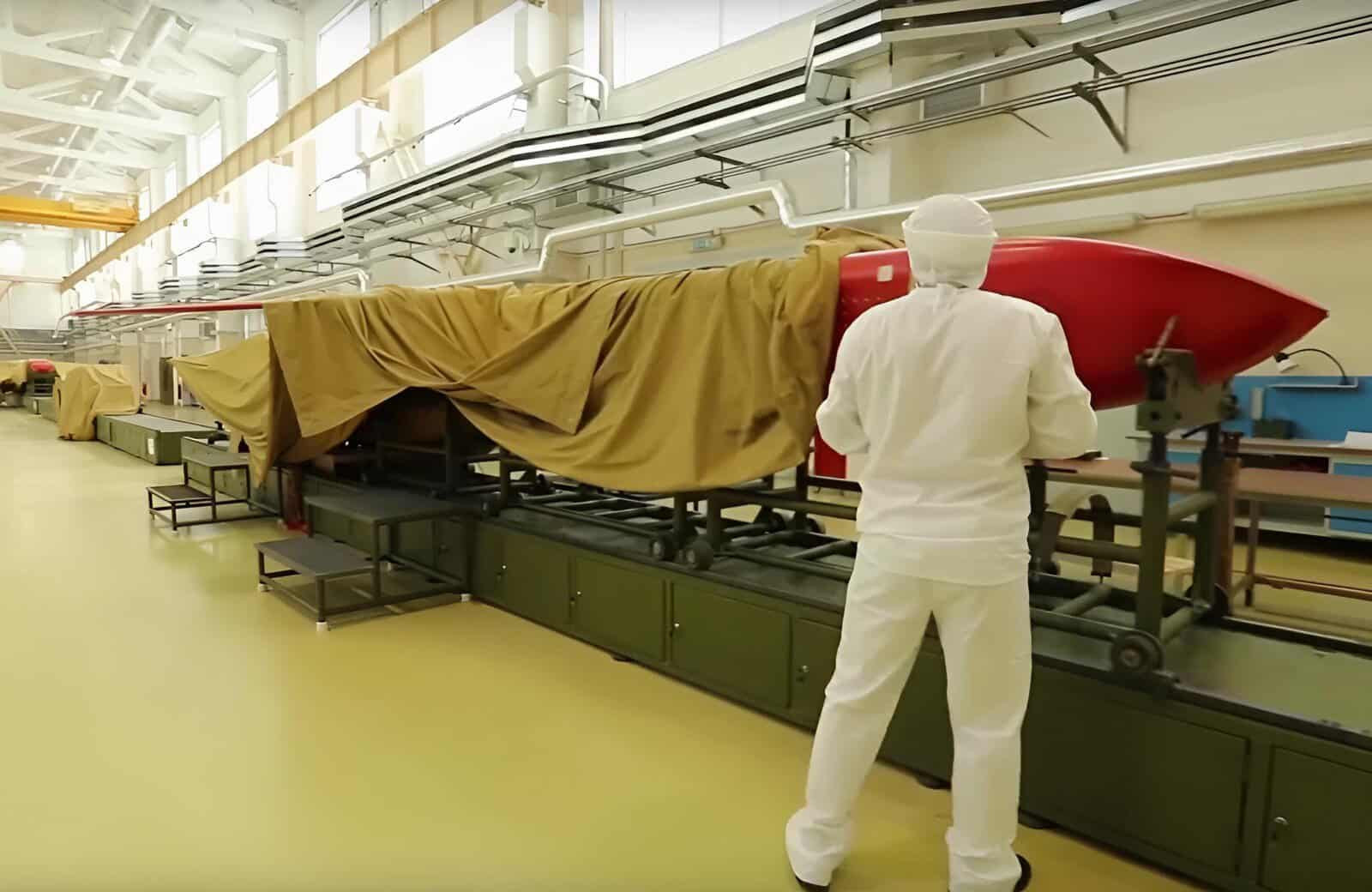
Specifically, at Rogachyovo airport in Novaya Zemlya, Russia's second Il-976 SKIP telemetry aircraft landed between August 22nd and 23rd. This specialized aircraft is tasked with monitoring flight paths, collecting telemetry data, and recording technical parameters during missile testing. At the same time, the area also saw the presence of an A-50U early warning aircraft, four An-26 transport aircraft, an An-74D, and several helicopters.
Technically, the 9M730 Burevestnik stands out thanks to its propulsion system powered by a small nuclear reactor, giving it a theoretically superior range compared to conventionally fueled cruise missiles. In a test on October 21, 2025, Russian Chief of General Staff Valery Gerasimov stated that the missile had traveled approximately 14,000 km in 15 hours. However, Western experts have expressed concerns about radiation safety during the testing of this weapon system.
He removed technical barriers to the SCALP missile production line in Ukraine.
The British government has officially authorized MBDA to transfer confidential data and technical information related to British-made components in the SCALP cruise missile system (designated Storm Shadow by the UK) to Ukraine. This decision removes the final legal hurdle, allowing Ukraine to establish its own missile assembly line domestically, following France's approval of the license in July.

British Prime Minister Andy Burnham announced this decision during his visit to Kyiv on August 24th. Because SCALP/Storm Shadow is a bilateral development cooperation program between the UK and France, the transfer of technology requires full consent from both countries.
Despite having obtained full intellectual property rights and technical licenses, the process of mass production in Ukraine still faces significant challenges regarding high-precision industrial equipment and the risk of infrastructure attacks. Alongside this project, London is also implementing Project Brakestop to support Kyiv in rapidly developing more cost-effective long-range strike weapons.
The US Navy is spending nearly $90 million developing the Blackbeard hypersonic missile.
To enhance its long-range deterrence capabilities, the U.S. Navy awarded Castelion a contract worth nearly $90 million to advance the Blackbeard hypersonic missile program to initial operational capability. The agreement included the delivery of 50 standard missiles and the completion of technical and logistical solutions to bring Blackbeard into the official procurement program.
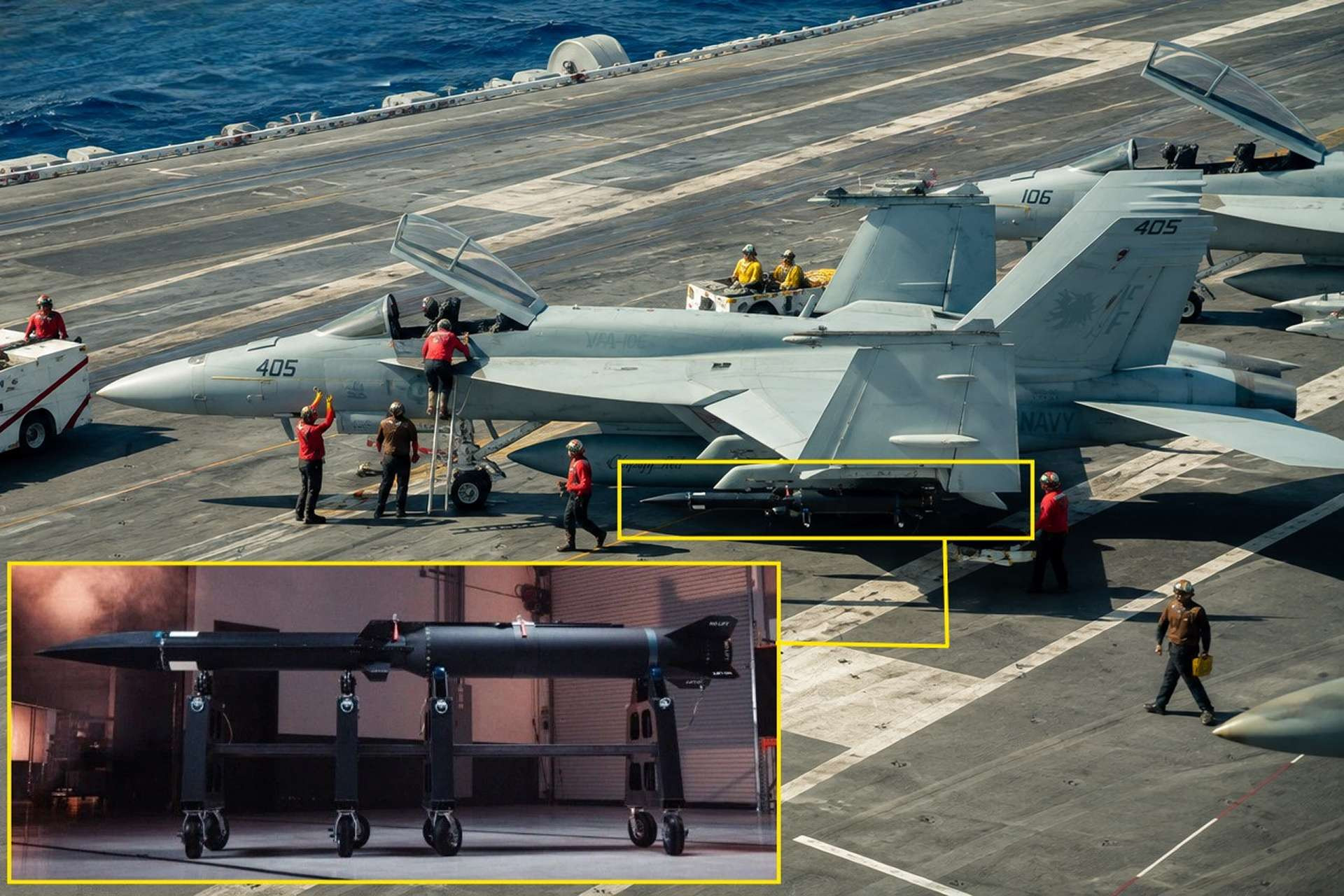
The program is geared towards developing low-cost, mass-producible long-range offensive weapons. The US military's goal is to create a sufficiently large arsenal that can be rapidly replenished in the event of conflict, overcoming the limitations of limited quantities and exorbitant costs of previous hypersonic weapon systems.
The Blackbeard missile is currently being integrated into F/A-18E/F Super Hornet carrier-based fighter jets, including safety checks, flight testing, and carrier-based operational capability assessments. The project is being carried out in Torrance, California, and is expected to be fully completed by August 2028.


