
Russia announces the Rassvet satellite project to compete with Starlink.
The State Duma announced Rassvet, developed by Bureau 1440; high-speed internet across Russia, 250 satellites by 2027, nearly 1,000 by 2035; technology sharing possible.
The State Duma has announced plans to deploy Rassvet, a constellation of low-orbit satellites aimed at providing high-speed internet across Russia. The project, undertaken by Bureau 1440, is described as an independent solution to counter American products, with a target of approximately 250 satellites by 2027 and nearly 1,000 by 2035. According to Sergei Boyarsky, the technology could be shared with partners after successful domestic deployment.
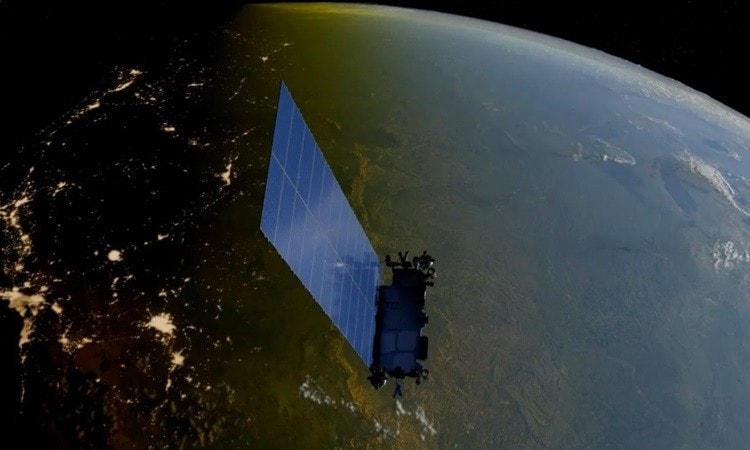
Project Overview
Sergei Boyarsky, Chairman of the State Duma's Information Policy Committee, said Russia will deploy a system equivalent to Starlink. Rassvet is positioned as a standalone solution aimed at improving network signal distribution across the territory and reducing communication costs in hard-to-reach areas.
"The development being undertaken by Department 1440 will ensure that access to services in Russia, both technically and economically, remains a top priority," Boyarsky emphasized.

Satellite constellation trajectory and scale
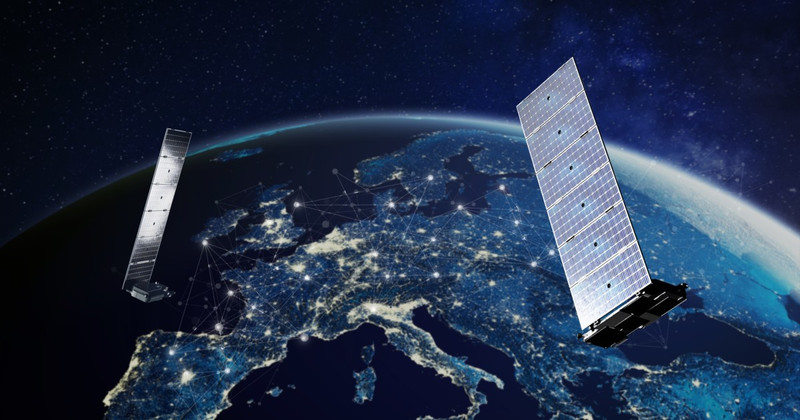
According to the announcement, Rassvet is expected to reach a milestone in 2027 with approximately 250 satellites in orbit, and expand to nearly 1,000 devices by 2035.
| Timeline | Expected scale |
|---|---|
| 2027 | Approximately 250 satellites |
| 2035 | Nearly 1,000 devices |

Service delivery capacity
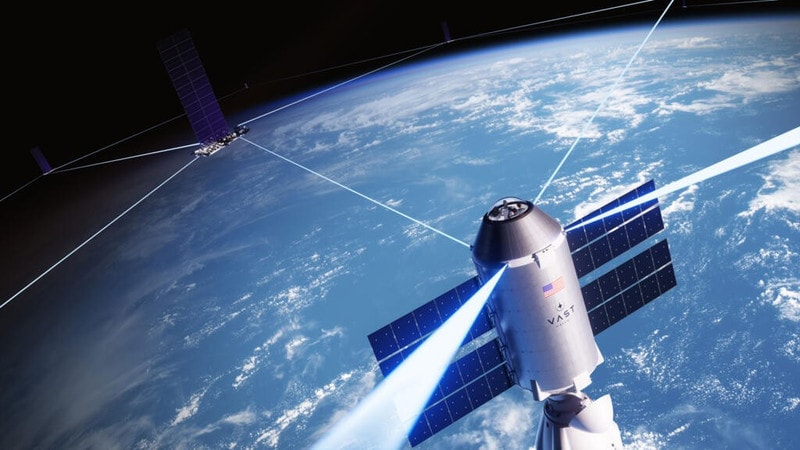
- Significantly improved network signal distribution nationwide.
- Reduce communication costs in hard-to-reach areas.
- According to Boyarsky, users can access high-speed internet on airplanes and trains.


Implementation governance and risks
Russian media warned that the project required significant funding and carried the potential for corruption. One example cited was the Roscosmos scandal, where the former head of the corporation was convicted of embezzling 840 million rubles.

Positioning compared to Starlink
According to the statement, Rassvet is an independent solution to counter the US satellite internet system. Moscow may supply the technology to partners after completing domestic deployment.


