
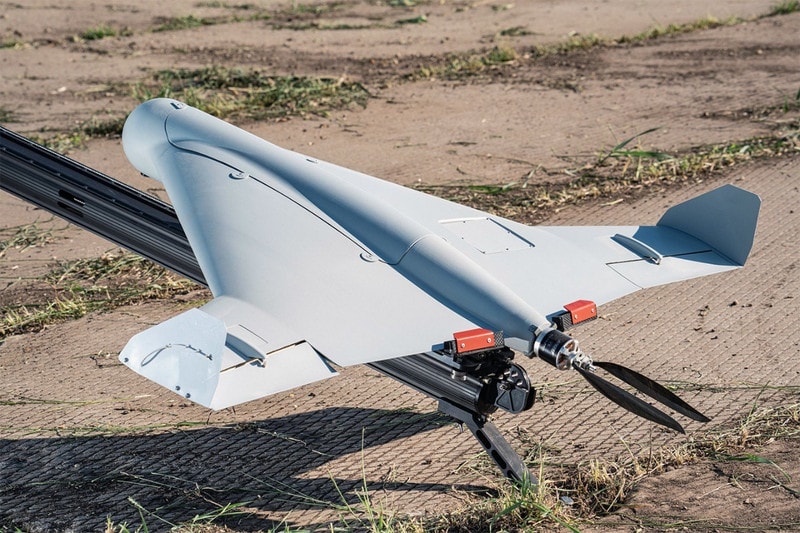
Russia deploys suicide drones to Ukraine, putting immense pressure on air defenses.
National Interest notes that since September, Russia has launched more than 5,000 suicide drones each month, striking deep into Ukraine's energy infrastructure; the low cost puts significant pressure on air defenses.
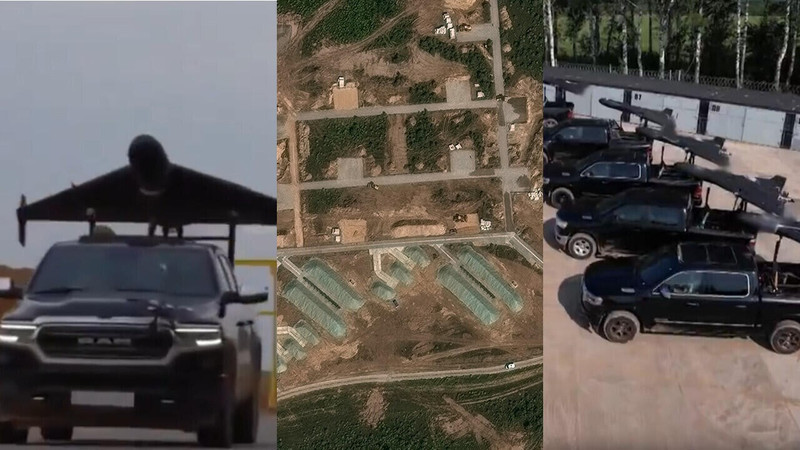
According to the National Interest (NI), Russia continues to launch thousands of suicide drones into Ukraine in a short period of time, aiming to force Kyiv to the negotiating table. A report from the UK Ministry of Defence states that Russia is maintaining a campaign of deep attacks on Ukraine's critical national energy infrastructure. NI notes that since September, Russia has launched an average of more than 5,000 suicide drones every 30 days.
Overview
The attacks were described as long-range and intense. According to NI, the massive use of suicide drones is being viewed by Russia as a tool for strategic pressure. The UK Ministry of Defence report highlighted the target as energy infrastructure – a key sector for Ukraine.
Technical and cost analysis
- Frequency: More than 5,000 suicide drones have been launched each month since September, according to NI.
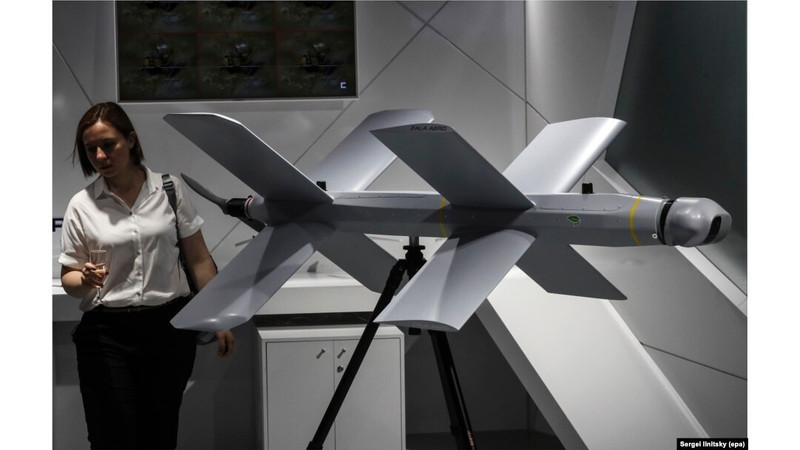
- Cost-effectiveness: NI believes the cost of conducting long-range attacks using this method is low, as the cost of suicide drones is cheaper than the anti-aircraft missiles used for interception.
The core issue here is the cost-benefit analysis: each suicide drone forces the air defense system to expend expensive interceptor missiles. This increases the logistical and budgetary pressure on the attacked side's air defense, even though the drone itself carries a smaller warhead than a cruise or ballistic missile.
Tactics used
According to the UK Ministry of Defence, the attacks targeted deep energy infrastructure. From a combat perspective, the deployment of multiple waves of suicide drones puts constant pressure on air defense networks: forcing the enemy to maintain a high level of vigilance and allocate interceptor fire in waves of targets.
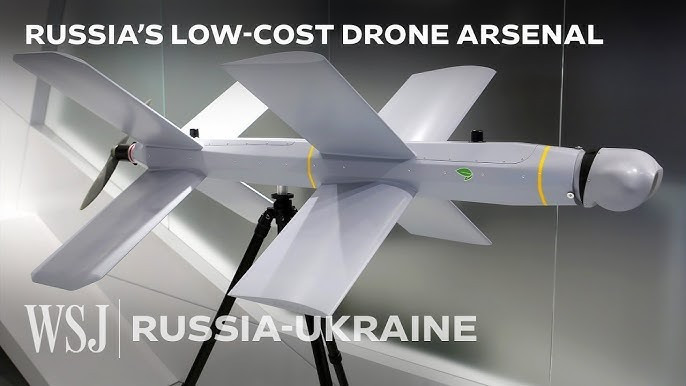
NI argues that the war in Ukraine has transformed suicide drones into one of Russia's primary weapons on the battlefield today, aiming to both damage and deplete the enemy's air defenses.
Debate on effectiveness
Alongside positive reviews, sources also noted opinions suggesting that the effectiveness of suicide drones may be exaggerated. Reasons include: relatively small warheads; the vehicles are easily detected and intercepted; and therefore cannot replace the role of cruise missiles or ballistic missiles.
According to this view, the outstanding value of suicide UAVs lies in their ability to overwhelm air defense systems and force the enemy to "stretch their resources" rather than changing the battlefield situation like artillery or air force.
Impact and trends
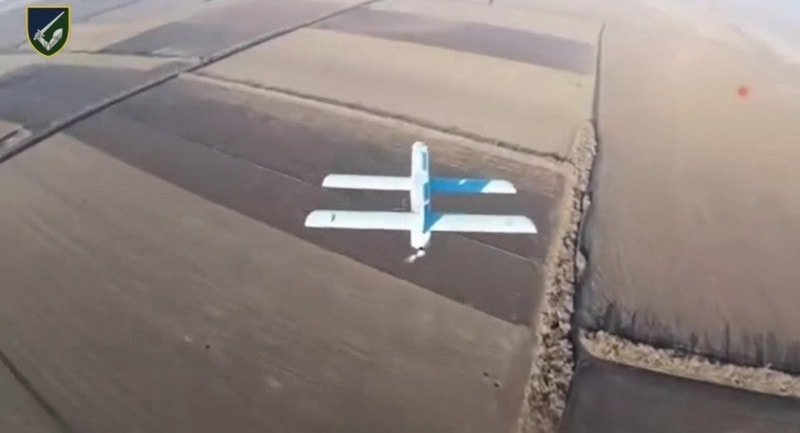
NI concludes that the conflict in Ukraine has brought suicide drones to prominence. The development of unmanned systems and battlefield robots is being thoroughly studied, aiming to prepare for future conflicts.
Key points to note
- According to NI, since September, Russia has launched more than 5,000 suicide drones per month.
- UK Ministry of Defence: The main target is critical energy infrastructure.
- The cost balance favors the attacking side, putting pressure on the air defenses.
- There are doubts about its ability to replace cruise/ballistic missiles.
- UAVs and battlefield robots are research trends for future conflicts.


