
Russia uses Be-12 seaplanes to confront Ukrainian boats, and advances in US missile technology.
Russia deploys 58-year-old seaplanes to hunt down Ukrainian USVs, while the US upgrades SM-2 missiles with active radar technology and Turkish UAVs achieve subsonic speeds.
In the latest developments on the Black Sea battlefield, the Russian Navy has deployed Be-12 anti-submarine seaplanes to counter Ukrainian unmanned surface vehicles (USVs). Meanwhile, military powers such as the US and Türkiye have also announced significant progress in modernizing their air defense missiles and testing new generation unmanned fighter jets.
Russia uses 58-year-old seaplanes to hunt down Ukrainian USVs.
A recently released video shows a Russian Be-12 aircraft conducting an attack mission on surface targets, believed to be a Ukrainian USV. This is an older, specialized aircraft platform, in service since 1968, primarily used for maritime patrol and anti-submarine warfare.
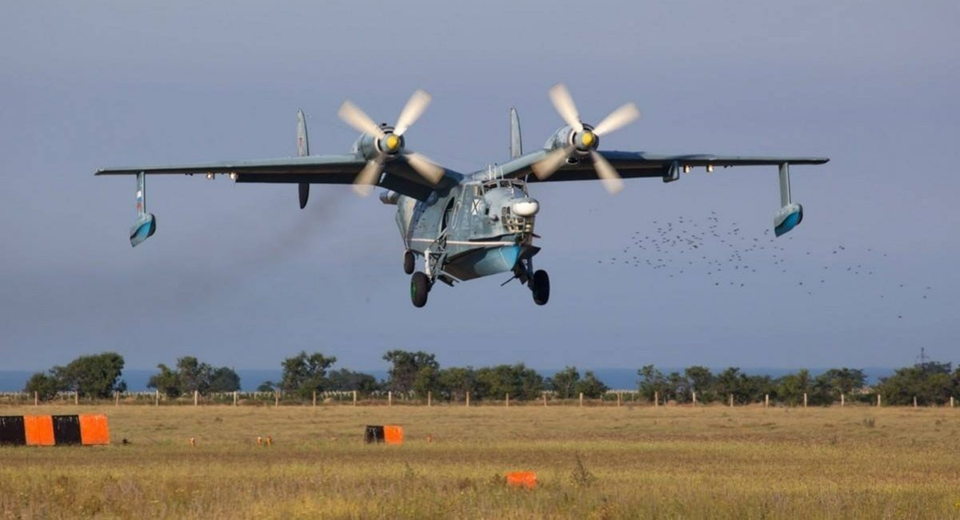
Notably, the Be-12 used four PLAB-250-120 anti-submarine bombs in its attack. This weapon is designed to destroy submarines with underwater shock waves, rather than directly impacting surface targets. Russia's use of the Be-12 reflects a situational adaptation to a changing combat environment, due to the low number of these aircraft currently in service and Russia's lack of direct replacement seaplane platforms.
However, military experts assess that deploying the Be-12 carries significant risks. The aircraft operates at low speeds and altitudes, and lacks modern self-defense systems such as infrared decoys, making it vulnerable to close-range air defense weapons that Ukraine is integrating into its new generation USVs.
The US is modernizing the SM-2 missile with active radar technology.
At the SNA 2026 Naval Air Show, the U.S. Navy introduced the SM-2 Block IIIC/CU (RIM-66P) variant. This represents a significant shift from traditional semi-active guidance to a hybrid architecture with active radar, allowing warships to engage multiple targets simultaneously without continuous illumination.
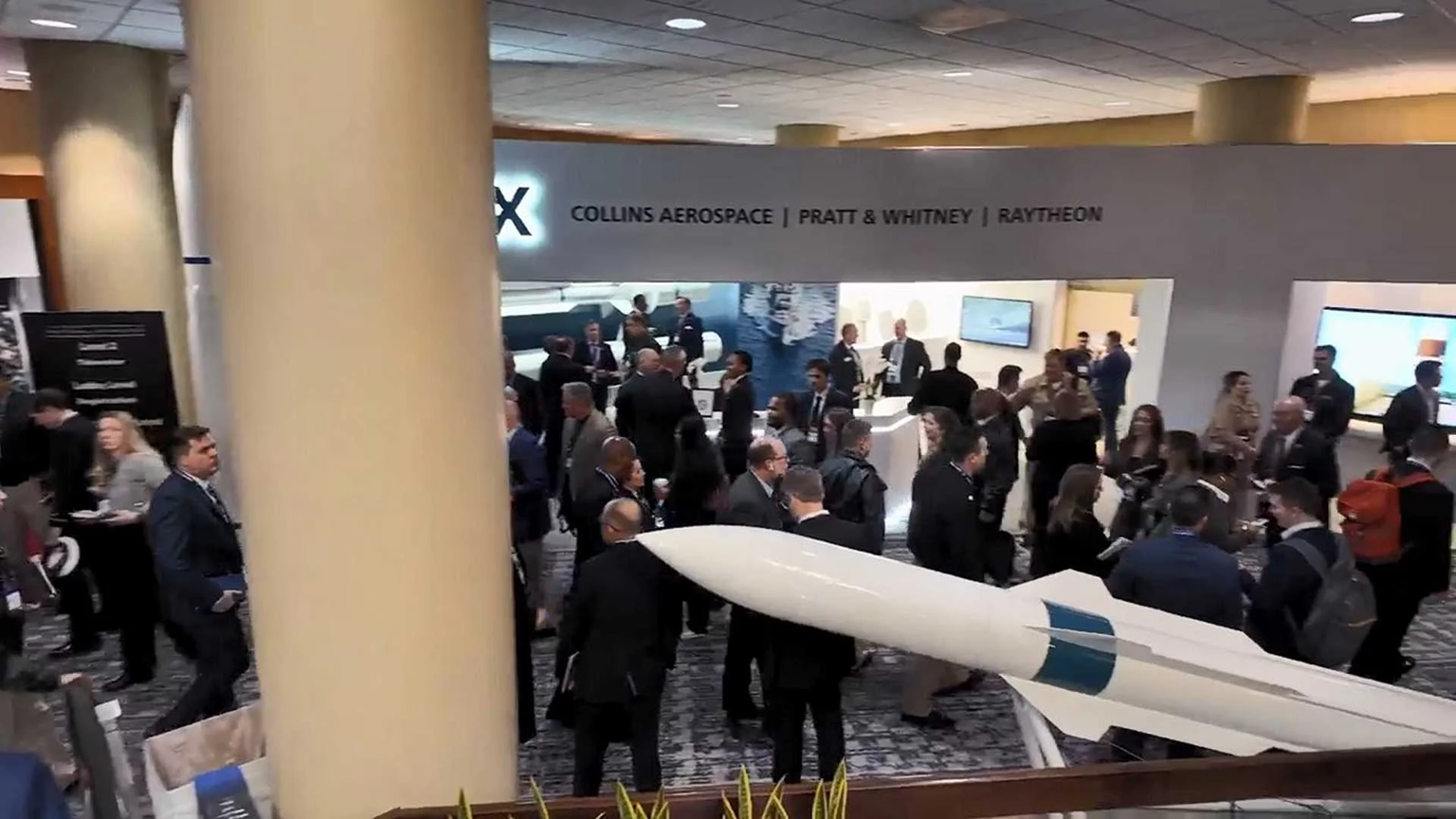
Technically, the SM-2 Block IIIC retains its maximum speed of Mach 3.5 (approximately 4,300 km/h) but features an improved thrust vector control system for increased stability. Integrating modern components from the SM-6 series enhances reliability and jamming resistance, while also allowing the US Navy to control costs compared to developing an entirely new missile.
Türkiye's Kizilelma UAV reaches subsonic speeds.
The Kizilelma unmanned fighter jet developed by Baykar has set a new milestone by reaching a speed of 264 knots (approximately 1,000 km/h) in its latest test. This result brings the Kizilelma closer to its goal of reaching Mach 0.9, approaching the capabilities of manned fighter jets.
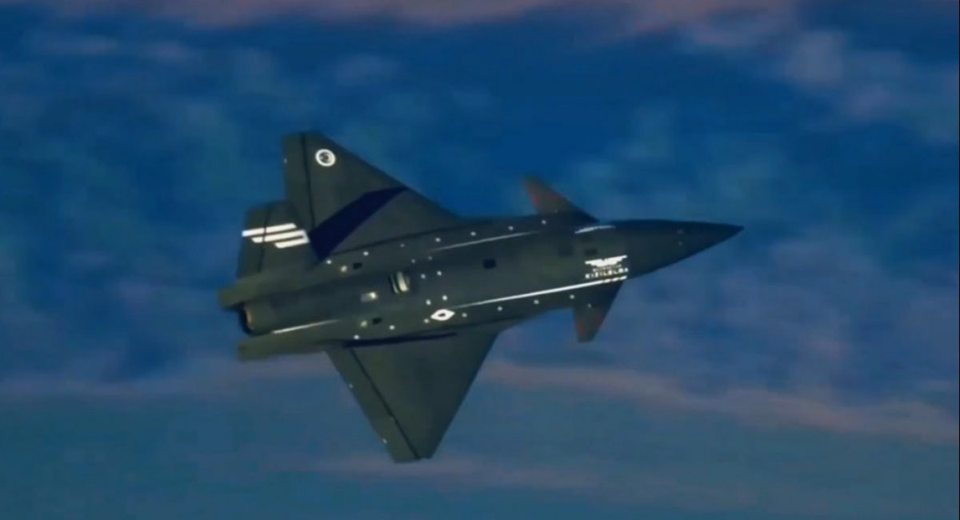
This success owes a great deal to the AI-322F jet engine manufactured in Ukraine. Technical cooperation between Türkiye and Ukraine has not only accelerated testing but also expanded the payload capacity and maneuverability of the UAV. According to the schedule, the first Kizilelma drones are expected to be delivered to the Turkish military in the first quarter of 2026 to begin training and combat readiness.


