
Russia is believed to be stockpiling 2,000 UAVs to attack Ukraine.
Defense Express claims that Russia has stockpiled at least 2,000 attack UAVs, enough for 3–4 large-scale raids when temperatures drop to around -5°C, in order to exert sustained pressure on Ukraine's air defenses and military and energy infrastructure.
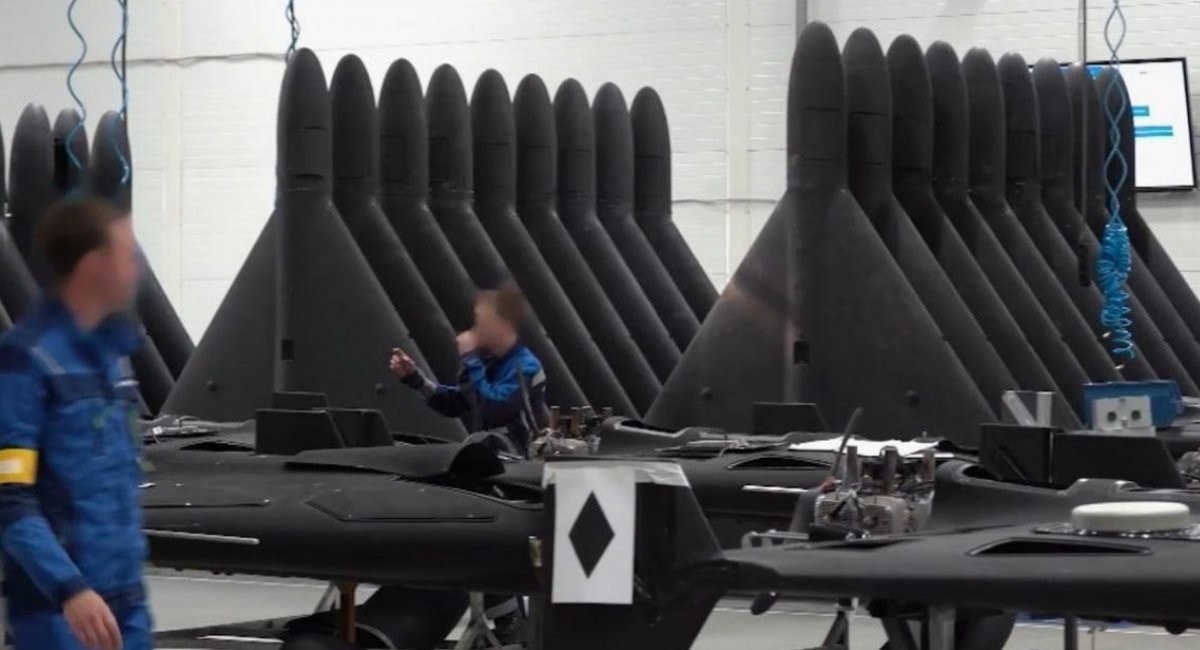
According to Defense Express, Russia has stockpiled at least 2,000 unmanned aerial vehicles (UAVs) and is reportedly ready to launch a new large-scale attack on Ukraine. Weather conditions, particularly the upcoming period of deep cold, are considered key variables in determining the timing and scale of these strikes.
Overview of the plan to deploy 2,000 UAVs.
Estimates cited by Defense Express suggest that Russia has stockpiled enough UAVs to conduct three to four massive attack waves. Between waves, there would likely be only short periods of inactivity, thus maintaining a high rate of combat activity for an extended period.
The tactic was described as aiming to maintain constant pressure on the Ukrainian air defense system. With successive attacks interspersed with short breaks, air defense forces were forced to maintain a high state of readiness, consuming significant resources while time for reorganization, damage assessment, and resupply was limited.
Cold weather is a key variable.
According to an analysis cited by Defense Express, weather is becoming a key factor in determining the timing of Russian airstrikes. Based on current forecasts, large-scale UAV attacks could begin around the middle of next week, when temperatures are expected to drop to around -5°C.
The period of temperatures dropping to around -5°C is considered a time when frigid conditions will increase the level of destruction, especially to Ukraine's military infrastructure and energy systems. When critical targets are hit in such harsh environments, the ability to recover quickly is significantly reduced.
The impact of cold weather on repair and restoration work.
Experts quoted in the article say that attacks occurring in cold weather tend to cause more serious damage than those in warmer weather. Low temperatures complicate emergency repair work at various stages.
Consequently, in low-temperature environments, equipment is prone to freezing, materials degrade more rapidly, and technical systems operate less stably. This chain of factors makes post-attack recovery prolonged and difficult to guarantee quality, even with early deployment of repair teams.
Beyond the technical aspects, harsh weather also increases risks for repair crews. The ability to work continuously outdoors is limited due to safety hazards, forcing them to shorten their time on-site. As a result, the restoration process is prolonged, especially at outdoor energy and utility facilities.
In this context, damage to the power system can lead to longer power outages compared to attacks occurring in warmer weather, as each repair, load testing, and restart step is adversely affected by low temperatures.
Tactics to overload the air defense system and then repair it.
According to Defense Express, stockpiling large numbers of UAVs for three to four massive attacks, combined with short breaks between attacks, is considered to be aimed at creating a double pressure. On the one hand, it puts continuous pressure on Ukraine's air defense network, and on the other hand, it overwhelms the forces and means for repair and recovery after the attacks.
With successive waves of attacks, units defending targets are forced to constantly respond, while many previously hit points may not yet have been repaired. This creates the risk of further weak links in the infrastructure system, especially in key energy and military areas.
For repair work, the short downtime between attacks limits the ability to fully assess the extent of damage, prioritize plans, and implement long-term solutions. Technical personnel may be forced to focus on minimal repairs to maintain temporary operations, while the risk of further attacks remains.
Risks to military and energy infrastructure.
The analyses suggest that the combination of a large number of UAVs, a high frequency of attacks, and cold weather conditions could increase the level of impact on Ukraine's military infrastructure and energy systems. These targets are already vulnerable to disruptions in electricity, telecommunications, and logistics.
In that scenario, not only is infrastructure directly impacted, but recovery efforts after the attack also face numerous obstacles due to technical and safety limitations in low temperatures. Defense Express emphasizes that weather is a crucial variable in how and when UAV attacks can be deployed.


