
Russia explains why it did not fall into the US 'trap'.
Russian Foreign Minister Sergei Lavrov said that Moscow will not allow itself to fall into the trap set by the United States, and that there are lessons it will never forget.
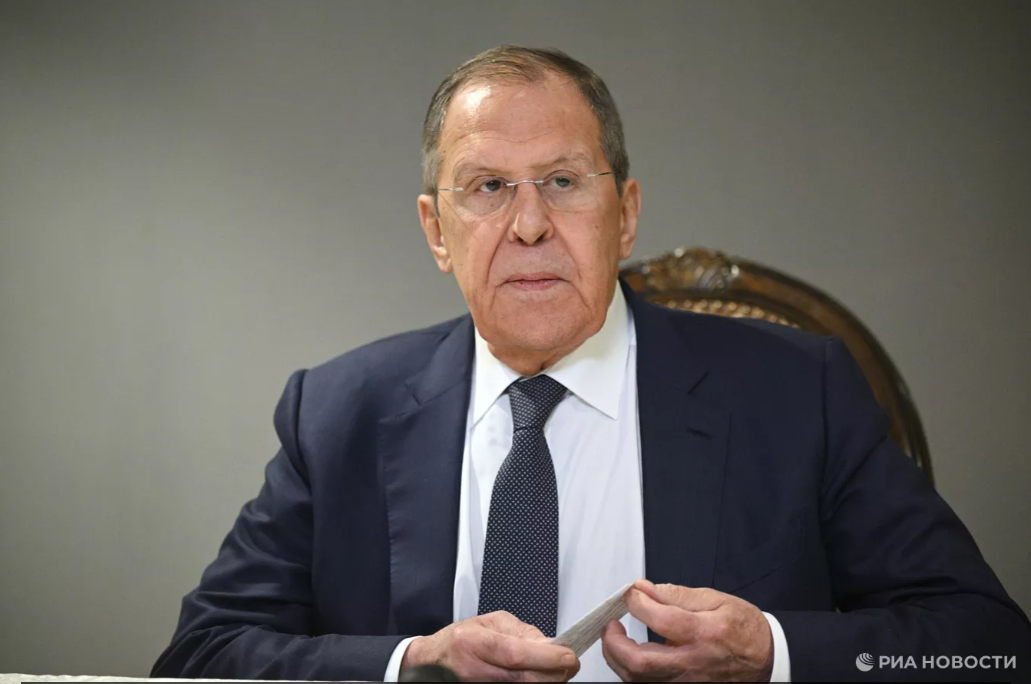
According to RIA Novosti on April 15, in an interview with the Kommersant newspaper, Russian Foreign Minister Sergei Lavrov said that Moscow knows how to avoid making an agreement with US President Donald Trump that could trap Russia.
"Now, when we are offered 'normal deals' as President Donald Trump calls them, we understand this in a positive sense. We understand what a mutually beneficial deal looks like, which we have never rejected, and a deal that could also lead us into another 'trap'," the Russian Foreign Minister said.
Lavrov noted that US President Donald Trump's foreign policy is based on protecting US national interests, but the US President is willing to engage in dialogue with other countries when those interests coincide. Lavrov considered this approach realistic and worth discussing.
At the same time, the Russian Foreign Minister emphasized that after restoring relations with the US, Moscow should not allow a recurrence of dependence in economic, technical, military, and other areas.
"I am 100% certain that this lesson will never be forgotten," Foreign Minister Lavrov said, while affirming that Russia is not "following" anyone and is not asking for the lifting of sanctions imposed on it.
Regarding Ukraine, Foreign Minister Lavrov stated that the Kiev authorities, when discussing a return to the 1991 borders, are only interested in land to bargain for "a higher price." According to Lavrov, "they are merchants; nothing is sacred." When discussing any plans with the West regarding conflict resolution, Moscow always emphasizes verifying Kiev's "integrity."
Currently, Russia and the US have yet to agree on the key parameters of a deal to resolve the Ukraine issue during their contacts. However, Lavrov stated: "The most important thing is that both sides have a desire, despite the problems and differences in national interests on some issues on the international agenda. It is necessary to meet with polite, cultured people and listen to each other. This is exactly what is happening."


