
Russia upgrades Iskander-M missiles with the new Kometa-M12R-VT anti-jamming system.
The integration of a 12-element digital antenna array helps the Iskander-M ballistic missile maintain high accuracy in the dense electronic warfare environment of Ukraine.
Russia is believed to have quietly upgraded its Iskander-M tactical ballistic missile by integrating the new Kometa-M12R-VT digital antenna array. This change focuses on increasing the weapon's survivability and accuracy against modern electronic warfare (EW) systems, rather than altering its range or warhead power.
Improvements to the navigation technology on the 9M723 missile.
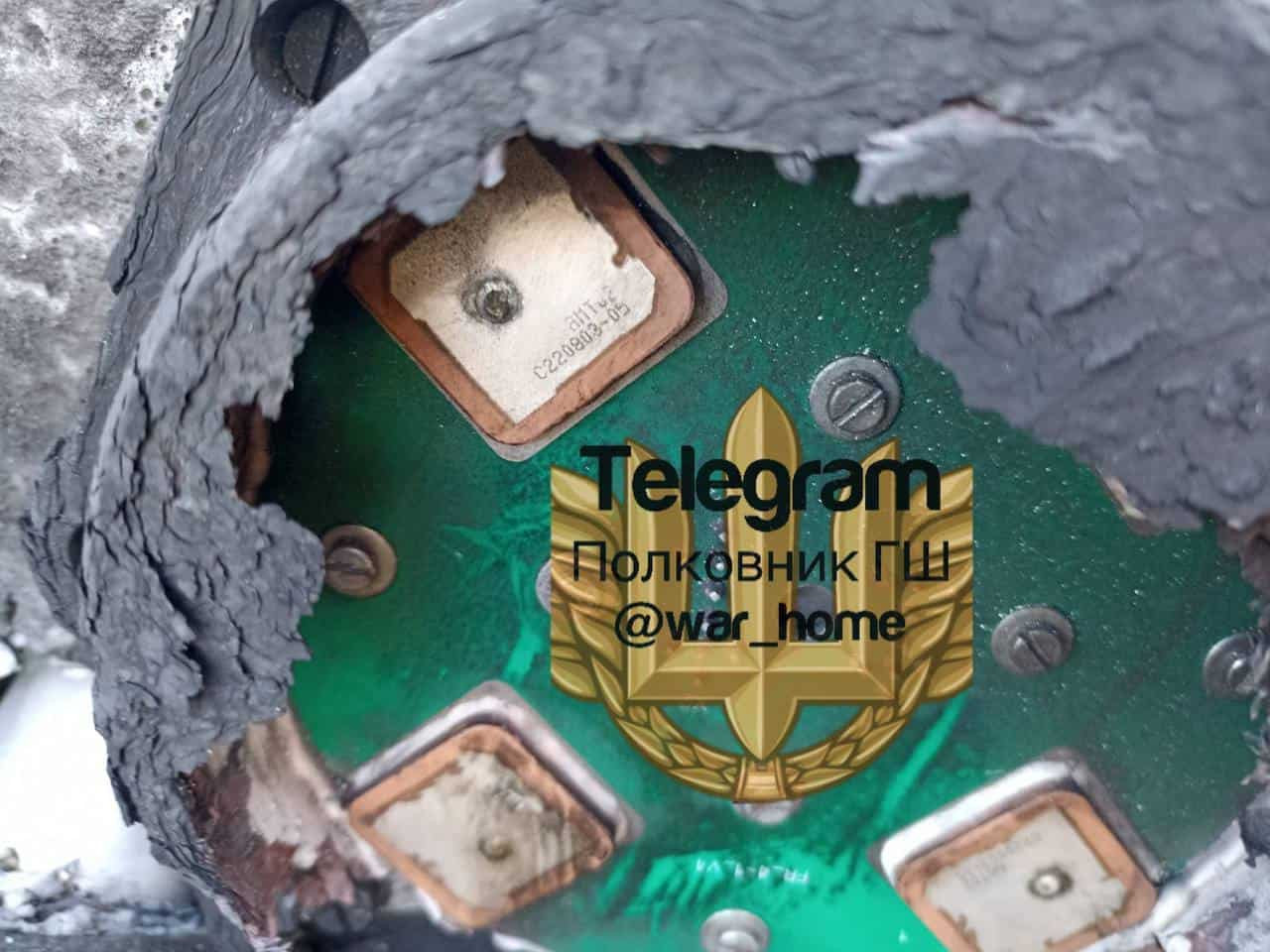
According to data from Militarnyi, the Kometa-M12R-VT system uses a 12-element digital antenna array located in the nose of the missile. The main goal of this upgrade is to optimize the ability to receive satellite navigation signals (GPS or GLONASS) and effectively filter out jamming signals from the enemy. This is an important step to ensure the missile stays on its trajectory in the context of increasingly sophisticated Ukrainian jamming systems.
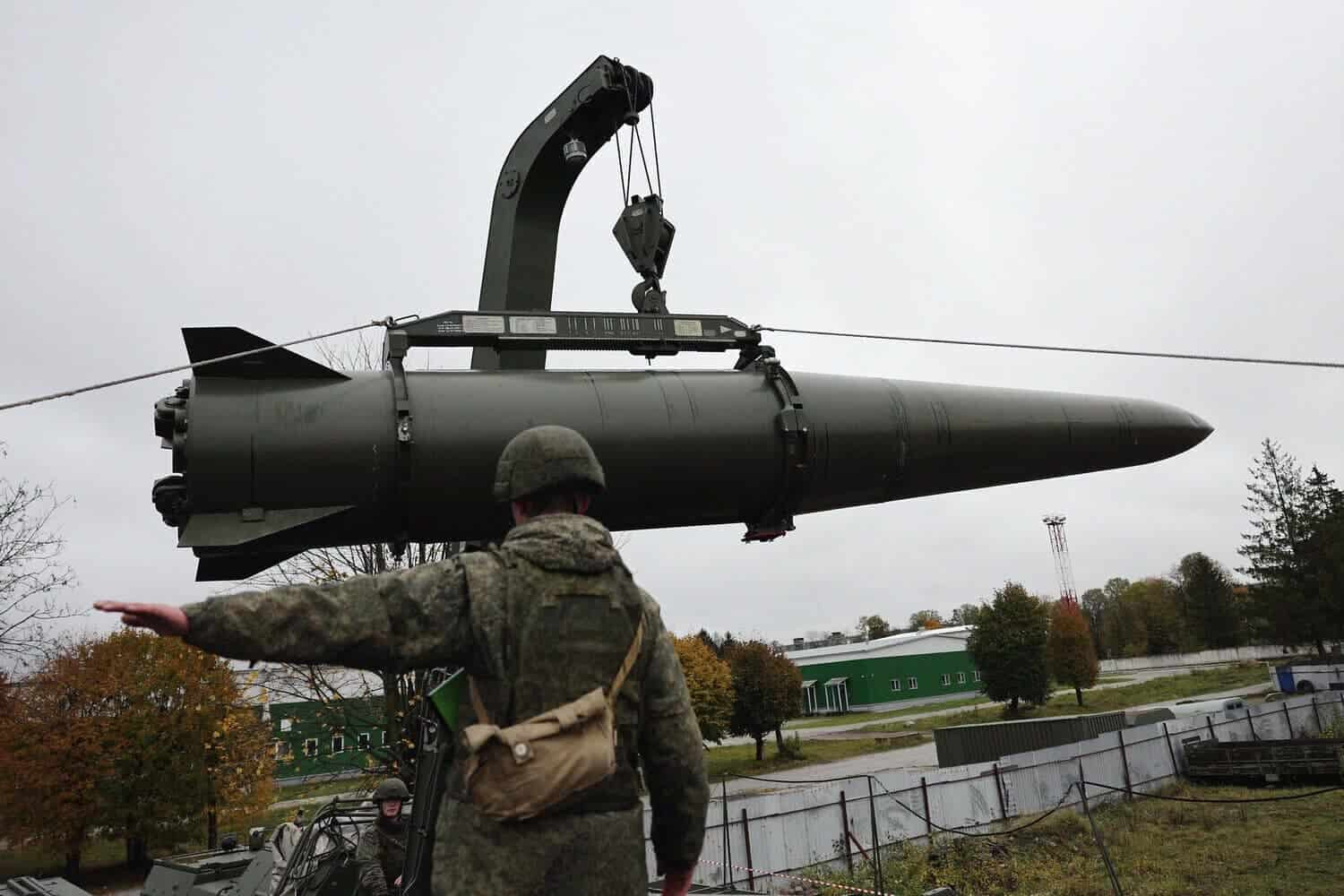
Russia's continuous adjustments to weapon designs based on real-world battlefield feedback reveal a cycle of intense technological confrontation. As Ukraine improved its electronic warfare capabilities, Russia responded by upgrading its anti-jamming hardware to maintain offensive performance.
The power and combat characteristics of the Iskander-M
The Iskander-M has long been considered one of the most difficult weapons to intercept. The 9M723 missile is approximately 7.3 meters long, 0.92 meters in diameter, and weighs nearly 3.8 tons. With a maximum range of about 500 km, this missile can threaten strategic targets deep within enemy territory.
The biggest difference between the Iskander-M and traditional ballistic missiles is its flexible maneuverability throughout its flight. Instead of flying along a fixed parabolic trajectory, the Iskander-M can change its flight path, especially in the final phase, giving air defense systems very little time to calculate and react.
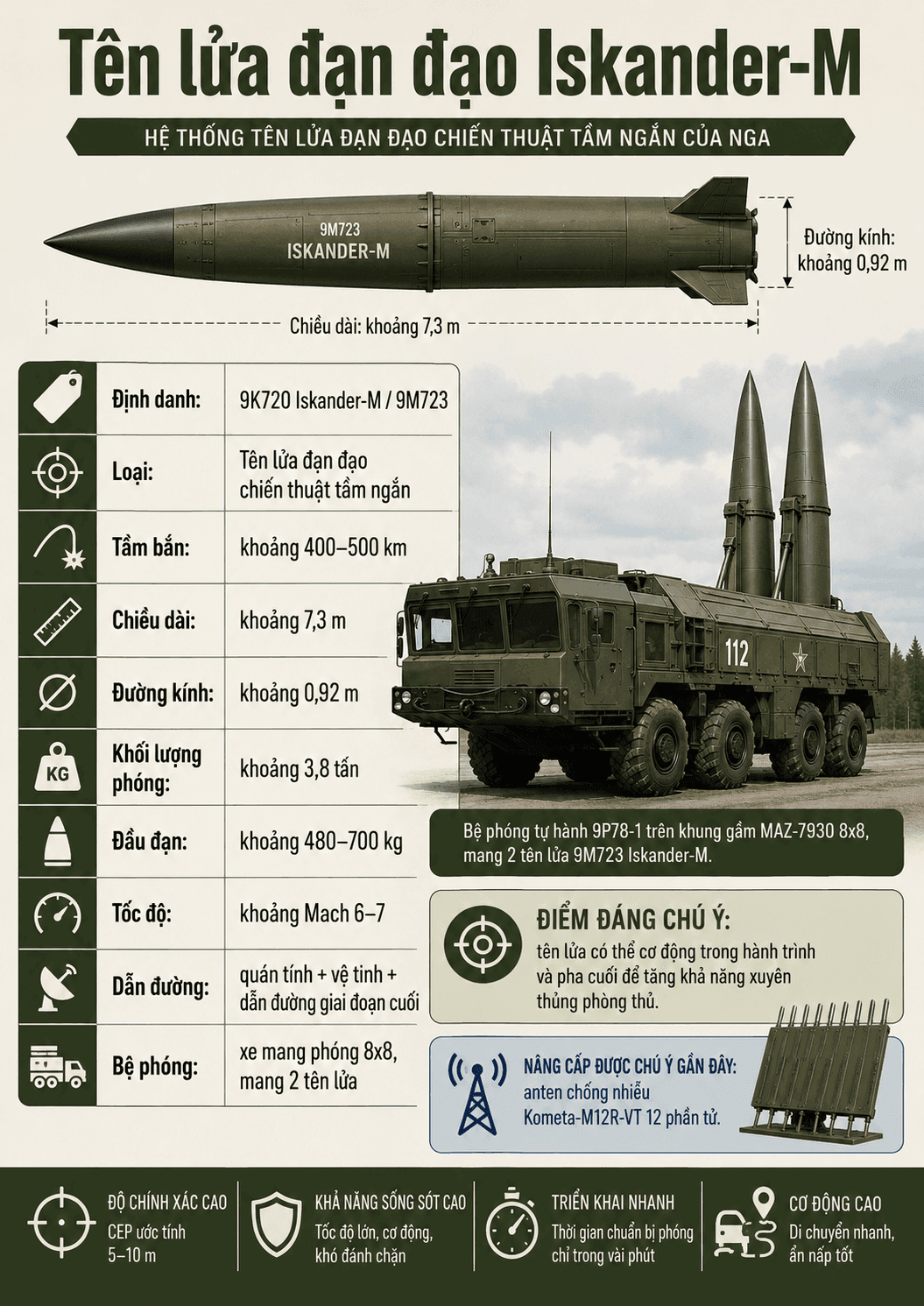
The combination of high speed, large warhead, and maneuverability makes the interception window for defense systems like Patriot very narrow. When equipped with additional anti-satellite jamming capabilities, the Iskander-M becomes even more dangerous for high-value targets such as airfields, ammunition depots, and command centers.
The race against jamming on the battlefield.
On the Ukrainian battlefield, electronic warfare is no longer a supporting element but has become a core part of defense. Ukraine uses EW to deflect UAVs, glide bombs, and guided munitions. Conversely, Russia has also deployed a dense jamming network to neutralize Western weapons supplied to Ukraine.
The Kometa-M12R-VT system is designed to make the Iskander-M more "immune" to these electronic jamming measures. Notably, variants of the Kometa series have been detected on many other Russian weapon platforms such as cruise missiles, the UMPK glide bomb kit, and the Shahed suicide drone. This suggests that Moscow is implementing a strategy of synchronizing anti-jamming technology across its entire arsenal of guided weapons.
Pressure is increasing on Ukraine's air defense system.
The new Iskander-M upgrade forces Ukrainian air defenses to confront a dilemma of attrition and effectiveness. With electronic warfare measures neutralized or rendered ineffective, Ukraine is forced to rely entirely on physical interception using expensive missile systems. However, the number of interceptor missiles for systems like Patriot is limited, and operating costs are extremely high.
Russia often employs a mixed attack strategy: using Shahed UAVs to overload radar, low-flying cruise missiles to draw attention, and then deploying Iskander-M missiles to strike key targets. In this scenario, the Iskander-M's superior anti-jamming capabilities significantly increase the probability of penetrating the defenses.
To counter this, Ukraine may have to change tactics, relying not only on direct interception but also on increased camouflage, target dispersal, and proactive attacks on Russian missile launchers, ammunition depots, and supply chains before missiles are fired.


