
Russia upgrades Geran-4 Seeker UAV, Ukraine launches Midstrike drone with 600 km range.
Russia is integrating electro-optical systems into the Geran-4 Seeker UAV to counter radio interference, while Ukraine has introduced the Midstrike drone with a range of 600 km.
The landscape of unmanned warfare is witnessing rapid technological advancements aimed at improving combat effectiveness and optimizing costs. While Russia is upgrading its Geran-4 Seeker jet-launched UAVs with electro-optical sensors to counter jamming systems, Ukraine has also launched the Midstrike long-range attack drone. At the same time, the F-35B fighter jet crash in the US has drawn attention to the operational challenges of short takeoff and vertical landing aircraft.
Russia upgrades Geran-4 Seeker jet drones with electro-optical seekers.
The Russian military has upgraded the Geran-4 Seeker jet-powered attack drone by redesigning the nose section to integrate an electro-optical guidance system. Analysis of actual photographs reveals two major changes to this UAV: the nose section now contains a small electro-optical sensor, and it has added autonomous guidance capabilities in the final stage.
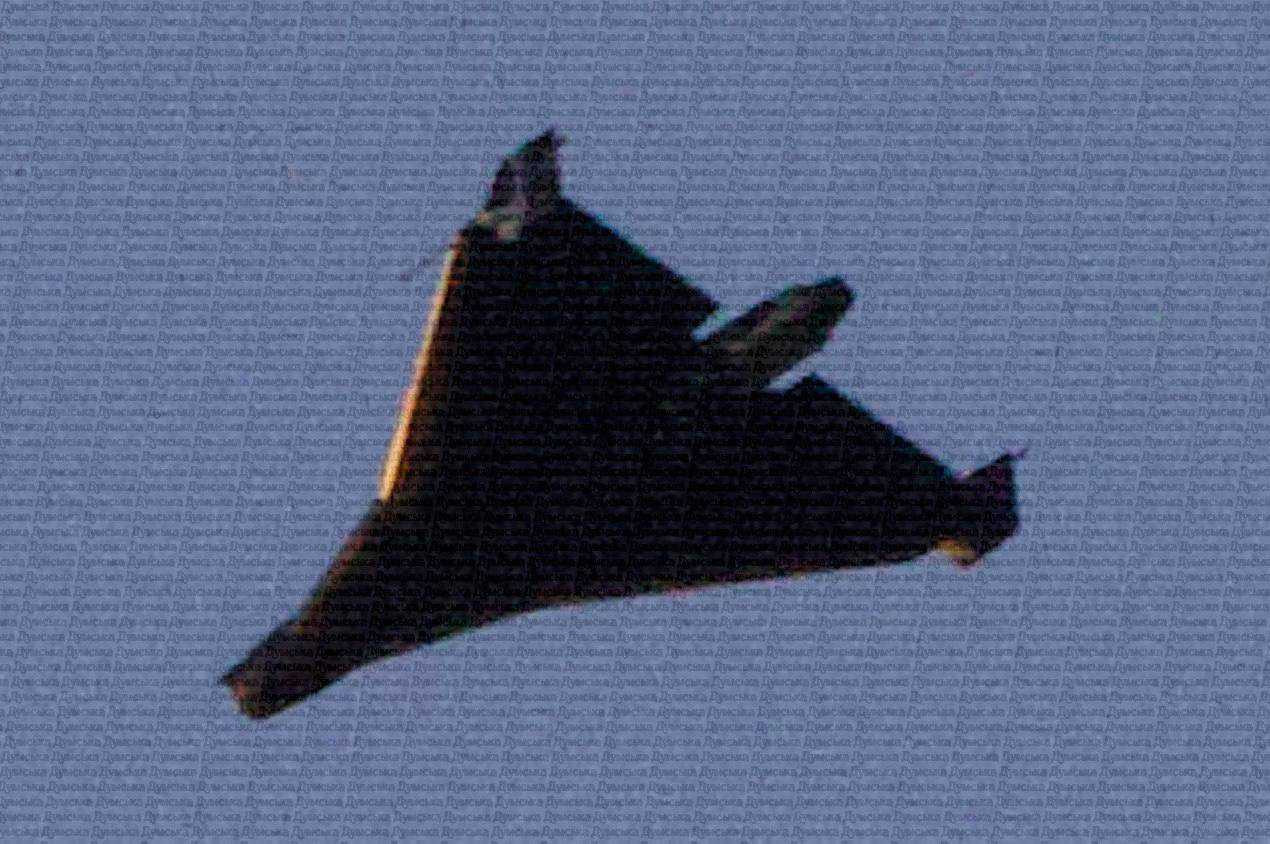
This upgrade allows the UAV to autonomously track and engage its target even if control communication is lost during the final dive phase. This significantly reduces the effectiveness of radio jamming measures – a cost-effective defense option currently employed by Ukrainian forces. Additionally, the aircraft is equipped with a fixed 180-degree forward-facing secondary camera (a dual-lens Dahua TiOC) for wide-area terrain observation or detecting interceptor drones.
In terms of specifications, the Geran-4 Seeker has a maximum range of 550 km, a cruising speed of approximately 300 km/h, and carries a 50 kg warhead. The standard Geran-4 version has a length of 3.6 m, a wingspan of 3.05 m, and a maximum takeoff weight of 450 kg. The aircraft is equipped with jet engines such as the Telefly LX-WP-160 (160 kgf thrust) or TF-TJ2000A (200 kgf thrust), allowing it to reach a maximum speed of 500 km/h and a service ceiling of 5,000 m.
The high speed of the Geran jet aircraft poses a significant challenge to defense forces, as existing interceptor drones are not fast enough to systematically pursue them. From the beginning of the year to mid-June 2026, approximately 1,400 Geran-3, Geran-4, and Geran-5 jet UAVs were deployed in infrastructure attack missions.
Ukraine launches the inexpensive Midstrike UAV with a 600 km range.
In response to long-range attacks, the Ukrainian company SkyFall has developed a new attack drone called Midstrike. This UAV boasts a range of up to 600 km and a warhead weighing approximately 50 kg, which can flexibly switch between fragmentation or high-explosive warheads depending on the mission.
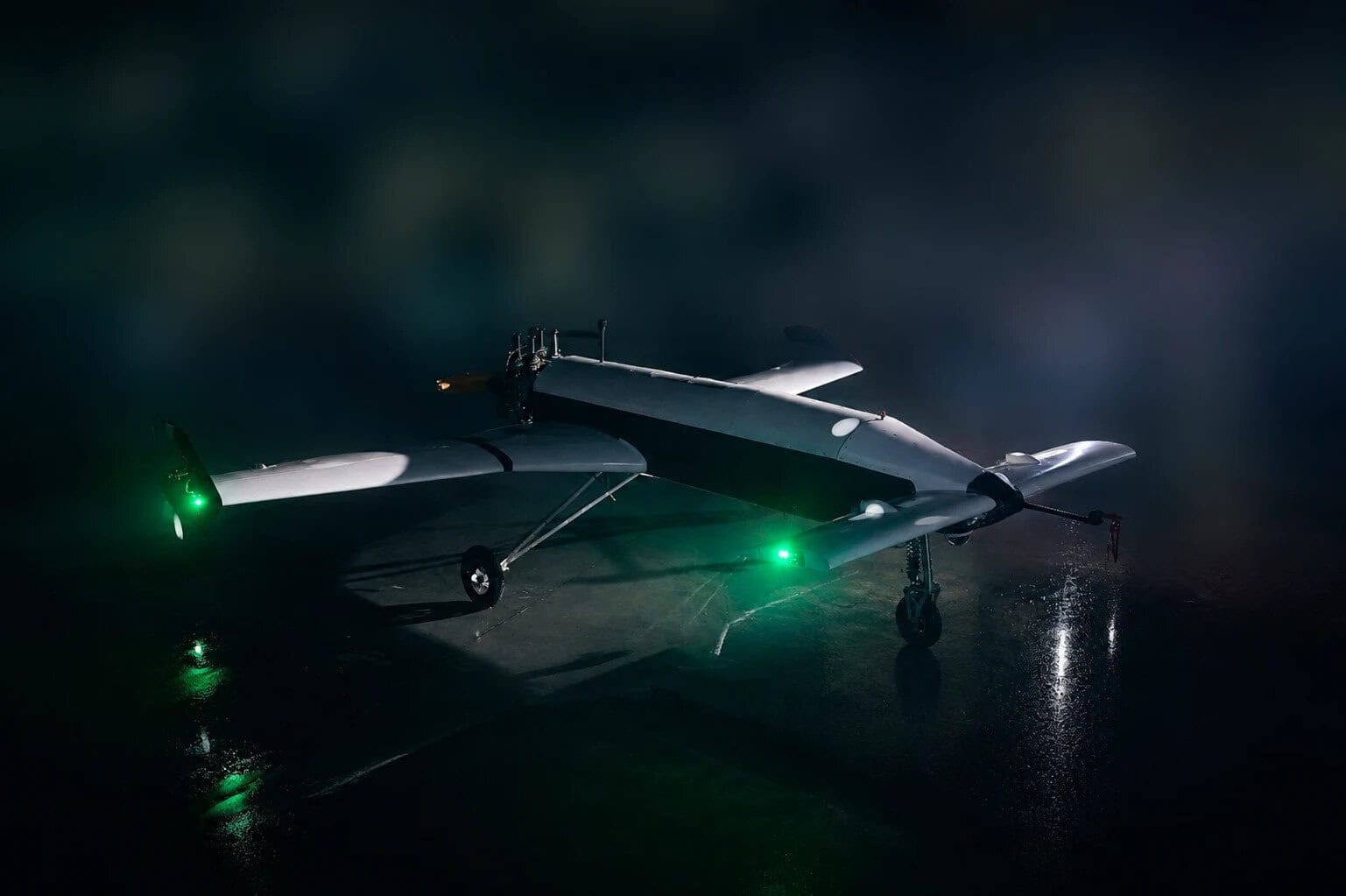
The most notable aspect of the Midstrike lies in its economic efficiency, with production costs ranging from only $25,000 to $30,000 per unit. Compared to cruise missiles of similar range costing hundreds of thousands to millions of dollars, the Midstrike forces enemy air defenses to expend expensive interceptor missiles to destroy a target that costs significantly less.
SkyFall aims to increase production capacity to 1,000 units per month by the end of the year. In addition, the company also introduced the JetKiller interceptor drone variant (part of the P1-SUN series) specifically designed to counter jet-powered UAVs. The JetKiller reaches speeds of 370 km/h, has a ceiling of 9,000 m, and integrates an artificial intelligence (AI) module that automatically detects, tracks, and locks onto targets at a range of 1 km.
The F-35B crash and the technical challenges facing the STOVL fighter jet.
Alongside developments regarding unmanned aerial vehicles, a military aviation incident also attracted attention when a US Marine Corps F-35B Lightning II stealth fighter crashed at Miramar Air Base on July 30th. The pilot escaped safely, and authorities are investigating the cause.
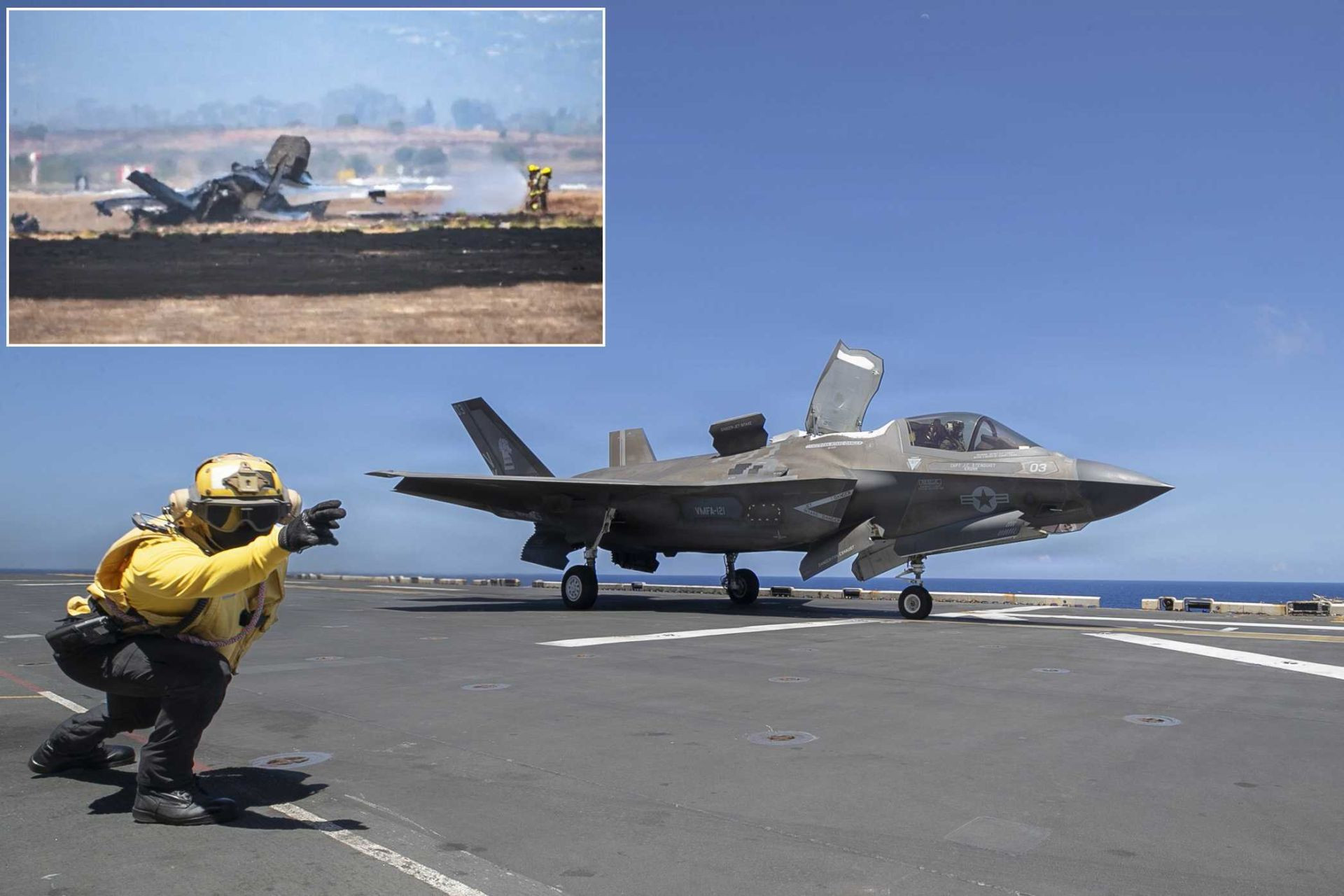
To date, there have been no signs of systemic technical failures on this aircraft, and no precautionary grounding orders have been issued. The F-35B is currently the world's only fifth-generation stealth fighter capable of short take-off and vertical landing (STOVL), costing approximately $110 million per aircraft.
Technically, the F-35B's STOVL capability comes from the Rolls-Royce LiftSystem. The Pratt & Whitney F135 main engine delivers approximately 29,000 horsepower to a two-stage lift fan behind the cockpit, combined with a three-bearing rotating nozzle at the tail to generate vertical lift. This feature allows combat units to disperse forces across makeshift runways, damaged airfields, or small landing craft decks instead of relying on fixed bases.


