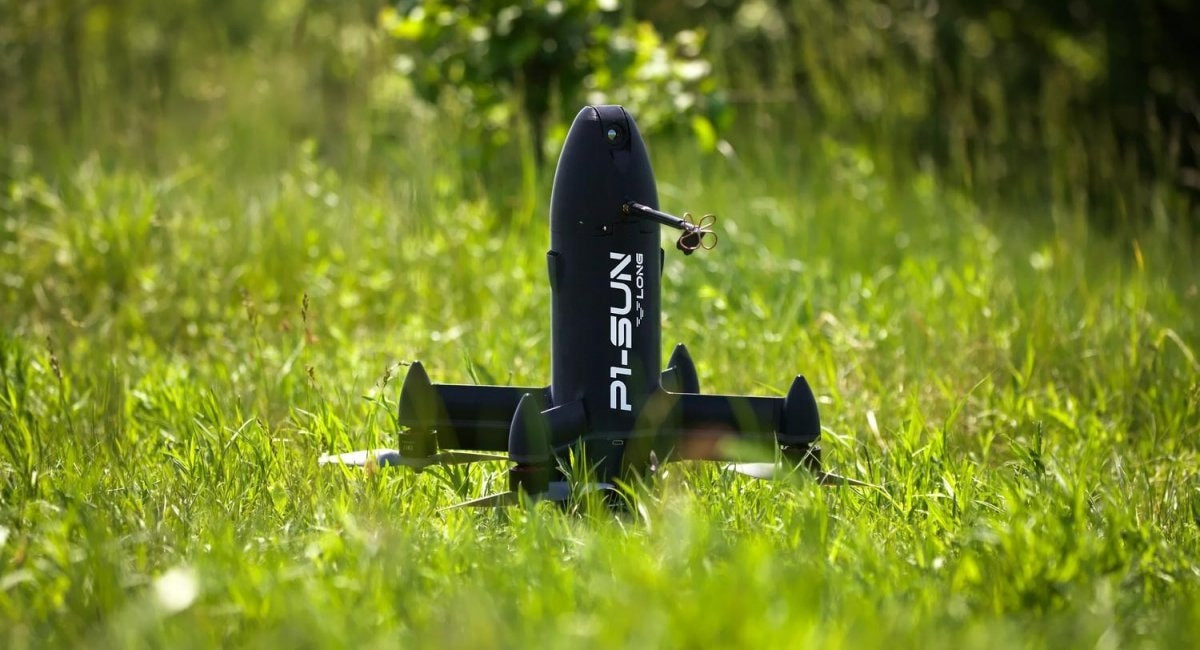
Russia upgrades Geran jet-powered UAVs: Speed challenges Ukraine's interceptor systems.
Geran variants, powered by jet engines, can reach speeds of 600 km/h, significantly reducing reaction times and creating an urgent need for new interception technology.
The increasing prevalence of jet-powered Geran UAV variants is changing the landscape of air defense operations in Ukraine. While inexpensive interceptor drones previously dealt effectively with propeller-driven UAVs, the increased speed and altitude of this new generation are creating significant technical barriers for defense forces.
The challenge posed by the superior speed of jet-powered UAVs.
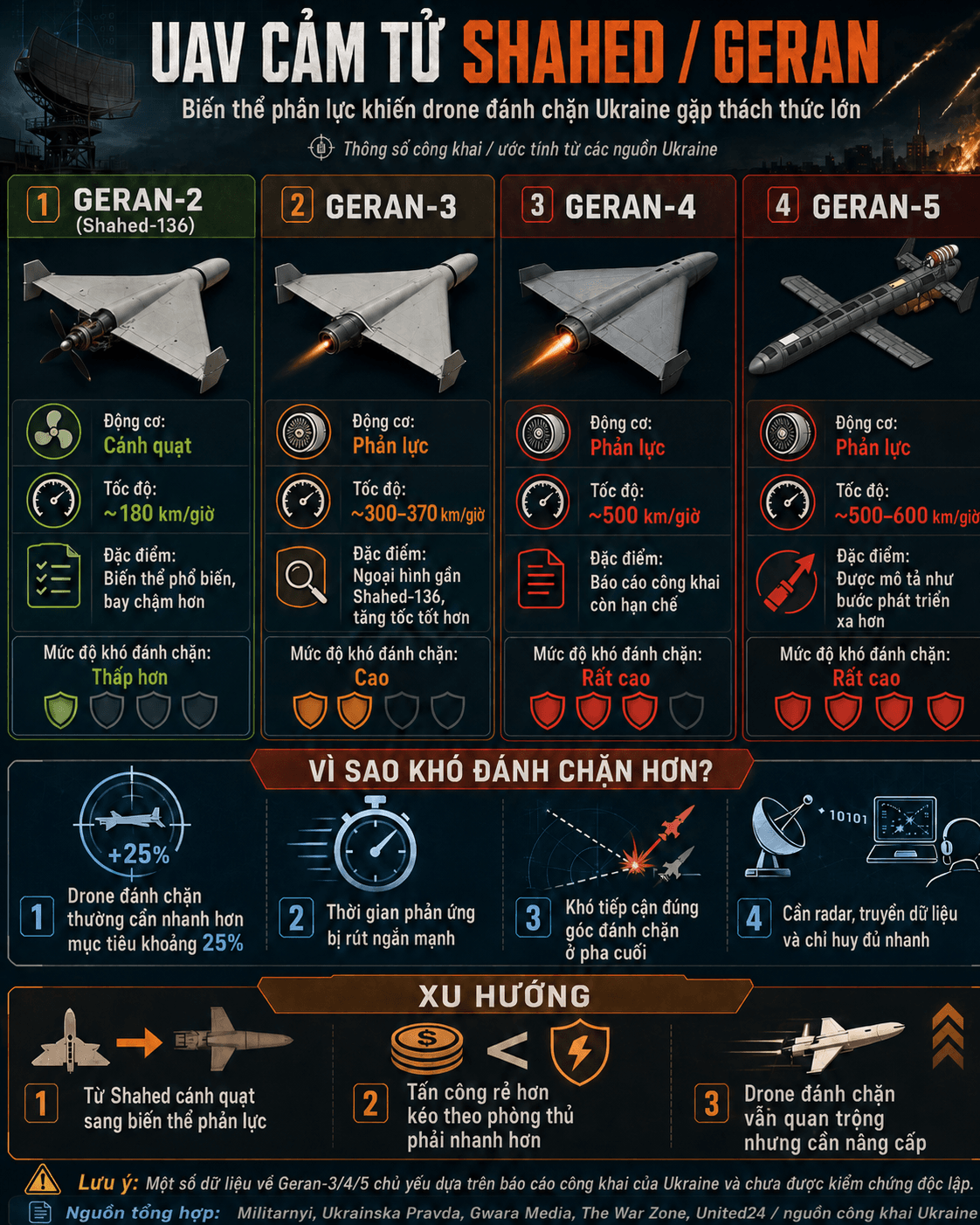
According to data from Militarnyi, the Shahed/Geran models equipped with jet engines are capable of reaching speeds exceeding 300 km/h. From a military technical standpoint, to ensure consistent interception capabilities, defensive devices typically need to maintain a speed at least 25% higher than the target. This allows the interceptor drone to approach at the correct angle and destroy the target before it leaves the detection zone.
The switch to jet engines significantly shortens the reaction time of air defense systems. Unlike traditional propeller engines, the jet variant, if detected late, will not give interceptor drones enough time to accelerate, approach, and destroy the target.
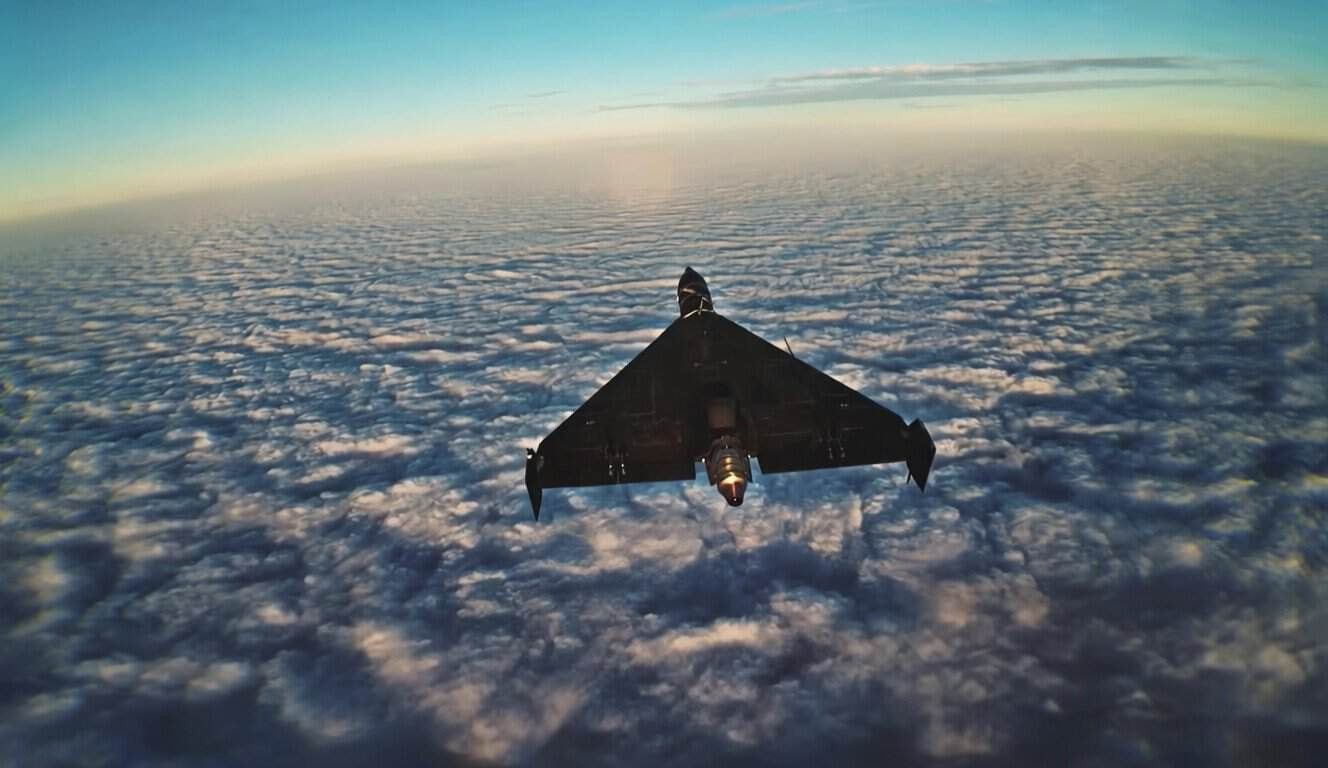
Technical analysis of Geran-3, 4, and 5 variants
The Russian jet-launched UAV is believed to be developed based on the Iranian Shahed-238 platform. Battlefield reports and technical analyses note the presence of Geran-3, Geran-4, and Geran-5 versions with significant performance improvements:
- Geran-3:It has an aerodynamic design similar to the Shahed-136 but incorporates jet engines, reaching a cruising speed of approximately 370 km/h.
- Geran-4:Preliminary reports suggest this version could reach speeds of up to 500 km/h.
- Geran-5:The most advanced variant currently available has a top speed ranging from 500 to 600 km/h, depending on the load configuration and accompanying electronics.
This trend reveals a clear tactical shift: Russia is seeking to break the advantage of inexpensive defense systems by increasing flight speed, making it more difficult to track them with FPV drones or anti-aircraft artillery.
Tactical consequences for the air defense network.
High speed creates three main technical challenges for defense systems. First, the time from radar detection to target approach of the protected area is drastically shortened. Second, optical observation systems and ground-based radar struggle to maintain tracking of low-flying targets at high speeds. Third, interceptor drones require extremely precise control algorithms to avoid losing track during the final approach phase.
In border areas like the city of Kharkiv, the flight time of jet drones from Russian territory can be measured in seconds. This forces the entire process, from detection and warning signal transmission to firepower allocation, to be carried out at extremely high speed, compressing traditional operational procedures.
Multi-layered defense strategy and the role of Brave1
Representatives from Brave1 – Ukraine's defense technology innovation cluster – stated that interceptor drones remain a crucial component of air defense networks due to their cost-effectiveness. However, to counter the new generation of jet-powered UAVs, these devices cannot operate independently.
An effective defense system today requires synchronized coordination between early warning radars, an integrated control center, and a real-time data network. For jet targets, Ukraine is prioritizing the development of drone models capable of instantaneous acceleration, improved approach angles, and upgraded auto-lock algorithms.
Although jet engines have drawbacks such as high fuel consumption, which can reduce range or warhead weight, their ability to penetrate air defenses is a reality that forces adversaries to adapt. The race between inexpensive offensive and defensive capabilities is entering a new phase, where speed and signal processing technology will determine effectiveness on the battlefield.