
Russia approves domestic avionics system for Tu-214, challenging the US.
The Russian Federal Air Transport Agency has licensed a domestically developed collision avoidance and ground approach system for the Tu-214 aircraft, ending its dependence on American technology.
The Russian Federal Air Transport Agency (Rosaviatsiya) has officially approved a major design change for the Tu-214 passenger aircraft, allowing for the integration of advanced domestically produced avionics systems. This move marks Moscow's direct challenge to the US's leading position in supplying key aviation equipment to the civilian market.
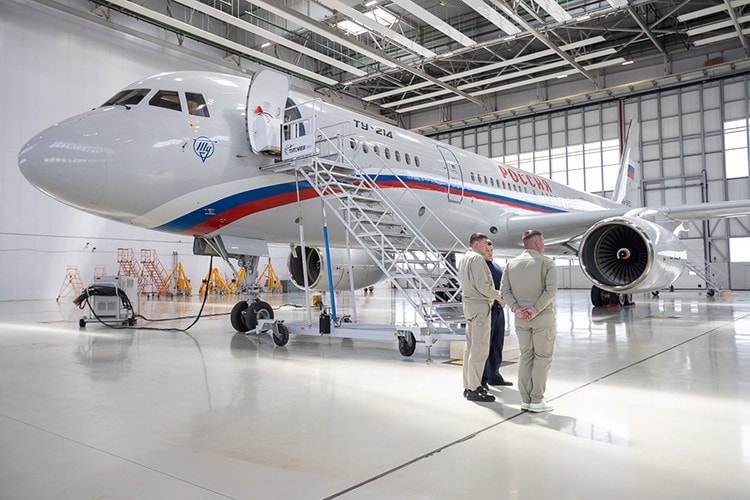
Successfully developed a domestic ACWS and GAR warning system.
The centerpiece of the upgrade is the first fully Russian-made Air Collision Warning System (ACWS) and Ground Approach Warning System (GAR). In addition, the aircraft is equipped with advanced avionics that reduce crew workload and optimize operational efficiency.
Previously, the American company Collins Aerospace (part of the RTX group) held the exclusive rights to supply these warning systems to passenger aircraft in Russia and much of the world. The US invested decades and enormous resources in developing this critical avionics component, creating widespread technological dependence.
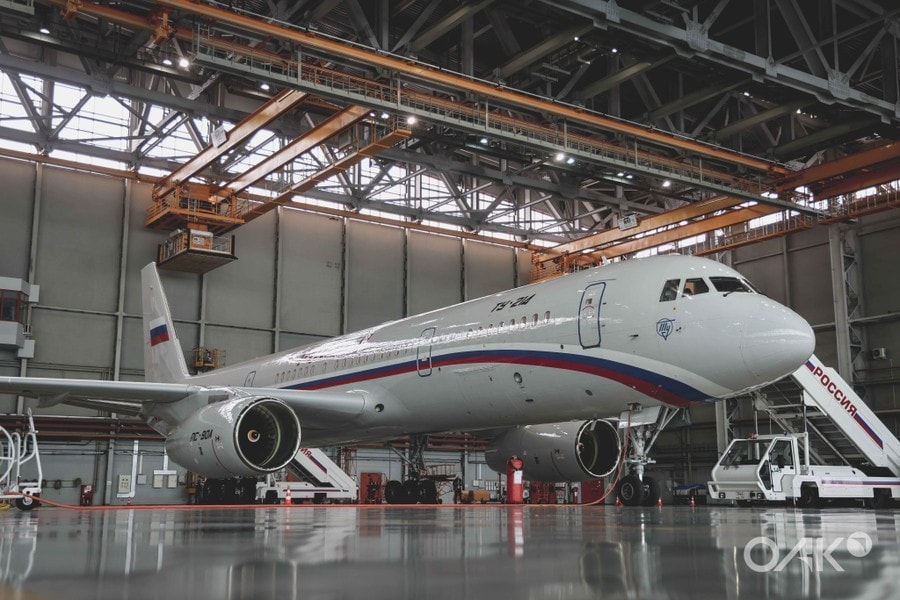
Import substitution strategy and market targets
Notably, the Russian side claims that the development process for the new system is significantly faster and more cost-effective than conventional standards. With this achievement, Russia becomes the second country in the world capable of independently producing this specialized line of aviation electronics, demonstrating progress in its import substitution strategy.
The new avionics system is expected to be limited to the Tu-214 series but will also be deployed on many other domestic aircraft models. Moscow's goal is to establish mass production lines to compete directly with the US and Europe in the international civil aviation market.
Challenges regarding international certification
However, military and aviation experts note that Russia's new equipment has not yet undergone verification by independent external agencies. Therefore, the certification issued by Rosaviatsiya may face international legal doubts, and it remains unclear whether aircraft equipped with this system will be permitted to operate in the airspace of other countries.


