
Russia launched 243 Iskander missiles and UAVs to attack Ukrainian energy infrastructure.
In a large-scale attack on the night of February 11th, Russia launched 24 missiles and 219 drones into Ukraine, causing serious damage to heating and power grids in many areas.
According to reports from the Ukrainian Air Force, during the night of February 11th and the early morning of February 12th, Russian forces launched a large-scale combined attack on Ukrainian territory. A total of 243 weapons of various types were deployed, primarily targeting critical infrastructure.
The scale and methods of attack by Russian forces.
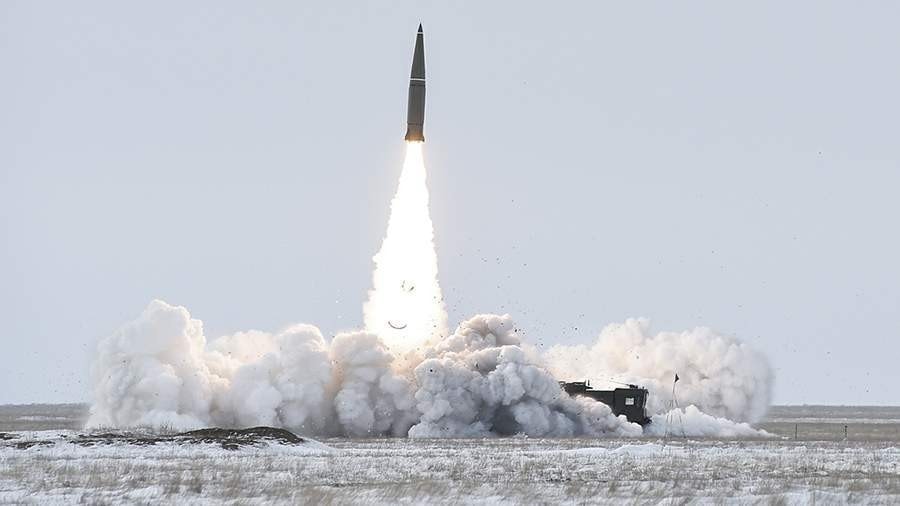
The attack involved 219 unmanned aerial vehicles (UAVs), including both attack and decoy types, along with 24 missiles of various types. The identified missiles included Iskander-M ballistic missiles, S-300 systems, and Kh-59/69 long-range air-to-ground missiles.
Tracking data shows that UAVs were launched from the Kursk, Oryol, Millerovo, Bryansk, Primorsko-Akhtarsk, Shatalovo, and Crimea regions. Meanwhile, missile launches were fired from the Bryansk, Voronezh, and Rostov provinces of Russia.
Interception effectiveness and infrastructure impact
As of the morning of February 12th, Ukrainian air defense systems claimed to have successfully neutralized 213 targets, including 197 UAVs and 16 missiles. However, 9 missiles and 19 UAVs still breached the defenses, striking 13 key areas. Several other weapons disappeared from radar screens, and their specific consequences are currently unknown.
DTEK, Ukraine's largest private energy company, announced it had to implement emergency power outages in several provinces after its energy infrastructure was targeted. In Kyiv, the loss of heating systems affected nearly 2,600 residential buildings.
Severe damage in Odessa and Dnipro
In Odessa, widespread power outages have left approximately 300,000 residents without running water. Nearly 200 buildings in the city are currently without heating. Meanwhile, in Dnipro, the heating supply for 10,000 consumers has been completely cut off.
Currently, technical teams are working to restore the system and deploy alternative energy sources to stabilize the lives of people in the most severely affected areas.


