
Russia accelerates ballistic missile production: A challenge for Ukraine's air defense system.
Russia's soaring missile production capacity has put Ukraine's Patriot interceptor missile stockpile on high alert, as Western supplies are unable to keep up.
International military analysts believe Ukraine is facing a serious technological and arms production imbalance compared to Russia. According to the New York Times, Moscow has demonstrated an unprecedented ability to increase the scale and frequency of ballistic missile production and deployment, while Kyiv's air defense network is gradually becoming depleted.
Russia's missile production capacity has surged.
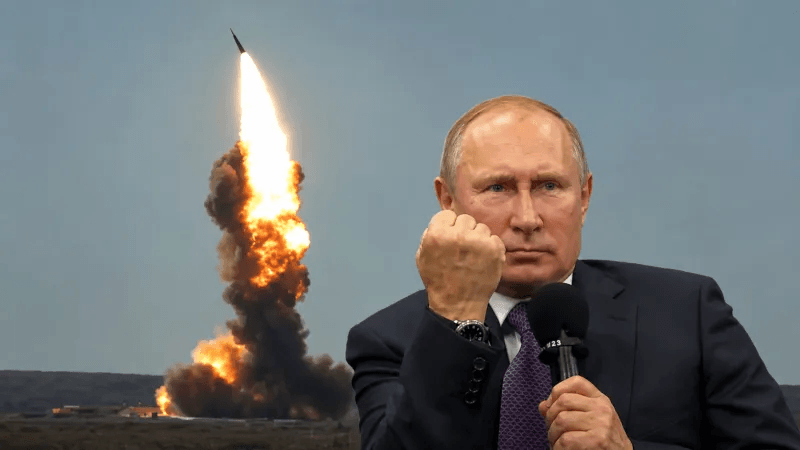
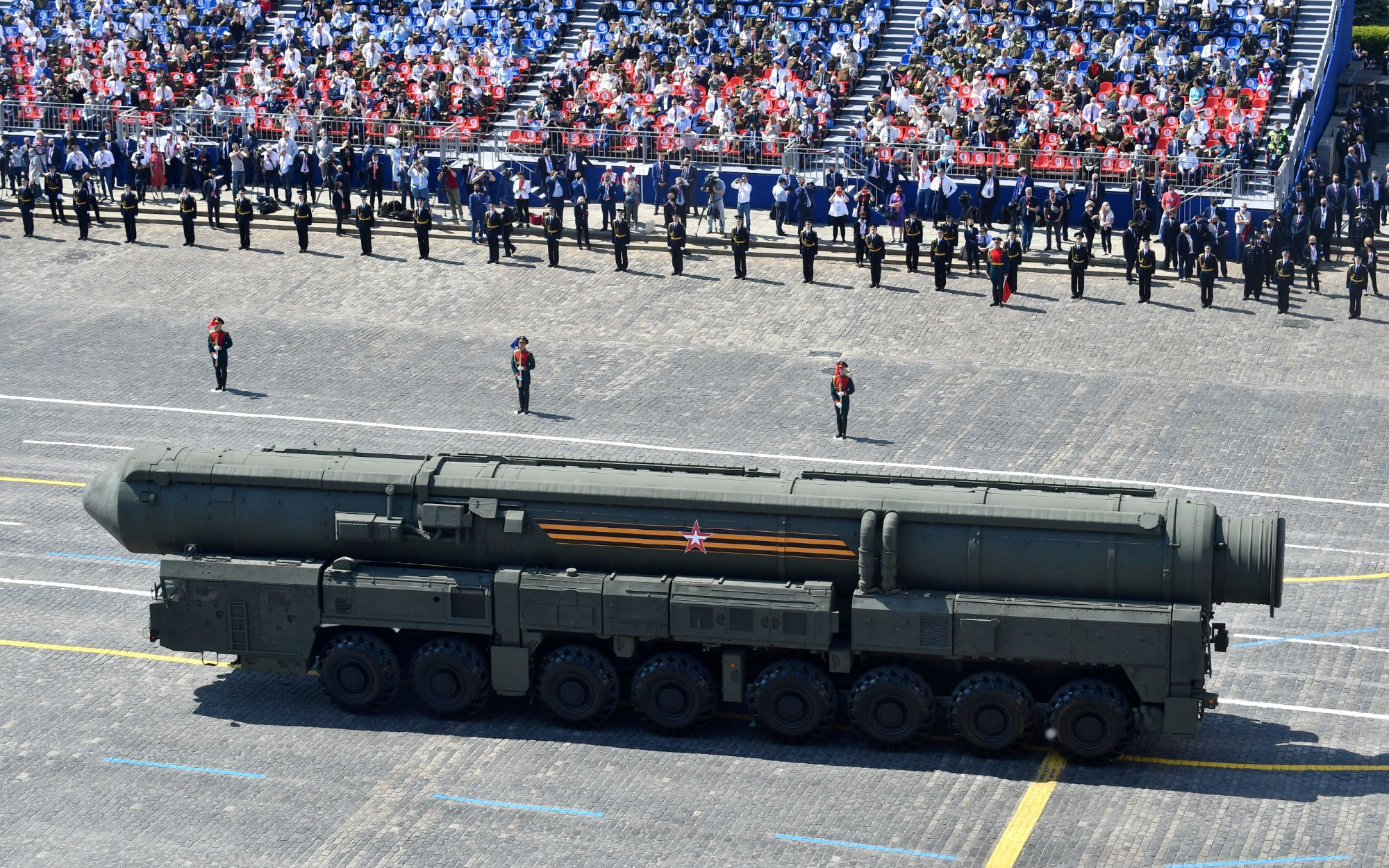
Aggregate data from security experts and military officials reveals a significant surge in the number of long-range weapons in Russia's arsenal. In 2023, the Russian military used 74 ballistic missiles. By the end of 2025, this number had increased eightfold, reaching approximately 600. In the first half of this year, 410 ballistic missiles were fired, and the total number of missiles for the entire year of 2026 is projected to reach 900.
This increase puts immense pressure on defense systems. Unlike cruise missiles, ballistic missiles have a high flight trajectory and extremely high speeds as they descend towards their target in the final phase. Intercepting them requires the most advanced and expensive technology available today.
Western interceptor missile supply crisis
In contrast to Russia's production rate, the West's missile interceptor supply capacity is reaching its limits. The most modern missile, the PAC-3 Patriot manufactured by Lockheed Martin, only achieves a global production of approximately 620 missiles per year. This number is barely enough to offset the number of missiles Russia fired in 2025 and is significantly lower than the forecast for 2026.
Since receiving its first Patriot system, Ukraine has acquired more than 1,600 missiles, but the majority are the older PAC-2 variant, which has lower ballistic missile interception performance than the PAC-3. Aviation expert Valery Romanenko, a former Ukrainian air defense officer, said that many Patriot launchers in the battlefield are frequently idle due to a shortage of ammunition.
Pressure from the global arms market and operational costs.
Ukraine's missile supply is also being affected by increased demand from the Gulf region. Wealthy nations there are willing to pay large sums of cash for Patriot missiles to protect their national security, creating direct competition with aid to Kyiv.
Furthermore, the economic implications of war are a subject of debate. Using a PAC-3 missile, costing between $4 and $5 million, to intercept inexpensive suicide drones is considered a waste of strategic resources. In fact, Ukrainian crews have been shown to fire multiple Patriot missiles just to destroy a single slow-flying UAV.
Ukraine's localization efforts
Faced with a difficult situation, Ukraine's defense company Fire Point announced it is testing a domestically developed missile defense system with the FP-5 "Flamingo" prototype. However, experts believe that developing a system with capabilities equivalent to the PAC-3 is an almost impossible challenge for Ukraine at present. Such a program would require decades of research and safe testing space, resources that Ukraine lacks in the context of the current conflict.


