
Russia discusses cooperation with India on Su-57, along with S-400 and S-500 missile systems.
The Kremlin confirmed that Putin will discuss Su-57 cooperation with India during his visit to Delhi; Indian sources indicate that further S-400 agreements may be signed and discussions on S-500 could take place, with a proposal for in-depth technology transfer.
Kremlin spokesman Dmitry Peskov said Russian President Vladimir Putin will certainly discuss cooperation in the production of the fifth-generation Su-57 fighter jet with Indian Prime Minister Narendra Modi during his visit to Delhi this week. According to Indian sources, in addition to the Su-57, an agreement to sell additional S-400 battalions is expected to be signed, and negotiations on the longer-range S-500 strategic air defense system will also be underway.
Peskov said Russia is expanding joint production with India in many areas, emphasizing the “very, very high level of cooperation” and asserting: “Whatever can be shared with India, we will share.” In addition to defense cooperation, the talks also covered the Chabahar Port and the Chennai-Vladivostok trade route.
Technical and industrial analysis
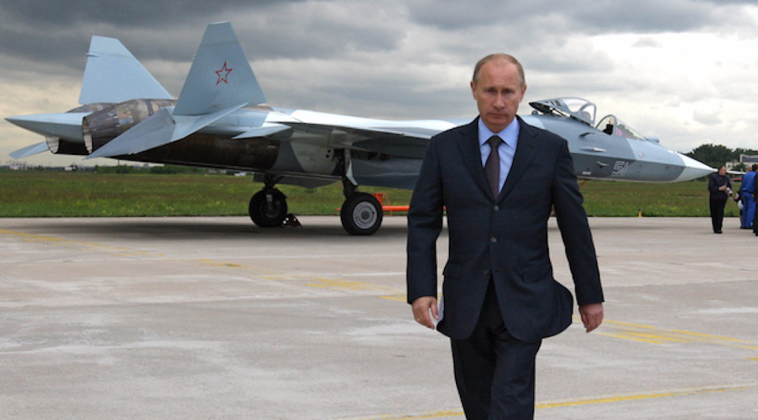
In late November, Russian Ambassador to India Denis Alipov stated that both sides continued to make progress in negotiations for licensed production of the Su-57. According to him, the Su-57E platform could be utilized to support India's own fifth-generation fighter jet program. The Russian side emphasized the unprecedented level of technology transfer and localization of production, in line with the "Make in India" and "Self-Reliant India" initiatives.
In May, Russia offered the Indian Ministry of Defence full access to the Su-57 source code as part of a large-scale production concession agreement. According to Russian sources, this would give India a high degree of autonomy in operation and customization, including the integration of domestically produced avionics and weapons. Russian sources emphasized that no other fifth-generation fighter jet has been exported with such a level of autonomy, not even in the F-35 deals with the UK and Israel.
Tactics and force deployment
Information from Russia indicates that the Su-57 has been tested in air defense suppression missions (SEAD) in the Ukrainian theater of operations, operating in highly protected airspace and engaging enemy aircraft. In terms of operational concept, if negotiations between the Su-57 and the S-400/S-500 systems progress, this combination could create a synergistic effect: the stealth fighter would handle suppression, air superiority, and deep penetration, while the long-range air defense network would serve as a deterrent and shield for critical airspace. The S-500 is described as a longer-range strategic air defense system than the S-400, but specific technical details are not available in current sources.
Progress, deployment milestones, and force configuration.
In November, Russia confirmed the first overseas delivery of Su-57s, with two aircraft entering service with the Algerian Air Force, paving the way for the formation of a squadron by 2026. In India, Defence Minister Rajesh Kumar Singh said in July that negotiations on the Su-57 were ongoing and “sensitive” – he would provide information to the media when a specific stage was reached.
Indian media reports suggest the concession plan could begin with the purchase of two squadrons of Russian-made Su-57s (20 aircraft each), followed by five more squadrons manufactured in India. This is a reference roadmap based on Indian sources and has not been officially announced.
Comparison and reliability of information
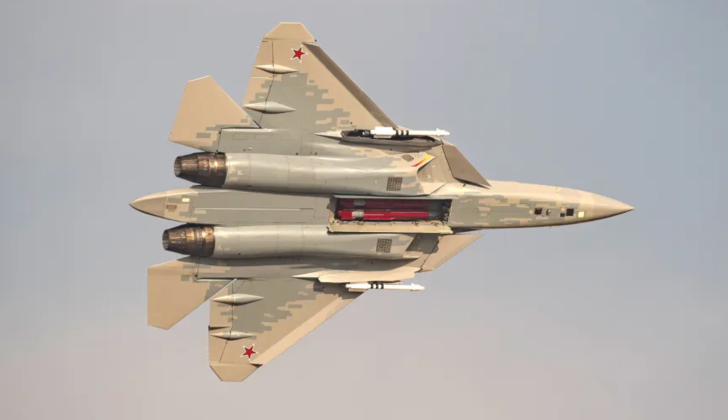
Compared to known export packages for fifth-generation fighter jets, the offer of access to source code and a high level of localization that Russia has outlined for the Su-57 is described as unprecedented. These claims are made by Russian officials and sources; details of the contract and the actual scope of delivery will have to wait for the official document.
Regarding India's operational needs, sources suggest that the effectiveness of its Rafale fleet (36 aircraft) is a factor in discussion. There are reports that one to four Rafales were shot down in clashes with Pakistan in May; this information is cited in the source and has not been independently confirmed. Simultaneously, the source mentions the expectation of integrating some 6th-generation technologies into the Su-57 from the mid-2030s, aiming to maintain combat effectiveness into the next era; this is a forecast, without accompanying technical specifications.
Impact and prospects
If agreements on the Su-57, S-400, and discussions on the S-500 progress, Russian-Indian defense cooperation will expand towards joint production and increased technological self-reliance for India, in line with the "Make in India" initiative. Simultaneous negotiations on land, sea, and air defense (from commercial routes to air defense) indicate a broad agenda, but all final assessments must be based on signed documents and official implementation plans.


