
Russia to test the Khabarovsk nuclear submarine carrying Poseidon super torpedoes in 2026.
The Khabarovsk nuclear submarine, equipped with the Poseidon weapon, is about to enter testing, while the US and Türkiye are simultaneously deploying new military technologies.
Russia plans to begin sea trials of the Khabarovsk nuclear submarine in 2026. This is a significant step following the vessel's launch in November 2025, during which its systems are currently being finalized at the Sevmash shipyard in Severodvinsk.
The Khabarovsk nuclear submarine and Russia's new design philosophy.
The Khabarovsk submarine, part of Project 09851, was specifically designed from the outset to serve as the mother ship for the Poseidon nuclear-powered unmanned underwater vehicle. Unlike previous conversion options, the Khabarovsk marks a significant shift in the Russian Navy's design thinking, being fully optimized for carrying large unmanned systems.
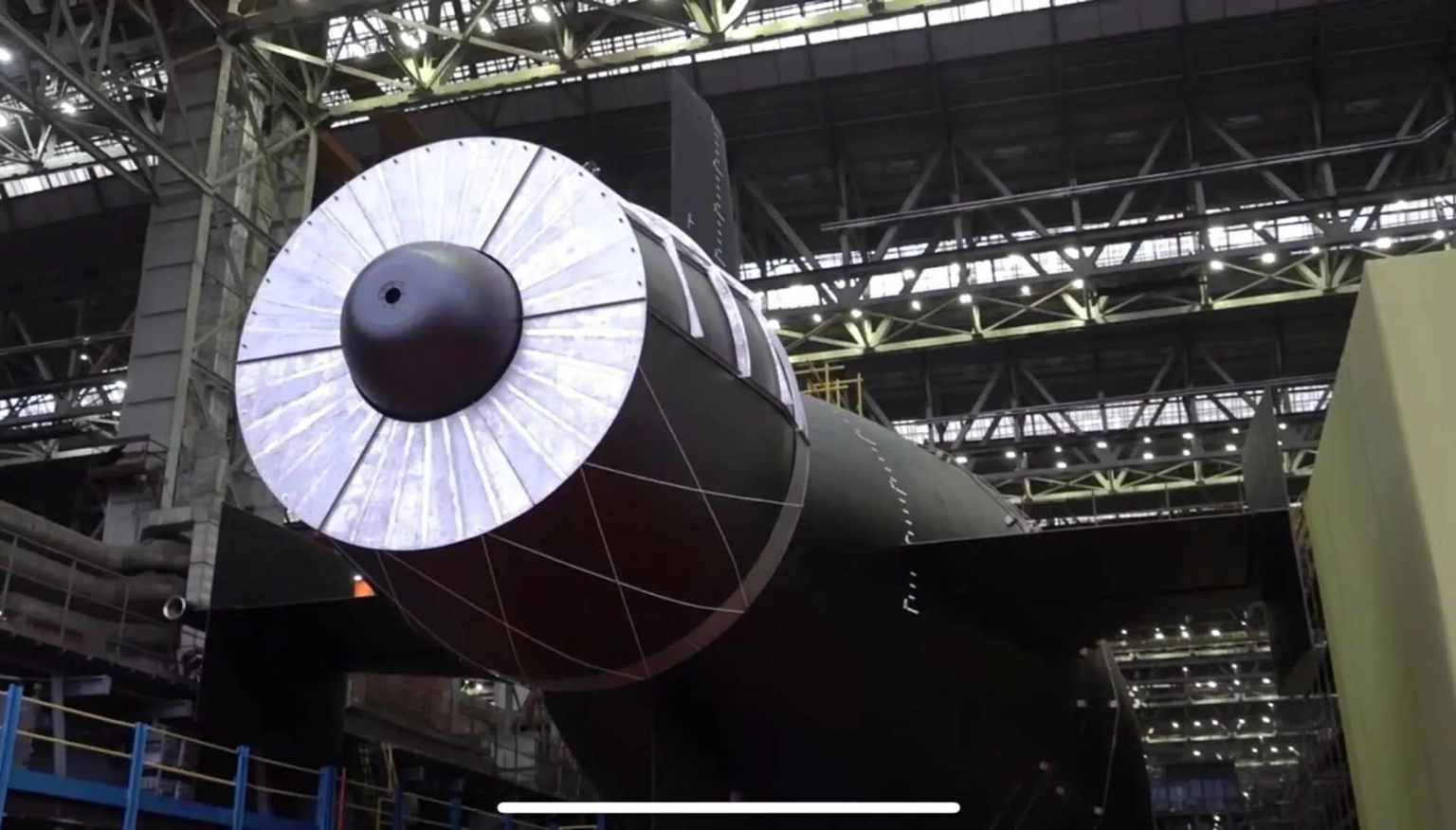
Technically, while inheriting hull characteristics from the Borei and Borei-A classes, the Khabarovsk eliminated the ballistic missile compartment to accommodate an interior suitable for its special mission. The ship has a displacement of approximately 10,000 tons and an estimated length of 113m to 140m. Its propulsion system utilizes a 200MW pressurized water nuclear reactor, transmitting power through a 50,000 horsepower turbine to a pump-jet propeller shaft, minimizing noise during operation.
The Khabarovsk's core armament consists of six Poseidon super torpedo tubes in its bow. In addition, the ship is equipped with conventional weapons such as 533mm torpedo tubes and Kalibr cruise missiles for self-defense. After completing trials, the Khabarovsk is expected to join the Pacific Fleet and be stationed on the Kamchatka Peninsula.
The US is urgently deploying XM204 anti-tank missiles to Europe.
Alongside Russia's actions, the US military has also just approved the emergency deployment of the XM204 anti-tank missile in Europe to enhance its ability to counter armored forces. This decision allows the XM204 to be put into service more quickly through the Emergency Materiel Release mechanism.
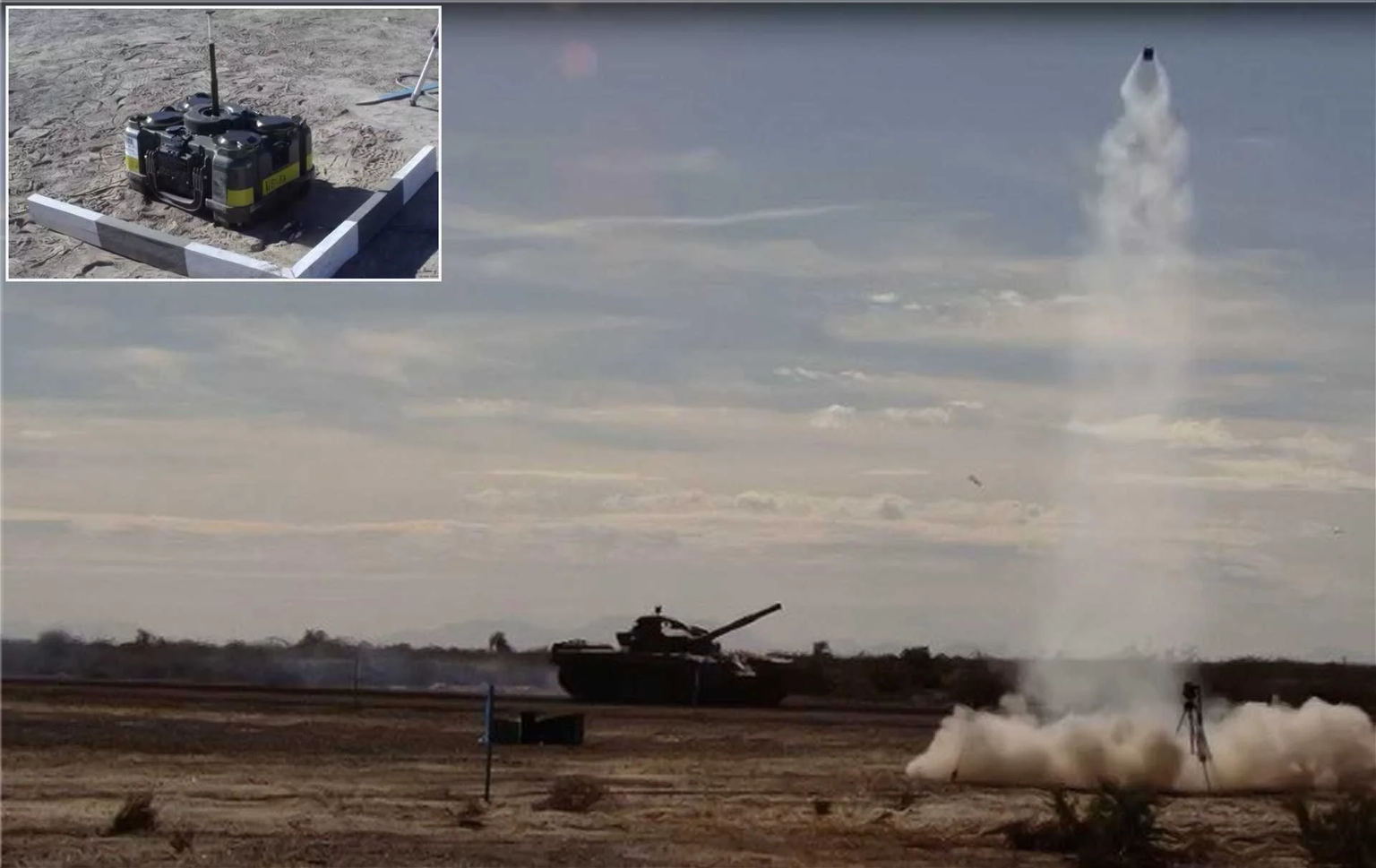
The XM204 is designed based on the concept of terrain-based combat, using a top-attack method. This method exploits the weakest point of modern armored vehicles such as the T-72 and T-90M tanks, where the armor is thinner than the front. Each XM204 system weighs 38 kg and carries four sensor-equipped submunitions with a kill radius of 50 meters. Notably, the system has a pre-programmed self-destruct mechanism to reduce post-conflict risks to civilians.
Türkiye commissions the E-ZPT electric armored vehicle.
In another development in army technology, Türkiye has officially commissioned its first mass-produced electric armored personnel carrier, the E-ZPT. This product was developed by the Mechanical and Chemical Industries Group (MKE) based on improvements to the chassis of the traditional M113 vehicle.
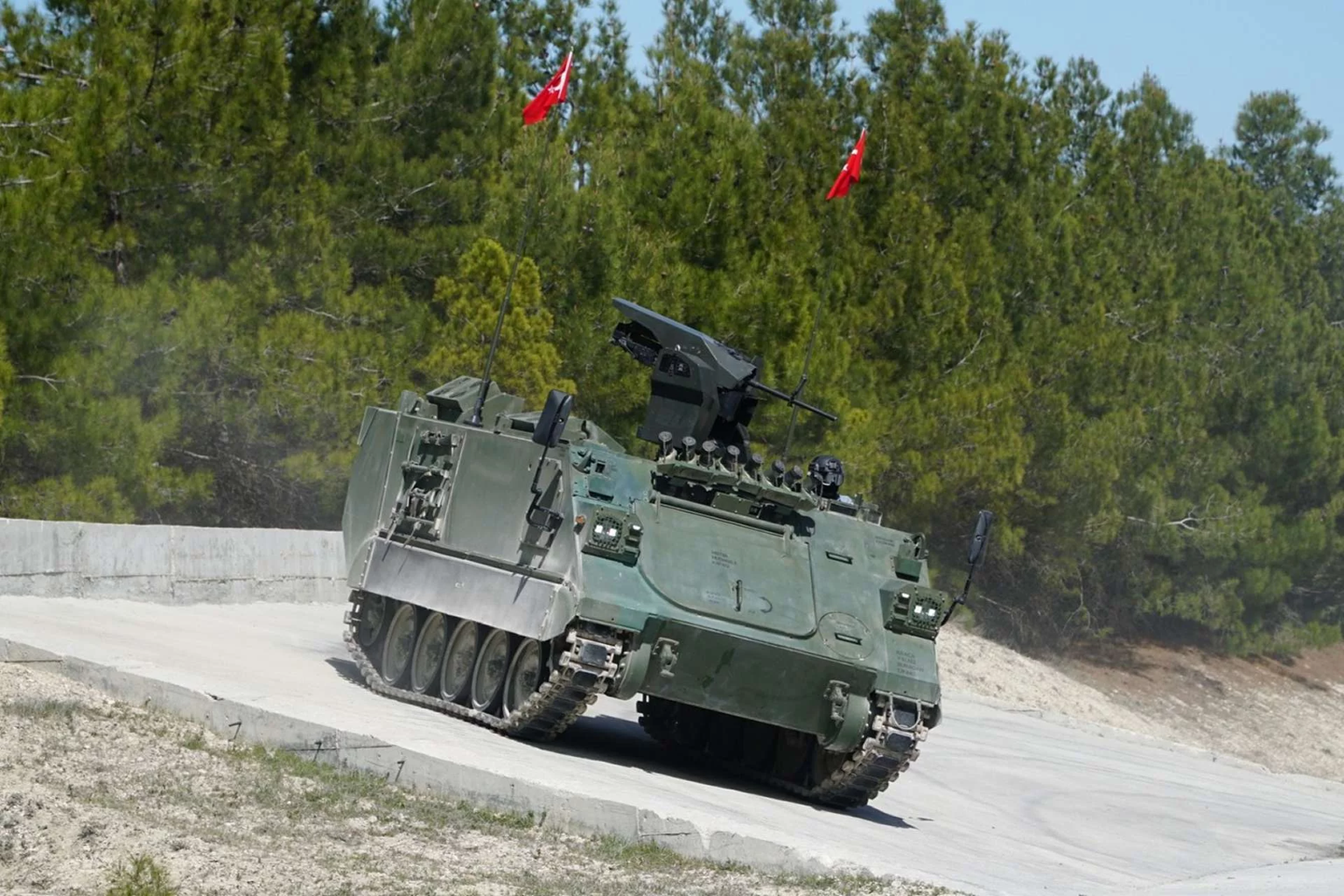
The E-ZPT uses an electric traction system combined with a large-capacity battery and an auxiliary generator. The vehicle has a range of 150km in pure electric mode and up to 650km in hybrid mode. The biggest advantage of the E-ZPT is its minimal acoustic and thermal signature, allowing infantry to approach target areas more stealthily. Weighing approximately 15 tons, the vehicle can carry 7 soldiers and is equipped with a remotely controlled 12.7mm caliber weapon station.


