
Russia equips Shahed drones with infrared blinding devices to counter interceptor UAVs.
Russia is testing a high-powered infrared blinding device on the Shahed UAV, aimed at saturating thermal imaging sensors and neutralizing Ukraine's drone-hunting tactics.
Russia's Shahed-series attack drones are undergoing a significant technological upgrade, transforming from purely inexpensive weapons into sophisticated combat platforms. The latest improvements focus on active defense capabilities to counter Ukraine's interceptor network.
How the new infrared glare system works
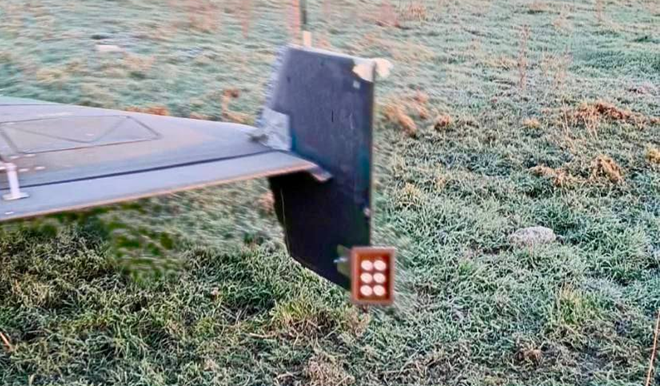
According to data from military expert Serhii Flash, Ukrainian defense forces have discovered a new device attached to the hull of the recently downed Shahed. Technical analysis reveals it to be a high-power infrared emitter, operating as a continuous or pulsating active light source in the infrared spectrum.
Unlike traditional thermal flares, which are typically launched to distract the thermal seekers of missiles, this device is designed to directly impair the enemy's ability to observe. In nighttime combat conditions, interceptors relying on thermal imaging cameras will have their sensors saturated by this high-intensity infrared light, causing image distortion and loss of target tracking.
Countering drone-hunting tactics
Russia's deployment of this "light shield" is seen as a direct response to Ukraine's tactics of using interceptor drones. Amid a shortage of anti-aircraft missiles, Kyiv has increased its use of FPV drones and high-speed fixed-wing UAVs to pursue Shahed at night.
These interceptor drone teams rely entirely on thermal imaging cameras to detect heat signatures from Shahed engines. When the infrared blinding device is activated, the interceptor drone's ability to track and approach its target is significantly reduced, especially during the decisive attack phase.

The technological evolution of the Shahed line
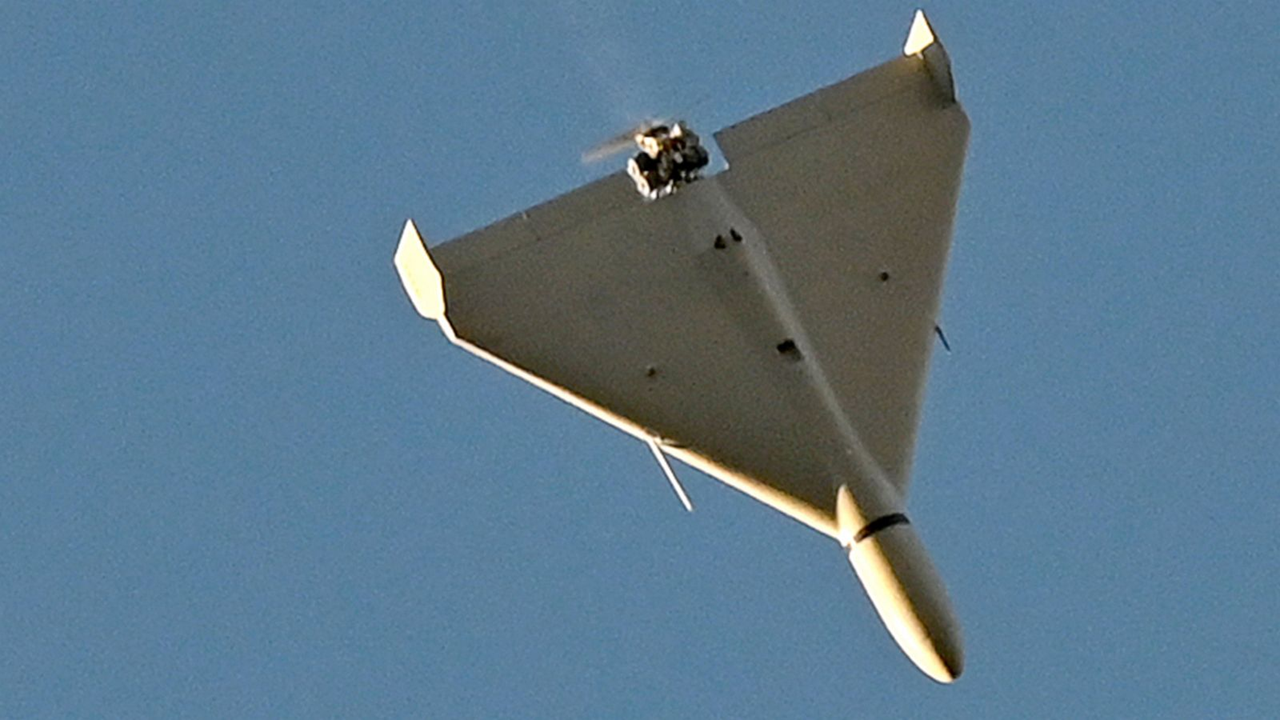
The integration of infrared jamming devices is the latest link in the ongoing upgrade roadmap for the Shahed-136/131 series. Russia has been progressively implementing technical solutions to increase the survivability of this weapon:
- Radar-absorbing materials:Special paints and materials are used to reduce the radar cross-section (RCS).
- Communication system:Integrating these devices allows for more flexible coordinate updates and flight path adjustments.
- Structural improvements:The modifications to carry additional electronic modules, while increasing weight and cost, were necessary.
Although these improvements have diminished the initial low cost, enabling UAVs to penetrate air defenses and attack high-value targets still provides Russia with a significant strategic advantage in a war of attrition.
Technical challenges for Ukrainian air defense
The emergence of the blinding device has forced Ukraine to seek new countermeasures. Military experts believe Kyiv may have to upgrade its image processing algorithms, use specialized optical filters, or integrate miniature radar into its interceptor drones.
Air conflict is shifting from a purely fire-based confrontation to a fierce competition in electromagnetic and optical space. Each technological advancement from one side quickly prompts countermeasures from the other, creating a continuous technological loop on the battlefield.


