
Russia to deploy a new generation of strategic weapons in 2025.
From the Oreshnik hypersonic missile to the S-500 air defense system, Russia is accelerating the realization of advanced military technologies to enhance its strategic deterrence capabilities.
In 2025, the Russian Federation continuously introduced and put into active service many new weapon systems. This arsenal ranges from hypersonic weapons and nuclear-powered vehicles to new generations of unmanned aerial vehicles (UAVs) and air defense systems, reflecting efforts to modernize its arsenal and enhance its overall combat capabilities.
The Oreshnik medium-range hypersonic missile is preparing for combat readiness.
According to a statement by Russian President Vladimir Putin, the Oreshnik medium-range hypersonic missile system is expected to officially enter active service before the end of 2025. Russia identifies this as a key weapon for maintaining strategic balance.
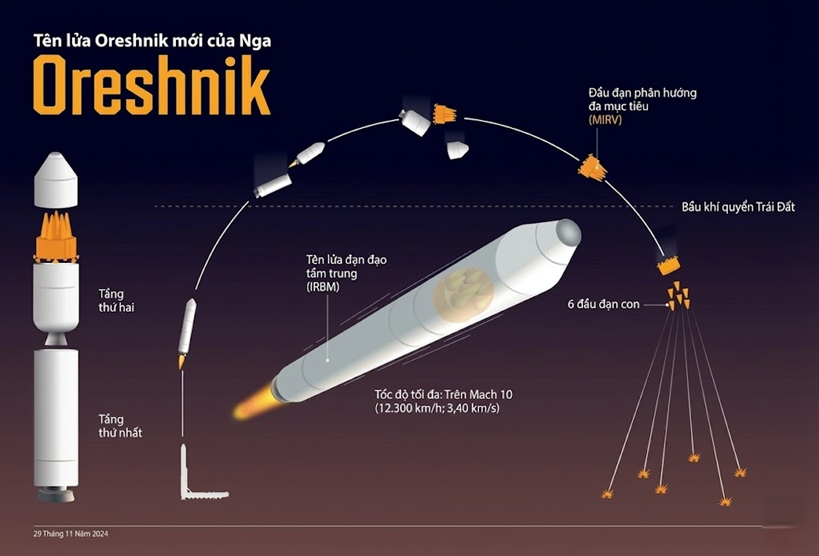
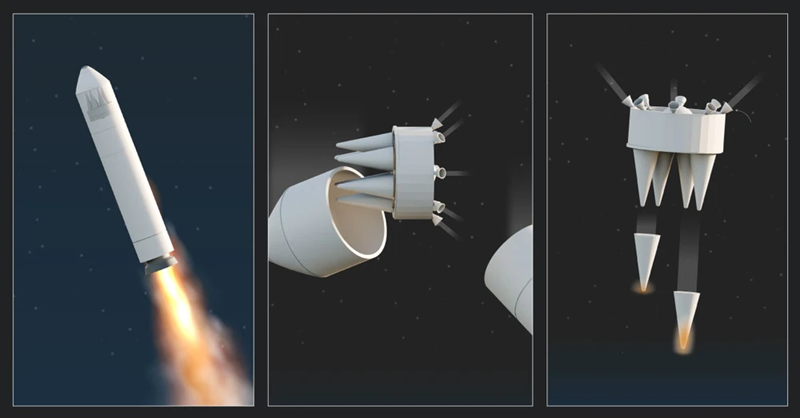
The Oreshnik is designed with a completely new architecture, capable of carrying multiple independently targetable reentry vehicles (MIRVs) and maintaining control in the terminal phase at speeds of Mach 10 (approximately 12,000 km/h). With an estimated range of 5,500 km and a payload of 1.5 tons, this missile can destroy hardened targets deep underground thanks to its impact temperature of up to 4,000°C.
This system was first used in practice in November 2024 against an industrial facility in Ukraine. Russia described it as a "combat test" and claimed that the Oreshnik's destructive power could be equivalent to a low-yield nuclear weapon even when carrying a conventional warhead.
Burevestnik and Poseidon: Nuclear-powered weapons
The 9M730 Burevestnik is an intercontinental ballistic missile powered by a nuclear jet. This technology allows the missile to have a virtually unlimited range and the ability to fly at low altitudes to penetrate modern defense systems.
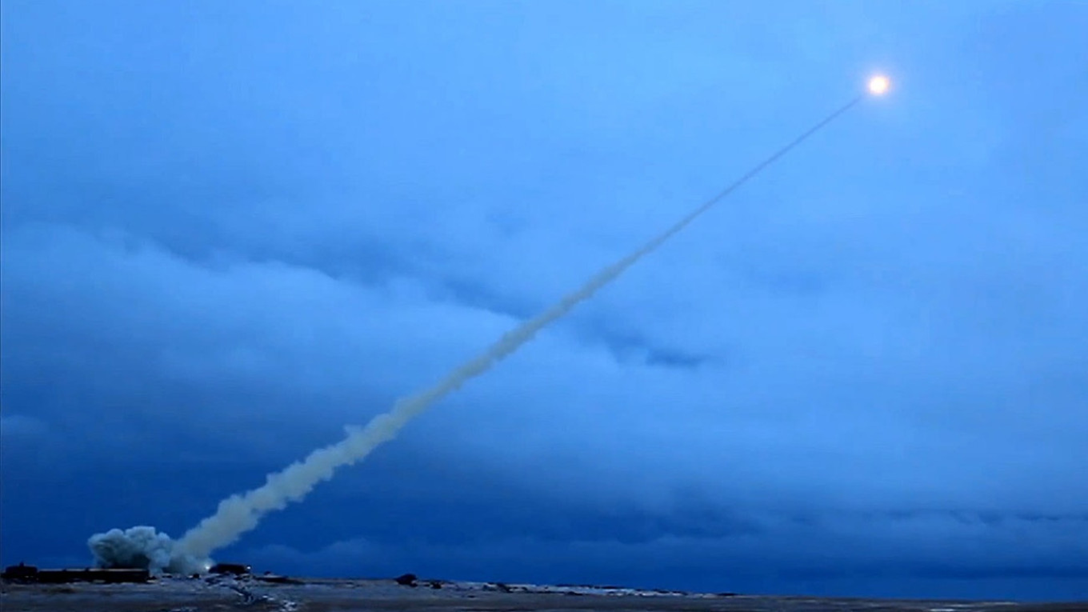
In October 2025, Russia announced the successful testing of the Burevestnik, which flew over 14,000 km in 15 continuous hours. However, the use of a mini-nuclear reactor on the missile also raised concerns about radiation safety, leading Western observers to call it the "flying Chernobyl."
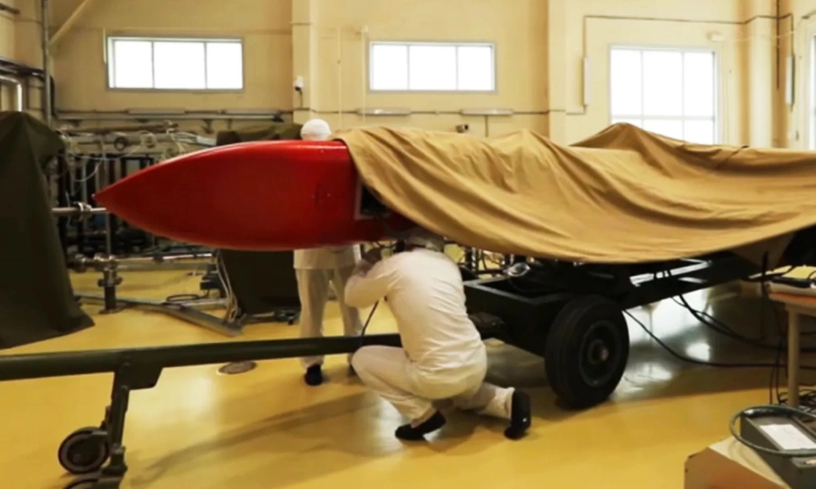
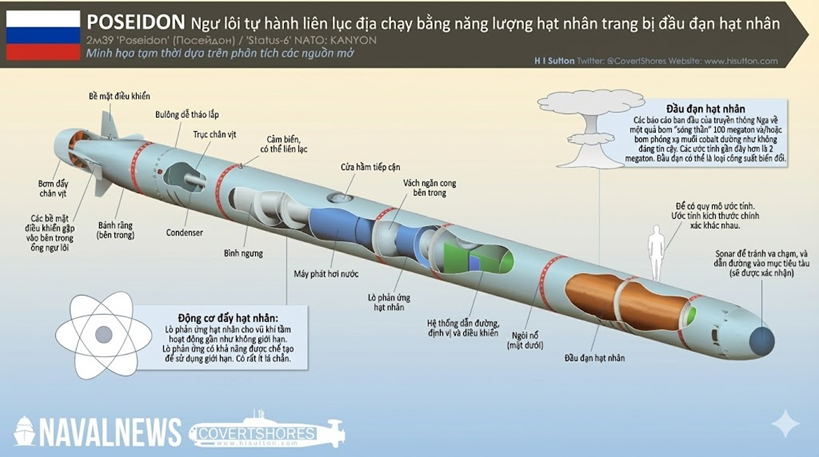
Simultaneously, Russia also perfected the Poseidon system – a 20-meter-long unmanned underwater vehicle (UUV). Poseidon is capable of diving to a depth of 1,000 meters, has a range of 10,000 kilometers, and can carry a 2-megaton nuclear warhead targeting carrier strike groups or coastal bases.
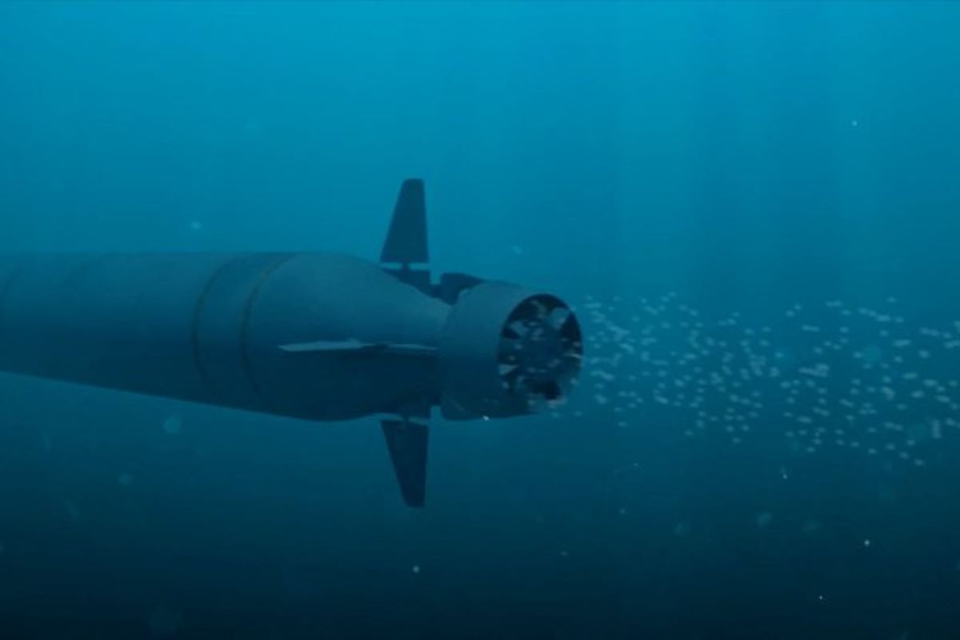
This system integrates artificial intelligence (AI) to automatically navigate and avoid obstacles at the bottom of the ocean. Russia has launched the Khabarovsk nuclear submarine to serve as a dedicated platform for carrying this strategic weapon.
Advances in glide bombs and Geran-series UAVs.
On the battlefield, Russia has significantly upgraded its free-fall bombs with the UMPK module, converting them into guided glide bombs with a range of 50 to 80 km.
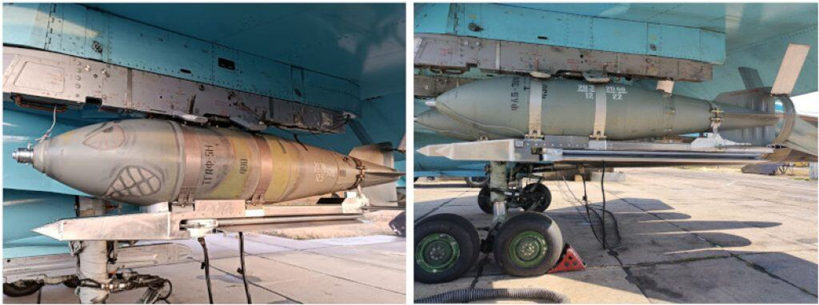
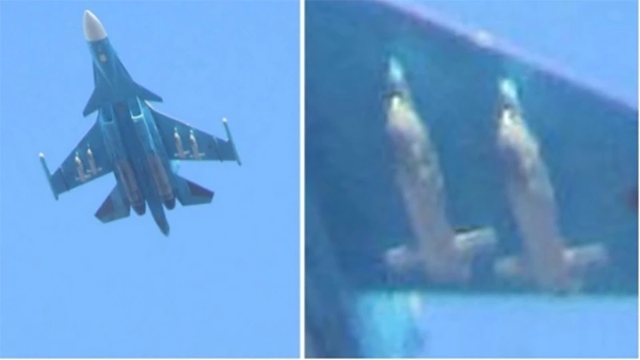
Most notably, the integration of turbojet engines into the glide bomb kit extends the range to at least 150 km, equivalent to the capabilities of cruise missiles but at a much lower production cost.
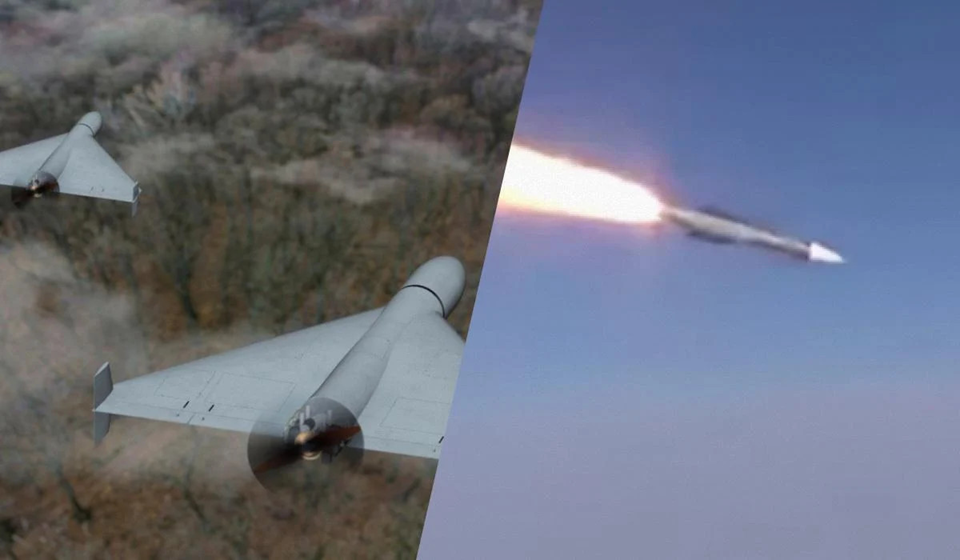
In terms of UAVs, the Geran series (the Russian version of the Shahed-136) is mass-produced in the Alabuga Special Economic Zone. New variants include the jet-powered Geran-3 and the Geran-2 version carrying a 100 kg twin-fired thermobaric warhead.
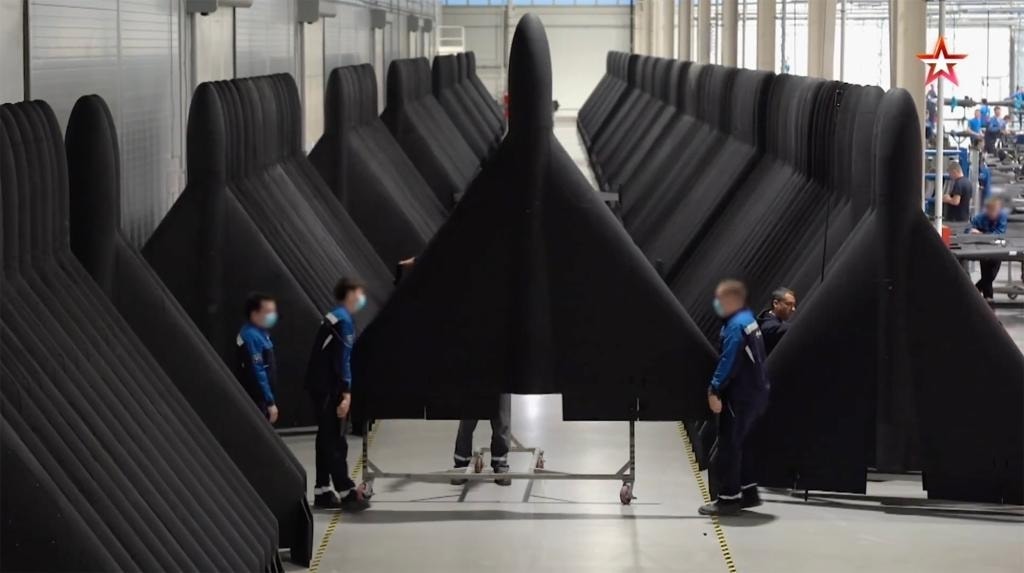
By the end of 2025, Russia will also introduce a Geran variant equipped with guided missiles to counter interceptor aircraft and helicopters, creating a new threat to enemy air defenses.

The S-500 air defense system has been officially deployed.
In late December 2025, Russian Defense Minister Andrey Belousov confirmed the deployment of the first S-500 air defense regiment. This is a multi-purpose system capable of intercepting hypersonic missiles and targets in low Earth orbit.
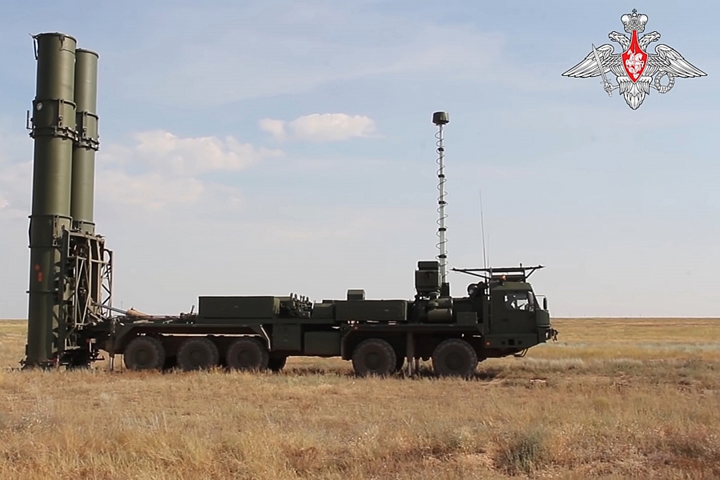
The S-500 does not completely replace the S-400, but rather serves as a high-level defense layer, linking the strategic missile shield and army air defense forces to counter threats from space and new-generation hypersonic weapons.


