
Russia is considering a bill to equip private security companies with heavy weaponry.
A new bill in Russia proposes allowing private security companies to use heavy weaponry to protect strategic infrastructure and effectively respond to drones.
The Russian government is drafting a key federal bill that would allow certain private security organizations (PSCs) to be equipped with heavy weaponry during special military operations. The goal of this move is to bolster security networks at critical infrastructure facilities against growing threats.
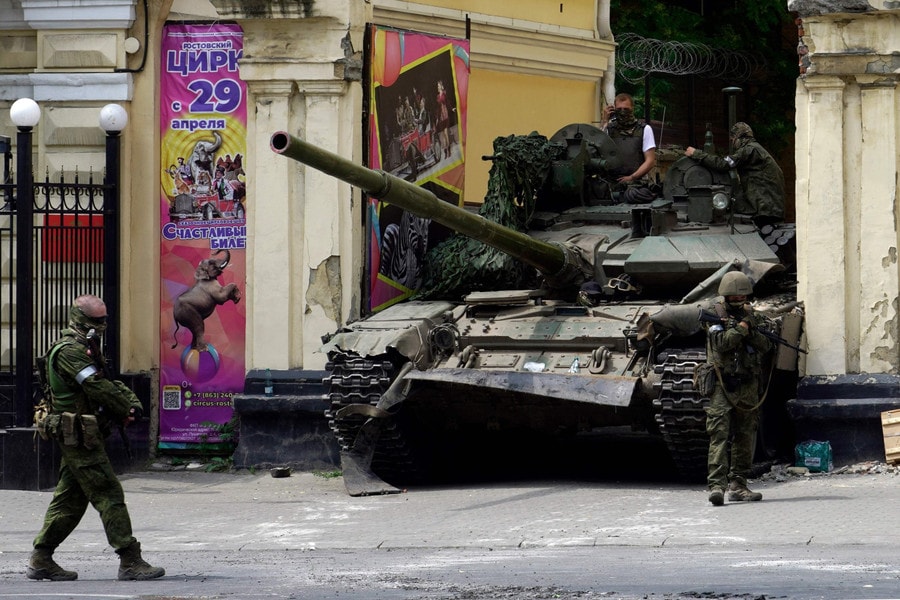
Enhancing the capacity to protect strategic infrastructure.
According to RIA Novosti, Mikhail Sheremet, a member of the State Duma (Russian Lower House) from Crimea and a member of the Security Committee, said that the draft law is in the process of finalizing approval procedures before being submitted to parliament for consideration. Sheremet emphasized that upgrading the weapons of private security forces is necessary to enhance counter-terrorism capabilities.
Specifically, these units will focus on protecting strategic facilities, particularly in the fuel and energy sectors. The heavy weaponry is expected to enable these organizations to respond quickly to potential threats, including drone attacks from adversaries.
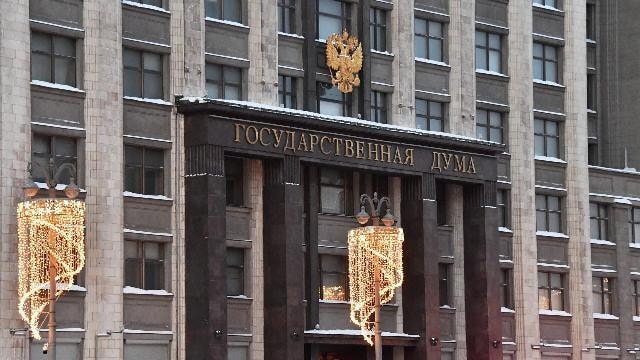
Regulations concerning the use of combat weapons.
The proposed bill would grant temporary combat weapons authorization to PSCs operating in areas or facilities with stringent counter-terrorism security requirements. However, this proposal is also facing mixed opinions and concerns from observers.
Many experts cite lessons from past experiences of handing over heavy weapons such as tanks, artillery systems, and anti-aircraft missiles to private military companies (PMCs). The significant consequences of these models raise the question of how to tightly control and manage these assets to ensure national security is not compromised when heavy weapons fall into the hands of private organizations.
Currently, the bill is still awaiting the completion of final legal procedures before being officially brought up for discussion in the Russian State Duma.


