
Undergrounding the North Canal - a major overhaul that needs solutions!
Bearing the responsibility of draining water for the city of Vinh, the North Canal has long been a source of pollution. When the plan to underground the remaining 3.2 km of the canal was proposed, public opinion was forced to weigh the options: Preserve the "green canal," or cover it with concrete to protect thousands of households from environmental pollution?
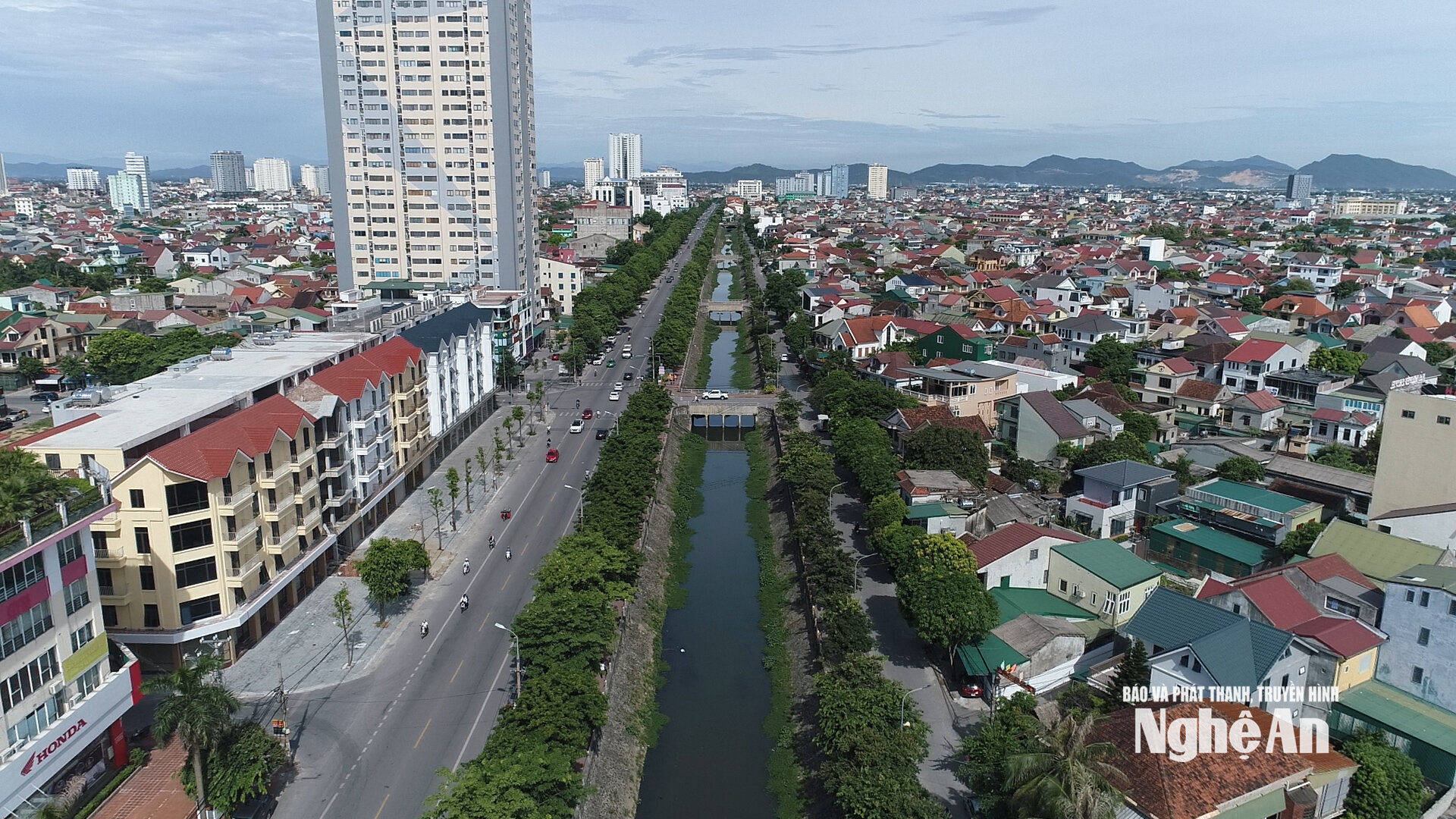
The aspiration for a "green river" and the limitations of infrastructure.
When the Nghe An Department of Construction announced that it was seeking opinions on the plan to underground the Bac Canal, the vast majority of people agreed with the policy. However, on online forums, many people expressed their concerns and sense of responsibility. They dreamed of a day when the Bac Canal would be cleared, becoming a lush green waterway winding through the city. Along with that would be rows of shady trees, stone benches for watching the sunset, a place where the elderly could leisurely stroll and children could play…
The desire to preserve an open canal and transform it into a linear park, as many developed countries have done, is a perfectly legitimate aspiration, reflecting a civilized vision and love for the city of Vinh. However, each city has its own unique topography and infrastructure. Unlike natural rivers or streams, the North Canal possesses distinct "biological characteristics"...
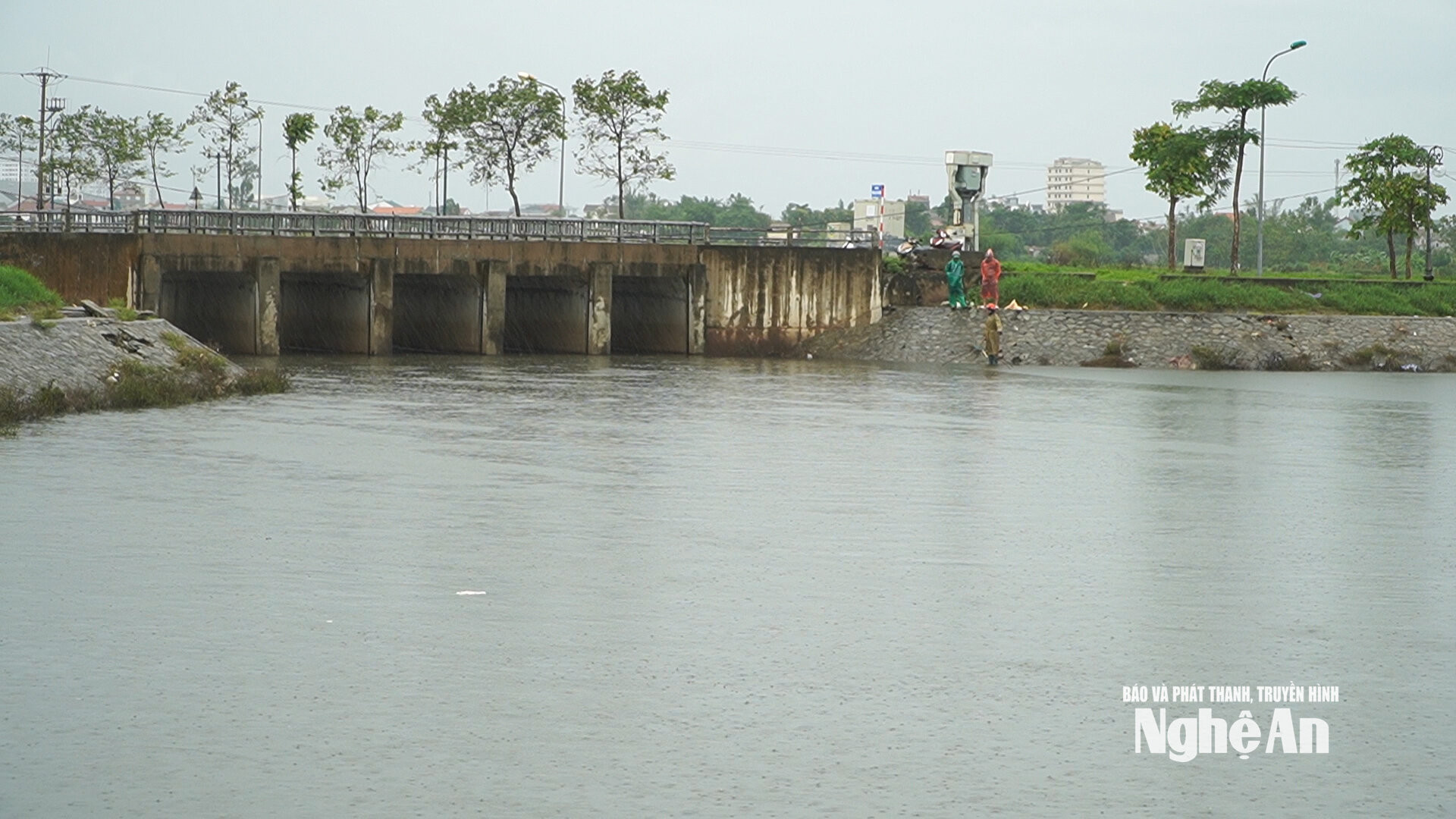
Essentially, the North Canal is a drainage canal. It is over 4.6 km long. Since 2015, a section of over 1 km (from Mai Hac De Street to the intersection of Nguyen Van Cu and Nguyen Sy Sach streets) has been undergrounded, resolving complaints about the area's appearance. The remaining 3.2 km, extending to Hung Hoa regulating lake, despite having its embankment and water separation system installed in 2016, remains a localized source of pollution.
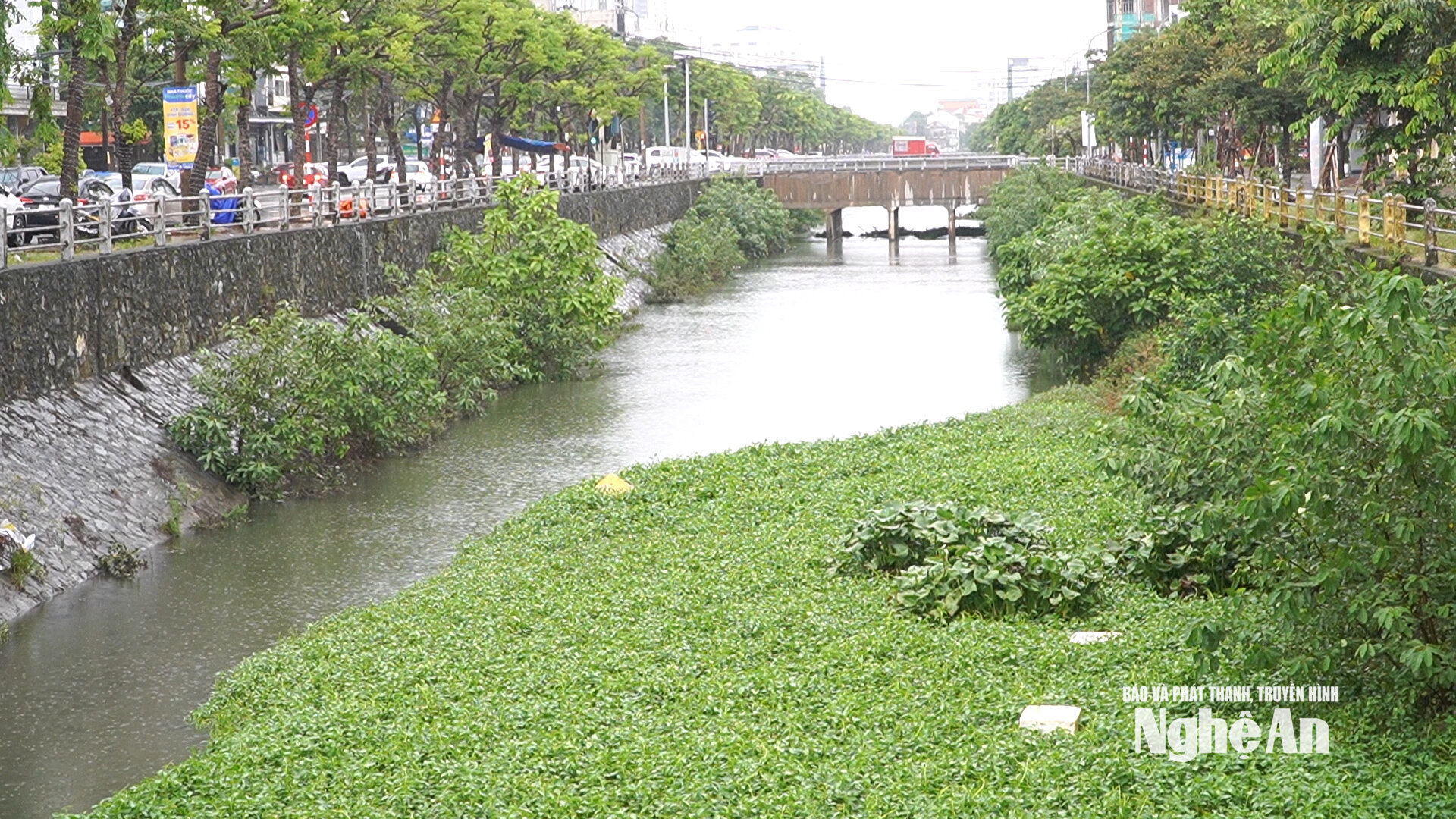
Without clean water or a natural flow, and with domestic wastewater continuously flowing into it, the North Canal has long become a stagnant waterway. Thousands of households along the route have to live with black, muddy water. Mr. Le Xuan Quy (Hung Phuc 4 block, Truong Vinh ward) said:"During the hot summer days, the stench is so strong that families have to keep their windows closed, completely depriving children of outdoor play space."
For a canal to become a beautiful landscape, the prerequisite is clean water and a continuous flow. There have been suggestions to pump water from Ke Gai (Hung Nguyen commune) to "save" the North Canal. However, spending enormous sums of money to operate pumps day and night, pushing pollution from one place to another, is an impractical economic solution. Maintaining a canal that cannot clean itself is tantamount to condoning prolonged pollution. Therefore, before dreaming of a "green stream," we must accept the reality: covering the remaining section of the canal is the most viable option to free thousands of people from environmental destruction.
Underground engineering solution
While agreeing that the pollution bottleneck must be definitively addressed, thousands of residents living along the project area still harbor another fear: urban flooding. This concern is entirely justified, as the recurring problem of "flooding every time it rains" remains a significant issue in infrastructure management in the Vinh urban area.
Mr. Nguyen Van Lam (head of Tan Hung block, Vinh Loc ward) posed a question that represented the general voice of public opinion:"The canal is so wide now, but later, when it's covered and a road is built, will the drainage of the canal still be guaranteed?".
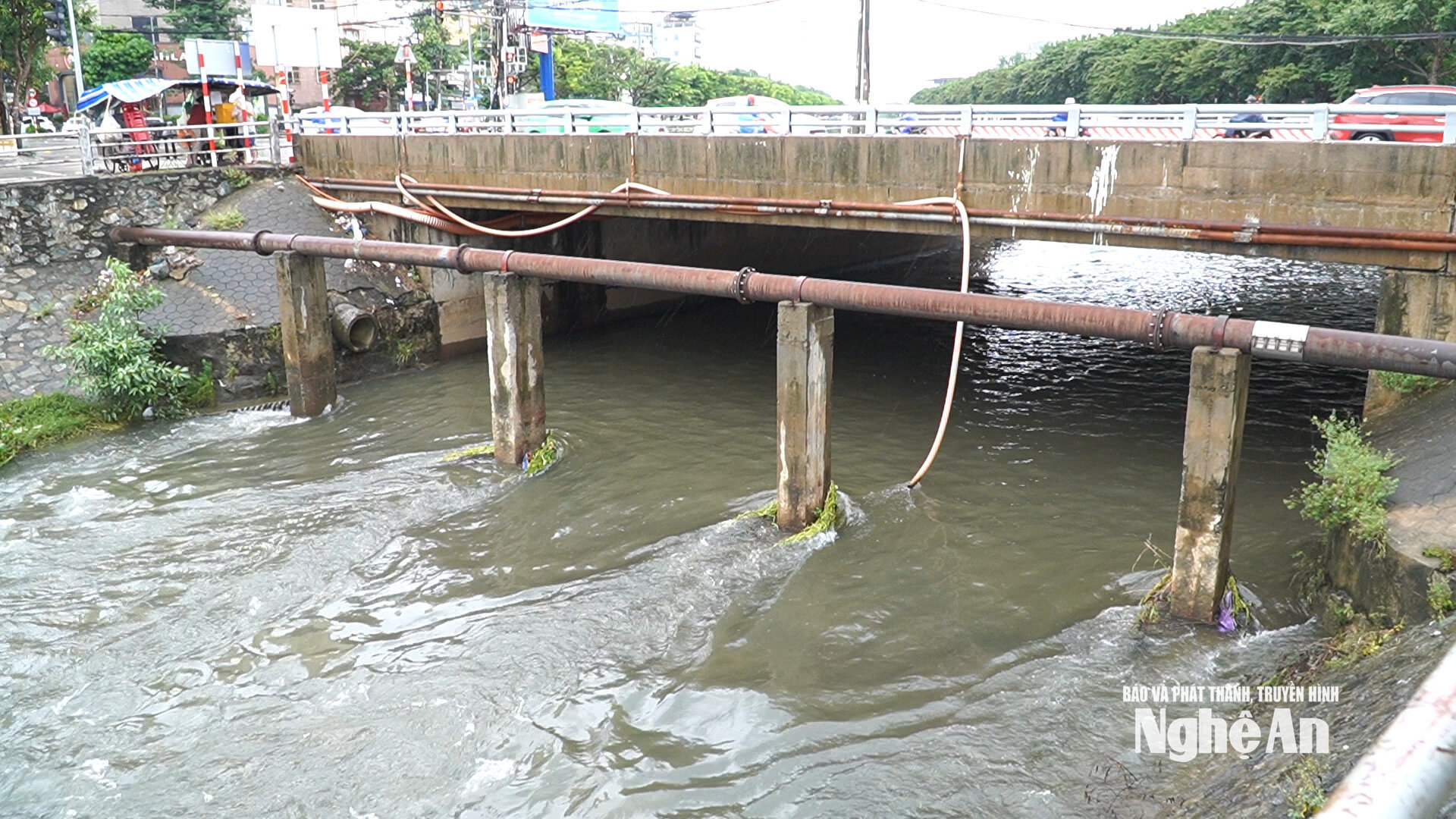
This skepticism stems from obvious lessons. In fact, some underground drainage ditches have shown that, after being "covered," many areas inadvertently become localized flood bottlenecks whenever there is heavy rain. Many households living around these structures have become all too familiar with the constant fear and sleepless nights monitoring rising water levels during the rainy season, despite government efforts to dredge and clear the ditches. When "sealed" under a thick layer of concrete, intervention becomes extremely difficult if a blockage occurs.
Given these concerns, the project to underground the North Canal along Nguyen Sy Sach Street cannot fall into the trap of piecemeal solutions. We must honestly acknowledge that undergrounding doesn't mean simply covering the entire canal with a giant concrete slab and then... praying it doesn't rain!
It's entirely a matter of engineering solutions. Converting an open-air drainage system into an underground one requires a comprehensive system, including catch basins, surface water inlets, utility shafts, and appropriate drainage flow sharing solutions.
Look at the world; the capital city of Paris (France) boasts a massive underground sewer system stretching 2,600 km, with some sections only a few meters wide. They have maintained, inspected, and serviced it smoothly for hundreds of years. In some modern cities, underground lakes are even dug to collect rainwater and prevent flooding.
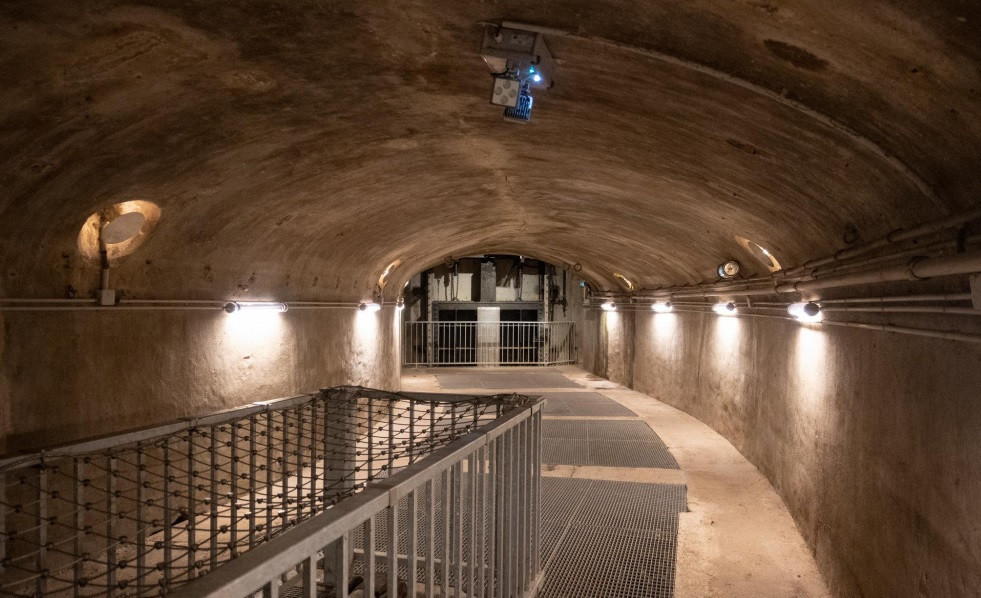
With just a few kilometers of the North Canal, everything would be under control if the project were approached in a modern way. By designing box culverts with sufficiently large openings, providing safe technical access, inspection wells, lighting systems, and ventilation equipment, workers and specialized machinery could easily descend to inspect and carry out periodic dredging.
To completely alleviate this concern, Mr. Vo Tuan Anh - Director of Vinh Urban Infrastructure Management and Development Joint Stock Company - affirmed:"We can rest assured about this. Because this is a key project invested in by the province, the design, architecture, and structure of the project will certainly be very carefully considered. I believe it will not affect the drainage issue that the people are concerned about. It will definitely run smoothly in terms of drainage and environmental pollution control.".
In other words, to prevent these concrete layers from becoming "flood traps," the solution lies not in open or underground channels, but in precise design, rigorous construction processes, and the city's systematic management and operation of underground infrastructure.
Resolving the "ecological debt"
Accepting the trade-off of an open waterway for an underground one inevitably leads to the loss of some surface water space. However, how much is lost and how it will be compensated is a matter of planning philosophy.
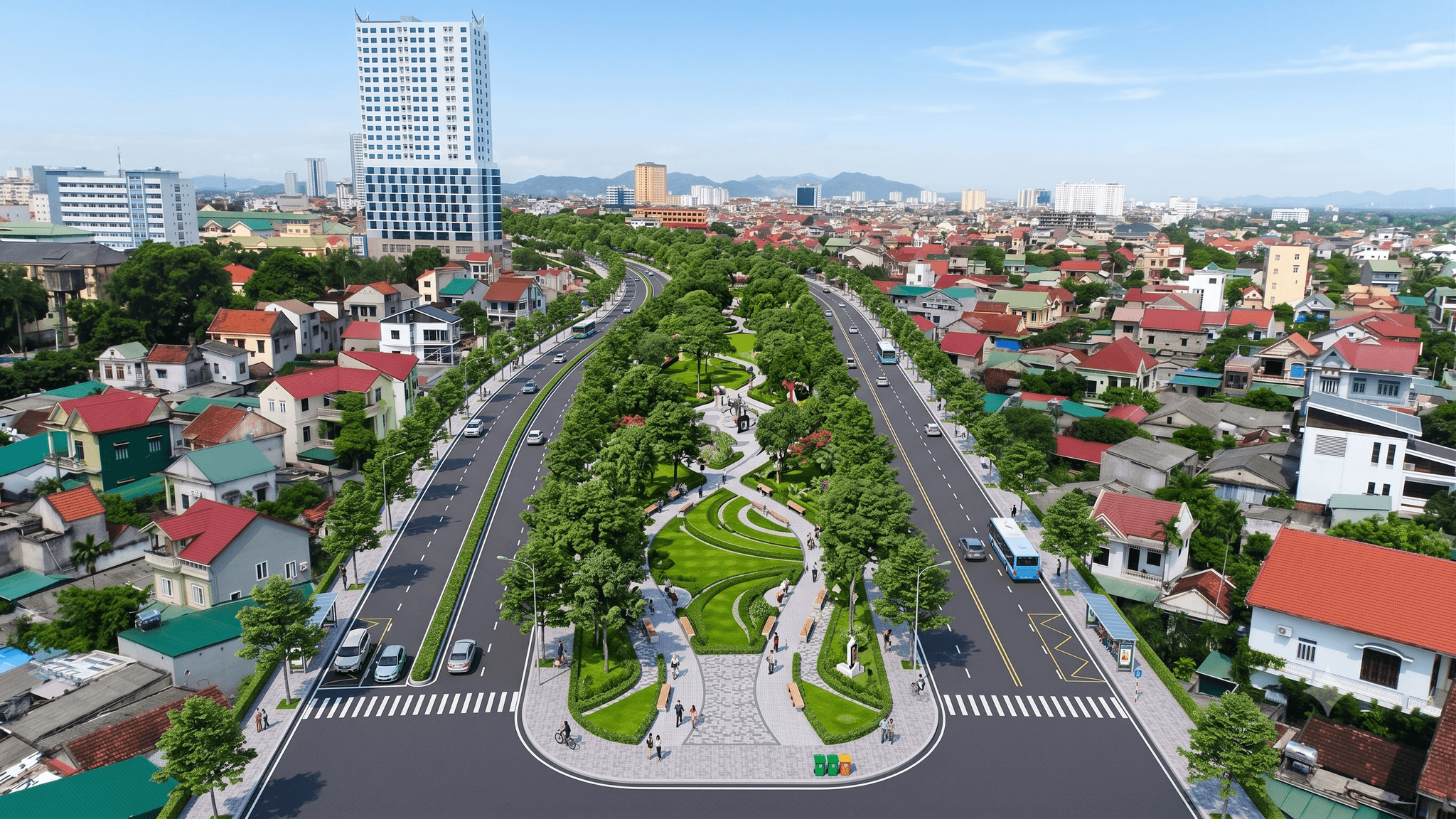
No civilized city would create an underground sewer system by simply pouring a 60-meter-wide strip of dark concrete or asphalt from beginning to end and then stopping. Instead, the vast space above the underground sewer could be designed as a "linear park." Utilizing the large cross-section, the project could incorporate green median strips tens of meters wide running along the route (similar in scale to a 72-meter-wide boulevard), combined with lawns, walkways, and community spaces.
Romance has now returned to the surface: a refreshing, safe green space where elderly people can sit on benches, children can stroll and play, breathing fresh air without being surrounded by the foul smell of the old canal.
However, even the most magnificent landscapes above ground will become a huge "ecological debt" for future generations if we ignore the most crucial element underground: wastewater treatment.
Addressing the localized pollution bottleneck for thousands of households along Nguyen Sy Sach Street is urgent, but where will that black, polluted water go? It would be an environmental disaster if the project simply covered up the pollution to conceal it, then collected all the untreated wastewater and dumped it directly into Hung Hoa regulating lake.
The only solution to this long-term ecological problem is the synchronization of collection infrastructure. The new underground sewer system must separate surface water and wastewater. All domestic wastewater must be collected at the end of the line, passed through a standard treatment plant (like a giant "filter") before being returned to the natural environment. If this step is strictly implemented, the Hung Hoa regulating lake will not only avoid being destroyed but will also have the opportunity to be revived, becoming much cleaner than its current state.
To determine the fate of the Northern Canal, one cannot simply view it through a purely romantic lens or hastily react to reality. To ensure that these concrete structures truly create a civilized, safe, and sustainable urban life, Nghe An province needs not only an accurate design but also decisive management and operation, along with a collective environmental awareness from every citizen. Only then will today's sacrifices truly become a valuable legacy for tomorrow.


