
Admire the beauty of various mushroom species in the Pu Hoat forest.
(Baonghean.vn) - When talking about the biodiversity in the forests of Pu Hoat Nature Reserve (Que Phong), it's impossible not to mention fungi. The large forest cover has created favorable conditions for parasitic plants in general and fungi in particular to thrive.
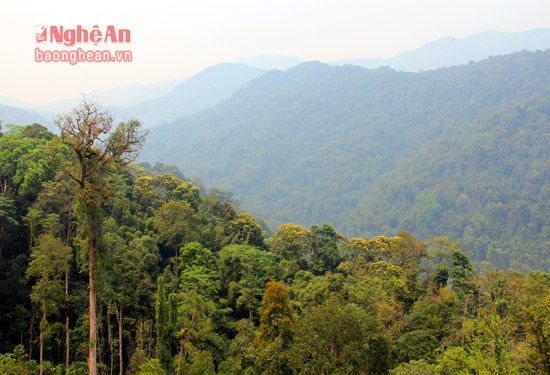 |
| The Pu Hoat Nature Reserve boasts a diverse range of plant and animal species, including many different types of mushrooms. |
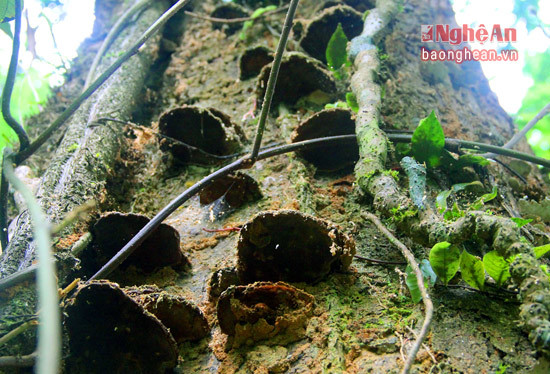 |
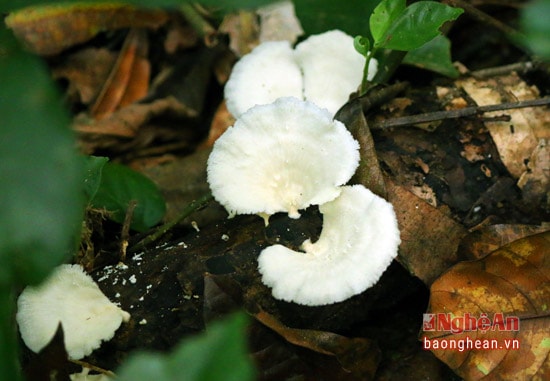
| Mushrooms are found everywhere in the Pù Hoạt forest area. |
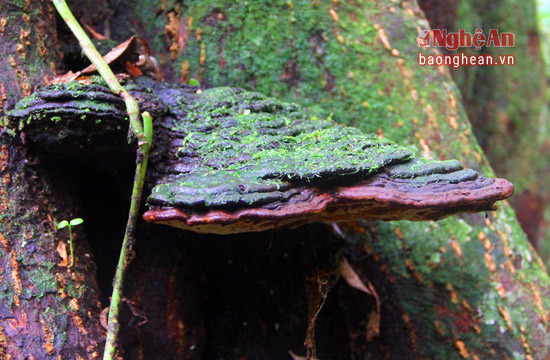 |
| The extremely rare Reishi mushroom typically grows on large tree trunks, especially those of the Dalbergia tonkinensis species. |
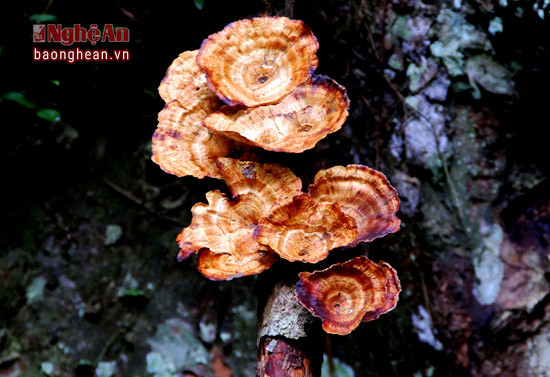 |
| There are some species that look like flowers that bloom forever, such as fungi belonging to the phylum...This is Basidiomycota. |
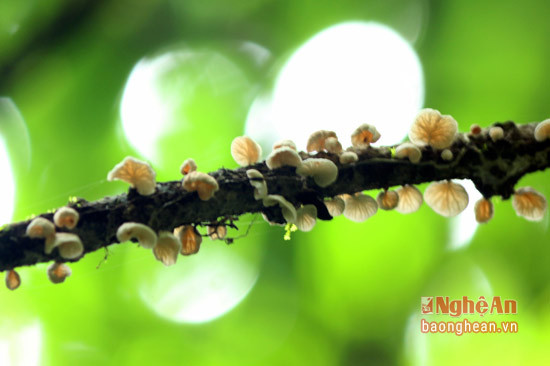 |
| For the most part, mushrooms grow from dead branches and tree trunks. Look at these sac mushrooms (belonging to the genus...).AscomycotaWe often associate this with a kind of reincarnation for the plant. |
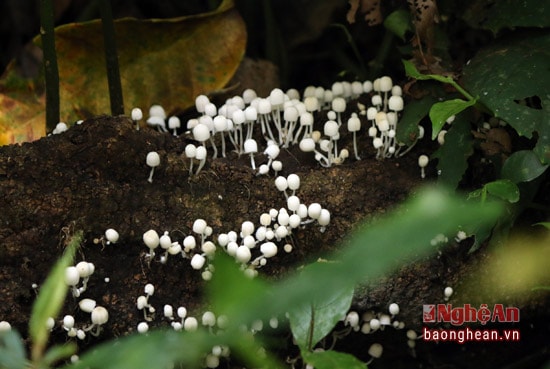 |
| Local people, especially the Thai and Hmong ethnic groups, are very adept at distinguishing between poisonous and edible mushrooms. This particular mushroom is a delicacy in their cuisine. |
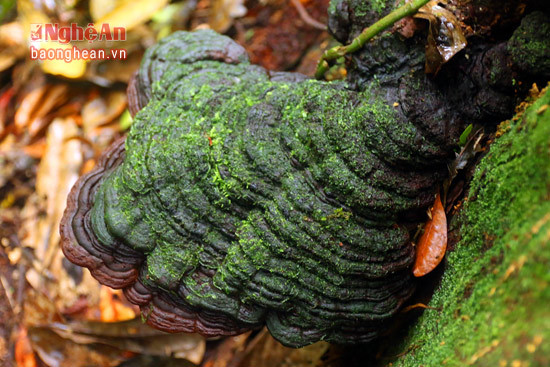 |
| Reishi mushrooms weighing tens of kilograms are extremely rare and valuable. |
 |
The Pu Hoat Nature Reserve manages nearly 86,000 hectares of forest and forestry land. According to the biodiversity survey report of the Pu Hoat Nature Reserve, the flora is distributed across 5 divisions, with 140 families, 397 genera, and 676 recorded species, including: cypress, green cypress, golden cypress, oil cypress, limestone cycad, and fragrant cypress. The fauna is also very diverse, including mammals (Mamalia), birds (aves), reptiles (Reptilia), and frogs (Ramphibia). This is identified as one of the three main areas of the Western Nghe An Biosphere Reserve. |
Ho Phuong - Dao Tho


