
The Agriculture and Environment sector in Nghe An contributes to ensuring social welfare and socio-economic development.of the province
In 2025, despite severe natural disasters, the Agriculture and Environment sector made efforts to achieve and surpass many important targets, contributing to ensuring social welfare and socio-economic development of the province.
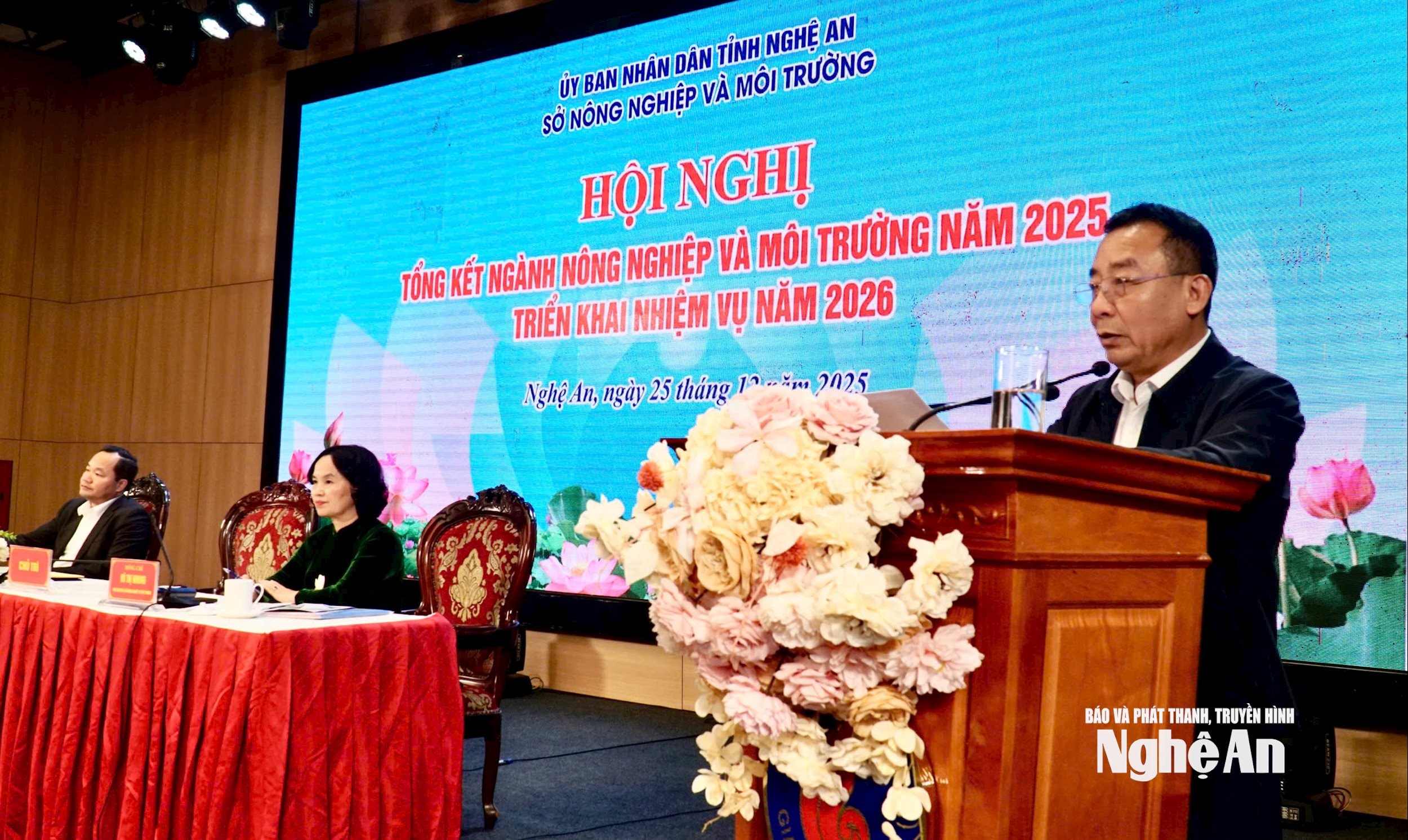
On the afternoon of December 25th, the Provincial People's Committee held a conference to summarize the achievements of 2025 and implement the plan for 2026 in the Agriculture and Environment sector. The conference was co-chaired by Mr. Nguyen Van De - Member of the Provincial Party Standing Committee, Vice Chairman of the Provincial People's Committee; Mr. Hoang Quoc Viet - Member of the Provincial Party Standing Committee, Director of the Department of Agriculture and Environment; and Ms. Vo Thi Nhung - Deputy Director of the Department of Agriculture and Environment.
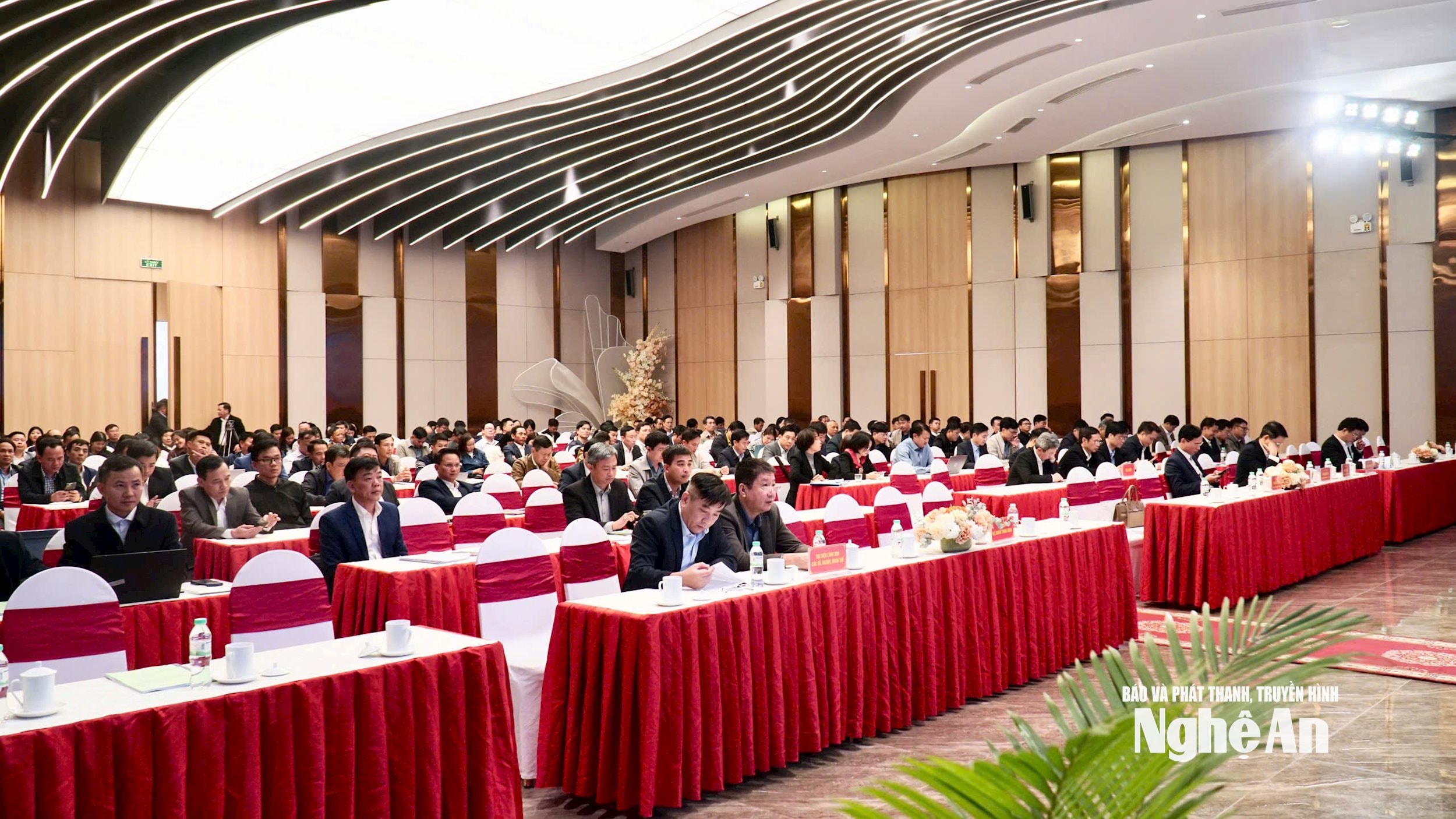
The total output of agriculture, forestry, and fisheries is estimated at over 49 billion VND.
In 2025, the Agriculture and Environment sector faced numerous difficulties and challenges, heavily impacted by natural disasters, storms, floods, and African swine fever; however, the sector still achieved significant results. Key targets were basically met, exceeding planned goals, and the internal economic structure of the sector shifted in the right direction.
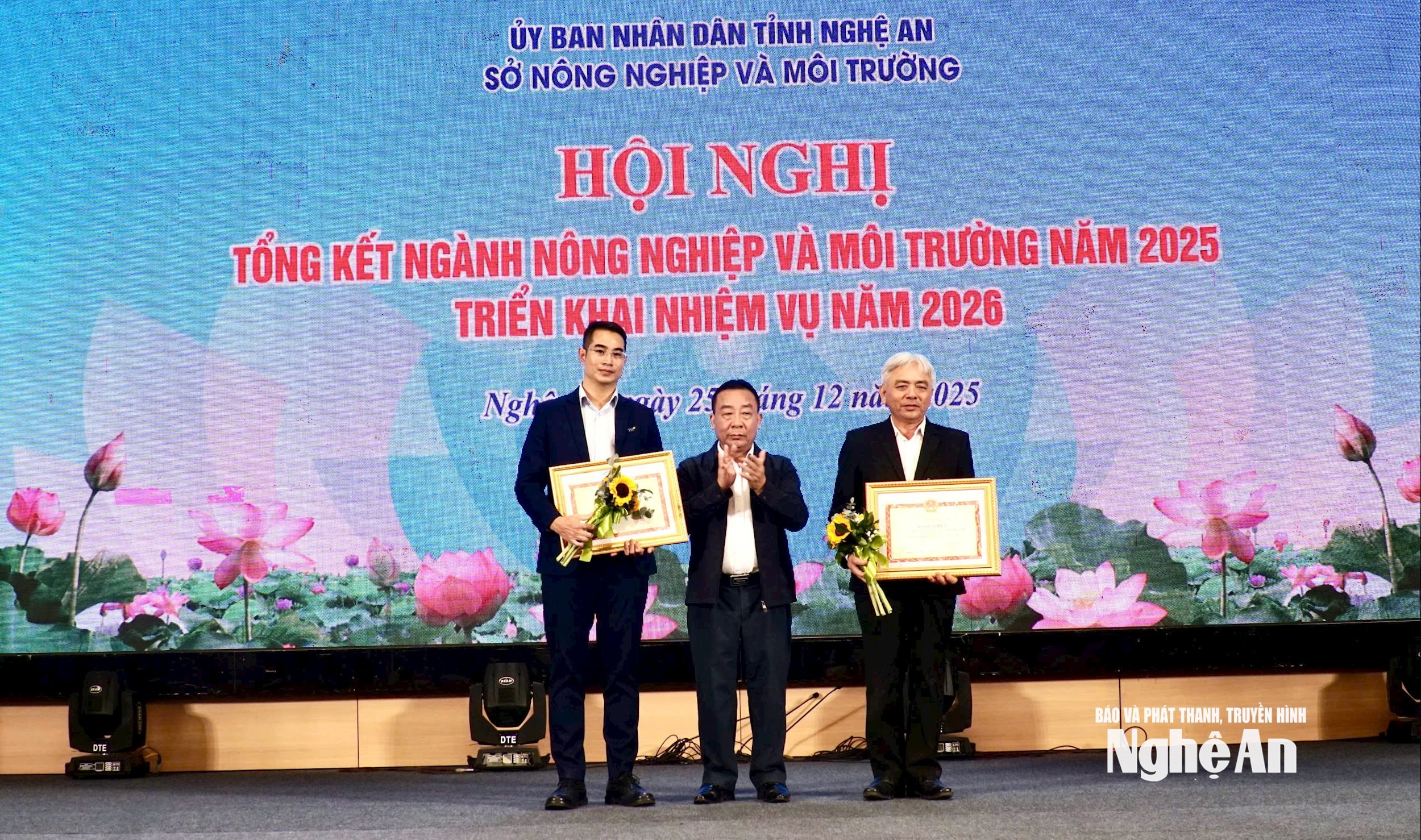
The Gross Regional Domestic Product (GRDP) of agriculture, forestry, and fisheries at current prices is estimated at VND 49,432 billion, with an estimated GRDP growth rate of 2.66% in 2025; forest cover rate reaching 59.01%; percentage of rural households using hygienic water reaching 90.5%; percentage of rural population using clean water meeting standards estimated at 53.5%; average annual reduction rate of poverty estimated at 1.0%; percentage of seriously polluting facilities treated reaching 100%; and urban household waste collection rate reaching 97.3%.
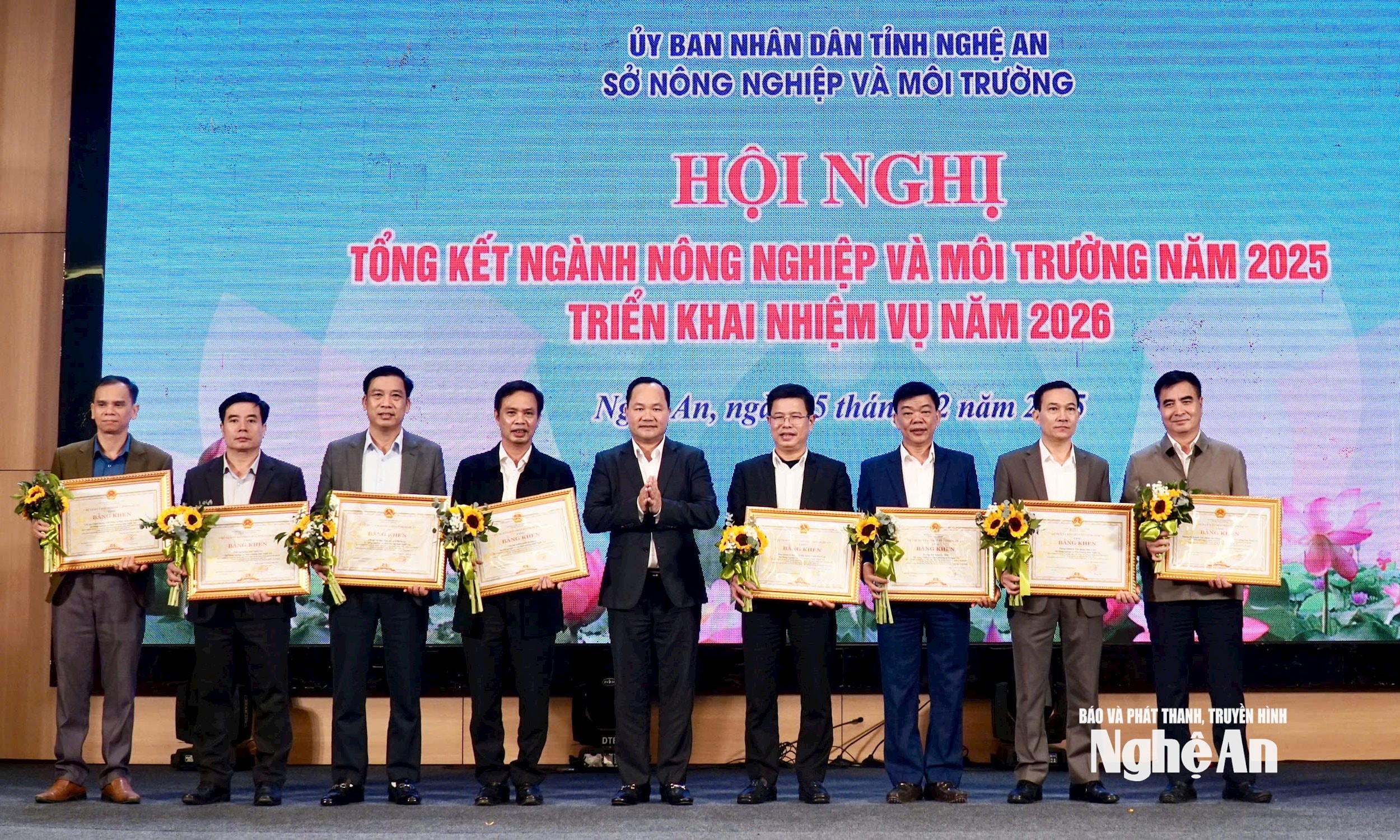
The internal economic structure has shifted in the right direction: Agriculture is estimated at 76.24%; Forestry at 7.25%; and Fisheries at 16.49%. Production indicators have achieved fairly comprehensive results across all sectors, making a significant contribution to promoting growth, successfully implementing the province's planned tasks, improving the lives of rural residents, and contributing to ensuring social security.
The total area of annual crop cultivation in the province is estimated at 337,411 hectares, of which 221,585 hectares are food crops, with a total annual grain production estimated at 1,099,552 tons. Livestock farming continues to develop well, with the total number of buffalo and cattle estimated at 810,400, the total number of pigs at over 1,068, and the poultry flock at nearly 40 million; the total output of live meat for slaughter is estimated at 301,000 tons, and the output of fresh cow's milk is over 361,000 tons. Forestry production continues to undergo strong qualitative changes, focusing on developing and improving the quality of raw material areas, applying high technology, investing in deep processing, and increasing the value of wood and non-timber forest products; aquaculture production is moving towards sustainability.
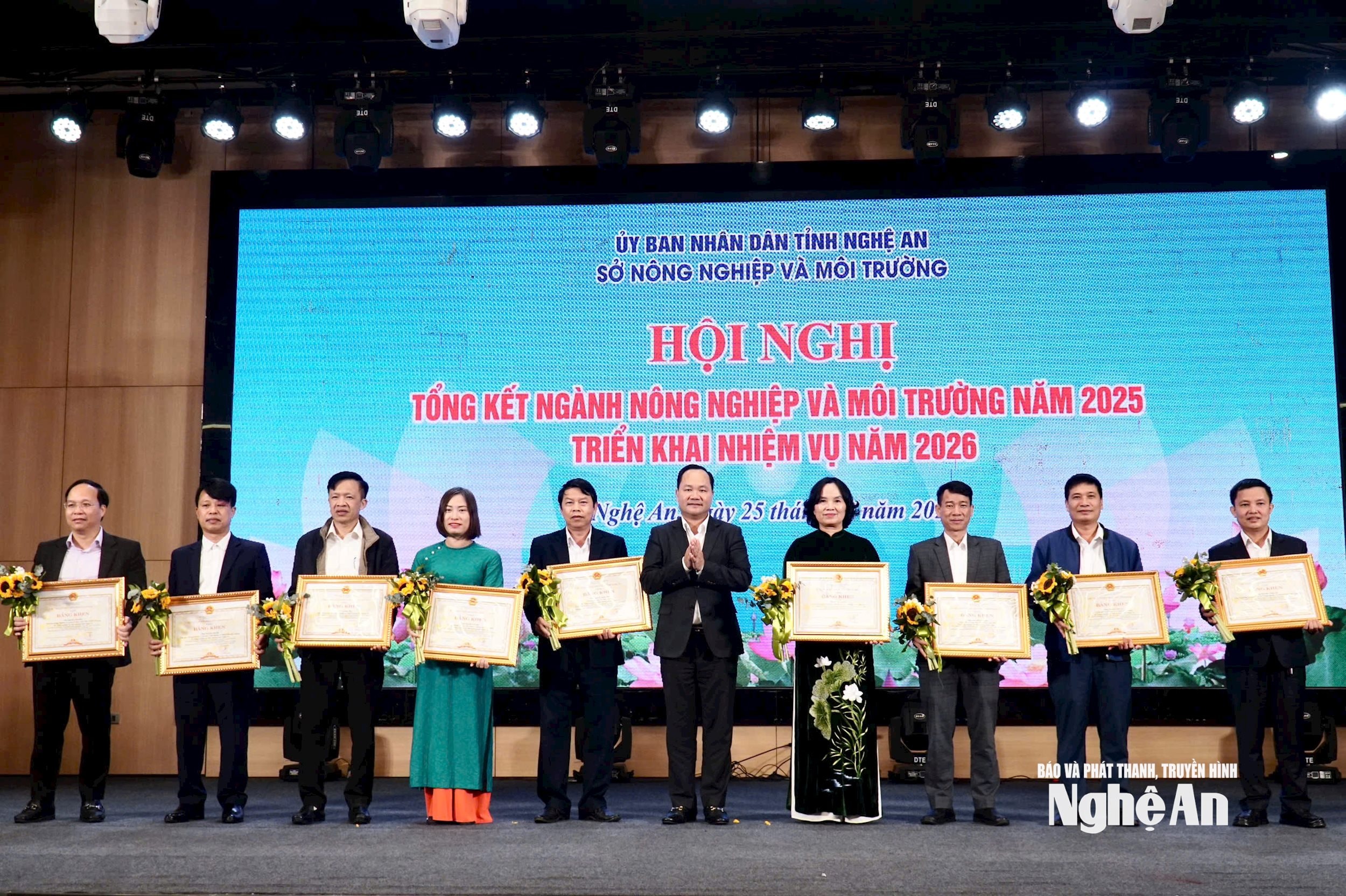
Prior to the administrative reorganization, the province had 275 out of 362 communes meeting the standards for New Rural Development, including 102 communes meeting the advanced New Rural Development standards, 16 communes meeting the model New Rural Development standards, and 10 district-level units that had met/completed the task of building New Rural Development.
Rapid transition to a digital economy for agriculture and rural areas.
Speaking at the conference, Vice Chairman of the Provincial People's Committee Nguyen Van De acknowledged and commended the Agriculture and Environment sector for its efforts in achieving and exceeding important targets despite difficulties caused by natural disasters and epidemics, and for implementing the policy of sector merger.
At the same time, the report pointed out existing problems and limitations that the industry needs to focus on overcoming in the coming period. These include: African swine fever is still developing in a complex manner and always poses a risk of outbreaks, significantly affecting the direction and development of the livestock industry; productivity and output of major crops have decreased compared to 2024; the replication and development of models applying scientific and technological advancements to production are still limited; production linkages and consumption of agricultural products are small-scale and not yet sustainable…
2026 marks the first year of implementing the Resolution of the 20th Provincial Party Congress and the socio-economic development plan for the 2026-2030 period; simultaneously, it will implement many major policies and guidelines from the Central Government on agricultural and rural development, green growth, digital transformation, and special mechanisms for Nghe An province. This provides an important political and legal basis for the Agriculture and Environment sector to set goals and organize the implementation of the 2026 plan.
Comrade Nguyen Van De - Vice Chairman of the Provincial People's Committee
"The sector needs to focus on solutions to continue maintaining stable growth in agriculture; concentrate on accelerating the restructuring of the agricultural sector towards a rapid shift to an agricultural economy; a digital economy in agriculture and rural areas; and the application of high technology," the Vice Chairman of the Provincial People's Committee emphasized.
By 2026, the Agriculture and Environment sector aims for: Gross Regional Domestic Product (GRDP) of agriculture, forestry, and fisheries (at constant 2010 prices) of VND 23,084 - 23,195 billion; and a GRDP growth rate of 4.5 - 5.0%.


