
The European automotive industry faces the risk of a chip shortage from Newport.
Geopolitical disputes involving supplier Nexperia threaten to severely disrupt the supply chain, causing concern for major automakers like Volkswagen and BMW.
The European automotive industry is once again facing a serious semiconductor shortage, after the European Automobile Manufacturers Association (ACEA) warned of potential production disruptions. This stems from a complex dispute between the Dutch and Chinese governments concerning Nexperia, a key chip supplier to the industry.
This issue has emerged as a new shock, against a backdrop of manufacturers already facing significant pressure from tariffs, fierce competition, and signs of slowing demand for electric vehicles. ACEA expressed deep concern that if supply from Nigeria is not stabilized soon, automotive production across the continent could be severely impacted.
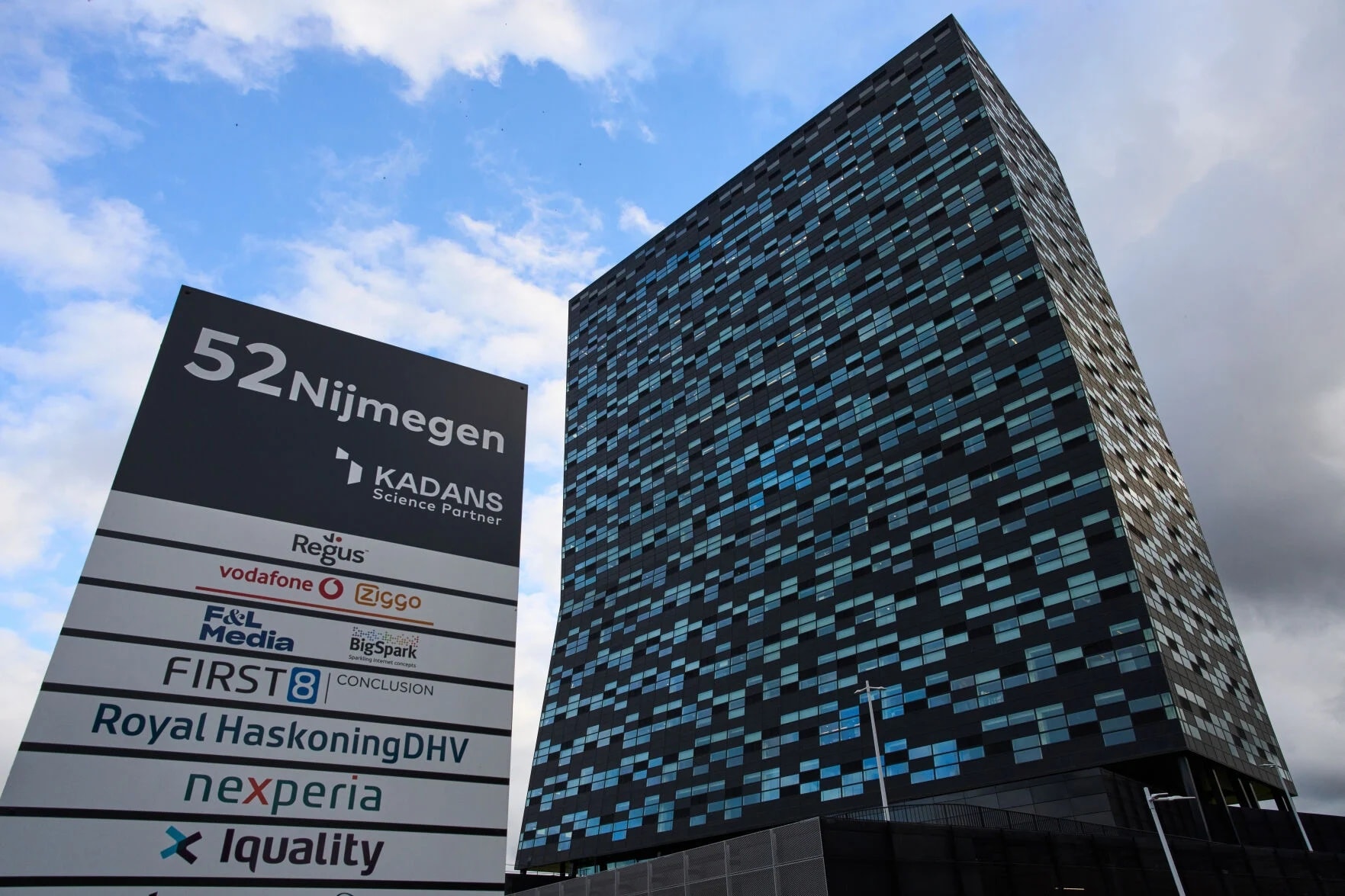
The root cause stems from geopolitical disputes.
Tensions flared after the Dutch government announced its takeover of Nexperia on September 30th. Although based in Nijmegen, Nexperia is wholly owned by Wingtech, a Chinese technology company with some investment from the Chinese government. The Dutch move is believed to stem from concerns about the transfer of sensitive technology to China, particularly amid increasing pressure from Washington on Wingtech.
Previously, in late December 2024, the US added Wingtech to its list of entities subject to trade restrictions. In response, the Chinese Ministry of Commerce issued an export control order on October 4th, prohibiting Nexperia China and its subcontractors from exporting certain components and semi-finished products. The situation became more complicated when Nexperia China instructed its employees to disregard directives from its Dutch headquarters, asserting that the entity in mainland China was the one paying their salaries.
Supply chains are under threat.
China's embargo directly impacts Nexperia's global supply chain. Although it owns its main manufacturing plant in Hamburg, Germany, the majority of the company's chip packaging and assembly is done in China. Without these processes, the finished product cannot reach its component manufacturers.
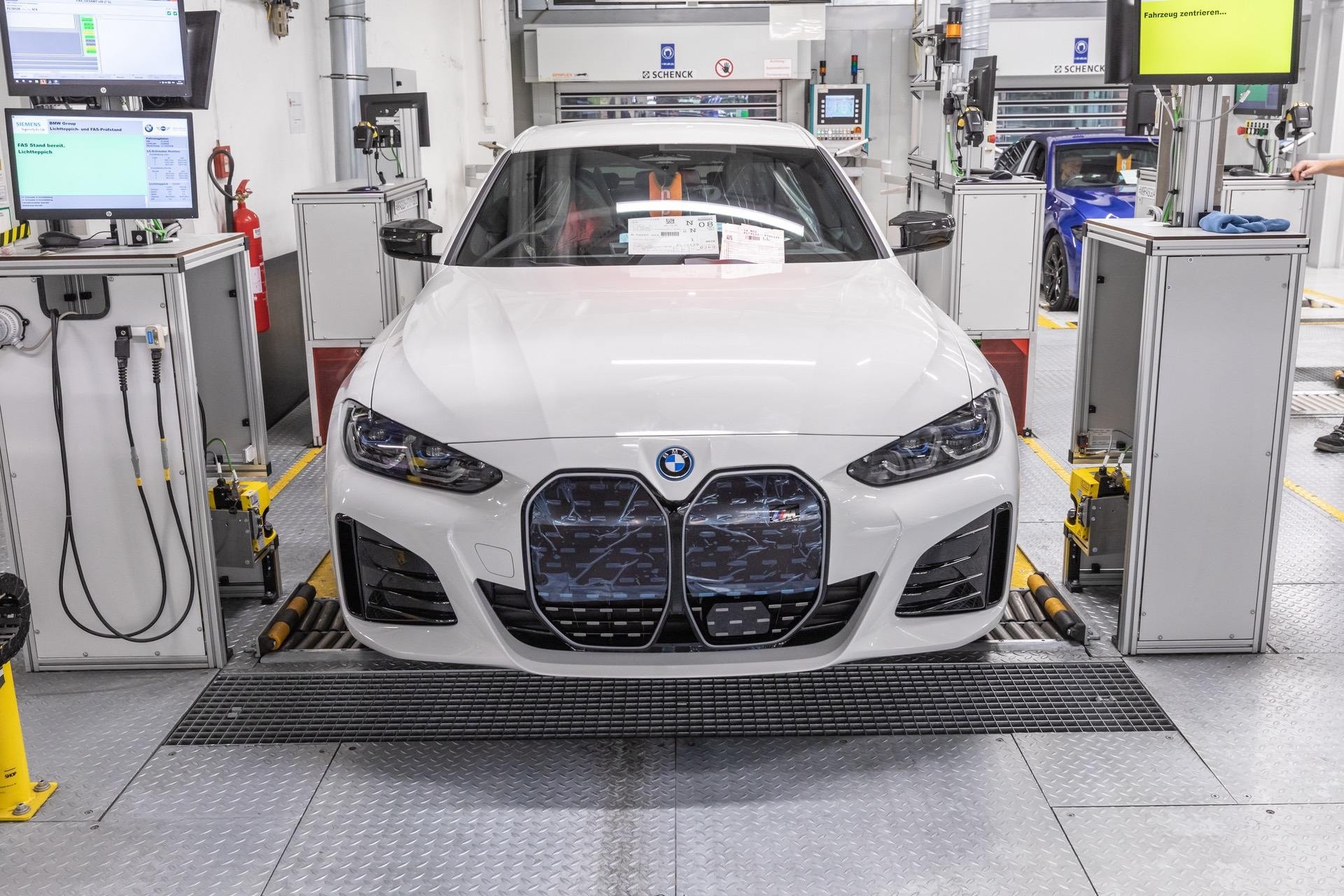
ACEA emphasized: “Without these chips, suppliers cannot produce the necessary components and parts to supply assembly plants, thereby threatening to bring production lines to a halt.” Major automakers such as Volkswagen, BMW, and leading parts supplier Bosch have all confirmed Nexperia is part of their network.
Reactions from major players in the automotive industry
Currently, major automakers are closely monitoring the situation. Volkswagen, BMW, and Bosch have stated that they have not yet observed an immediate impact on production but are actively assessing potential risks. Stellantis has confirmed that it is working closely with Nexperia and other partners to find solutions to mitigate the impact.
Meanwhile, Mercedes-Benz said it is working with relevant parties but declined to comment on whether Nexperia is on its list of suppliers.
On Nexperia's part, a spokesperson confirmed that the company is working with the Chinese authorities to obtain exemptions from the restrictions, aiming to minimize the impact on key partners. The company expressed hope that the challenges would be resolved soon for the mutual benefit of all parties.
This crisis once again highlights the fragility of the global automotive supply chain and the increasingly important role of geopolitics in the industry. If not addressed promptly, the European automotive industry could face a new cycle of disruption, exacerbating existing challenges.


