
Nghe An province issues directive to strengthen prevention and control of African swine fever.
Given the complex situation regarding African swine fever, the People's Committee of Nghe An province has just issued Directive No. 28/CT-UBND on strictly implementing measures to prevent and control African swine fever.
African swine fever outbreak is developing in a complex manner.
According to the Ministry of Agriculture and Rural Development, since the beginning of the year, African swine fever has appeared in 44 provinces and cities, forcing the culling of over 42,400 pigs, especially in the provinces of Bac Kan, Lang Son, Quang Ninh, Hoa Binh, Son La, Quang Nam, Long An, etc.
The epidemic is on the rise, with a very high risk of widespread transmission, which could affect food supply, the consumer price index, and the environment.
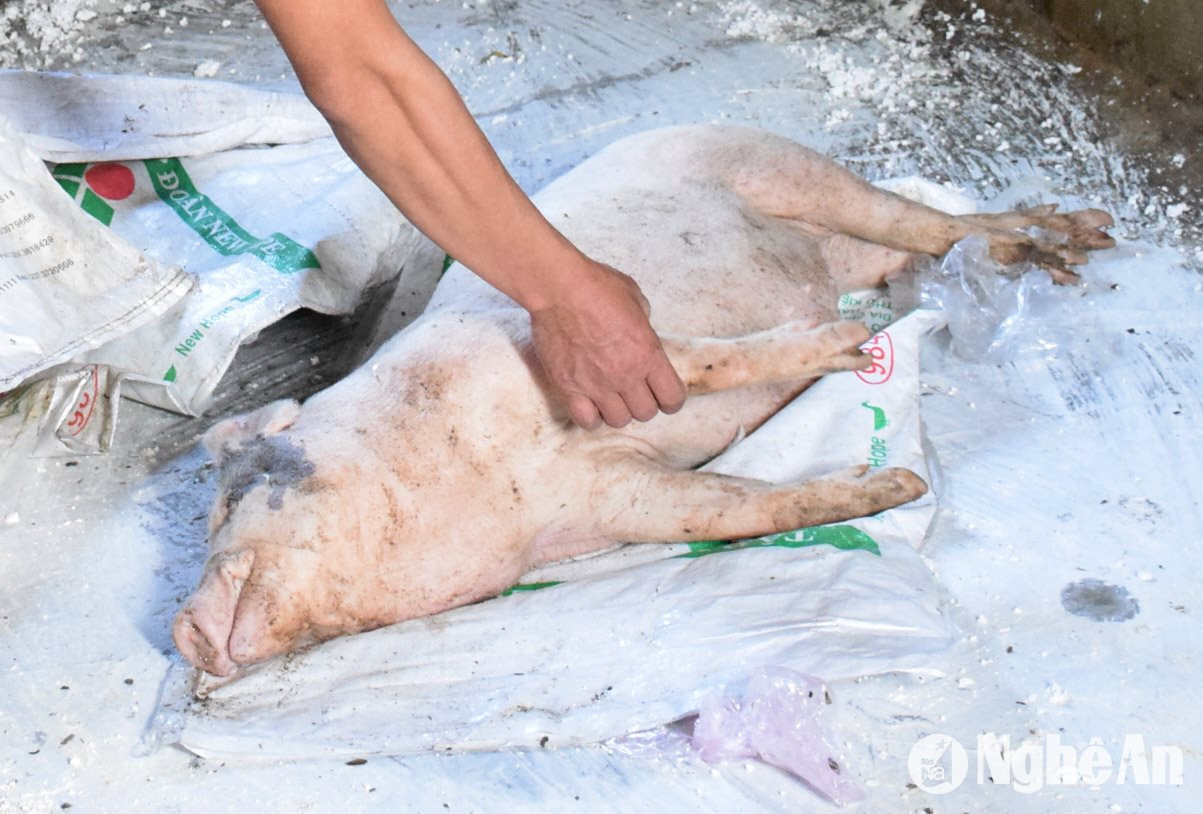
In Nghe An province, since the beginning of the year, 145 outbreaks of African swine fever have occurred in 20 districts, towns, and cities, resulting in the culling of 3,470 pigs. Several localities experienced multiple outbreaks, including Thanh Chuong district (27 outbreaks), Do Luong (18 outbreaks), Anh Son (14 outbreaks), Yen Thanh (14 outbreaks), and Nghi Loc (12 outbreaks). Currently, some localities still have active outbreaks that have not yet passed the 21-day quarantine period.
Reasons for the outbreak: Many localities were complacent, negligent, and lacked decisiveness in directing and implementing disease control measures; they did not thoroughly and promptly destroy infected animals, leading to prolonged outbreaks; insufficient funding and personnel were allocated for disease prevention and control; checkpoints were not established to control the transportation of animals into and out of the area; and slaughtering and trading of pigs and pig products were not conducted at slaughterhouses or markets within the affected areas.
The vaccination rate for livestock is low, failing to meet disease prevention requirements, especially since most localities have not directed the vaccination of pigs for African swine fever.
The restocking, expansion, transportation, slaughter, and consumption of animals and animal products have not been strictly and thoroughly controlled according to regulations; cases of failure to vaccinate pigs with mandatory vaccines have not been dealt with severely...
Strictly implement measures to prevent and control African swine fever.
To strengthen the timely and effective prevention, control, and management of African swine fever, the Provincial People's Committee issued Directive No. 28/CT-UBND dated August 8, 2024, on strictly implementing measures to prevent and control African swine fever.
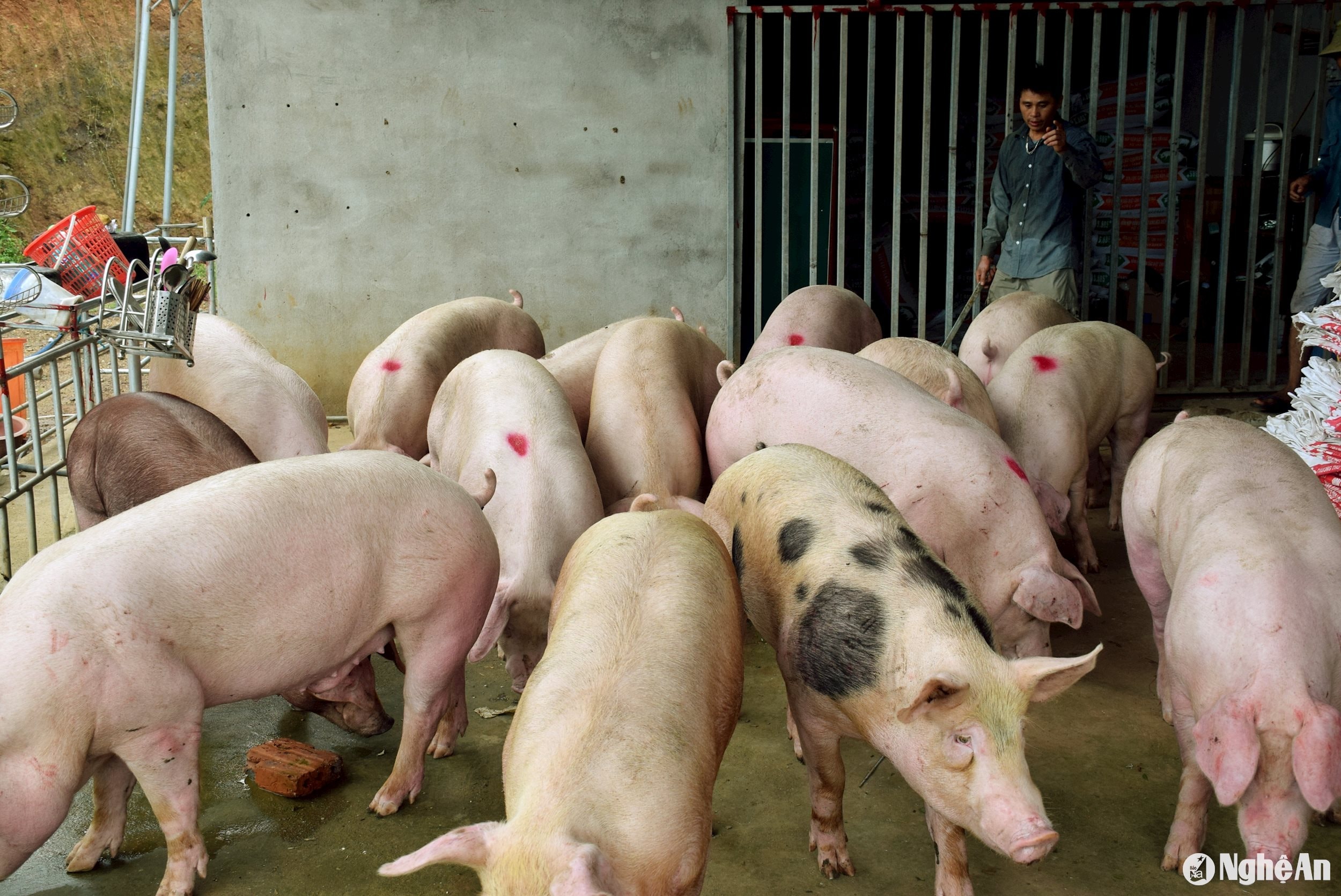
Accordingly, the Chairman of the Provincial People's Committee requested: The Chairmen of the People's Committees of districts, cities, and towns should report to the Standing Committee of the District/City/Town Party Committee to focus on leadership and direction; and at the same time, proactively organize the decisive, synchronized, and effective implementation of measures to prevent and control African swine fever in accordance with the directives of the Prime Minister, the Ministry of Agriculture and Rural Development, and the Provincial People's Committee, focusing on the following specific tasks:
Directly supervise and mobilize local resources to decisively handle outbreaks, preventing the emergence of new outbreaks; organize the disposal of sick, suspected sick, and dead pigs in accordance with regulations and guidelines on the prevention and control of African swine fever; promptly detect, prevent, and resolutely handle cases of buying, selling, and transporting sick pigs, and discarding dead pig carcasses that spread the disease and pollute the environment.
Proactively implement policies to support livestock farmers affected by disease outbreaks, ensuring that support reaches the right recipients, is transparent, and prevents exploitation of policies stipulated by law. Support should only be provided for pigs that have received all mandatory vaccinations as required by regulations.
Instruct livestock farmers to strengthen the application of hygiene and disinfection measures in livestock pens and surrounding high-risk areas; promote biosecurity in livestock farming, and establish disease-free livestock farming facilities and zones.
Review and compile specific and accurate statistics on the total pig population and the number of fattening pigs that have been vaccinated against African swine fever; based on this, widely disseminate information through various means about the dangerous nature of African swine fever, the risk of disease recurrence and spread, and disease prevention and control measures; direct and guide people to vaccinate their fattening pigs against African swine fever according to the guidelines in documents from the Ministry of Agriculture and Rural Development, the Provincial People's Committee, and the Department of Animal Husbandry and Veterinary Medicine.
Report daily on the disease situation and prevention and control efforts to the Department of Agriculture and Rural Development; strictly handle cases of concealing outbreaks or delaying reporting that lead to the spread of disease.
Consider holding the head of the agency accountable if they are negligent or careless in their leadership and direction, leading to a widespread outbreak of the disease within their jurisdiction.
The Department of Agriculture and Rural Development, in coordination with other sectors and localities, will focus on directing, guiding, urging, and inspecting the work of preventing and controlling African swine fever; proactively monitoring the disease situation closely, ensuring early detection, warning, and timely and thorough handling of outbreaks, preventing the disease from spreading widely.
Urge localities to allocate funds and effectively implement the National Plan for the Prevention and Control of African Swine Fever for the period 2020-2025.
Direct the Department of Animal Husbandry and Veterinary Medicine to strictly implement the reporting regime, ensuring timely and complete data on animal diseases on the online animal disease reporting system (VAHIS); strengthen quarantine and control of animal and animal product transportation.
The Department of Industry and Trade and the Market Management Department, in coordination with veterinary forces, police, and traffic inspectors, are handling cases of trading and transporting pigs and pork products without clear origin or without quarantine certificates in the market to prevent African swine fever and other animal diseases.


