
Nghe An: Consumer Price Index (CPI) increased by 4.27% in the first six months of the year.
In the first six months of 2026, the overall price level tended to increase compared to the same period of the previous year due to the impact of energy prices, housing costs, electricity and water costs, and food prices. The average consumer price index (CPI) in Nghe An province increased by 4.27% in the first six months of the year.
According to Nghe An Statistics, the housing, electricity, water, and construction materials group saw the strongest increase, followed by the food and beverage and transportation groups. Despite rising inflationary pressures, the government's price management and market stabilization measures have helped limit major fluctuations, maintain macroeconomic stability, and ensure the supply of essential goods.
Specifically, the consumer price index in June 2026 decreased by 0.88% compared to the previous month, but increased by 3.63% compared to the same period in 2025.
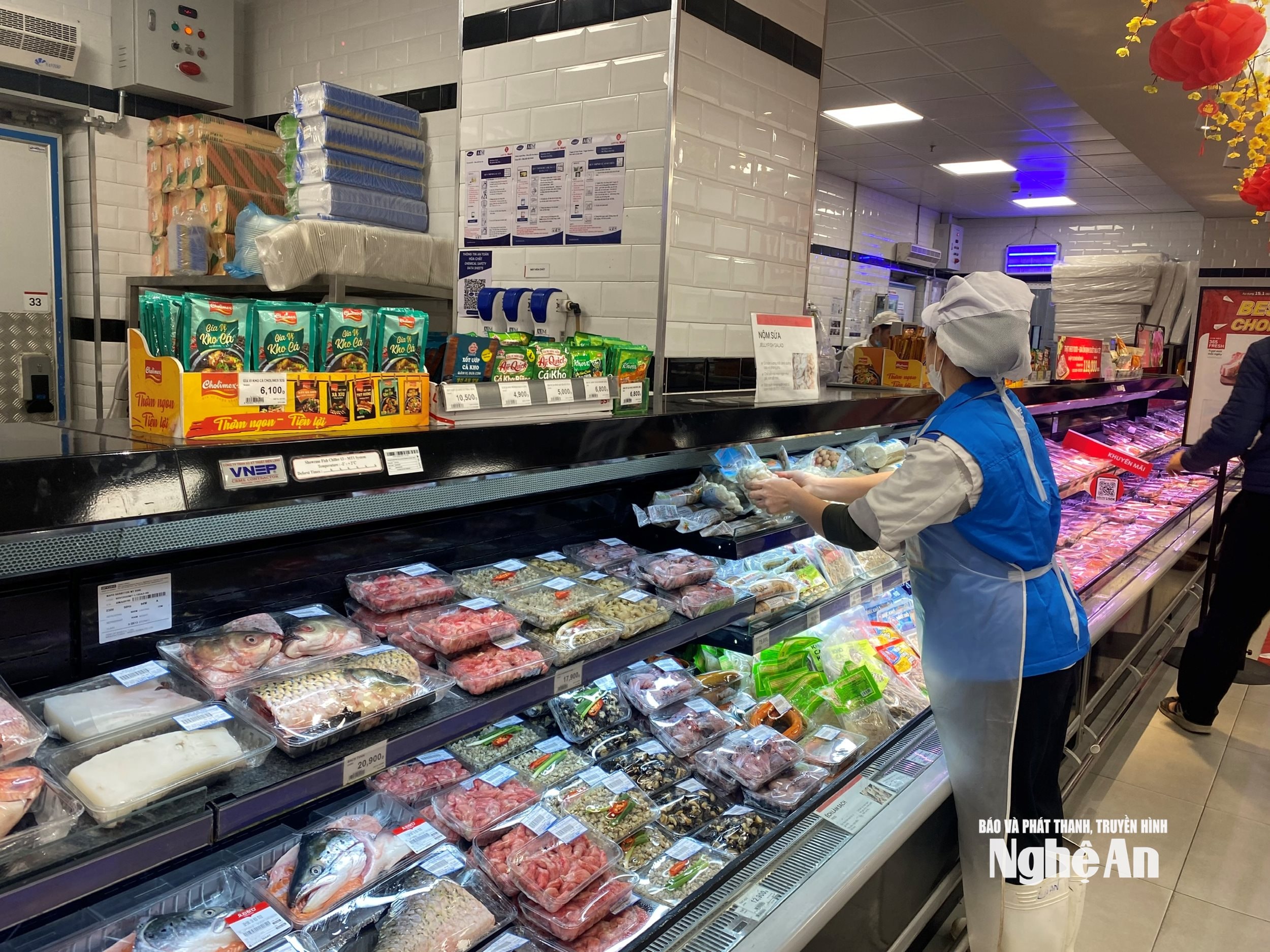
Five out of eleven groups of goods and services saw a decrease in price index compared to the previous month: Transportation decreased by 3.93%; Food and catering services decreased by 1.17%; Clothing, hats, and footwear decreased by 0.15%; Household equipment and appliances decreased by 0.12%; Culture, entertainment, and tourism decreased by 0.09%;
Five out of eleven commodity groups saw price increases compared to the previous month: Housing, electricity, water and construction materials increased by 0.7%; Beverages and tobacco increased by 0.19%; Postal and telecommunications services increased by 0.06%; Other goods and services increased by 0.04%; and Education increased by 0.01%.
There is one group of goods whose price index has remained unchanged compared to the same period last year: medicines and medical services.
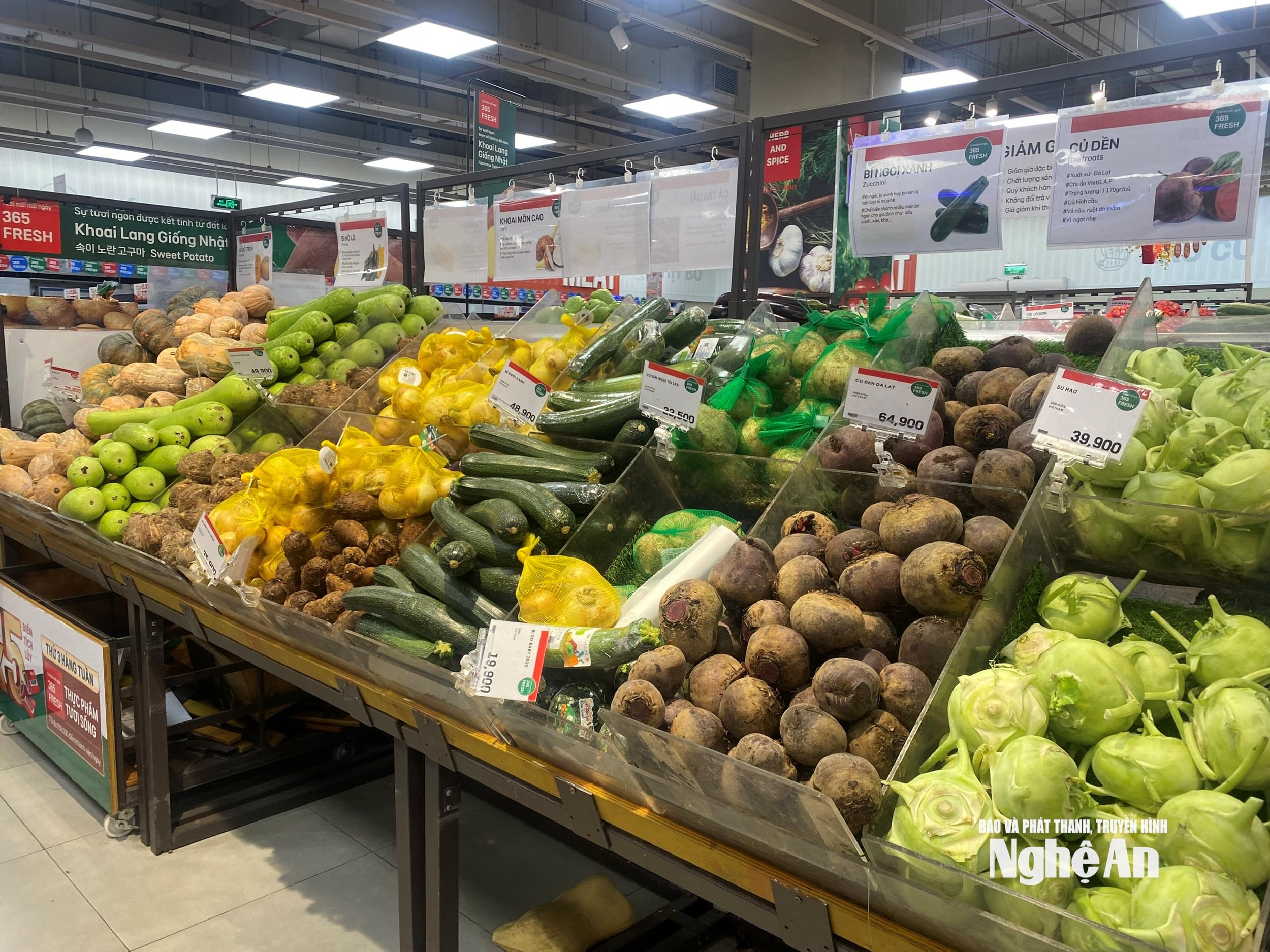
On average, the consumer price index for the first six months of 2026 increased by 4.27% compared to the same period in 2025. Eleven out of eleven commodity groups saw increases, including: Housing, electricity, water, and construction materials (up 6.32%); Food and food services (up 5.82%); Transportation (up 4.39%); Beverages and tobacco (up 3.52%); Other goods and services (up 3.33%); Clothing, hats, and footwear (up 3.29%); Culture, entertainment, and tourism (up 2.51%); Household equipment and appliances (up 1.07%); Postal and telecommunications services (up 0.56%); Education (up 0.14%); and Medicines and medical services (up 0.12%).
The gold price index in June 2026 decreased by 7.96% compared to the previous month, but increased by 25.66% year-on-year. The average for the first six months of 2026 increased by 57.89% year-on-year. Domestic gold prices fluctuated in line with world gold prices.
The US dollar index in June 2026 increased by 0.15% compared to the previous month and by 0.77% year-on-year. The average for the first six months of 2026 increased by 1.46% year-on-year.


