
Nghe An still has 53 outbreaks of African swine fever that have not yet passed the 21-day quarantine period.
From the beginning of 2025 until now, Nghe An province has experienced 70 outbreaks of African swine fever, and 53 of these outbreaks are still ongoing and have not yet passed the 21-day quarantine period.
On the afternoon of May 12th, the Provincial People's Committee held a meeting to implement solutions for preventing and controlling livestock and poultry diseases in the province.
Comrade Nguyen Van De - Member of the Provincial Party Committee, Vice Chairman of the Provincial People's Committee - presided over the meeting. Attending the meeting were representatives from the following departments and agencies: Agriculture and Environment; Finance; Science and Technology; Health; Industry and Trade; and the Provincial Police.

As of May 2025, Nghe An province has a herd of 793,943 buffaloes and cattle, 1,024,522 pigs, and over 37.8 million poultry.
According to data from the Department of Agriculture and Environment, from the beginning of 2025 to the present, there have been 70 outbreaks of African swine fever in 13 districts, cities, and towns; a total of 1,700 pigs, weighing 99,021 kg, have been culled.
Districts with a high number of outbreaks include: Yen Thanh, Do Luong, Nghi Loc, Quynh Luu, Anh Son, and Thanh Chuong.

Currently, there are 53 active African swine fever outbreaks in 11 districts and cities across the province that have not yet passed the 21-day quarantine period. Compared to the early months of the year, the number of African swine fever outbreaks has recently shown a significant increase in localities such as Yen Thanh, Do Luong, Anh Son, Nghi Loc, and Thanh Chuong...
Six outbreaks of rabies have occurred in animals across four districts: Tan Ky, Do Luong, Nghia Dan, and Nam Dan.
Avian influenza outbreaks occurred in two locations in Quynh Luu and Dien Chau districts; foot-and-mouth disease outbreak occurred in one location in Tan Ky district.
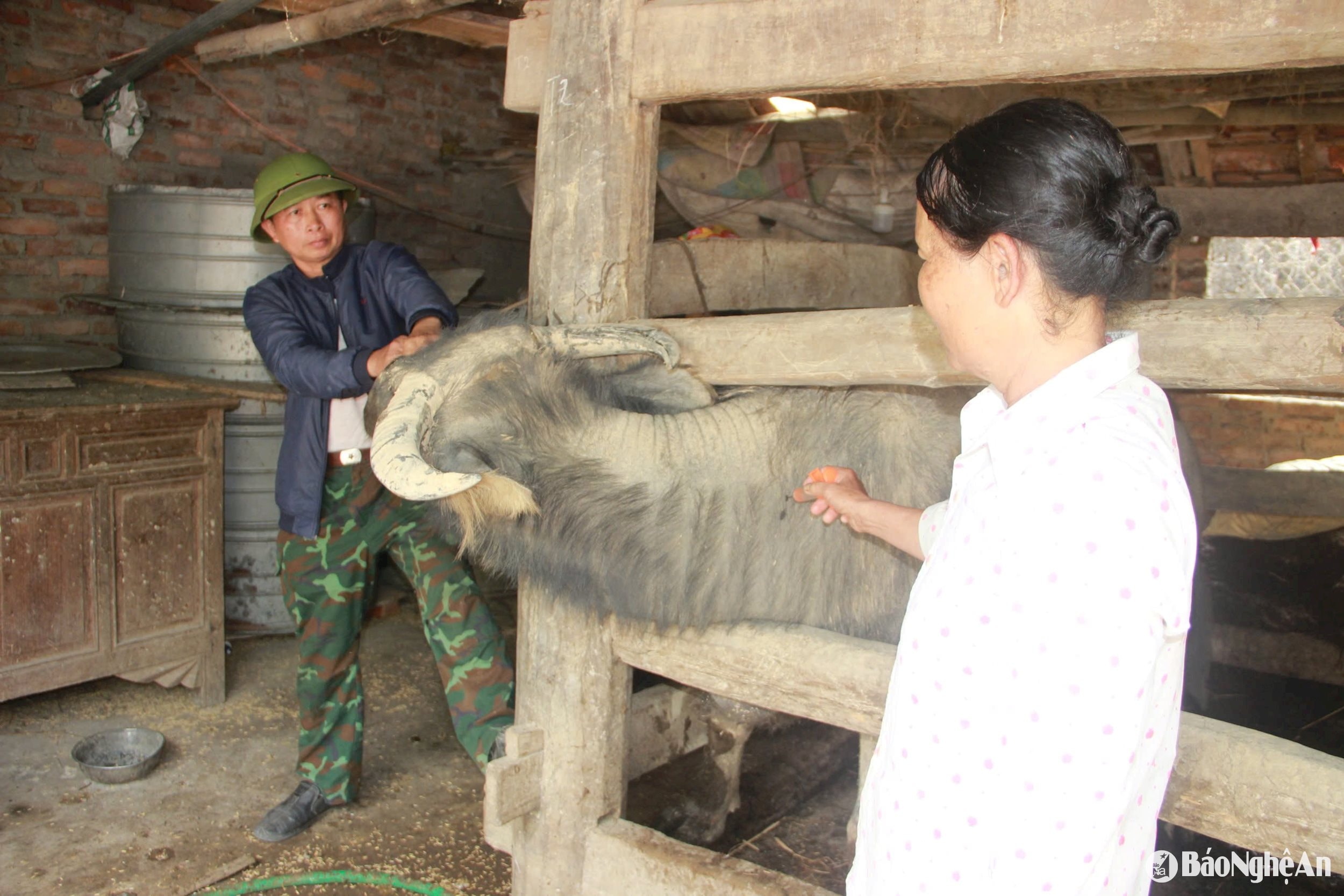
The Provincial Department of Livestock and Veterinary Medicine has implemented the 2025 spring vaccination campaign. However, the results achieved so far are low.
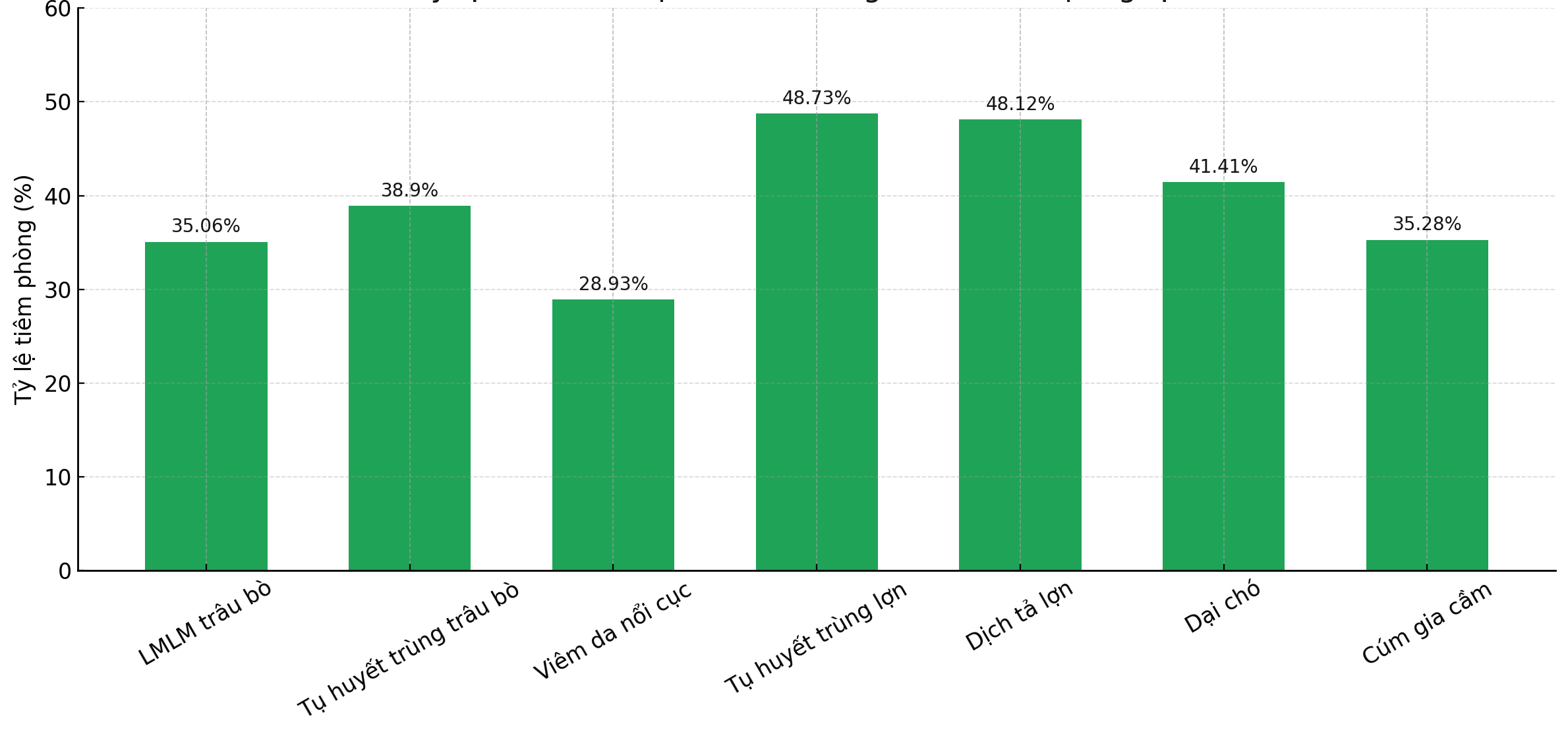
Experts believe that with the current situation of small-scale livestock farming, along with factors such as the vaccination rate not reaching 80% of the total herd, the lack of strict control over animal transportation, especially the provision of breeding stock for projects that do not fully comply with regulations on disease prevention and control, and the lack of thorough slaughter control, the disease situation still has the potential for complexity.
In addition, there are still instances of people concealing outbreaks and "selling off" animals suspected of being infected. The process of culling infected animals is often carried out incorrectly or incompletely. Free-roaming dogs and cats remain common and are not strictly managed.
There is a lack of strict inspection and supervision of the sale and use of vaccines at veterinary drug businesses, farms, and households. The unpredictable weather reduces the resistance of livestock, thus increasing the risk of outbreaks and spread of African swine fever, foot-and-mouth disease, rabies, avian influenza, and other dangerous diseases in livestock in the coming period.
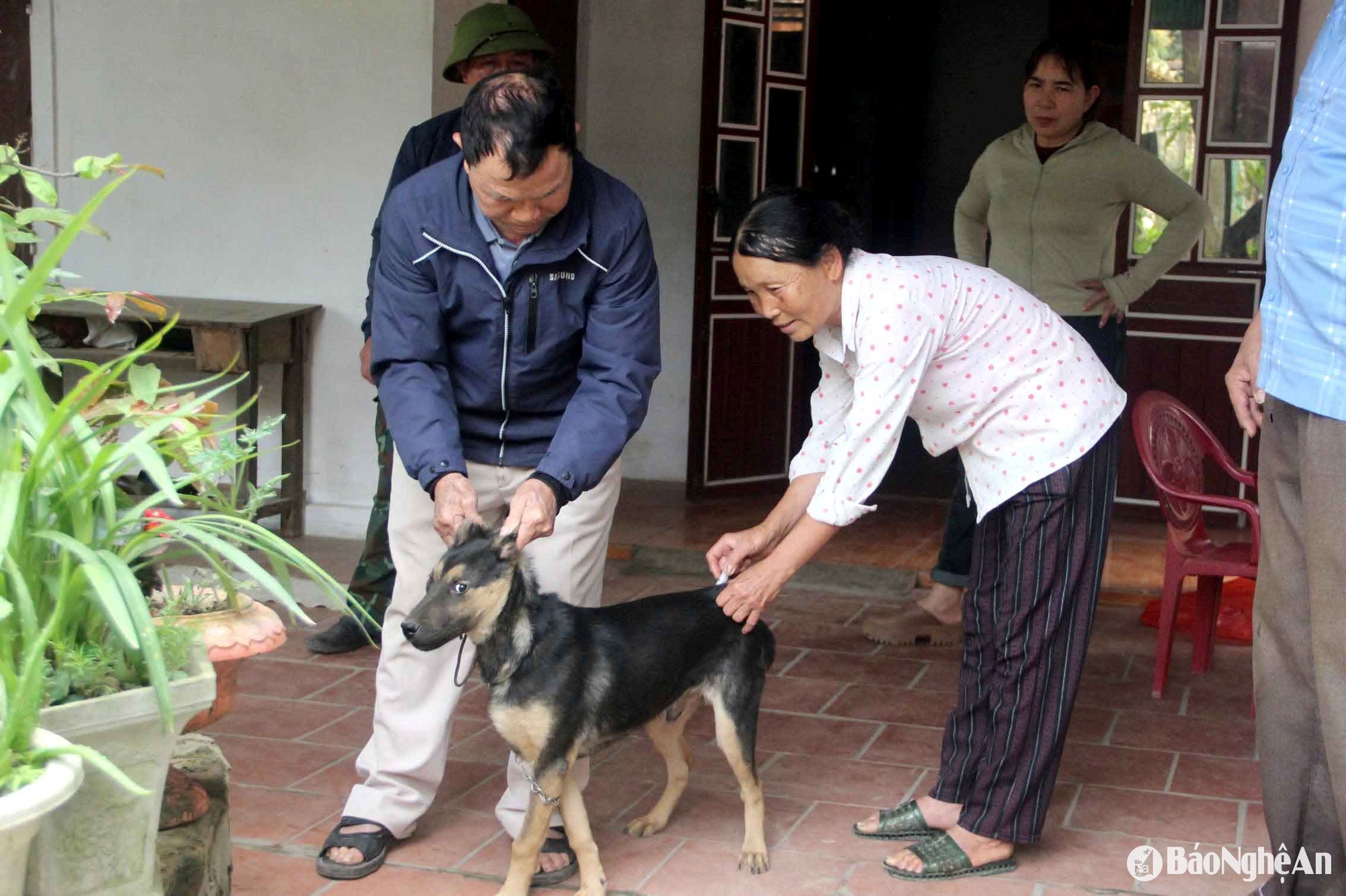
Speaking at the meeting, Vice Chairman of the Provincial People's Committee Nguyen Van De stated that the disease situation among livestock is developing complicatedly, especially in some communes of Con Cuong and Que Phong districts. Therefore, the provincial leadership requested localities to prioritize propaganda work through mass media to raise people's sense of responsibility in disease prevention and control.
Local authorities need to promptly identify disease outbreaks to take timely action; particular attention should be paid to the practice of dumping dead pigs into canals and ditches, especially the Dao River system passing through Do Luong and Yen Thanh districts.
When an epidemic occurs, districts, towns, and cities direct communes to effectively implement disease prevention and control measures; at the same time, they carry out good statistical work to have a basis for supporting the people.
The Department of Agriculture and Environment needs to proactively advise the Provincial People's Committee to promptly supply vaccines and other materials to serve the work of preventing and controlling diseases in livestock in the province.


