
Nghe An: Unlocking the potential of medicinal plants in the new era.
The development of medicinal plants and the production of medicines from them are attracting increasing attention from countries around the world. According to the Institute of Medicinal Materials - Ministry of Health, currently 80% of the population in many countries uses traditional medicine and herbal remedies for primary healthcare.
.png)
Nguyen The Trung• May 9, 2026
The development of medicinal plants and the production of medicines from them are attracting increasing attention from countries around the world. According to the Institute of Medicinal Materials - Ministry of Health, currently 80% of the population in many countries uses traditional medicine and herbal remedies for primary healthcare. Annual revenue from medicinal plant-based medicines worldwide is approximately over 80 billion USD, and the demand for medicinal plants and herbal medicines continues to grow.
According to the Institute of Medicinal Materials, Vietnam has over 5,000 species of medicinal plants, including many rare and valuable species used to create medicinal products for treating diseases. The annual demand for medicinal materials in Vietnam is approximately 60,000-80,000 tons, but about 80% of the quantity and types used, and about 90% of the total value, must be imported. Domestic cultivation and harvesting account for about 20% of the medicinal materials, mainly low-cost varieties, thus only representing about 10% of the total value.
.jpg)
At the National Conference on the Development of Vietnamese Medicinal Plants on April 12, 2017, the Prime Minister concluded: “Vietnam has enormous potential for the development of medicinal plants, including many rare and precious medicinal plants and a wealth of traditional national medical knowledge with many valuable remedies, truly an invaluable treasure for creating pharmaceutical products and medicinal herbs, with conditions to form a medicinal plant industry…”.
Currently, with the increasing demand for medicinal herbs in research and drug processing, as well as for export, many localities such as Quang Ninh, Lao Cai, Son La, Ninh Binh, Hung Yen, etc., have considered medicinal herbs as key crops to replace less efficient agricultural crops. Recently, many farmers have identified medicinal herbs as the most economically efficient crop per unit area, providing high and stable income if there is a regular market for the produce.
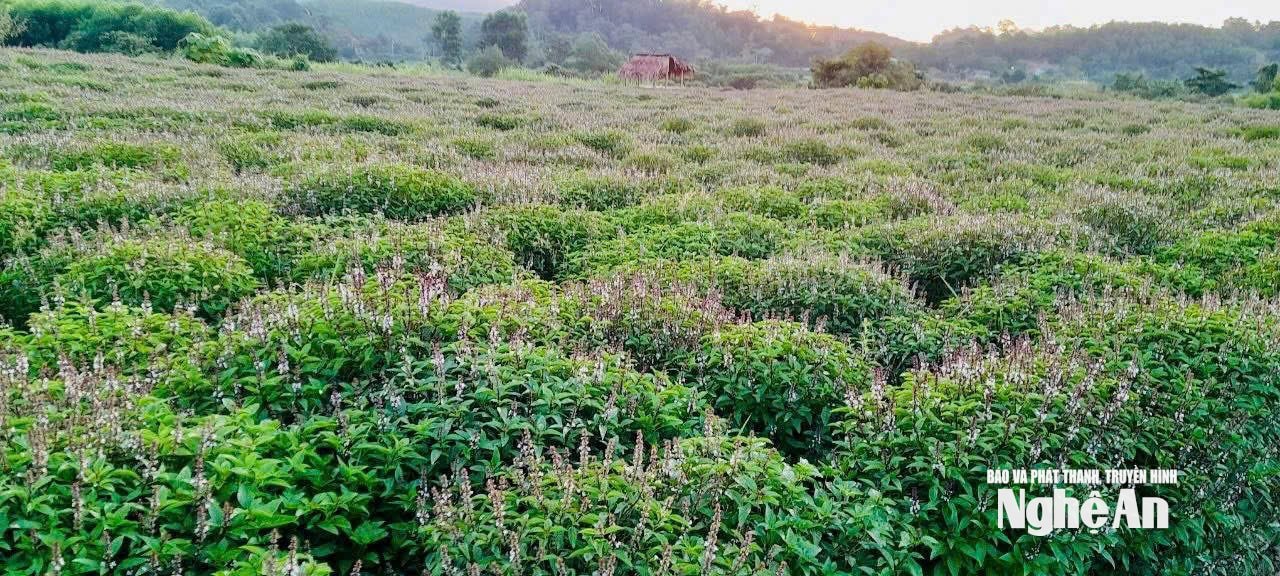
Nghe An is one of the provinces with a relatively large area of land suitable for growing raw materials for processing and export industries. Medicinal plants, in particular, can thrive in sandy coastal areas, riverside alluvial plains, midland and mountainous regions, and even under the canopy of primary forests and planted forests, in conjunction with forest protection efforts.
In the list of 100 medicinal plants with high medical and economic value published by the Ministry of Health, Nghe An province has the potential to cultivate plants such as: Ba kích (Radix Polygoni multiflori), mint, dandelion, yam (Dioscorea opposita), yellow chrysanthemum, Gymnema sylvestre, Centella asiatica, Gac fruit, Polygonum multiflorum, Sophora japonica, Passiflora incarnata, Acanthopanax senticosus, Artemisia capillaris, cinnamon, Bo Chinh ginseng, lotus, Cassia obtusifolia, and golden camellia tea…
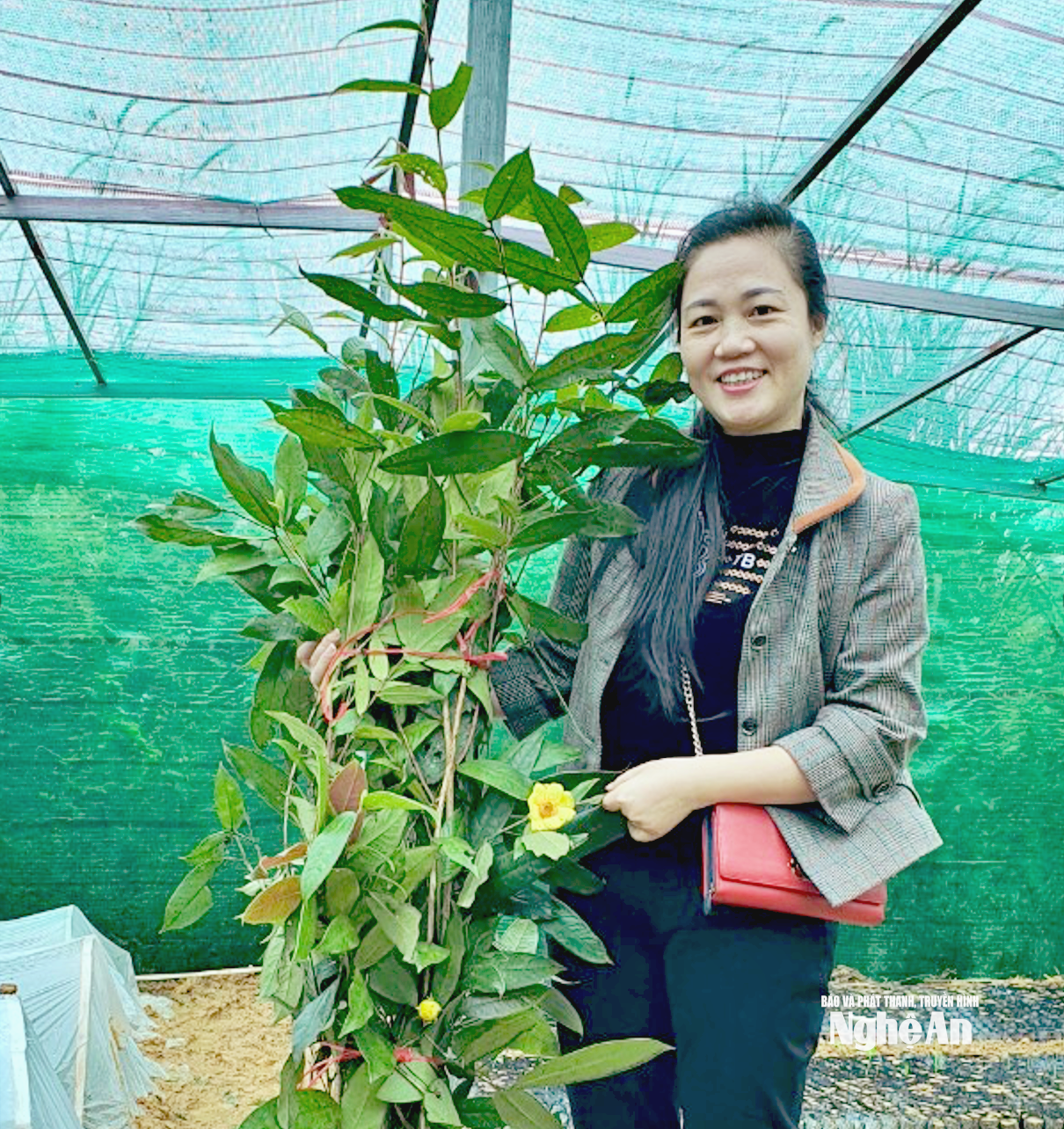
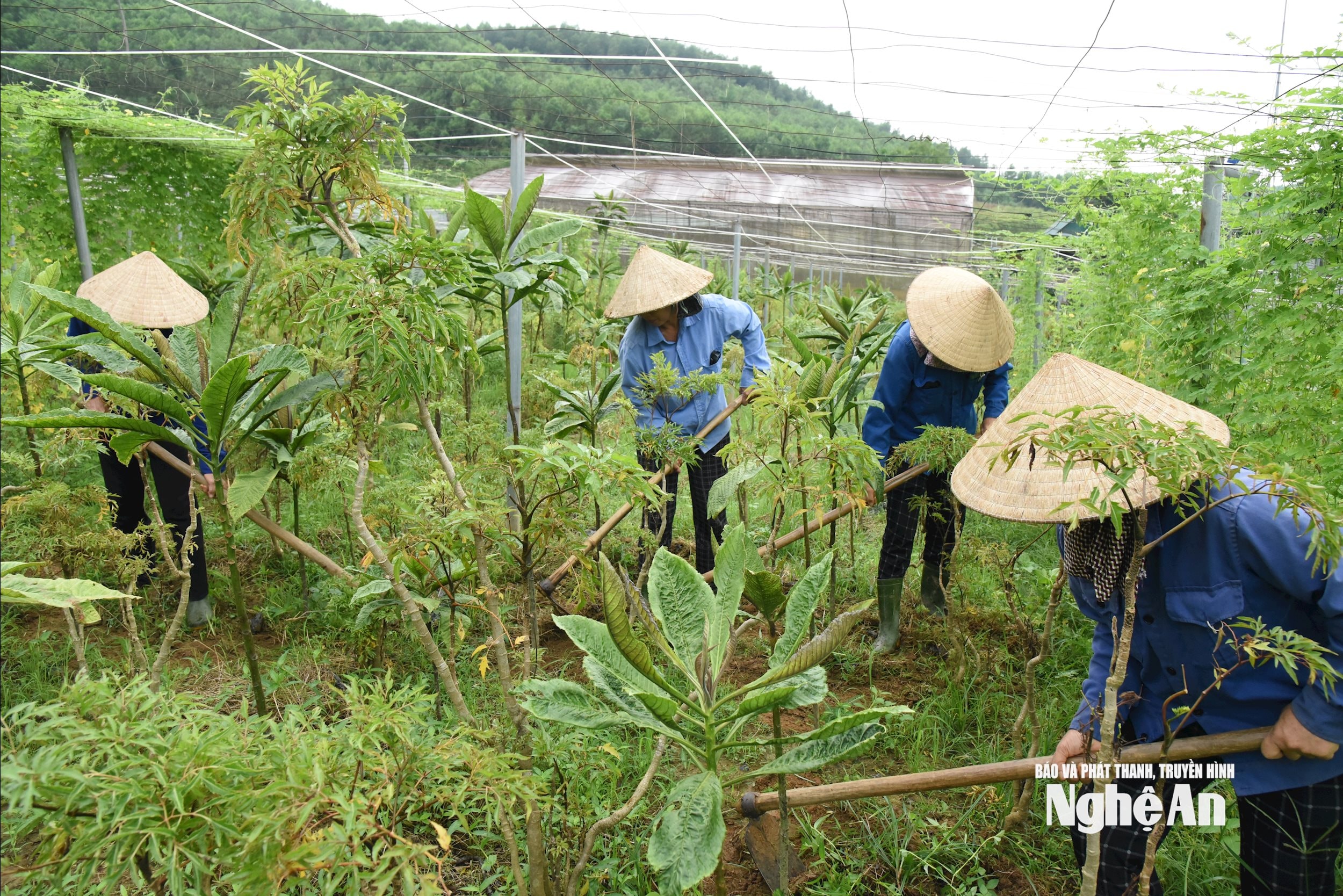
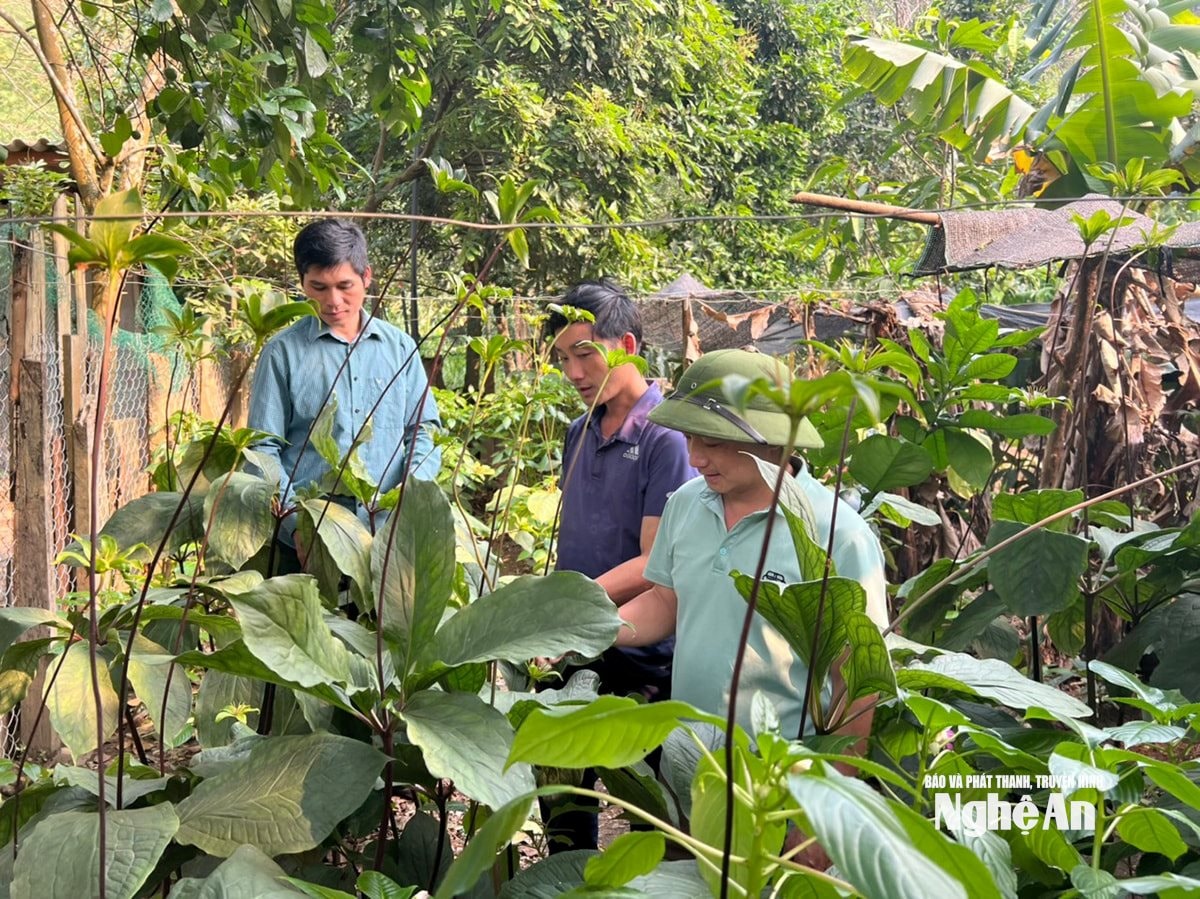
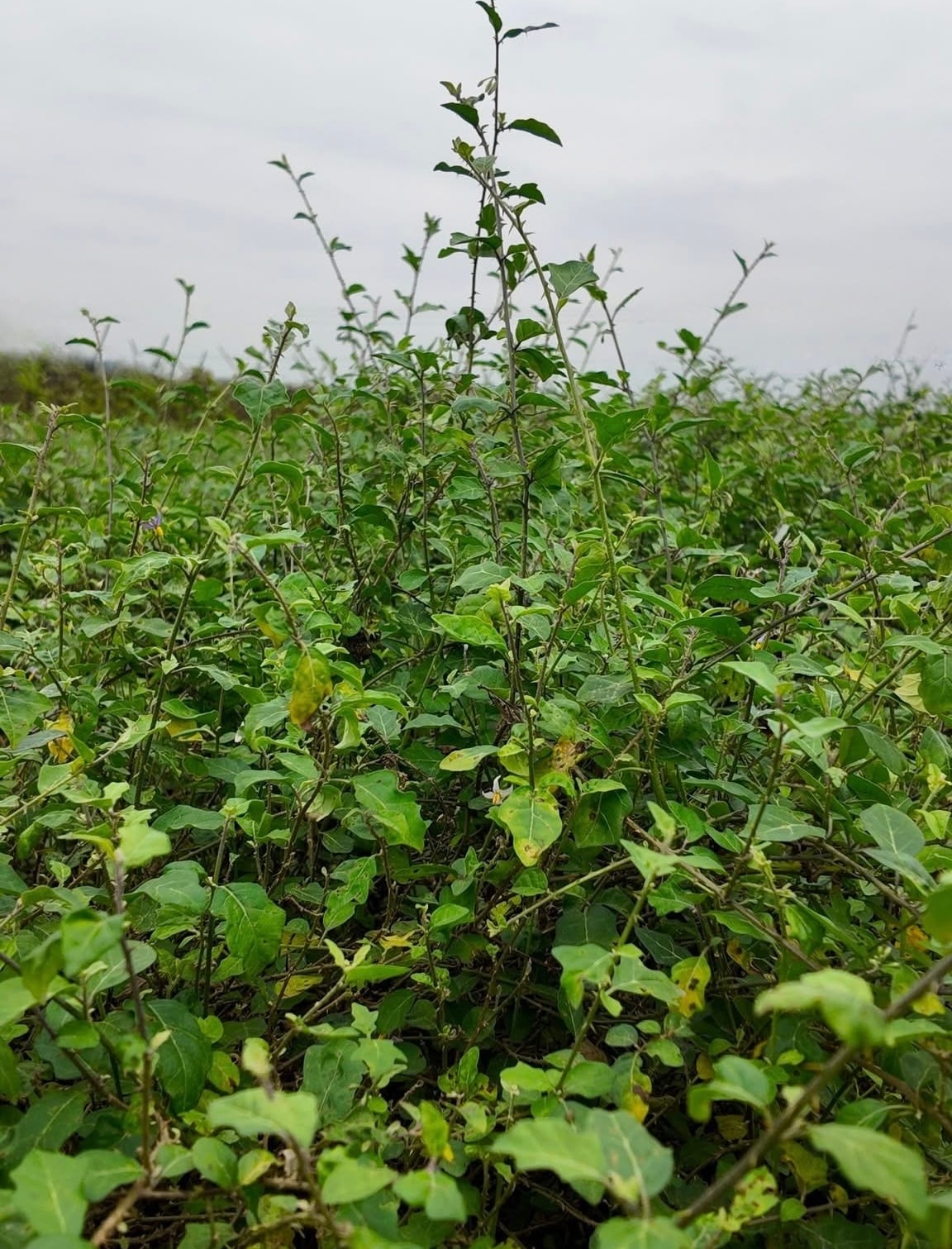
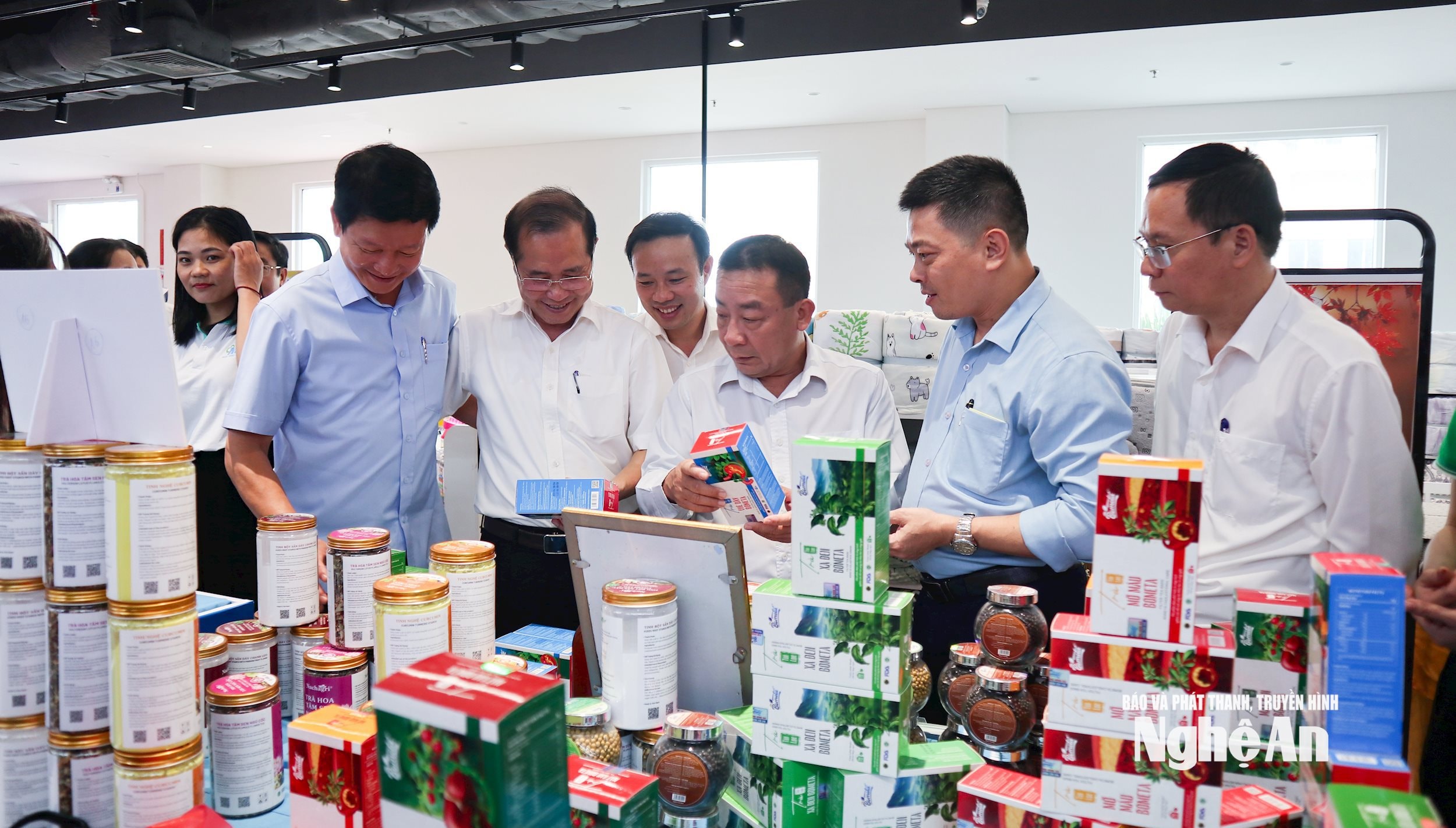
Currently, several small businesses, cooperatives, associations, and households in the province have invested in cultivating and processing medicinal herbs. According to data from the Provincial Farmers' Association, the most typical examples include: Hang Moon Herbal Import-Export Co., Ltd. (Bach Ngoc commune) which produces perilla leaf conditioner, shampoo, shower gel, green tea makeup remover, etc.; Tinh Sang Duong Agricultural and Medicinal Cooperative (Tam Hop commune) which produces products such as: Khoi Binh Vi extract, An Lac Mien extract, Ca Gai Leo extract, Day Thi Canh extract, Dinh Lang extract, Xa Cung extract, Ca Gai Leo tea bags, Day Thi Canh tea bags, honey, etc.; Phu Quy Medicinal Herb Cooperative (Dong Hieu commune) which produces products such as Ca Gai Leo tea, Linh Dan, Ha Thu O, turmeric starch, turmeric honey capsules, turmeric Tam That capsules, kudzu root, passion fruit, etc.; Nghia Dan Medicinal Herb Cooperative (Nghia Tho commune) which produces and processes An Xoa, Xa Den, and Doi Tim plants, etc. Ba Hung Herbal Cooperative (Luong Son commune) produces tea bags made from Solanum torvum, Gymnema sylvestre, Perilla, Perilla extract, etc.; Quy Hop Medicinal Herb Cooperative (Muong Ham commune) produces products from mint, Perilla, basil, lemongrass, white basil, etc.; Pu Mat Medicinal Herb Joint Stock Company produces and processes products from Solanum torvum, Gymnema sylvestre, wild bitter melon, Rhus chinensis, Gynostemma pentaphyllum, and Rhus chinensis; Muong Long Medicinal Herb Joint Stock Company (Muong Long commune) produces products from ginger, chrysanthemum, Perilla, Passiflora incarnata, Ganoderma lucidum, Gynostemma pentaphyllum, Panax notoginseng, Puxailaileng ginseng, Panax pseudoginseng, and seven-leaf one-flower ginseng, etc.
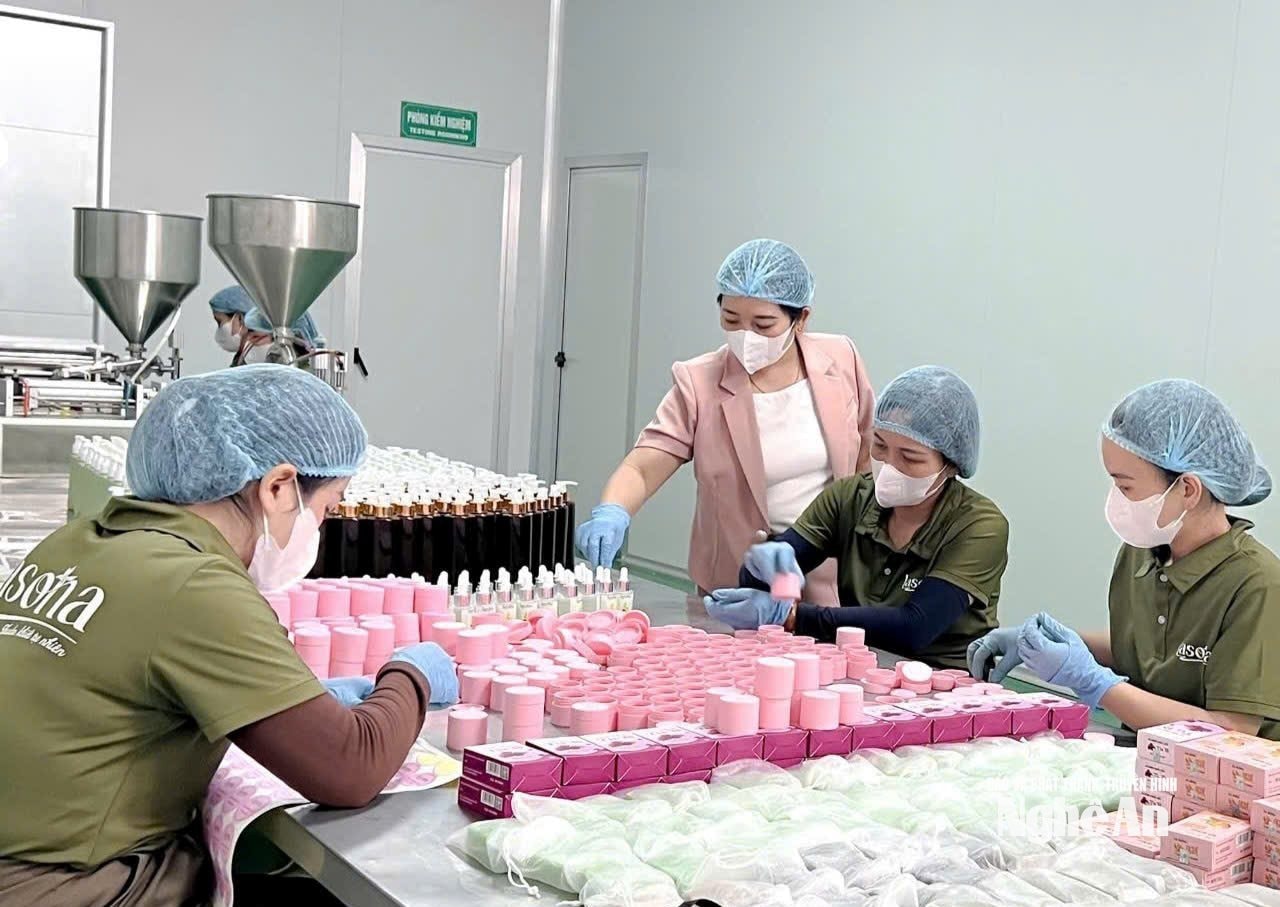
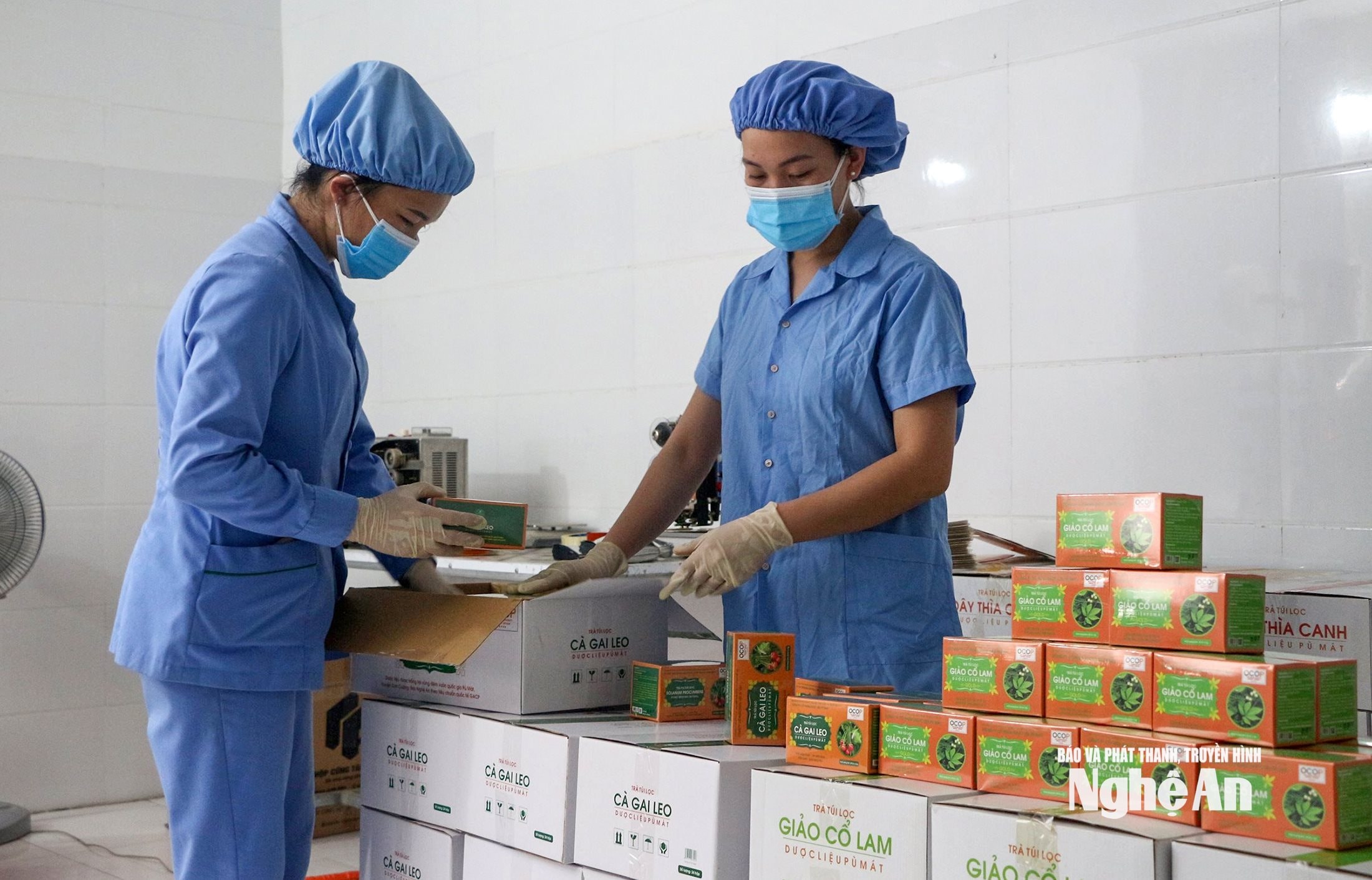
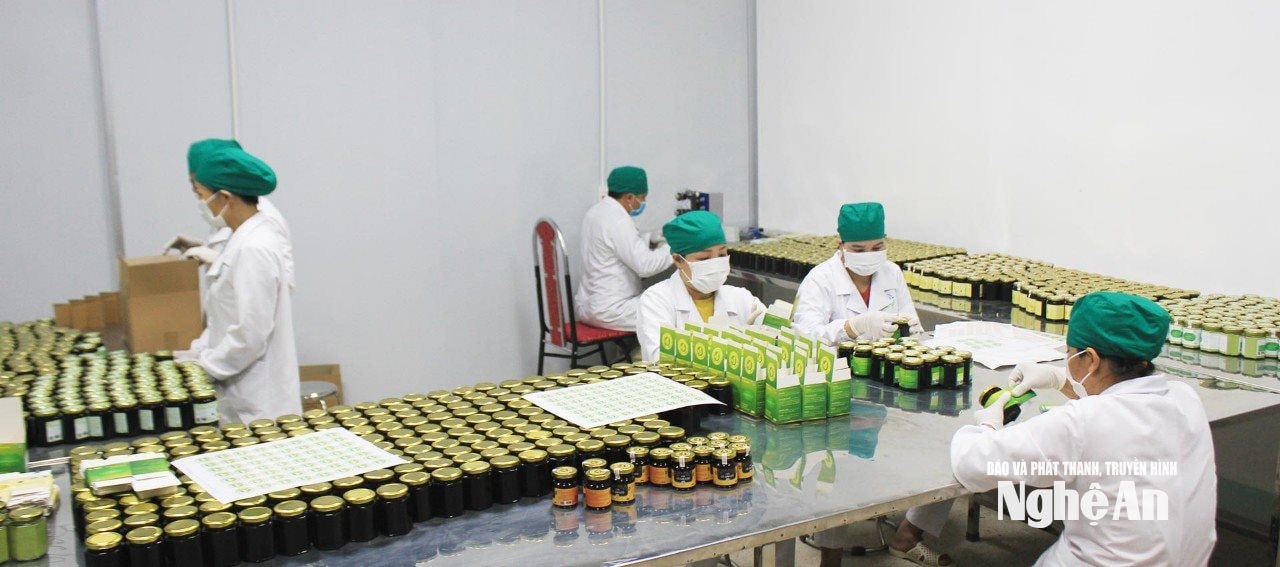
However, the aforementioned businesses and cooperatives mainly operate on a small scale, processing with simple equipment and technology, resulting in low output and product quality. Furthermore, they have not encouraged many farmers to participate in growing raw materials, thus leading to low production and business efficiency.
To develop medicinal plants and create more medicinal products, in addition to encouraging existing medicinal plant production businesses and cooperatives to continue developing, the province needs mechanisms and policies to attract a few truly potential businesses to build large-capacity processing plants with modern equipment and technology, organize the purchase of all raw materials at reasonable prices, and create high-quality, branded products for domestic and international consumption.
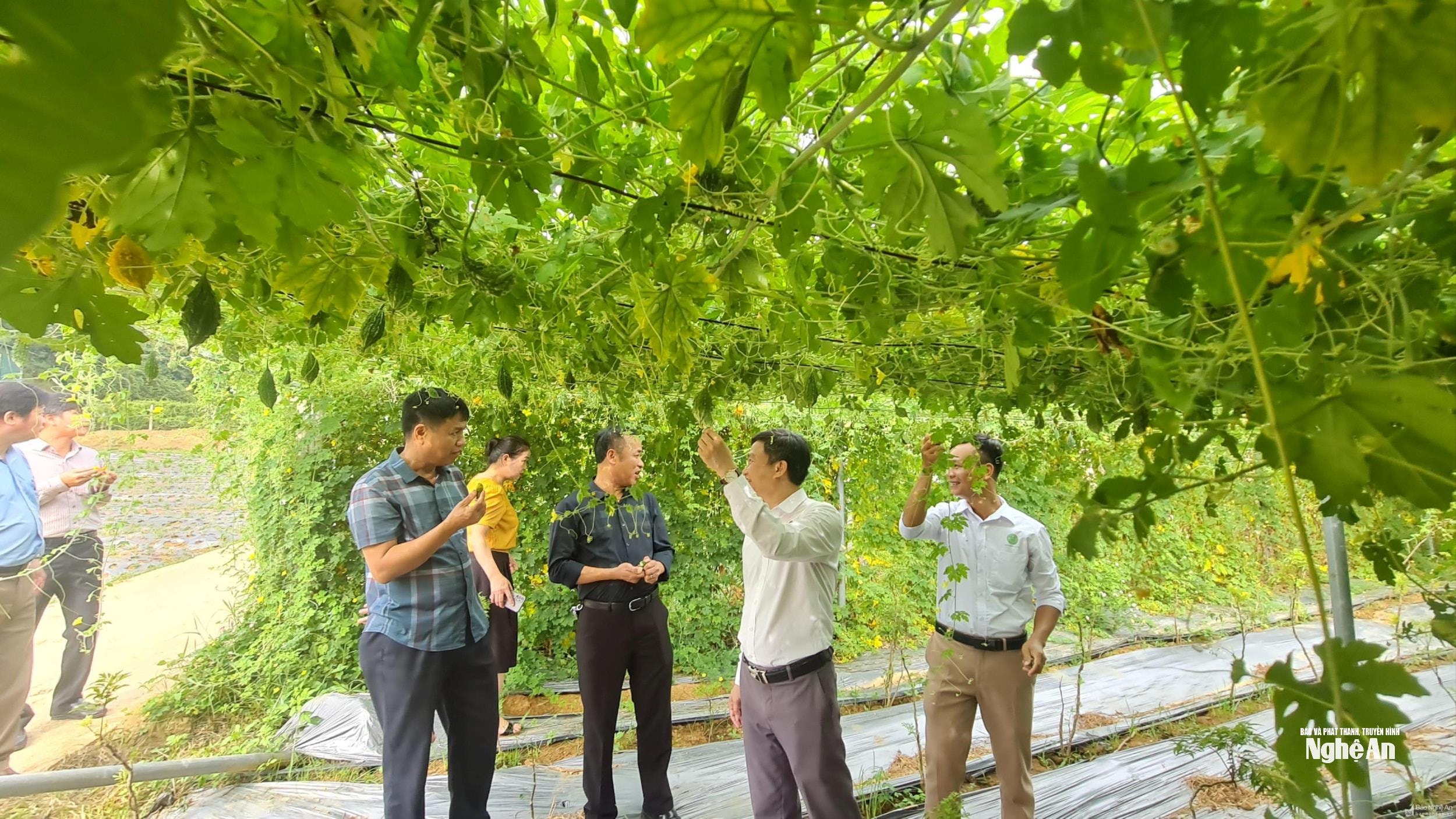
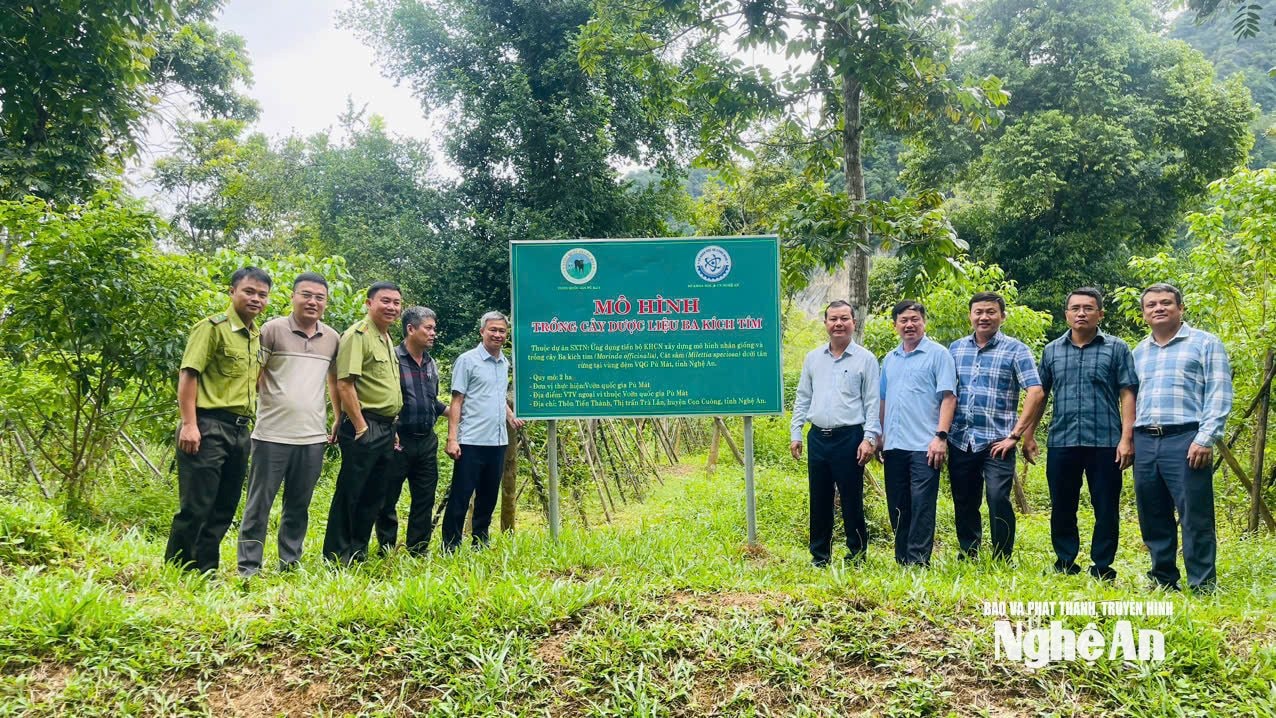
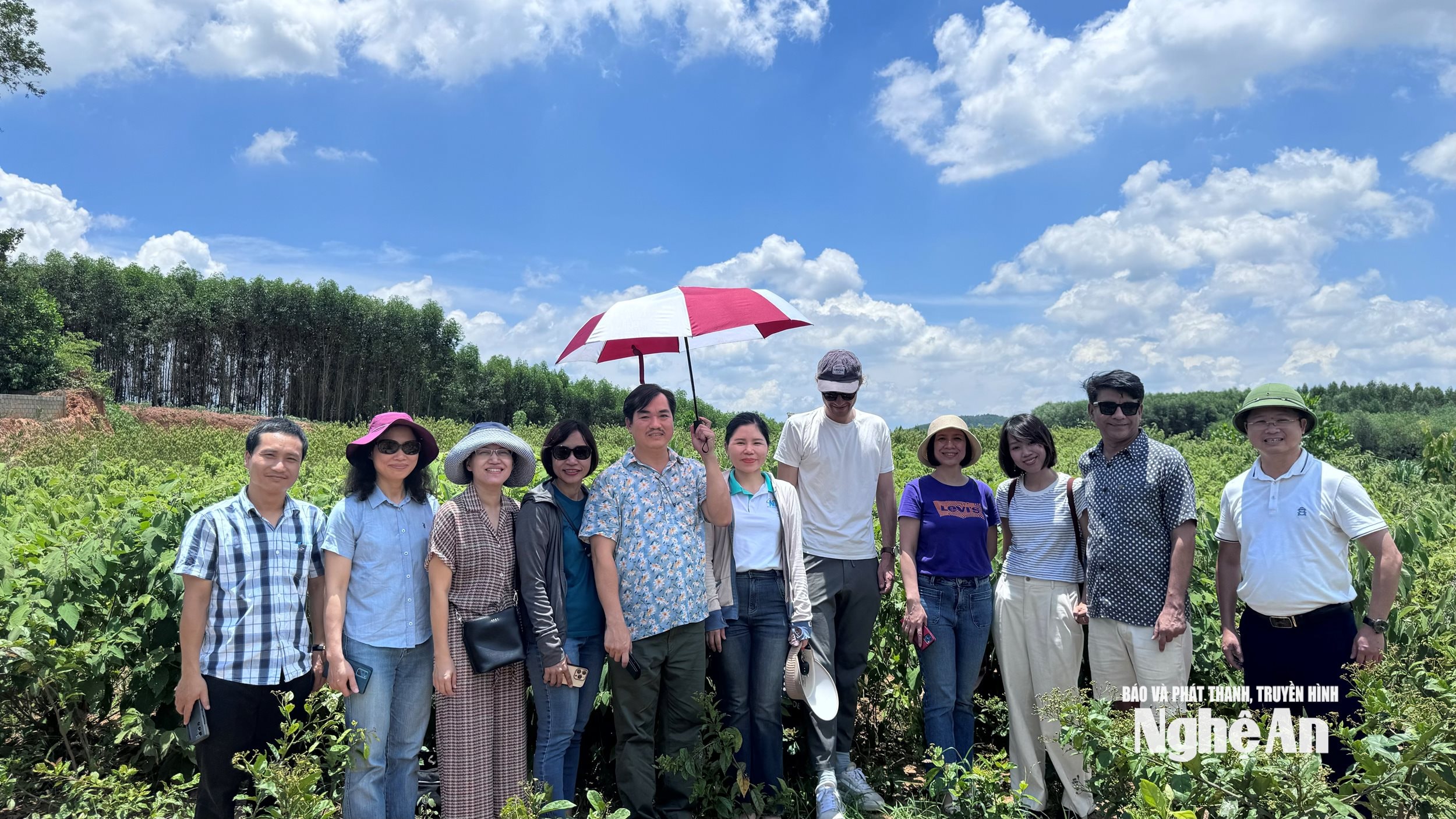
Medicinal plants require a rigorous process of seed selection, planting, care, and harvesting, demanding high technical skills. Therefore, the State, businesses, cooperatives, etc., must strengthen agricultural extension work and transfer technology promptly, linked with the development of concentrated raw material area planning... The four-party linkage model (State, scientists, businesses, and people) needs to be implemented synchronously, with businesses playing a leading role in connecting scientists, supporting growers, and organizing training...
With the attention of the Party Committee and the government through resolutions or the approval of sustainable development plans for medicinal plants, and the decisive involvement of the entire political system, the medicinal plant industry in the province will certainly experience strong development in the new era.


