
Nghe An province is boosting carbon-credit rice production in the summer-autumn crop season.
With the goal of developing green agriculture and reducing greenhouse gas emissions, Nghe An province is expanding the carbon-credit rice production model in the 2026 summer-autumn crop season.
"Locking up" the temperament and credit.
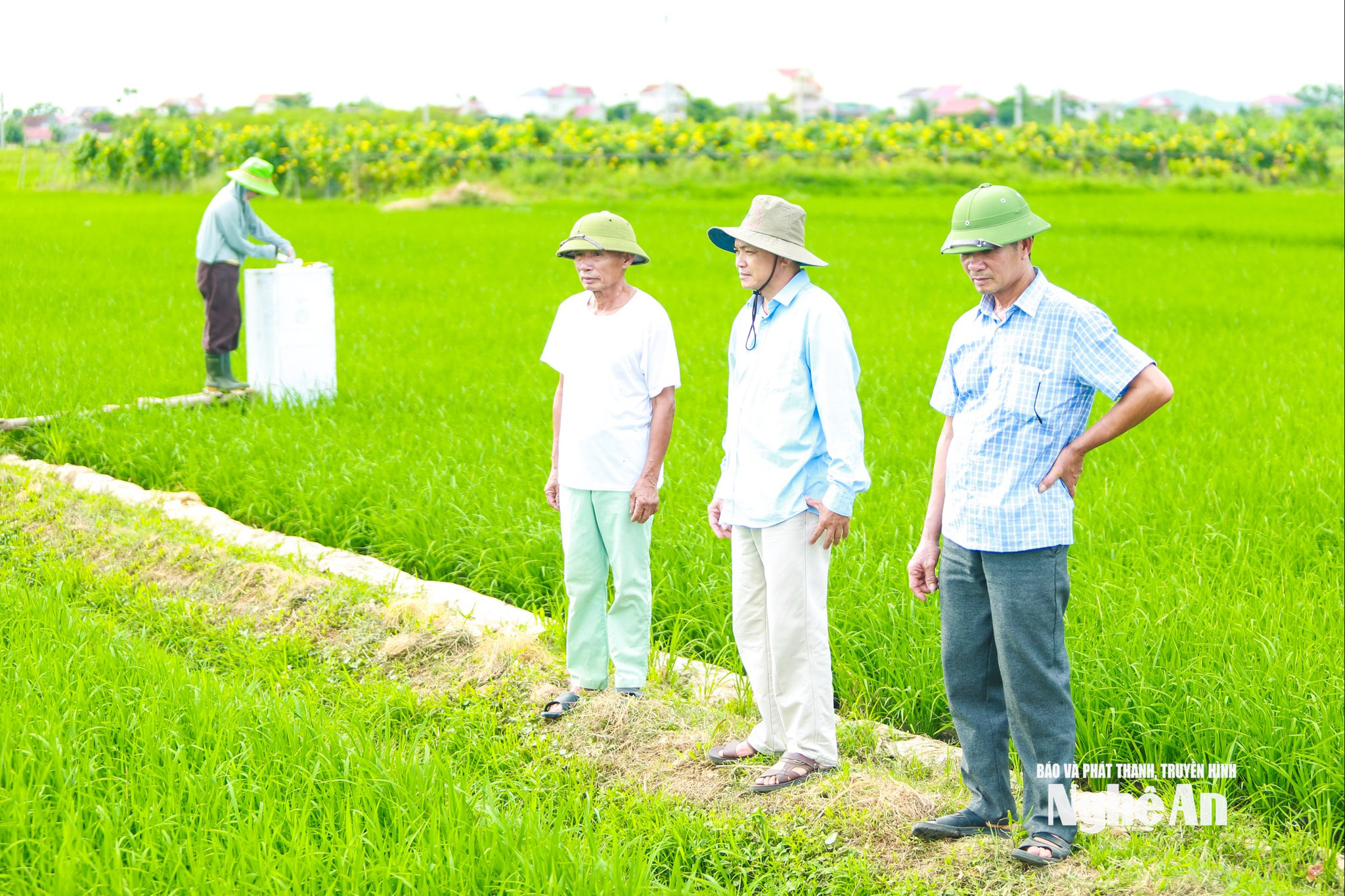
Every Thursday at 7 a.m., as the intensity of solar radiation begins to increase, Ms. Nguyen Thi Hang, a specialist at the North Central Agricultural Science Institute, packs her backpack containing her equipment and begins her weekly monitoring trip at the low-emission rice farming model in Minh Chau commune, Nghe An province.
Unlike conventional farming practices, her tools include static air collection boxes wrapped in reflective heat-insulating film, specialized cylinders, sterilized vacuum test tubes, and a highly accurate electronic stopwatch. The temperature is quite stable at this time, making it ideal for collecting data on daily averages, avoiding errors caused by temperature fluctuations.
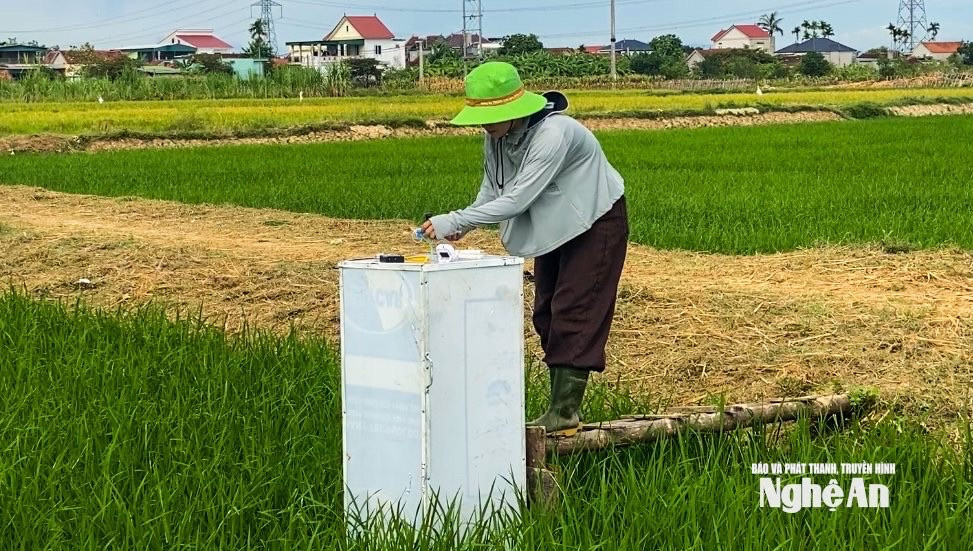
Following the embankment, Ms. Hang moved to each gas storage tank to collect samples, including samples from the control field. After placing the stationary gas collection box on the tank, she inserted a syringe through the box, sucked up the initial amount of background gas, and immediately pumped it into a test tube before transferring it to the laboratory for analysis.
Every week, at the same fixed time, Ms. Hang goes to the fields in the communes where the gas collection tanks are installed, and repeats the precise procedure of drawing samples. Strictly adhering to this schedule helps to measure the gas more accurately. The sampling process takes place urgently before about 10 a.m. to prevent the local greenhouse effect from increasing the temperature inside the tank and causing errors.
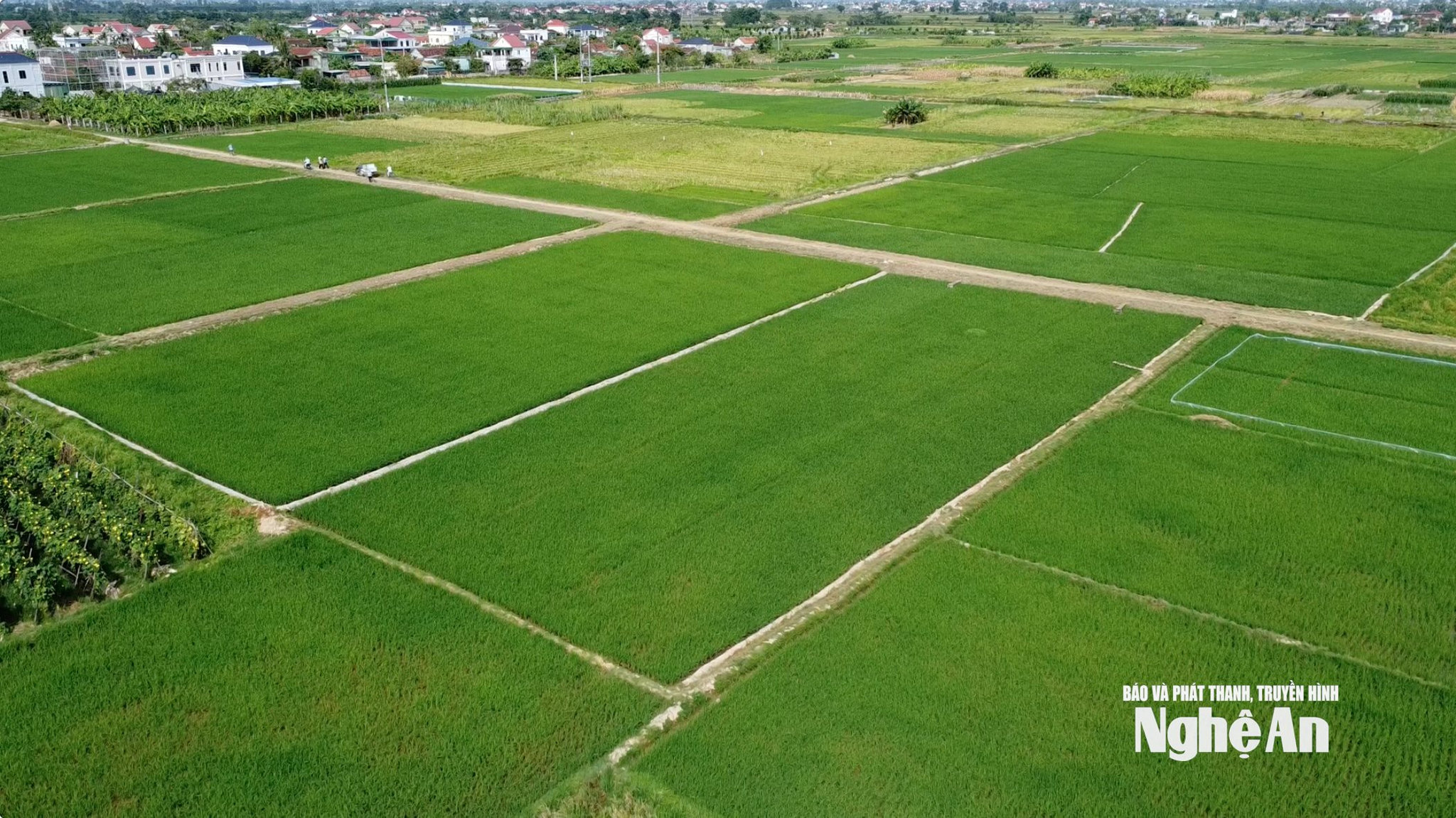
Alongside taking air samples, Ms. Hang measured and recorded baseline environmental parameters in her field log, noting temperature, water level in the rice paddies, and monitoring the growth of the rice plants. At this time, the summer-autumn rice crop in Minh Chau is tillering vigorously, the rice plants are large and healthy, and their roots are bright yellow.
Ms. Hang added: "While implementing the credit-based rice farming model, we hope that farmers will cooperate and not release water into their fields when it is not yet time for irrigation."
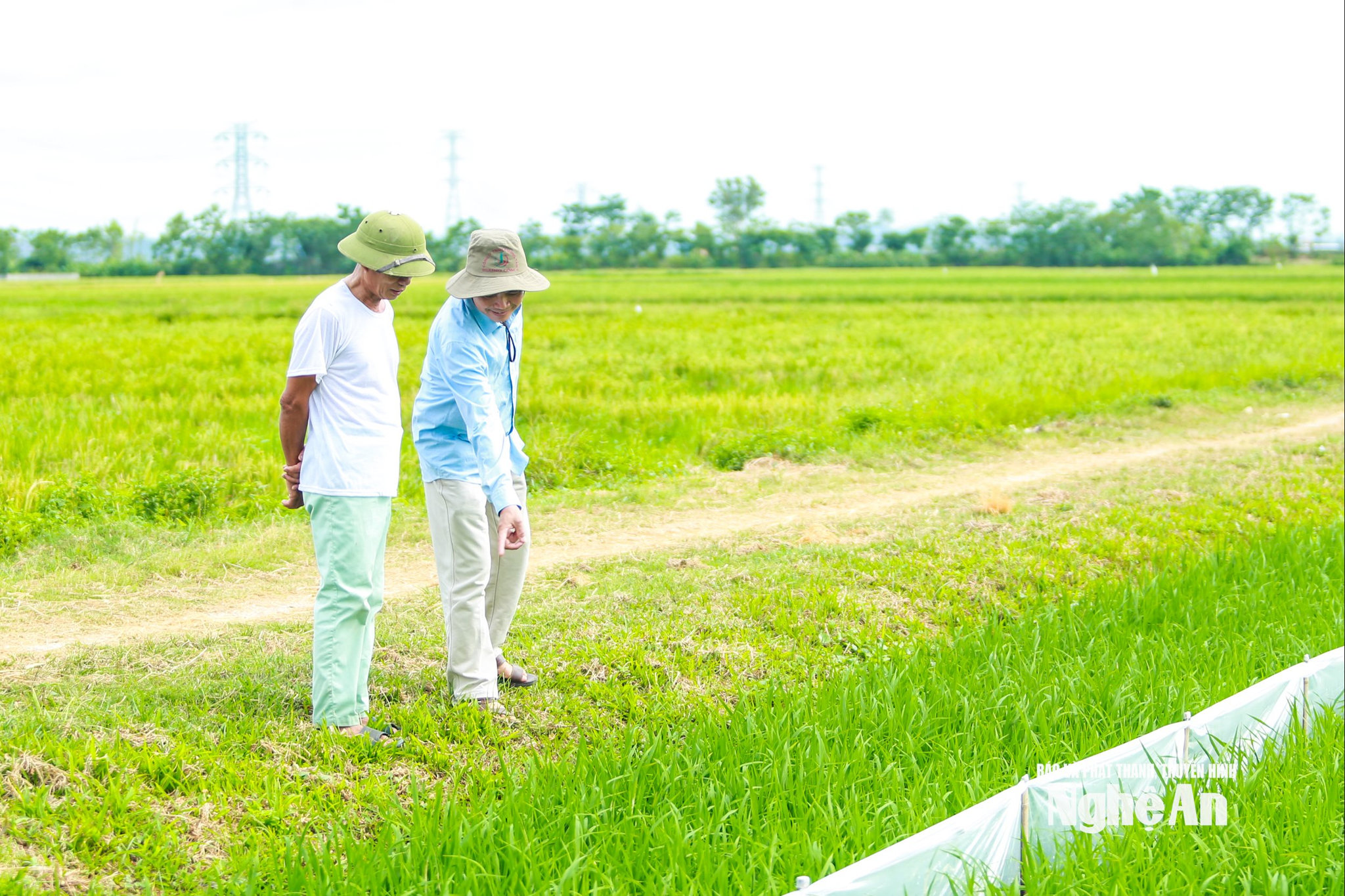
After three years of participating in the model, many households have clearly seen changes right on their own fields. Mr. Cao Xuan Thanh, a farmer from Tan Chau hamlet, Minh Chau commune, shared: "This is the third year my family has participated in the carbon project. Based on actual production, the rice plants are developing uniformly and growing well. In the past winter-spring crop, the yield reached about 76 quintals/hectare."
Not only Mr. Thanh's family, but the low-emission rice cultivation model has now been widely implemented in Tan Chau hamlet and has initially yielded many positive results. With a total cultivated area of about 70 hectares, the hamlet has maintained the alternating wet-dry irrigation model for the past three years and has achieved positive results.
According to the North Central Vietnam Institute of Science and Technology, air sampling in experimental plots is carried out weekly in coordination with local authorities to support research. Approximately 7 days after rice planting, technical staff collect samples from the experimental plots and send them to the laboratory for analysis and evaluation of emissions at each growth stage of the rice plant.
Throughout the implementation process, the Institute also hopes that farmers will cooperate closely with the implementing unit. Once local officials have regulated the water according to the correct technical procedures, farmers should not arbitrarily introduce water into the fields before the specified time to ensure the accuracy of the research results and the effectiveness of the model.
Expand the area
Not only the households directly involved, but also the cooperatives have recorded many positive changes after several production seasons.
According to engineer Nguyen Van An from the North Central Agricultural Science and Technology Institute: "Reduced-emission rice cultivation helps reduce greenhouse gas emissions by 50% compared to traditional flooded rice farming, significantly contributing to environmental protection and providing farmers with an opportunity to increase their income. This summer-autumn crop season, reduced-emission rice cultivation is being implemented on over 27,000 hectares in Nghe An province. The average yield of winter-spring rice reached 65 quintals/hectare. Communes such as Hung Nguyen, Hung Chau, Quang Chau, and Nam Dan have all recorded positive results from reduced-emission rice cultivation."
"Farmers' consensus is growing as the effectiveness of the model is proven in practice. Water regulation is also handled by the irrigation department and village officials according to the correct procedures, helping people no longer have to go to the fields regularly to monitor and manage water as before," said Mr. Dao Xuan Tu.
Climate change is posing numerous challenges to agricultural production, especially rice cultivation – a sector that emits large amounts of methane. In the context of the increasingly urgent need to develop green agriculture, reduce emissions, and adapt to climate change, the project “Alternating Wet and Dry Irrigation – A Solution for Reducing Greenhouse Gas Emissions in Sustainable Rice Farming in Nghe An” is gradually proving its effectiveness. Not only does it contribute to reducing greenhouse gas emissions, but the model also brings clear economic and environmental benefits and transforms the farming practices of local people.
After four implementation cycles, the project's scale has continuously expanded. While in the spring of 2024, the new model was implemented in 29 communes covering nearly 5,714 hectares, by the summer-autumn of the same year, this had almost doubled to 11,152 hectares across 57 communes. In the spring of 2025, the area is expected to further expand to 24,029 hectares.
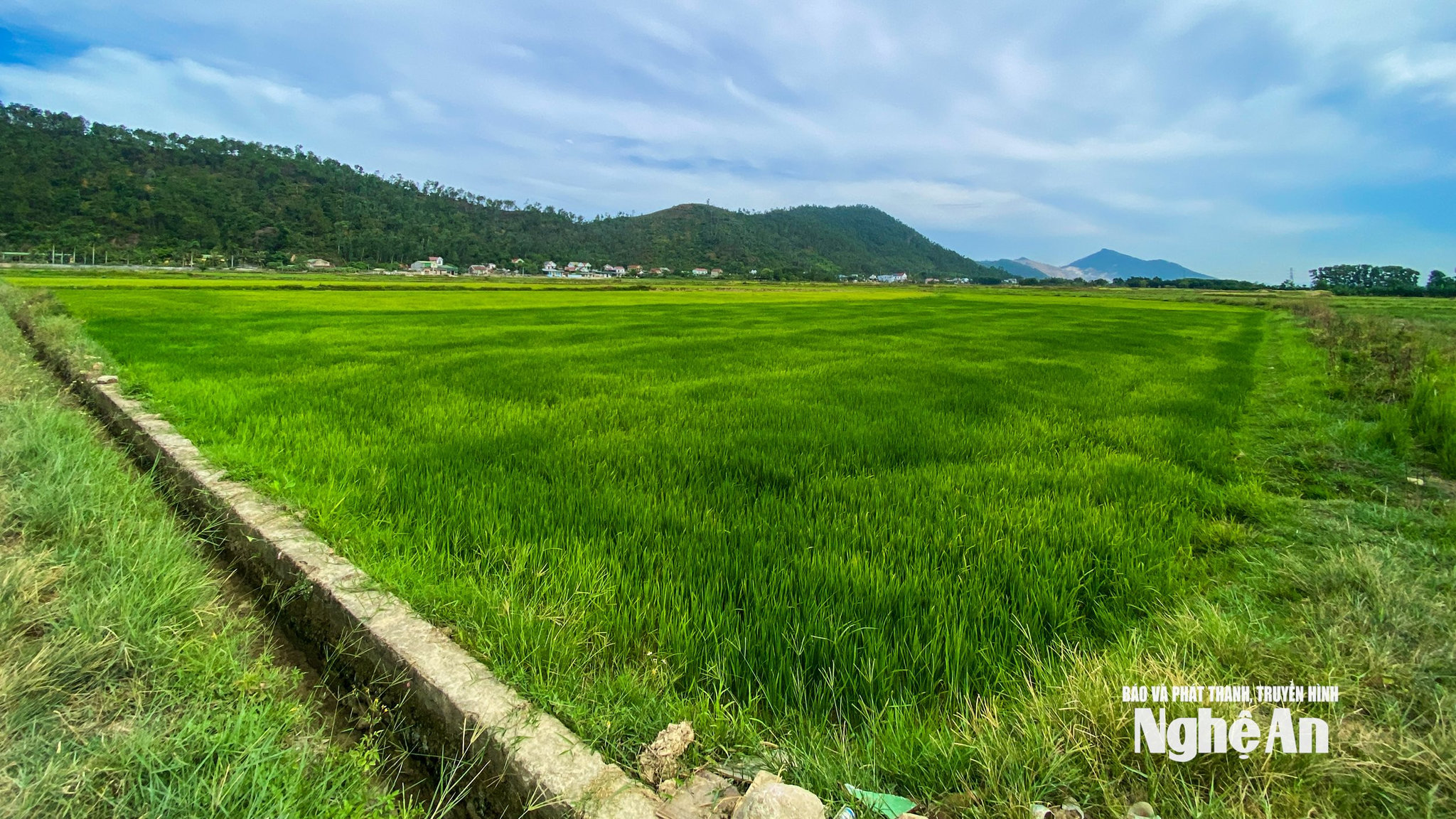
Just one year after implementation, the area covered by the model has increased more than fourfold compared to the initial stage. These figures not only reflect the practical effectiveness of the model but also demonstrate strong support and positive response from local authorities, cooperatives, and a large number of farmers. This is also an important basis for the model to be further expanded throughout the province in the future.
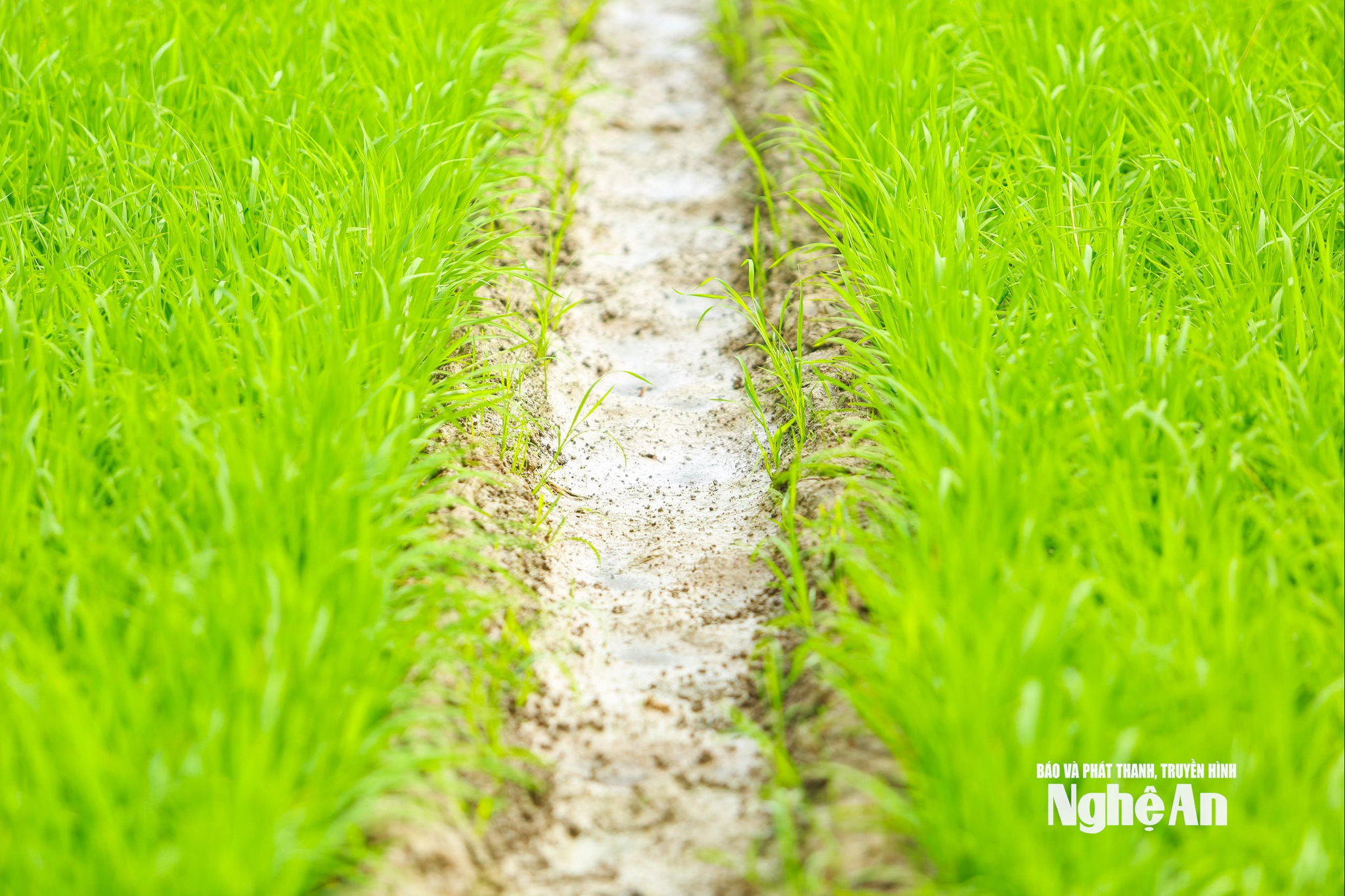
The effectiveness of the alternating wet-dry irrigation method is not only demonstrated by the area covered but also observed directly in each field. Thanks to the alternating dry and wet periods, the rice root system develops healthily and penetrates deeper, the stems are stronger, tillering is improved, ineffective tillers are reduced, and lodging resistance is increased compared to the traditional wet irrigation method.
A more open and airy farm environment significantly reduces the occurrence of many pests and diseases such as leaf-rolling caterpillars, stem borers, blast disease, and bacterial leaf blight, thereby reducing the pressure to use pesticides. In addition, the activity of beneficial organisms in the soil is improved, the density of golden apple snails decreases, contributing to the formation of a more balanced, sustainable, and environmentally friendly farm ecosystem.


