
Nghe An: Shaping a new structure for the marine economy.
From industry, seaports, and logistics to urban development, tourism, fisheries, and technology, Nghe An is gradually reorganizing its marine economic space towards multi-sectoral linkages, forming new growth poles and dynamic corridors.
Formation of "3strip - 4extreme - many corridors
After nearly 10 years of partnership, WHA Group of Thailand has established its first industrial park in Than Linh commune, covering approximately 500 hectares with an occupancy rate of over 60%, attracting many large corporations in the electronics supply chain. Projects in the industrial park have a total registered capital of over US$1.5 billion, creating approximately 50,000 jobs.
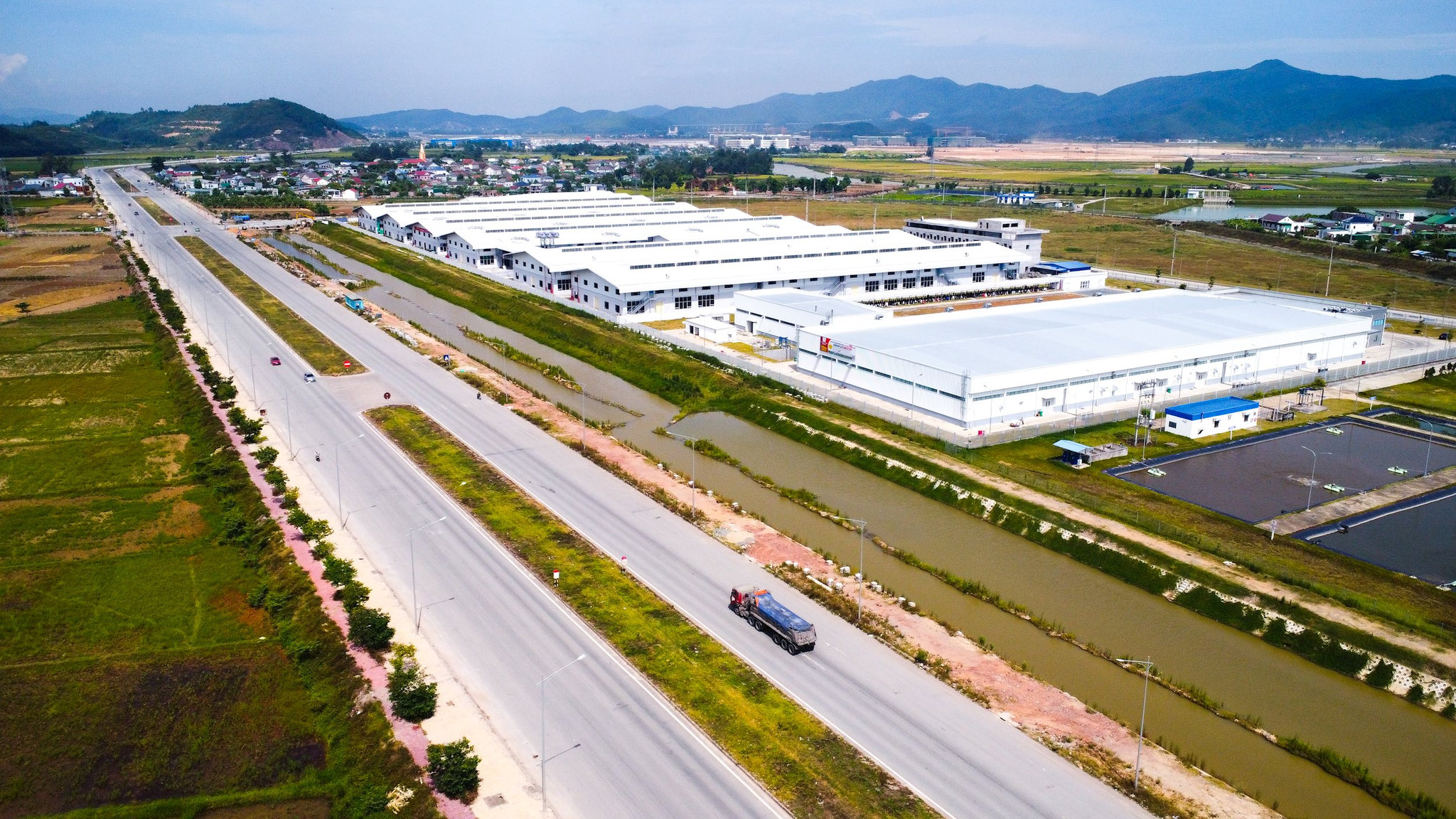
Mr. Dispong Pornchanoknart, Country Director of WHA Group in Vietnam, said that WHA is developing its second industrial park with a scale of approximately 250 hectares, aiming to develop about 2,000 hectares of industrial parks in Nghe An in the future.
The presence of WHA is contributing to shaping the "Dien Chau - Nghi Loc - Southeast Economic Zone" into a key production, logistics, and business service axis for Nghe An's marine economy.
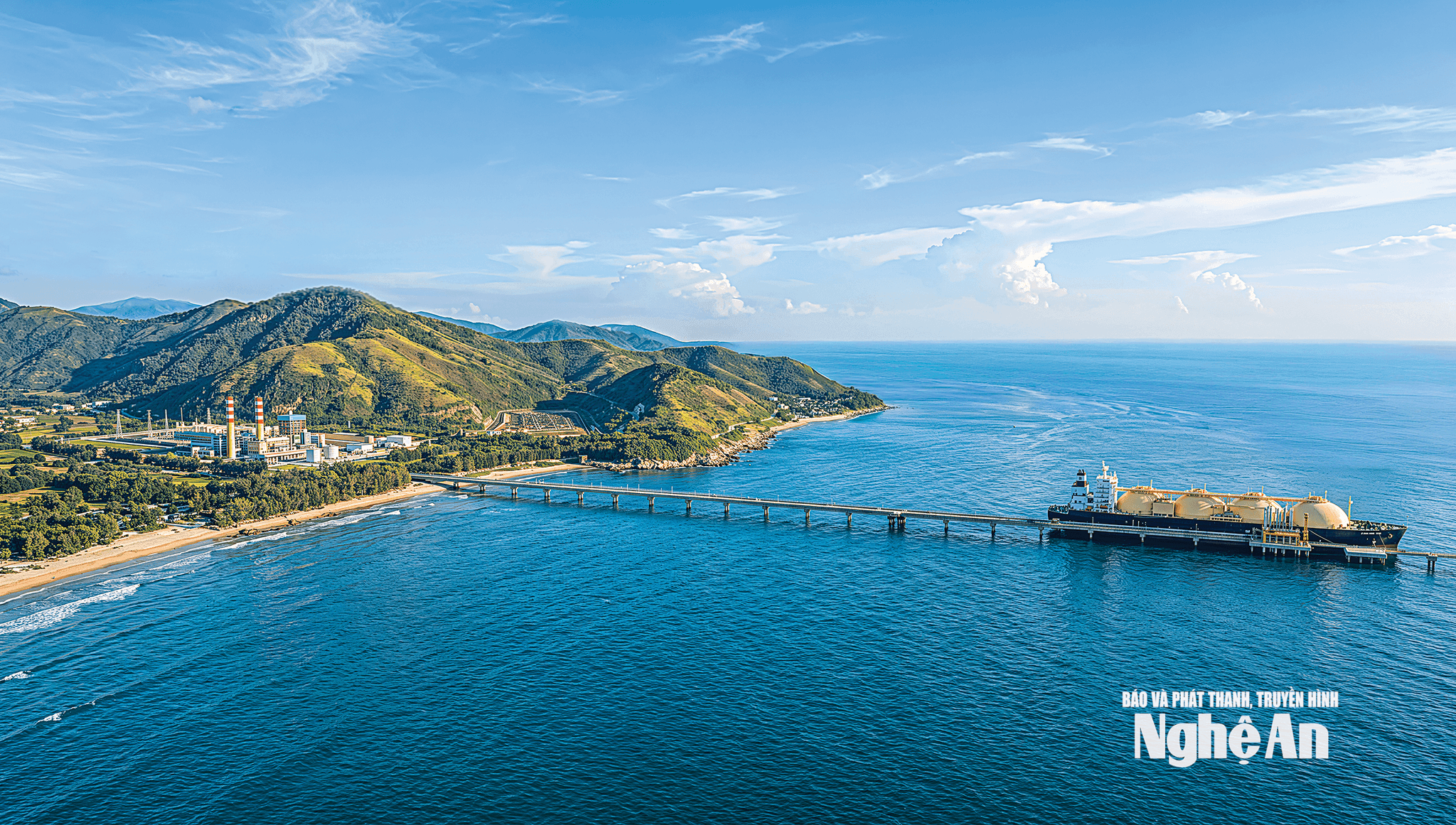
In the "Hoang Mai - Quynh Luu - Dong Hoi area," the Hoang Mai I and Hoang Mai II industrial zones, along with the Quynh Lap LNG Thermal Power Plant Project, with an investment of approximately $2.2 billion, are creating another industrial development hub along the northern coast.
A key highlight is that Nghe An is also promoting the construction of data infrastructure, creating a foundation for the digital economy and attracting high-tech projects, artificial intelligence, cloud computing, and data centers to the province. According to Tran Khanh Thuc, Director of the Department of Foreign Affairs, the province is collaborating with SK Group of South Korea to research and implement an Artificial Intelligence Data Center in the Southeast Economic Zone.
Industrial, energy, and data projects are expanding the approach to Nghe An's marine economy. The marine space is being placed within the interconnectedness of industry, seaports, logistics, urban areas, services, and technology.
Nghe An has the conditions to reorganize its development space in an integrated direction. The province has an 82 km long coastline, a sea area of approximately 761,000 km², 6 large and small estuaries, a seafood reserve of about 80,000 tons, and many beaches with tourism value.
The coastal and marine areas are located on the North-South and East-West trade routes of Central Vietnam, connecting with economic centers in the region and corridors leading to Laos and Northeast Thailand.
.png)
With that advantage, the province is organizing its marine economy according to the model: "3 zones - 4 poles - multiple connecting corridors". The three development zones include: the industrial - seaport - logistics zone; the coastal urban - tourism - service zone; and the ecological - fisheries - coastal protection zone. Each zone performs its own function, while also supporting the others through the transportation, logistics, urban, and service systems.
The four dynamic hubs include: Hoang Mai - Quynh Luu - Dong Hoi; Dien Chau - Nghi Loc - Southeast Economic Zone; Vinh - Cua Lo - Cua Hoi; and coastal fisheries and ecological hubs.
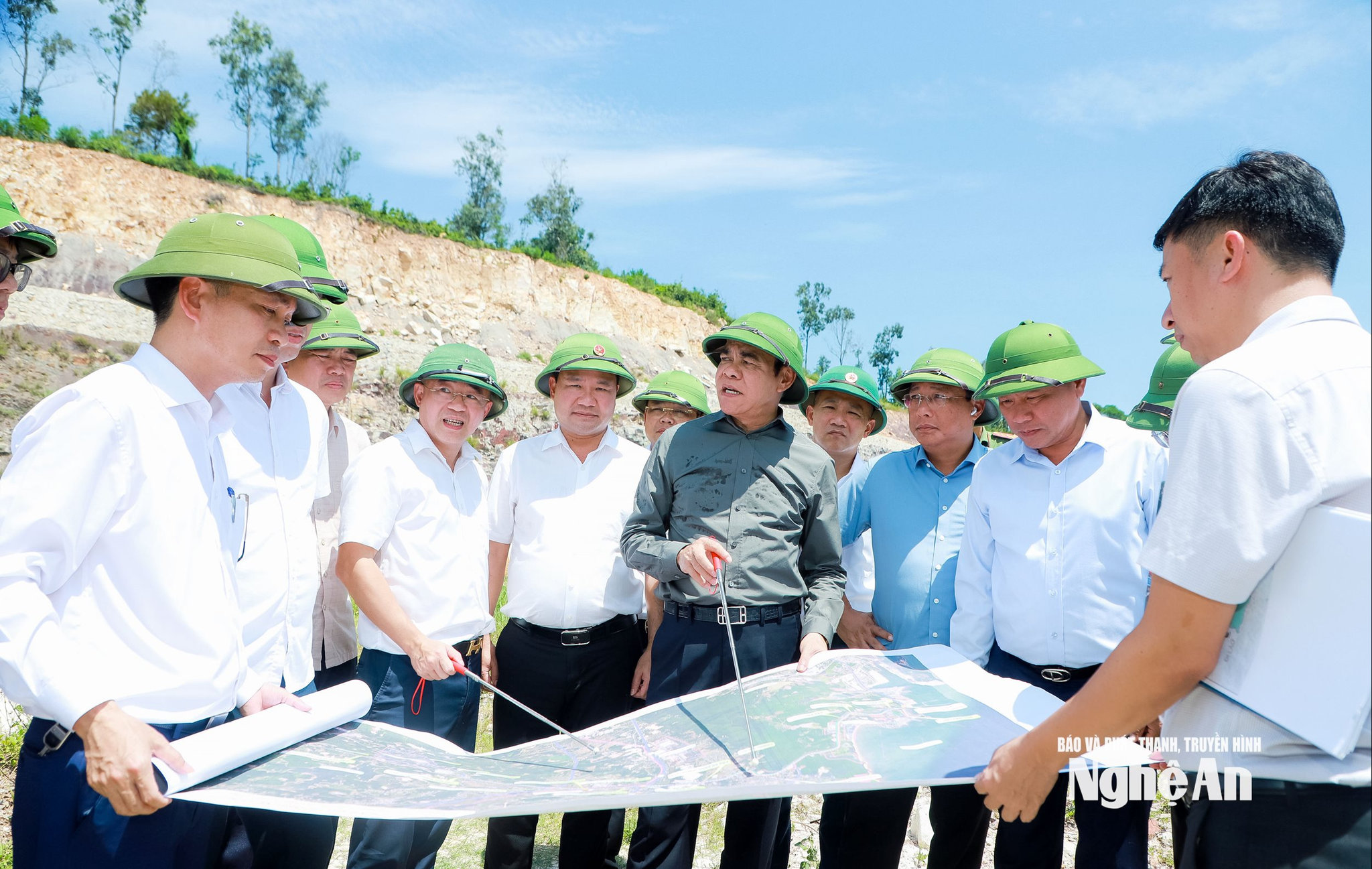
Hoang Mai - Quynh Luu - Dong Hoi plays the role of a coastal industrial and port-logistics hub in the North, connecting with Nghi Son and the North Central coastal industrial chain. With its industrial park, energy, and port infrastructure, this area has the potential to become the northern industrial gateway of Nghe An.
Dien Chau - Nghi Loc - Southeast Economic Zone is a key production, logistics, and business service hub. The focus includes the Nam Cam, Tho Loc, VSIP, and WHA industrial parks, as well as the Cua Lo port support areas. When the port, industrial park, and logistics systems are seamlessly connected, this area can form a major industrial-logistics core with significant ripple effects.
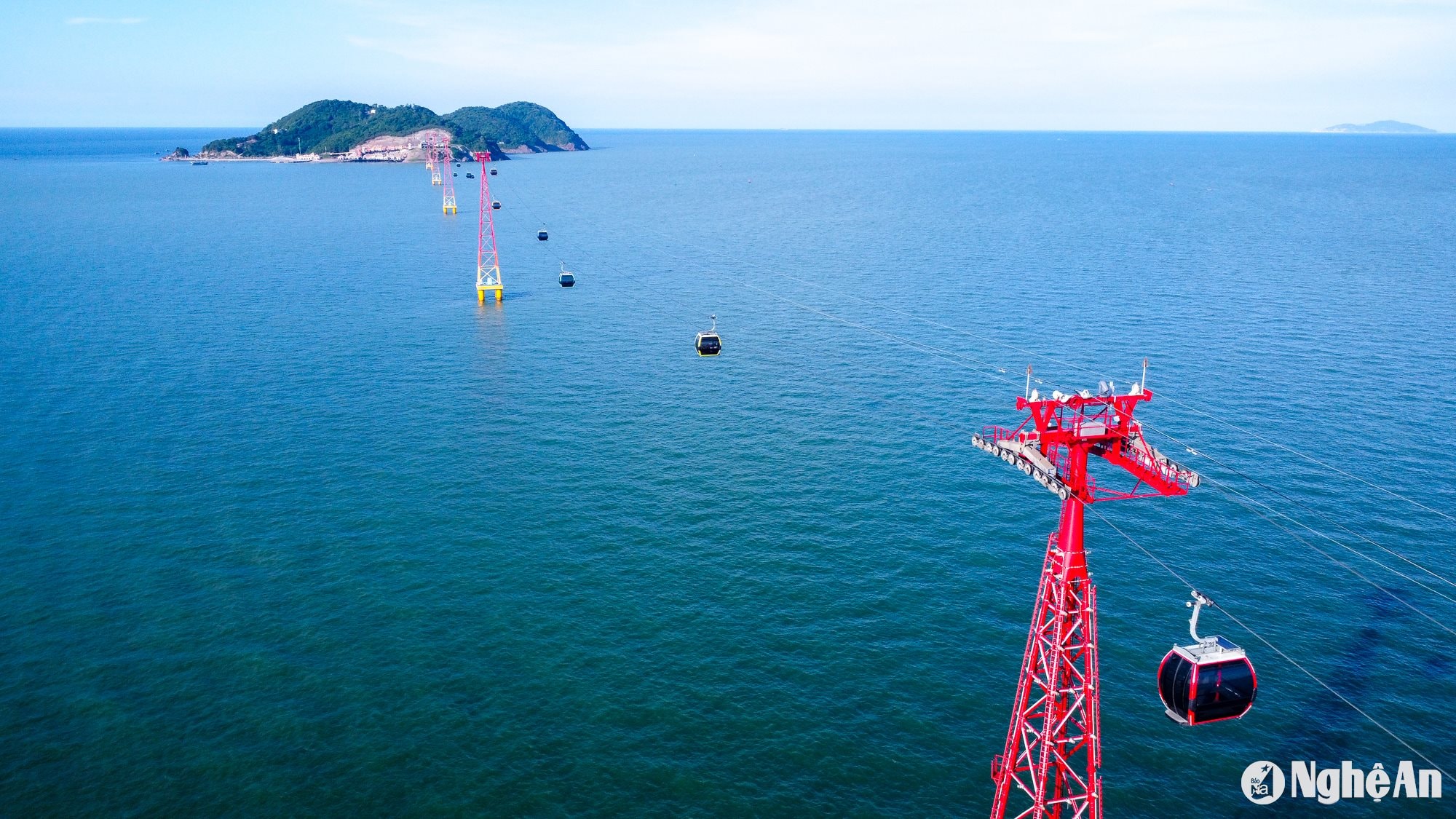
Vinh - Cua Lo - Cua Hoi plays a central role as a coastal urban center, offering comprehensive services and high-quality tourism, connected to Vinh Airport, Cua Lo Port, the coastal road, and the urban service system. The development orientation towards smart coastal cities, year-round tourism, night-time economy, MICE (Meetings, Incentives, Conferences, and Exhibitions) and high-quality services will create further impetus for the southern region.
Coastal fisheries and ecosystems play a crucial role in ensuring livelihoods, developing fisheries, supporting fishing logistics, protecting coastlines, and maintaining environmental balance. The focus should be on modernizing fishing ports, mooring areas, cold storage facilities, processing plants, and aquaculture; controlling IUU (Illegal, Unreported, and Unregulated) fishing; and protecting fisheries resources.
.png)
Numerous connecting corridors include the coastal road, the North-South expressway, National Highway 1, National Highway 7, National Highway 46, National Highway 48, the Vinh-Thanh Thuy expressway, and connections to Laos, Thanh Hoa, and Ha Tinh. These corridors help expand the influence of the maritime economy into the domestic and international markets.
This organizational approach requires "clear role division - strong connectivity - tight control." Role division aims to minimize conflicts between industry, tourism, fisheries, and conservation. Connectivity aims to form value chains between seaports, logistics, industrial zones, urban areas, tourism, and raw material sources. Control aims to ensure environmental protection, climate change adaptation, disaster prevention, and national defense and security.
Untangle the "three bottlenecks"
According to research by the Institute of Economic and Financial Strategy and Policy, Ministry of Finance, Nghe An's marine economy currently faces three major bottlenecks. Maritime logistics are not yet integrated, and the connection between ports, warehouses, industrial zones, and border gates lacks synchronization.
Coastal tourism is still seasonal, products are not diverse, and spending levels are not high. The fisheries sector is limited in terms of deep processing, traceability, cold storage, and fisheries logistics.
Bottlenecks are directly related to the level of supply chain integration. When seaports are not fully connected to industrial zones and logistics centers, locational advantages are difficult to translate into competitive advantages.
When tourism lacks year-round products, the ability of tourists to extend their stay and increase their spending is limited. For seafood, the lack of cold storage, advanced processing, and traceability keeps added value low.
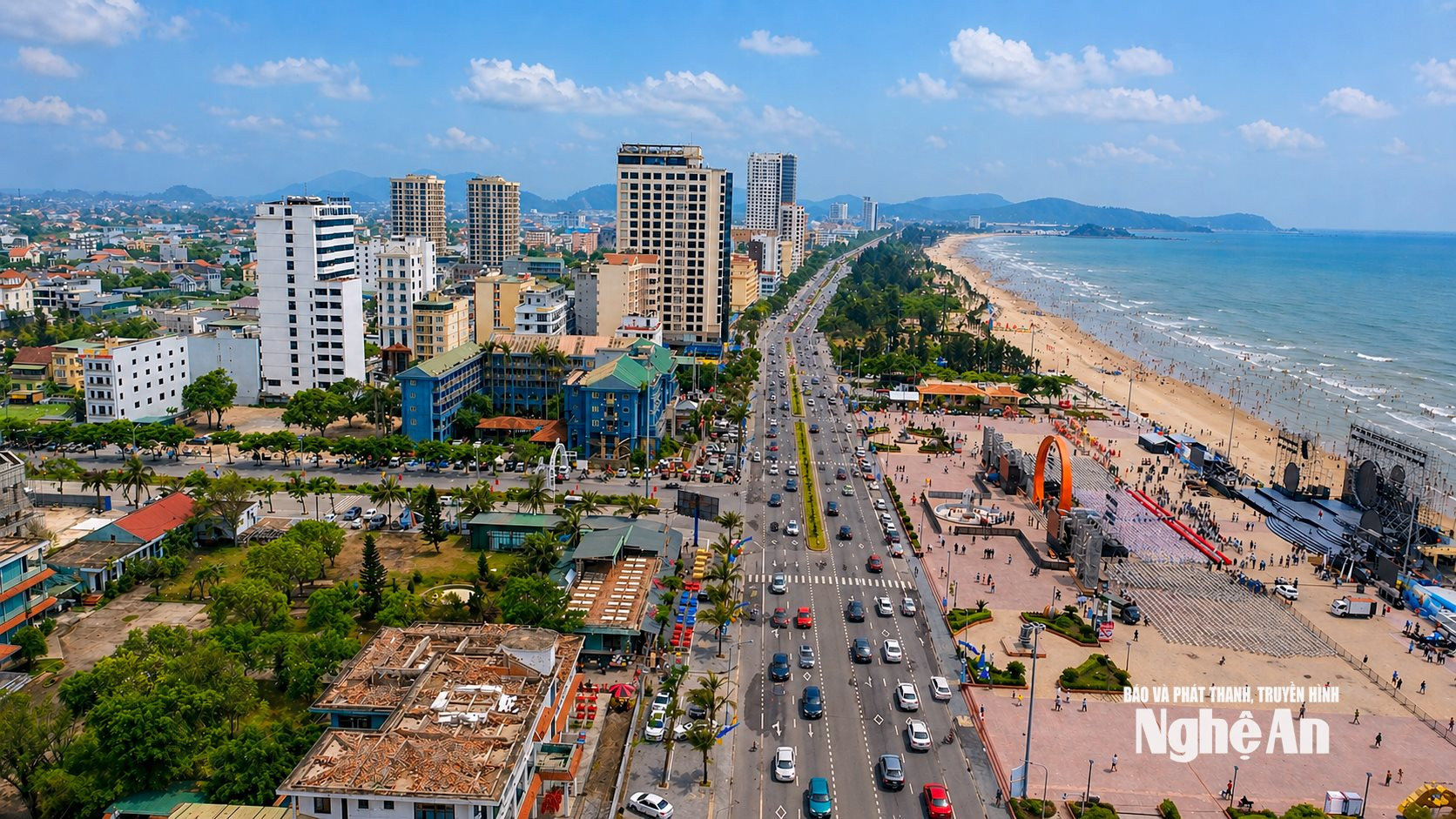
Therefore, in the revised Nghe An Provincial Planning for the period 2021-2030, with a vision to 2050, given the above potentials, the coastal area continues to be identified as an important development axis. Three of the province's six dynamic urban centers, including Vinh, Dien Chau, and Hoang Mai, are located in this area, connected to the coastal economic corridor.
During the period 2026-2030, the province will focus on tasks that have the potential to unlock the entire value chain. First and foremost are completing the connectivity between ports, economic zones, industrial parks, coastal roads, and border gates; developing integrated logistics; upgrading tourism and coastal urban infrastructure; modernizing fisheries logistics; and building a coastal zone database and environmental monitoring system.
In this context, the coastal corridor plays a pivotal role in the development structure. Connecting National Highway 1, the North-South Expressway (Eastern section), the coastal road, the North-South railway, and the high-speed railway will facilitate shorter transportation times, reduced logistics costs, and expanded service radius for industrial zones, seaports, urban areas, and service centers.
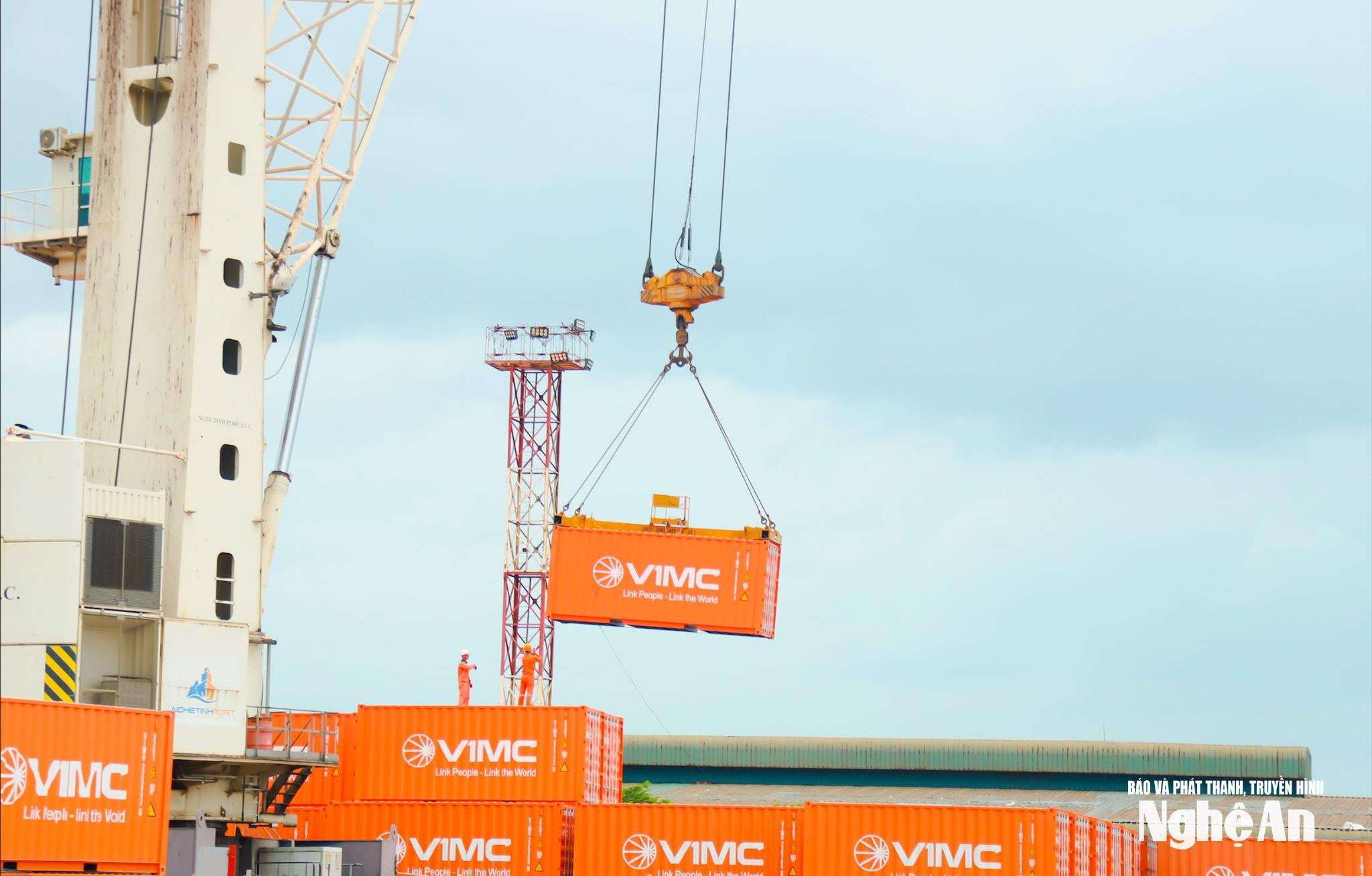
One key area the province is focusing on is logistics. In April 2026, the People's Committee of Nghe An province approved the Project "Developing Nghe An province into a Logistics Center of the North Central Region by 2030, with a vision to 2045".
The goal is to develop professional and modern logistics services, enhance business capacity, and gradually form leading enterprises capable of competing domestically and internationally. The focus is on building the Southeast Economic Zone – the Cua Lo – Dong Hoi port cluster – and the network of satellite logistics and border gates into a logistics hub for the North Central region.
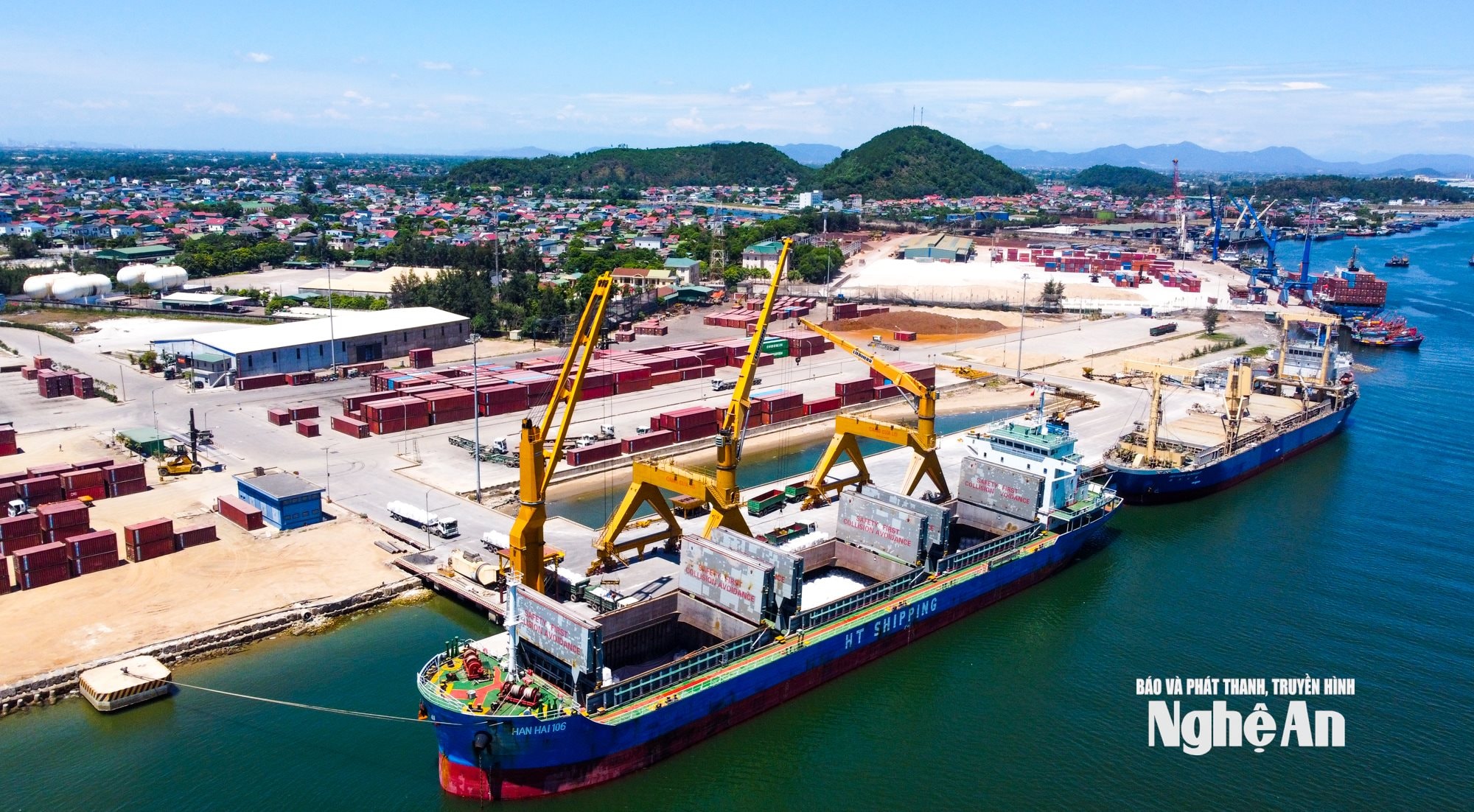
In addition, key infrastructure projects such as the Cua Lo deep-water seaport are being implemented, expanding the potential for industry and services. In particular, Chairman of the Provincial People's Committee Vo Trong Hai has repeatedly stated that Nghe An is studying the formation of a free economic zone along the coastal strip, with the Southeast Economic Zone as its centerpiece.
It is evident that Nghe An is investing heavily in its coastal axis with the goal of forming an interconnected maritime economic structure. Within this structure, the "three zones" create the spatial foundation, the "four poles" provide impetus, and the "multiple corridors" facilitate the spread of economic influence. This organizational approach will enable Nghe An to simultaneously exploit its advantages in the sea, industry, urban development, logistics, tourism, fisheries, and westward economic corridors, thereby creating further growth momentum.


