
Nghe An: Putting the Resolution into practice through grassroots economic "spearheads".
Amidst the vibrant atmosphere of welcoming the Party Congress at all levels, many grassroots Party committees in Nghe An have determined that, to ensure resolutions do not remain merely on paper, prioritizing economic development will be an effective "lever." From the remote border region of Nam Can, the mountainous area of Binh Chuan to Bach Ngoc, all are undergoing a strong transformation to turn potential into internal strength, gradually realizing the directives and resolutions that have been set forth.
Leveraging the unique strengths of the locality.
.jpeg)
These days, officials and residents of Bach Ngoc commune are focusing on completing preparations for the Qua Son Temple Festival, which will take place from the end of December in the lunar calendar to the beginning of January in the year of the Horse (Binh Ngo).
According to Ms. Nguyen Thi Hoi, Permanent Deputy Secretary of the Party Committee of Bach Ngoc commune, Bach Ngoc commune is currently focusing on implementing a project on economic development linked to spiritual tourism, specifically the Qua Son Temple Festival and four provincial-level historical sites, to form a chain of spiritual and ecological tourism along the Lam River.
In addition, the commune is also implementing the construction of transportation infrastructure and green agriculture. These are key contents set forth by the Commune Party Congress to achieve the targets and goals of the new term. Specifically, the goal is to achieve an average annual growth rate of 12.5% in the total value of products in the commune; an increase of 63.3% in per capita income by 2030 compared to 2025; and completion of advanced new rural development criteria before 2030.
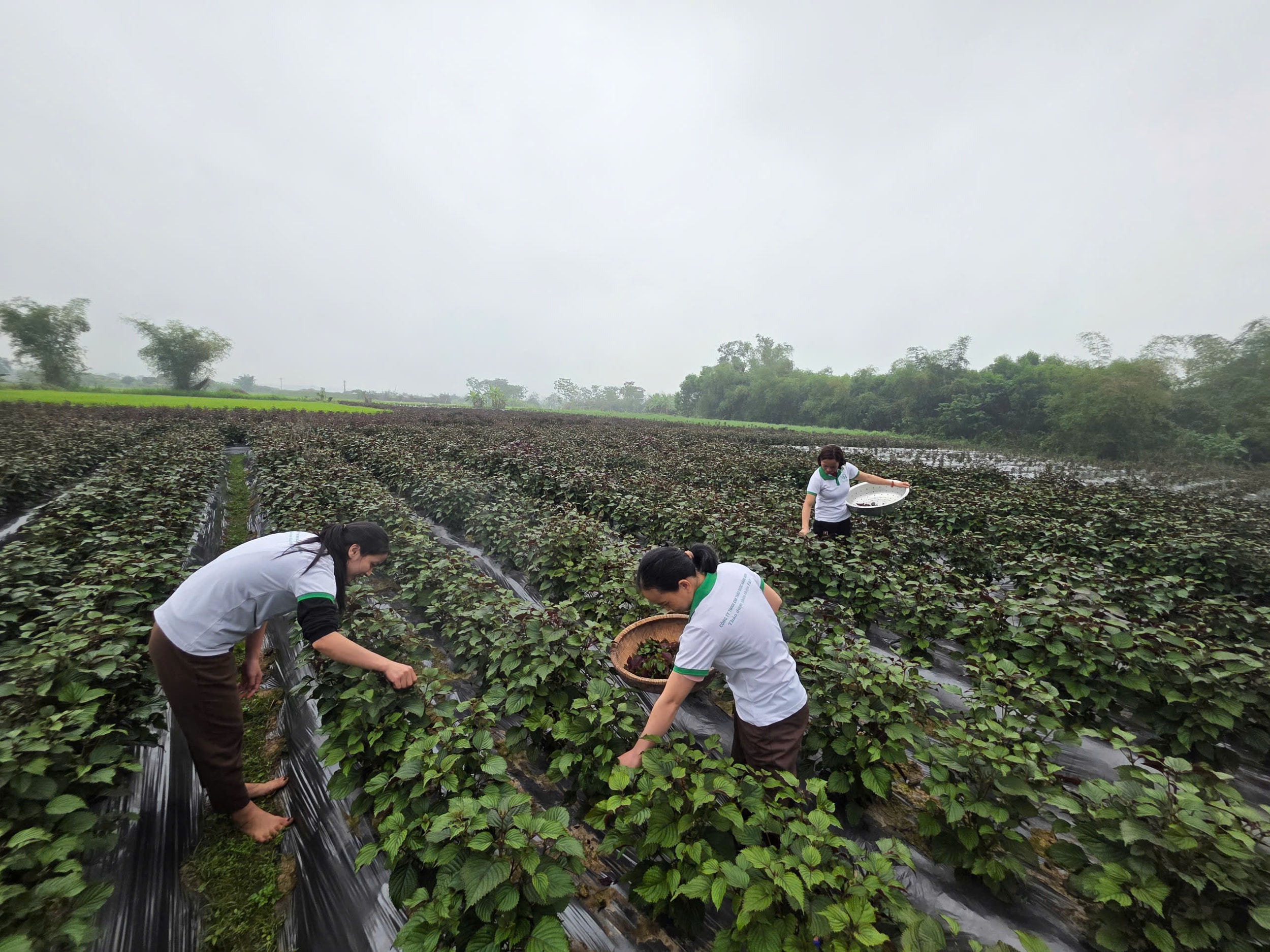
Despite their different geographical characteristics, Bạch Ngọc commune, Nậm Cắn commune, and other communes share one common point: the proactive and decisive efforts of the Party committees in identifying the economic "identification code" for their localities. For example, in Nậm Cắn commune, the locality is aiming to exploit the economic "gold mine" of the international border gate area. Meeting Mr. Hồ Văn Hảo, originally from Quỳnh Anh commune, he shared that he was born in the former Quỳnh Lương commune and has been involved in the vegetable and fruit trading business for decades. During the period leading up to Tet (Lunar New Year), he takes advantage of the opportunity to gather local vegetables to supply construction units in Laos via the Nậm Cắn International Border Gate.
"Normally, I only bring about 2-3 quintals of vegetables and tubers to each market day, but during the end-of-year season, the quantity increases threefold. We have to rent larger trucks and arrive at the market from Saturday afternoon to sell our goods in time," said Mr. Ho Van Hao.
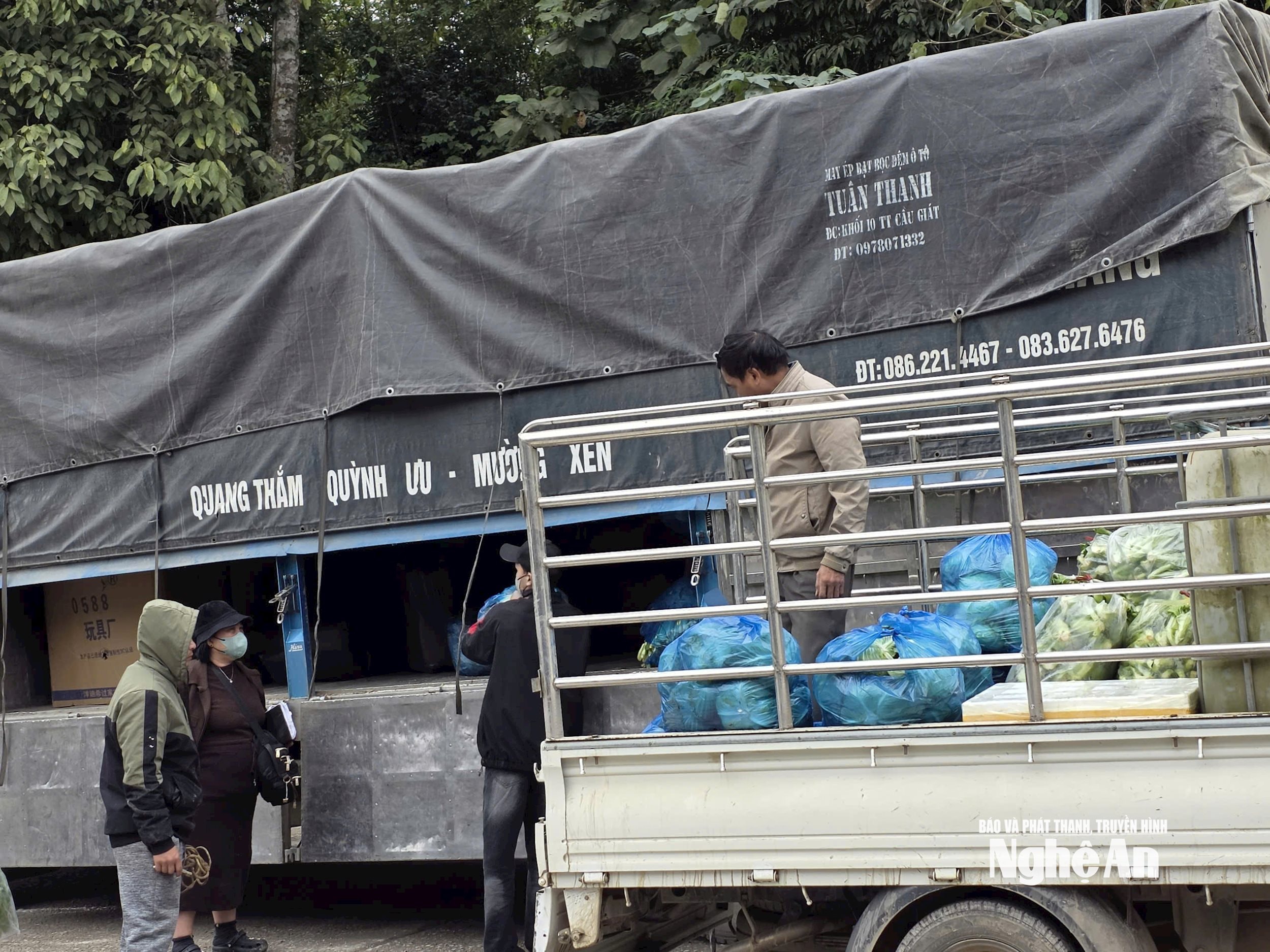
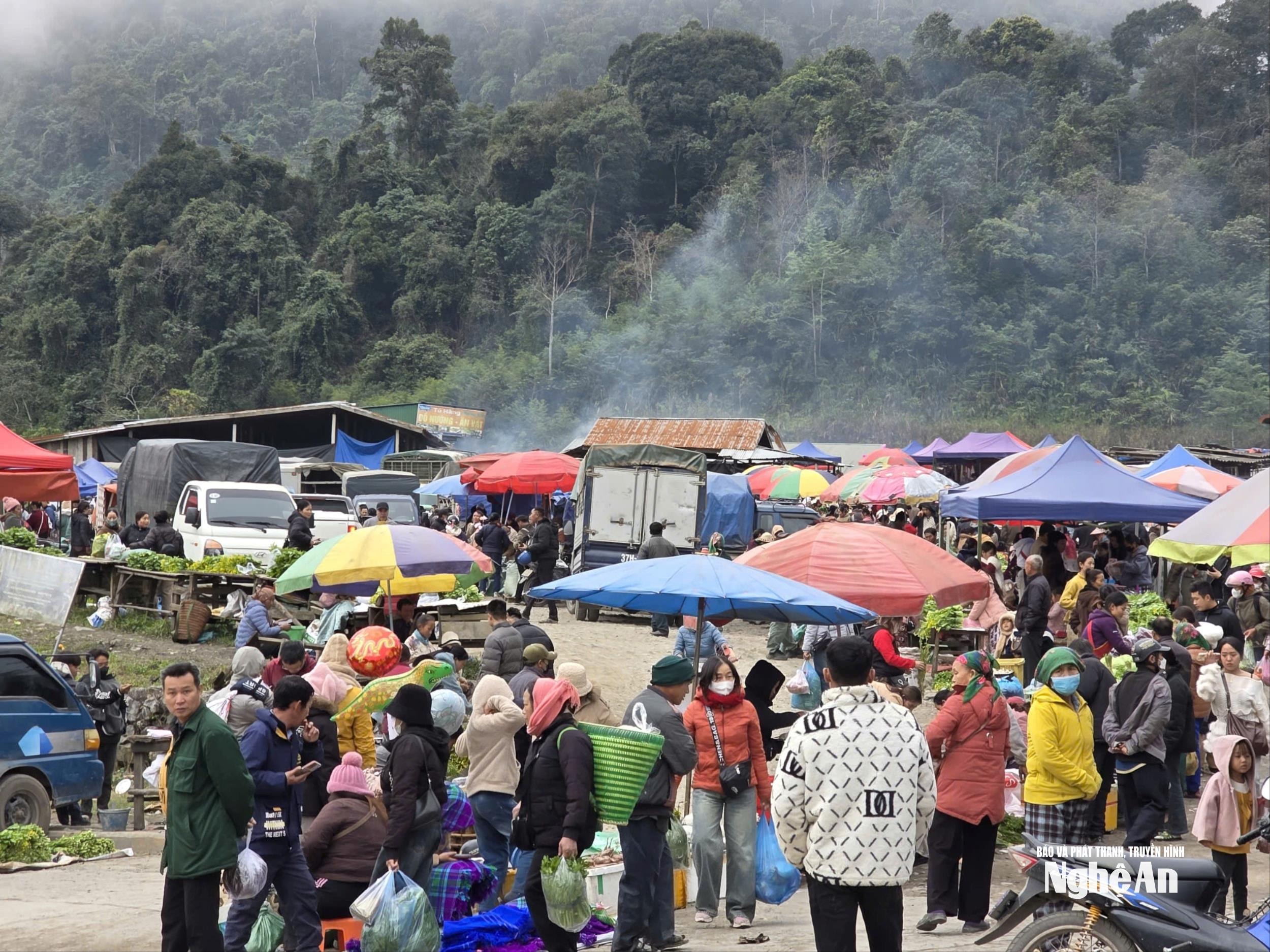
The unique feature of the Nam Can border market is the variety of forest products and local specialties from both Vietnam and Laos. Holding a "golden" position with the Nam Can International Border Gate and National Highways 7A and 16 running through it, the Party Committee of the commune, in its first term, quickly identified border gate economics and defense diplomacy as its strategic priorities.
Instead of viewing the border merely as a protective "barrier," Nam Can commune now sees it as a "gateway" for trade, focusing on developing logistics services and border trade. Although still facing significant challenges with a poverty rate of 44.01%, hope is being rekindled by concrete models such as the Dua Lau homestay – the first accommodation facility to open and ready to welcome tourists during the festival season.
In parallel, maintaining the "Sister Village Agreement" movement on both sides of the Vietnam-Laos border continues to be a highlight, creating an environment for people on both sides of the border to confidently develop their economies.
Stickclosely aligned with development direction
In contrast to Nam Can, Binh Chuan commune—an area not subject to merger—chose a "self-reflection and self-correction" approach to find a new direction. The commune's Party committee frankly acknowledged that the biggest "bottleneck" was not a lack of resources, but rather the "conservative, wait-and-rely-on" mentality of some officials and the people.
We met Mrs. Kha Thi On in Tong village, Binh Chuan commune, just as she and her husband were returning from inspecting their acacia plantation. Mrs. On said: Since changing their economic direction, shifting from forest planting to forest conservation and focusing on livestock farming, their family has had a more comfortable income. Their family used to raise around 20 cows, but the number has fluctuated around 10 since Mrs. On and her husband are now elderly and in poor health. Therefore, under the guidance of commune officials, they invested in raising animals in their garden such as rabbits, chickens, pigs, and bamboo rats.
Introducing her rabbit farm, Ms. Kha Thi On happily shared that this is a new model she started implementing more than two months ago. The breeding process has shown that rabbits reproduce quickly, grow fast, and are easy to raise because they can eat many types of leaves. Selling rabbits locally has been quite successful.
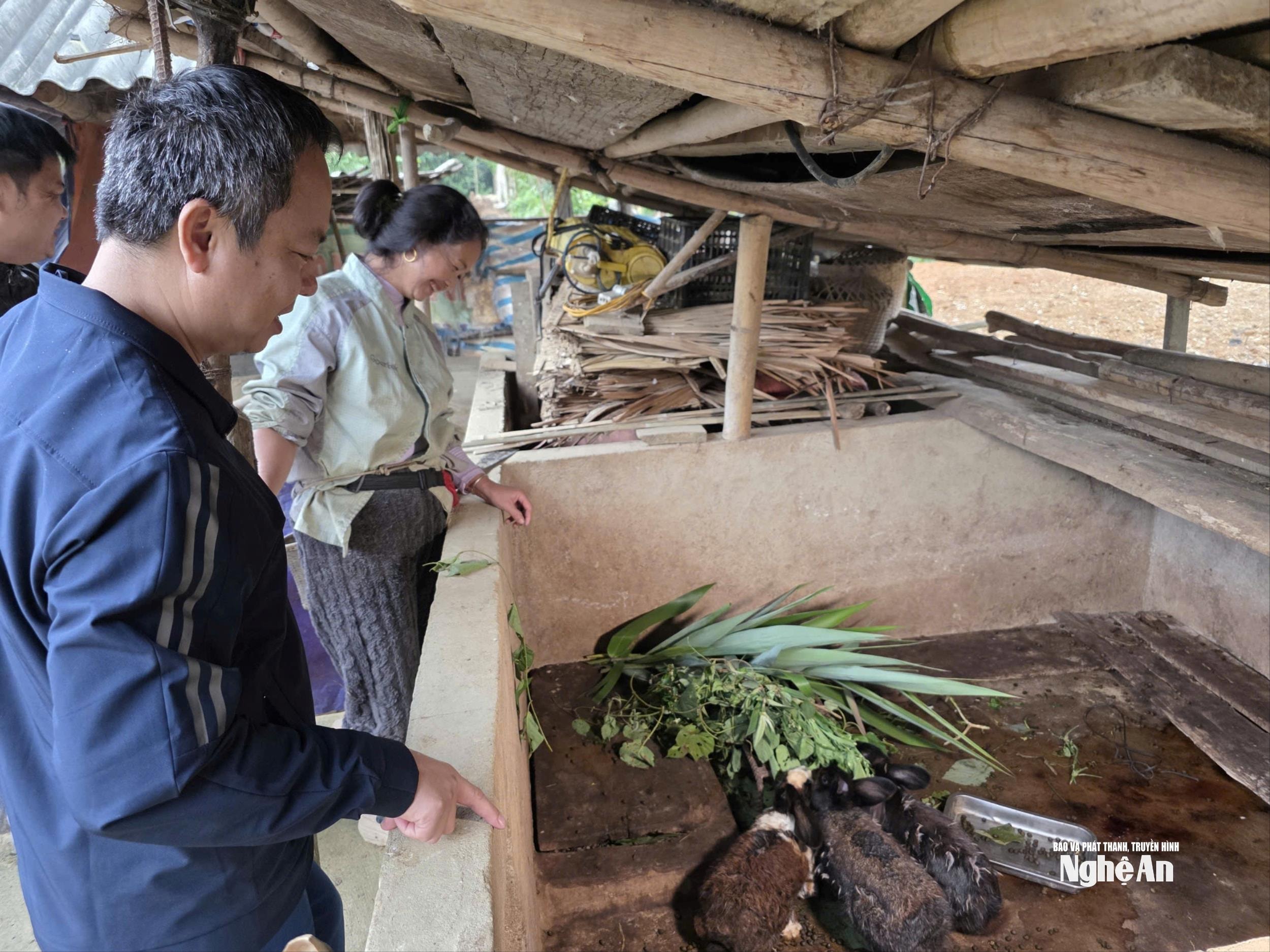
The shift in mindset and the shift towards family economic development, as exemplified by Ms. Kha Thi On, is being actively embraced by the people of Binh Chuan, based on guidance from commune and village officials and support from the State through national target programs.
Mr. Le Thanh Do, Permanent Deputy Secretary of the Party Committee of Binh Chuan commune, said that the resolution for the 2025-2030 term of Binh Chuan commune identifies the conversion of a portion of low-efficiency raw material forest area to fruit tree cultivation for commercial production, and the raising of specialty livestock, gradually changing the outdated farming habits of the people. In 2025, food production is expected to reach over 2,154 tons, exceeding the plan by 142.8%. With a forest cover rate of 89.3%, the commune is aiming for sustainable economic development under the forest canopy. The commune also closely integrates the three national target programs with local socio-economic development projects and plans, continuing to promote models and projects such as: livestock and poultry farming, forest protection and conservation, vocational retraining, housing support, clean water supply, etc., and developing basic social services, creating jobs, and gradually improving the material and spiritual lives of the people.
The economic development orientations of "breakthrough in the East" and "sustainable in the West," as seen in communes like Nam Can, Binh Chuan, and Bach Ngoc, are vivid examples of the localities' determination to implement the Resolution of the Provincial Party Congress for the 2025-2030 term.
On January 13, 2026, the People's Committee of Nghe An province issued a plan to implement the Action Program for the Resolution of the 20th Provincial Party Congress, term 2025-2030. This plan includes: comprehensive and sustainable development of the western region, effectively exploiting economic potential, preserving and promoting cultural identity, protecting landscapes and ecological environments, expanding strategic economic corridors, and strengthening regional linkages, including the coastal corridor connected to national highways, the North-South East Expressway, coastal roads, the North-South railway and high-speed railway, the corridor along the Ho Chi Minh Highway, the National Highway 7 corridor connecting to Nam Can Border Gate, and the National Highway 48 corridor.


