
Nghe An province has disbursed 82.4% of its planned public investment funds.
As of January 31, 2026, the total disbursed value of the 2025 public investment plan in the province reached VND 12,817.6 billion, equivalent to 82.4% of the total allocated capital plan and 118.64% of the plan assigned by the Prime Minister.
By January 31, 2026, the deadline for annual public investment disbursement as stipulated, in Nghe An province, the value of disbursed public investment reached VND 3,721 billion, equivalent to 80.51% of the detailed plan allocated at the beginning of the year, an increase of VND 676.86 billion compared to January 20, 2026. This increase reflects the accelerated progress in the final period of the reporting period, especially in key projects and projects with a large volume of completed work.
In terms of funding structure, the central government budget disbursed 1,665.2 billion VND, reaching 62.7% of the plan. Specifically, the National Target Programs received 779.88 billion VND, equivalent to 69.1%, making a significant contribution to building new rural areas, achieving sustainable poverty reduction, and promoting socio-economic development in ethnic minority and mountainous regions.
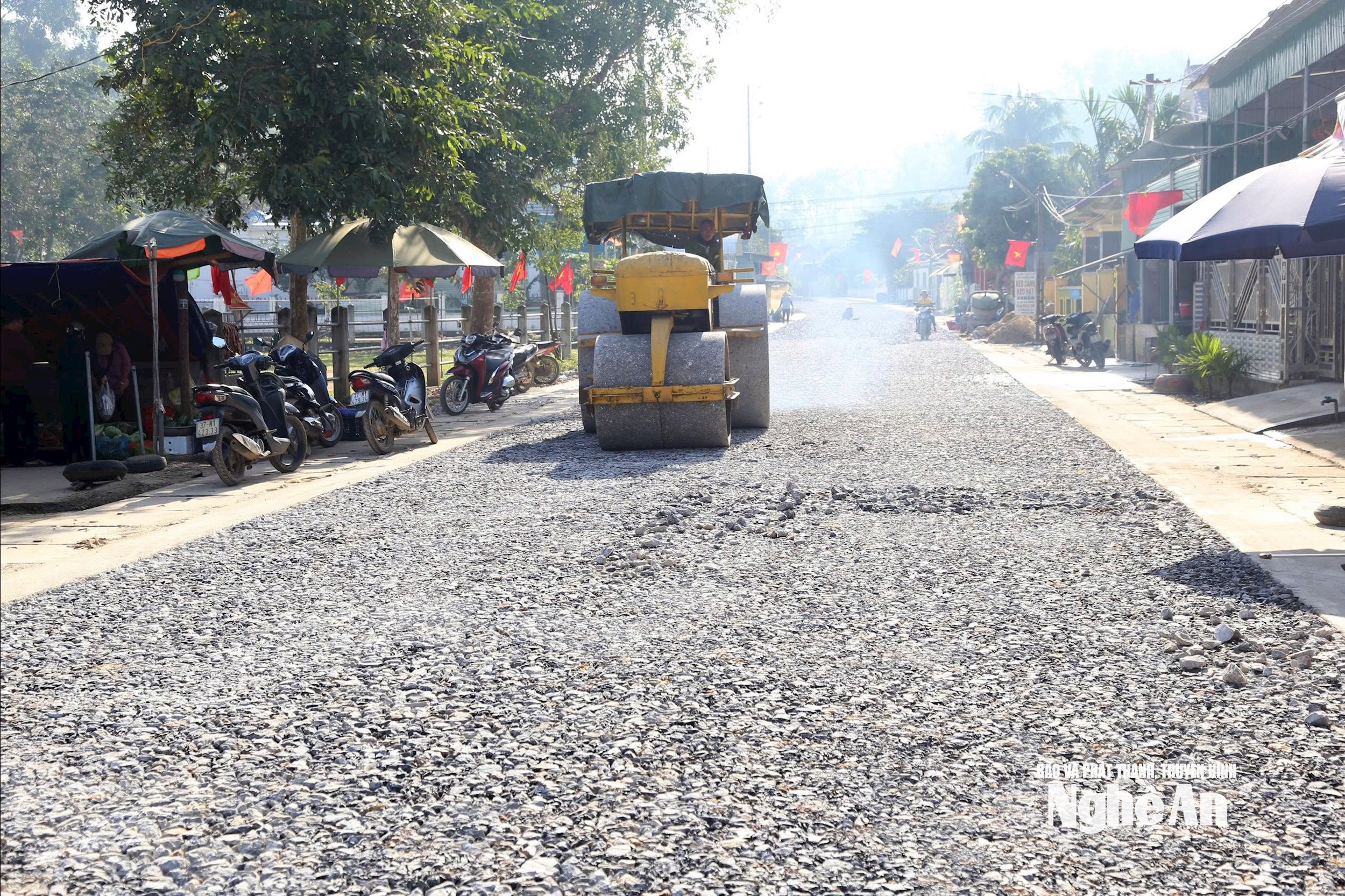
Local budget resources recorded positive results, with disbursements reaching VND 2,055.79 billion, achieving 104.6% of the detailed plan allocated at the beginning of the year and 71.3% of the plan already assigned. This is a bright spot in capital management, demonstrating the proactive balancing and flexibility in implementation by the locality.
For capital plans from previous years that have been carried over to 2025, total disbursement reached VND 611.378 billion, equivalent to 62.8% of the plan. Although there is still room for further acceleration, this result shows efforts to address transitional projects, limit capital stagnation, and prevent delays in implementation.
In terms of implementation units, 27 units achieved a disbursement rate above the overall average of 77.43%. Many localities and investors achieved high rates, even completing 100% of the plan, demonstrating a sense of responsibility and proactiveness in resolving difficulties related to investment procedures, land clearance, and work completion acceptance.
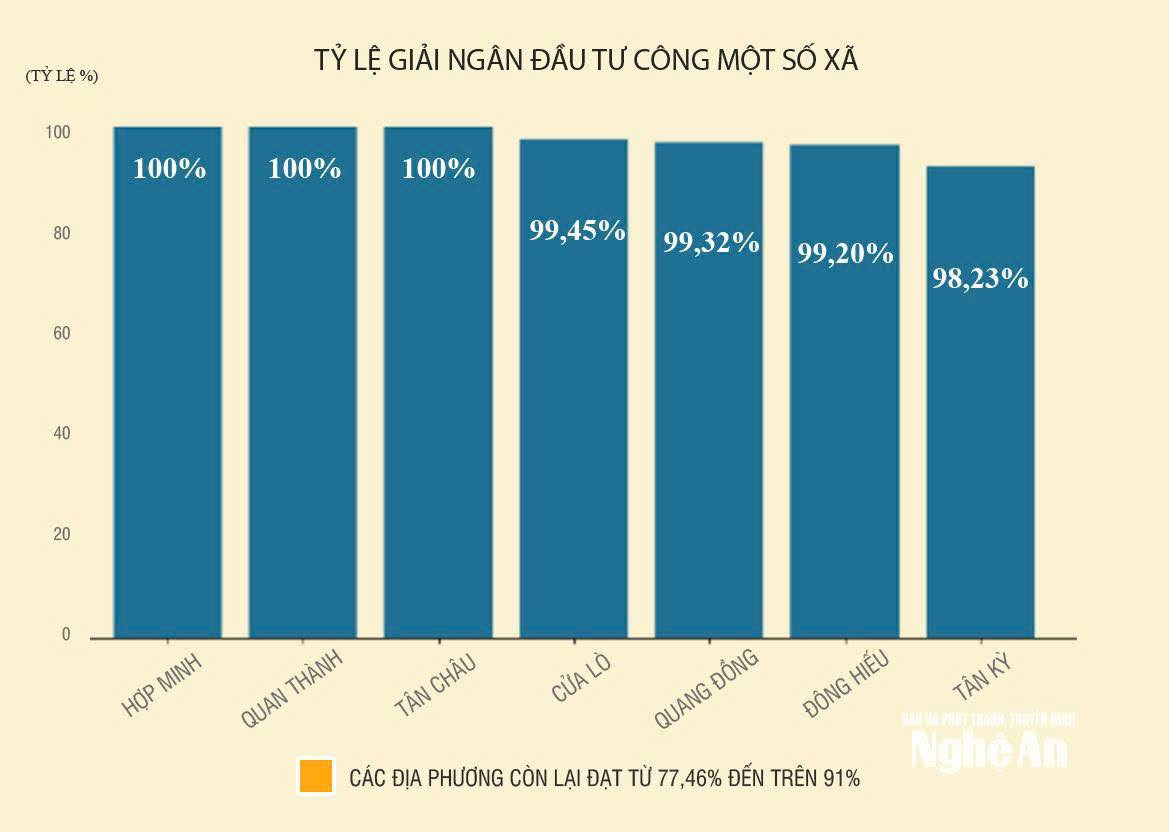
Of these, 15 communes and wards achieved high results such as Hop Minh, Quan Thanh, Tan Chau (all 100%), Cua Lo (99.45%), Quang Dong (99.32%), Dong Hieu (99.20%), Tan Ky (98.23%); the remaining localities achieved results ranging from 77.46% to over 91%.
Twelve investors at the departmental and affiliated unit levels achieved above-average results, notably including Dien Chau 4 High School, the Obstetrics and Pediatrics Hospital, and Tan Ky 3 High School (all at 100%); irrigation enterprises and the police force achieved between 92% and 98%; and other units such as Nghe An Oncology Hospital, the Cooperative and Rural Development Economic Sub-Department, the Provincial Political School, and the Department of Education and Training achieved between 78% and 89%.
However, 42 units still have disbursement rates below the average, including one unit that has not disbursed any funds at all. The disparity between units indicates uneven progress, and localities should continue to strengthen inspections and supervision, clearly define the responsibilities of the heads of units, and promptly resolve any arising obstacles.
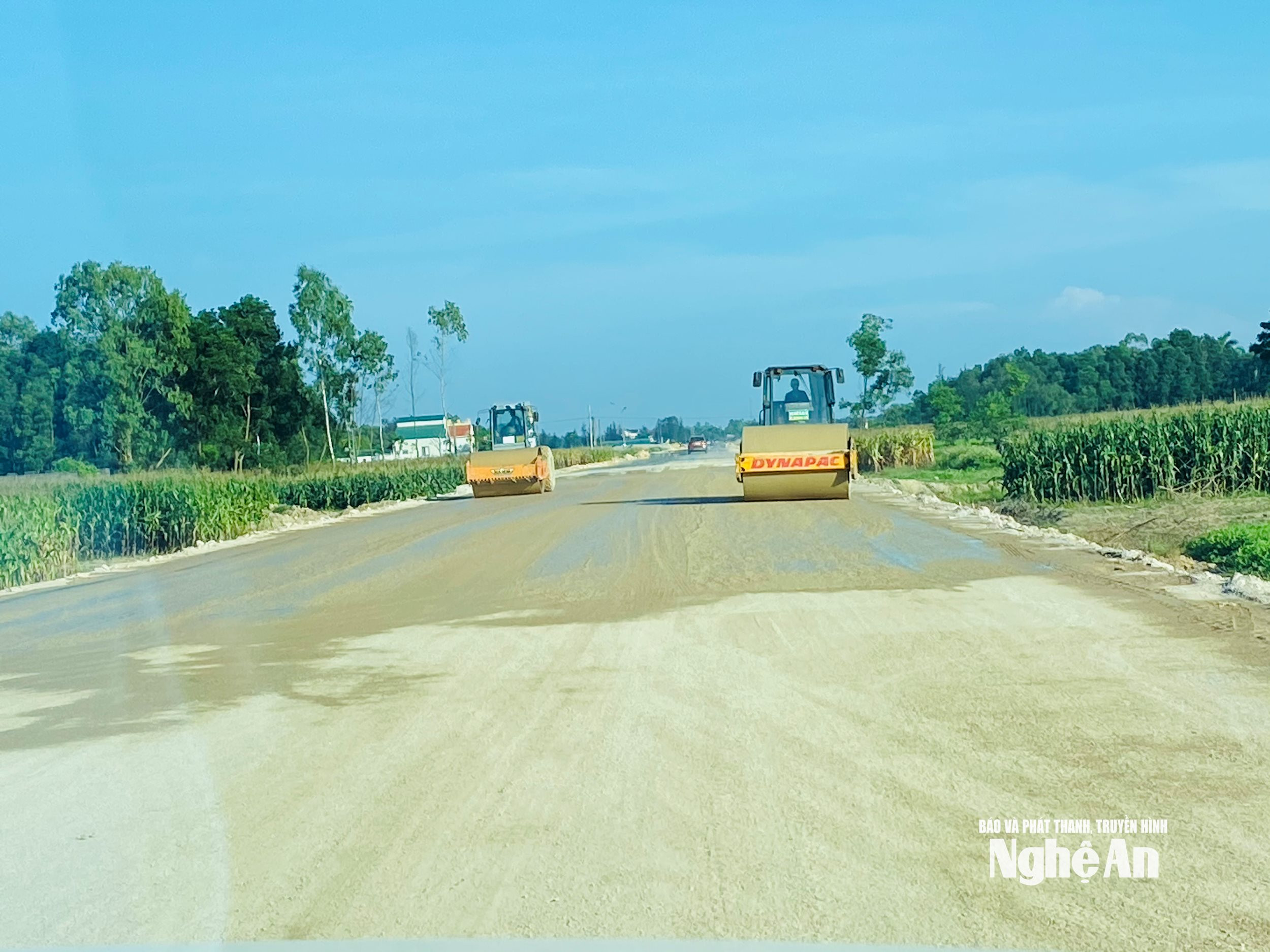
Some localities have low disbursement rates, such as: Quynh Mai (4.53%), Mon Son (13.41%), Thai Hoa (16.28%), Nhon Mai (24.90%), Tay Hieu (29.5%), Hung Nguyen (32.76%), Chau Khe (34.55%), Huu Khuong (36.11%), Tri Le (39.31%), Tam Hop (39.37%), Con Cuong (41.15%), Tien Phong (45.98%), Cam Phuc (49.85%)...
Overall, the high disbursement rate of public investment in Nghe An in 2025, exceeding the target set by the Government, is a positive sign, demonstrating the high responsibility of investors and localities, contributing to promoting economic growth, improving infrastructure, and enhancing the efficiency of budget utilization. This result shows the decisive leadership of the Provincial Party Committee and the Provincial People's Committee in this important task.

In the coming period, all levels and sectors will continue to closely monitor progress, accelerate the disbursement of funds that are still lagging behind, and strive to comprehensively achieve the annual plan's targets.


