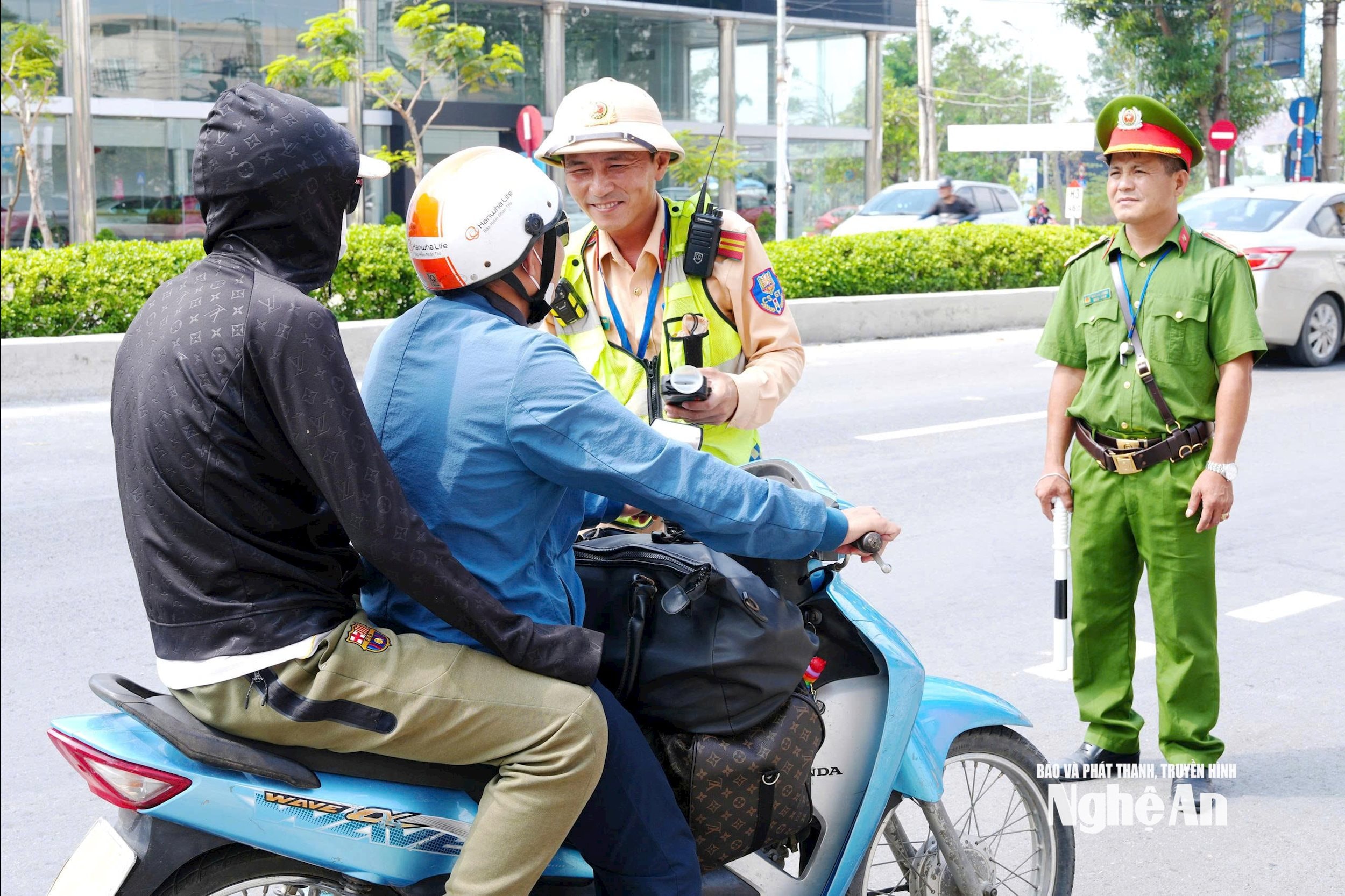
Nghe An: Over 1,700 drivers penalized for drunk driving violations after more than a month of intensified enforcement.
Aiming to instill the habit of "don't drink and drive," contributing to improved law enforcement and the development of a safe and civilized traffic culture, the Traffic Police of Nghe An Province simultaneously launched a nationwide campaign to check blood alcohol levels. This intensive campaign was conducted with the principle of "no forbidden zones, no exceptions," aiming to promptly detect and strictly handle violations, ensuring the safety of citizens participating in traffic.
Firm action will be taken against violations.
Reporters were present with the task force of Road Traffic Police Team No. 4 (Traffic Police Department of the Provincial Police) while the force was carrying out patrol and control duties. Observations showed that most road users complied with and expressed their agreement with the alcohol level checks, because they were aware that allowing someone who had consumed alcohol to drive a vehicle posed a danger to themselves and the community.
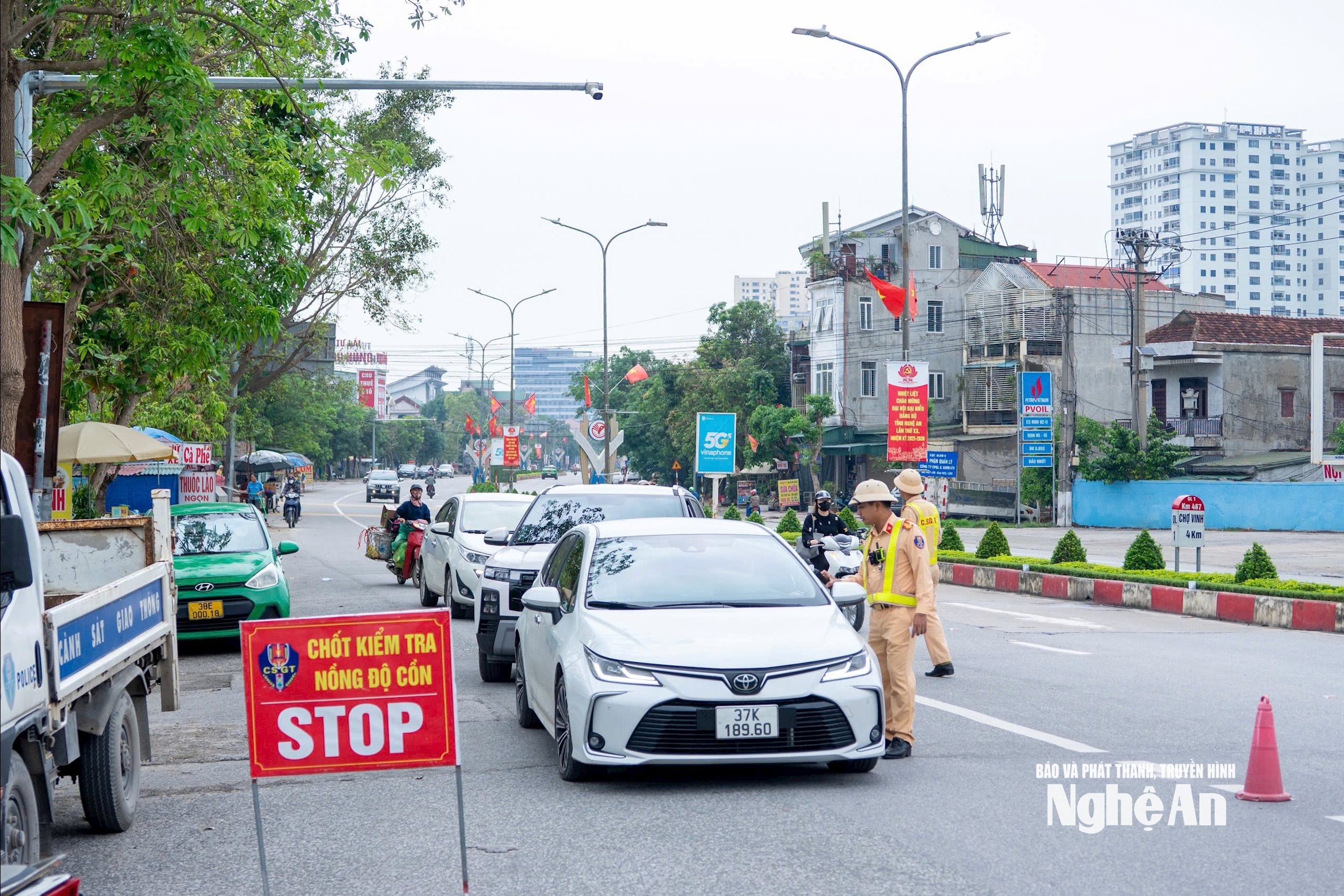
However, alongside those who strictly comply, there are still cases of people trying to evade, justify, or call for intervention. Nevertheless, with the principle of "no forbidden zones, no exceptions," the authorities are determined to strictly handle violations according to regulations. In over an hour of duty, the task force detected and recorded two cases of drunk driving and temporarily seized their vehicles as per regulations.
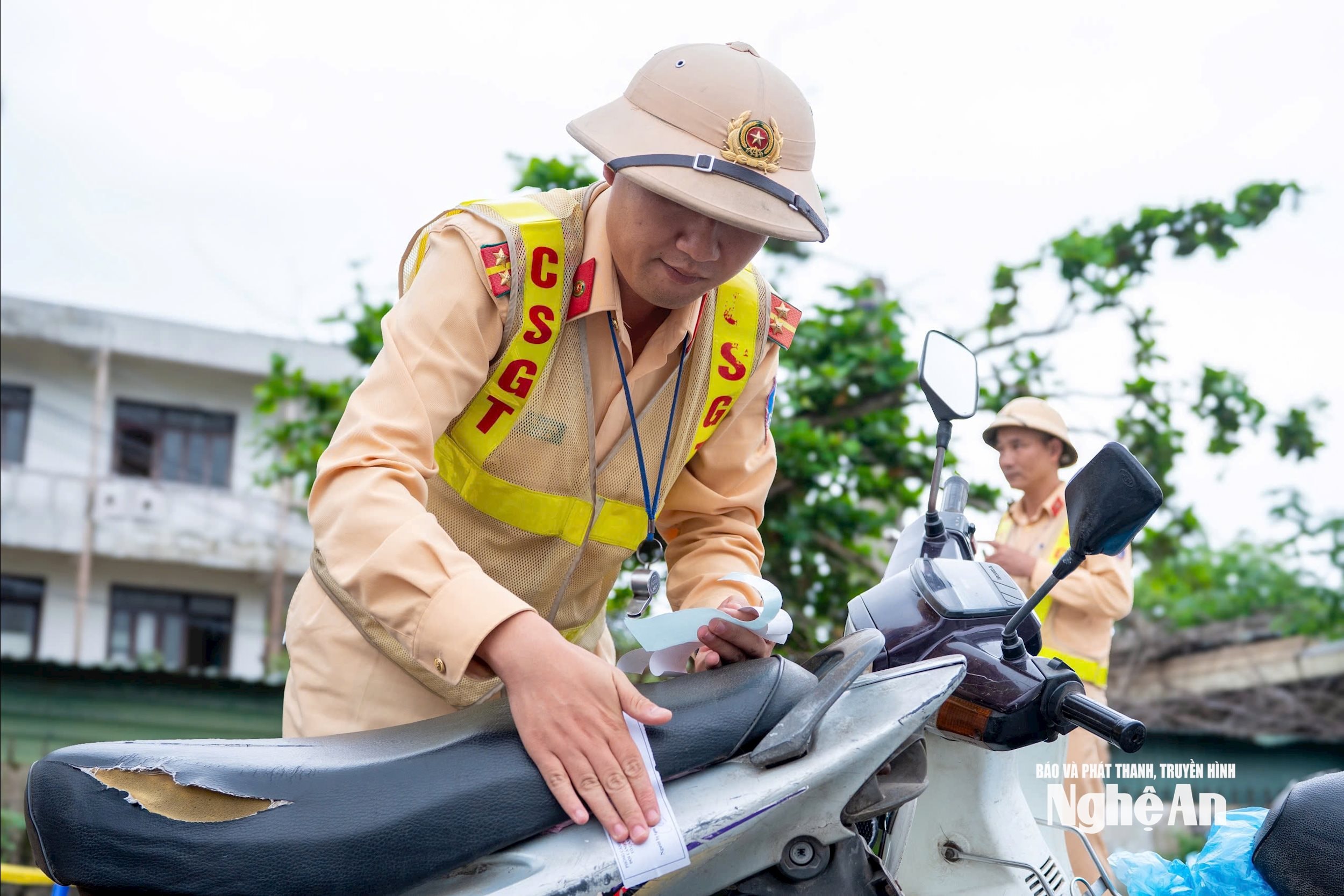
In reality, the habit of drinking alcohol and then driving because one thinks they are "not drunk" is one of the main causes of many serious traffic accidents.
According to a doctor from the Emergency Department of Nghe An Friendship General Hospital, although complete statistics are not yet available, the number of hospitalizations related to traffic accidents, especially in the last months of the year, tends to increase; among which the proportion of accidents caused by alcohol consumption is significant. According to studies by the World Health Organization, alcohol reduces reaction speed by 10-30%, impairs motor coordination, reduces the ability to recognize objects from a distance, and can reduce night vision by up to 25%.
Establish the habit of "if you've drunk alcohol, don't drive."
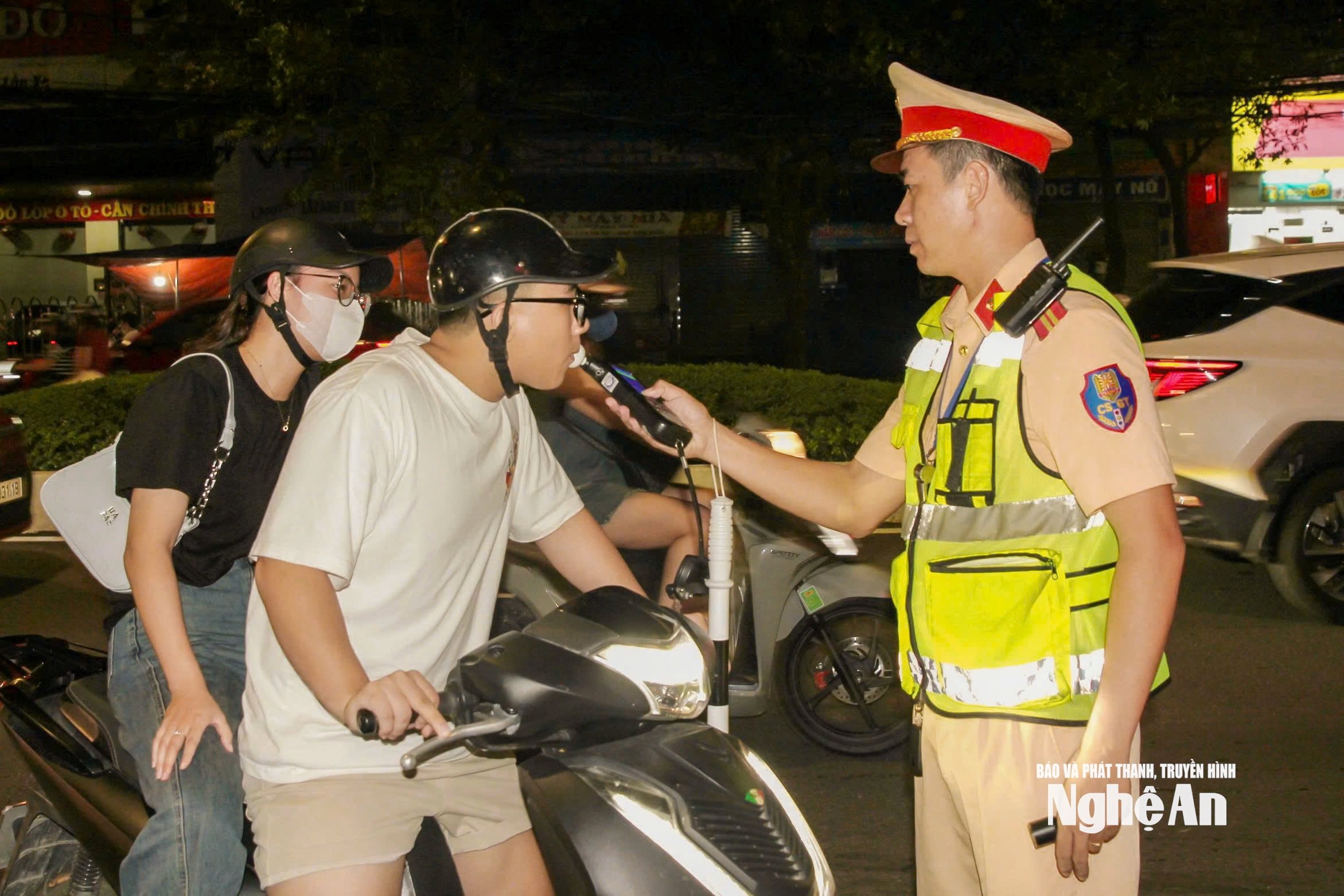
Following the plan of the Traffic Police Department (Ministry of Public Security), from October 18, 2025, traffic police forces nationwide simultaneously launched a campaign to check blood alcohol levels. The highlight of this campaign is that it was conducted simultaneously across the country, aiming to detect and strictly handle violations and establish the habit of "if you drink alcohol, don't drive"; while also contributing to improving the effectiveness of law enforcement and building a safe and civilized traffic culture.
Inspection results from October 18th show that a significant number of road users still deliberately drive after consuming alcohol, failing to strictly comply with the law. This reflects the continued existence of dangerous habits among a segment of the population, despite tightened penalties. The directive for local traffic police forces to simultaneously crack down on drunk driving violations during the same time slot is a new feature of this campaign. This measure will be maintained regularly and continuously, even during holidays and Tet (Lunar New Year), to create a strong deterrent and gradually form the habit of "if you drink alcohol, don't drive" among the population.
Major General Do Thanh Binh - Director of the Traffic Police Department
In Nghe An province, from October 18th to November 24th, traffic police issued fines to 1,761 cases of drunk driving (including 36 cars, 1,688 motorcycles, and 37 other vehicles), collecting over 6.6 billion VND for the state budget; and revoked 124 driver's licenses.
Lieutenant Colonel Hoang Manh Hung, Deputy Head of the Traffic Police Department of the Provincial Police, said that this is the initial result of the coordination between the Traffic Police and local police in strengthening patrols and controls on key routes; especially focusing around bars, restaurants, and eateries… as well as on national highways, provincial roads, inter-communal roads and sections where traffic accidents frequently occur.
The primary targets are drivers of cars, motorcycles, and scooters who violate regulations regarding blood alcohol concentration; in addition, other violations are also strictly checked and handled according to regulations. Patrol times are scheduled during two key periods: midday from 12:00 to 14:30 and evening from 19:00 to 22:00, which are the times when driving under the influence of alcohol is most common.
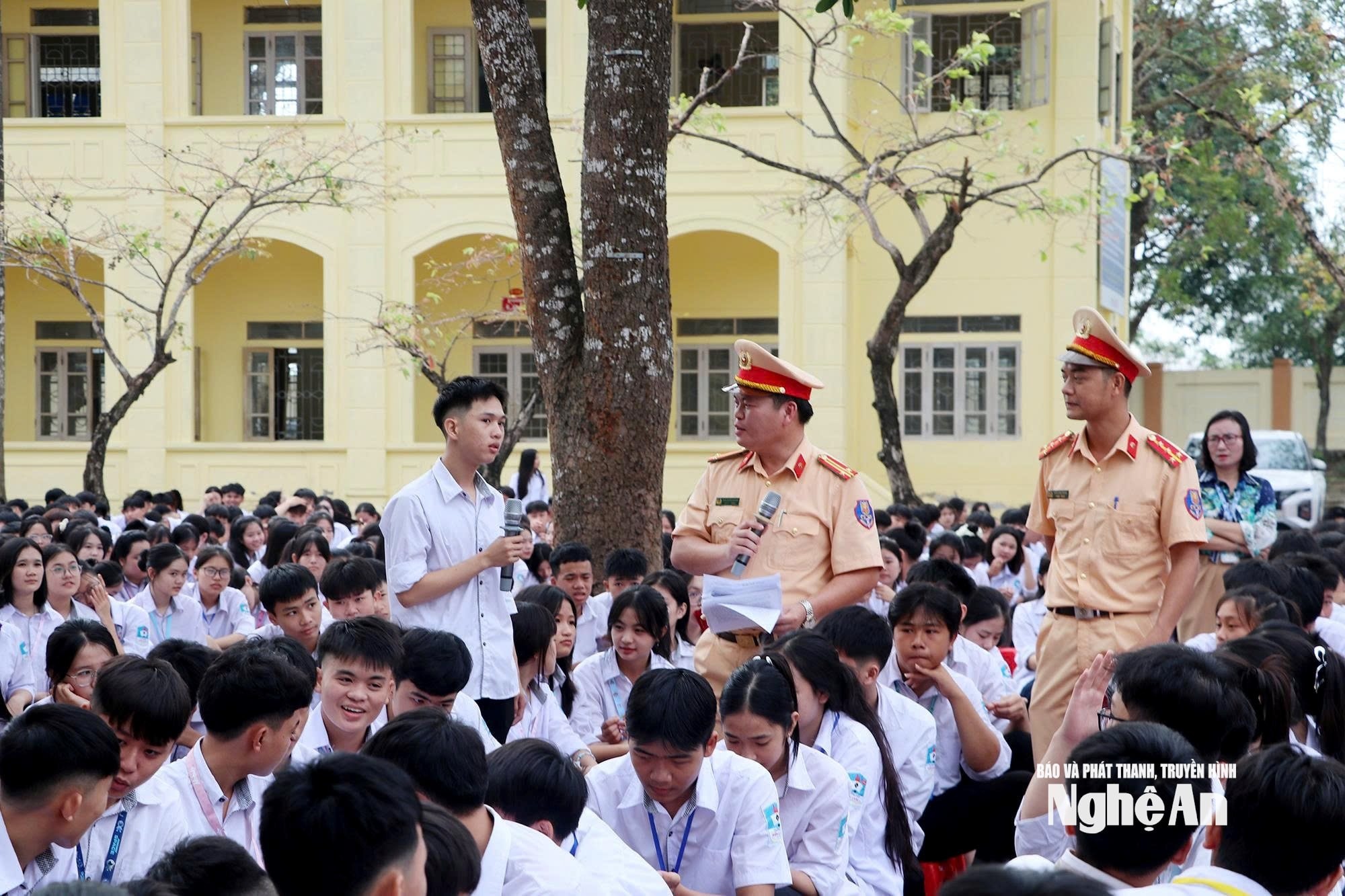
Alongside inspection and enforcement of traffic violations, the Nghe An Provincial Police also intensified the dissemination of traffic safety laws through various means: via public address systems, social media, and mobile outreach in residential areas, schools, agencies, and businesses. The message "If you have drunk alcohol or beer, do not drive" was widely disseminated. Local police forces also directly visited households and food service businesses to encourage strict adherence to regulations; they also distributed leaflets and posted banners and slogans in easily visible locations to remind people to raise their awareness.
According to the plan, from now until the end of 2025, authorities will continue to intensify patrols, inspections, and specialized enforcement of drunk driving violations throughout the province. Traffic police will closely coordinate with police in communes and wards to inspect, detect, and strictly handle all violations.
When a local police force detects that a driver violating traffic regulations is a government official or Party member, they will notify the agency or organization where the person works for consideration and handling according to regulations. For cases involving resistance, refusal to comply with alcohol level checks, or insulting and offending officers, the police will compile a report and propose that the Criminal Investigation Agency handle the case if signs of a crime are detected.