
Nghe An: Over 6,000 hectares of summer-autumn rice crop suffer from empty grains.
Adverse weather conditions, ranging from intense heat and southwest monsoon winds to prolonged rain during the rice flowering and milk-filling stages, along with pest and disease pressure, have been identified as the main causes.
Yields have dropped sharply, putting farmers at risk of losses.
In Nghe An province, the summer-autumn rice crop begins to be harvested from the second half of August and lasts until mid-September. However, in many localities, this year's rice yield has decreased sharply due to a high percentage of empty and partially filled grains, putting farmers at risk of losses.
In localities such as Quan Thanh, Hop Minh, Van Hien, Van Kieu..., the atmosphere of rice harvesting is less than enthusiastic. In many fields, farmers are harvesting while feeling anxious because the yield is much lower than in previous seasons.
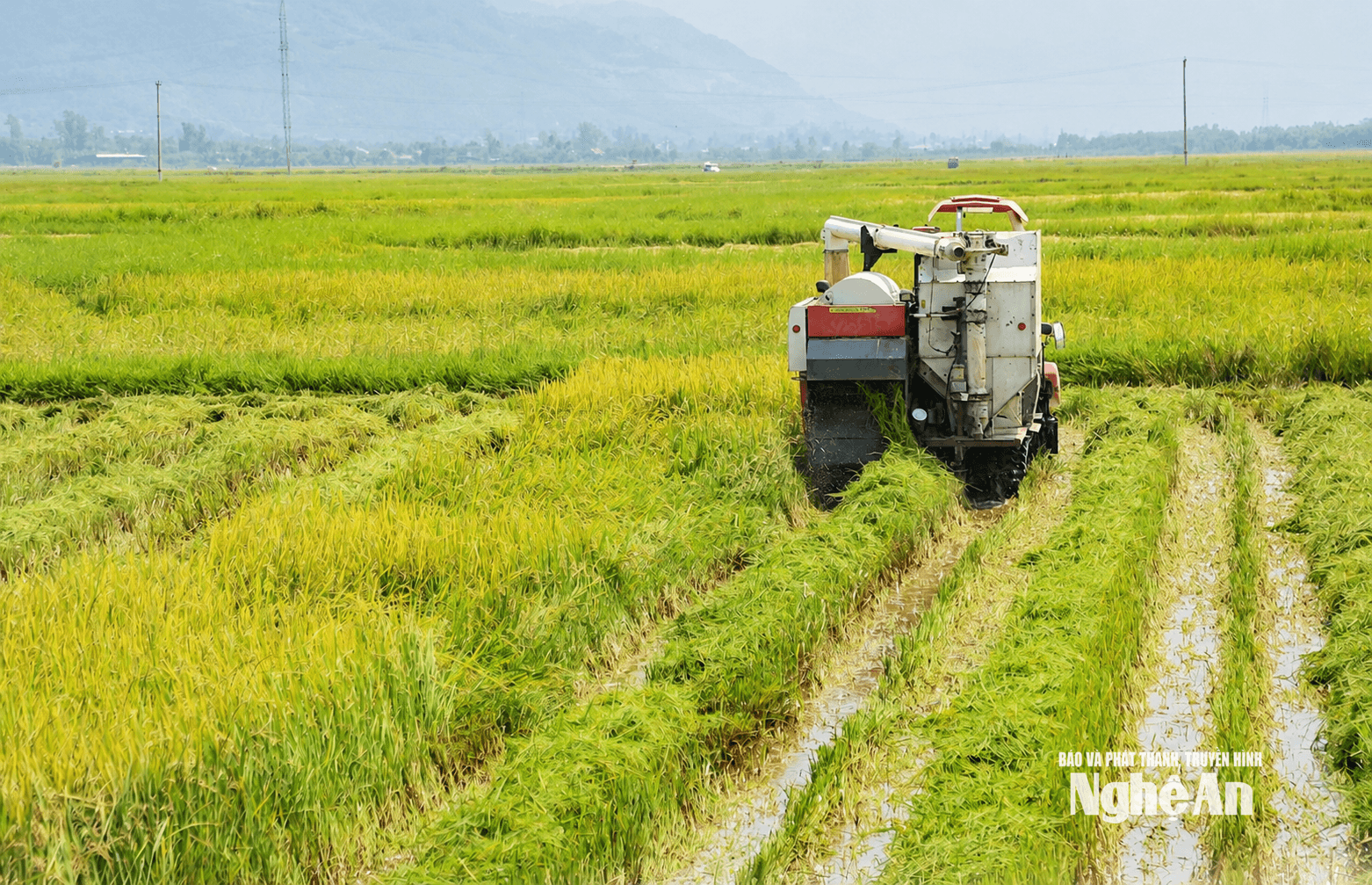
In Van Kieu commune, Mr. Le Van Minh, a farmer from hamlet 17, said that his family planted 3 acres of rice this summer-autumn season. Although the rice plants grew quite well at first, after flowering, the grains turned black and many were shriveled and empty. The final yield was only about 1.2 quintals per sao (approximately 120 kg per 1000 square meters).
According to Mr. Minh, with this level of yield, rice farmers can barely cover their production costs. The cost of land preparation and harvesting alone is about 400,000 VND per sao (approximately 1000 square meters), not including expenses for seeds, fertilizers, and pesticides. Meanwhile, the price of dried Khang Dan rice is only 670,000 VND per quintal. With a yield of 1.2 quintals per sao, the income is significantly lower than the total costs incurred throughout the season.
It has been learned that many rice fields in Van Kieu commune during the summer-autumn crop season only yielded 80-100 kg of rice per sao (approximately 1000 square meters). This means farmers suffered heavy losses.
Not only in Van Kieu commune, but many households in Quan Thanh commune are also suffering from crop losses. In Tay Ho hamlet, Quan Thanh commune, Ms. Nguyen Thi Thinh said that this year her family planted 4 sao (approximately 0.4 hectares) of rice during the summer-autumn season. While in previous seasons the rice fields yielded around 2.5 quintals per sao, this year the yield has decreased sharply due to a high percentage of empty and partially filled grains.
“This season, my family only harvested about 1-1.5 quintals per sao (approximately 1000 square meters). With such a yield, we will definitely lose money. All the costs for each sao amounted to about 1.3 million VND. Meanwhile, the current price of fresh rice is only a little over 600,000 VND per quintal,” Ms. Thinh shared.
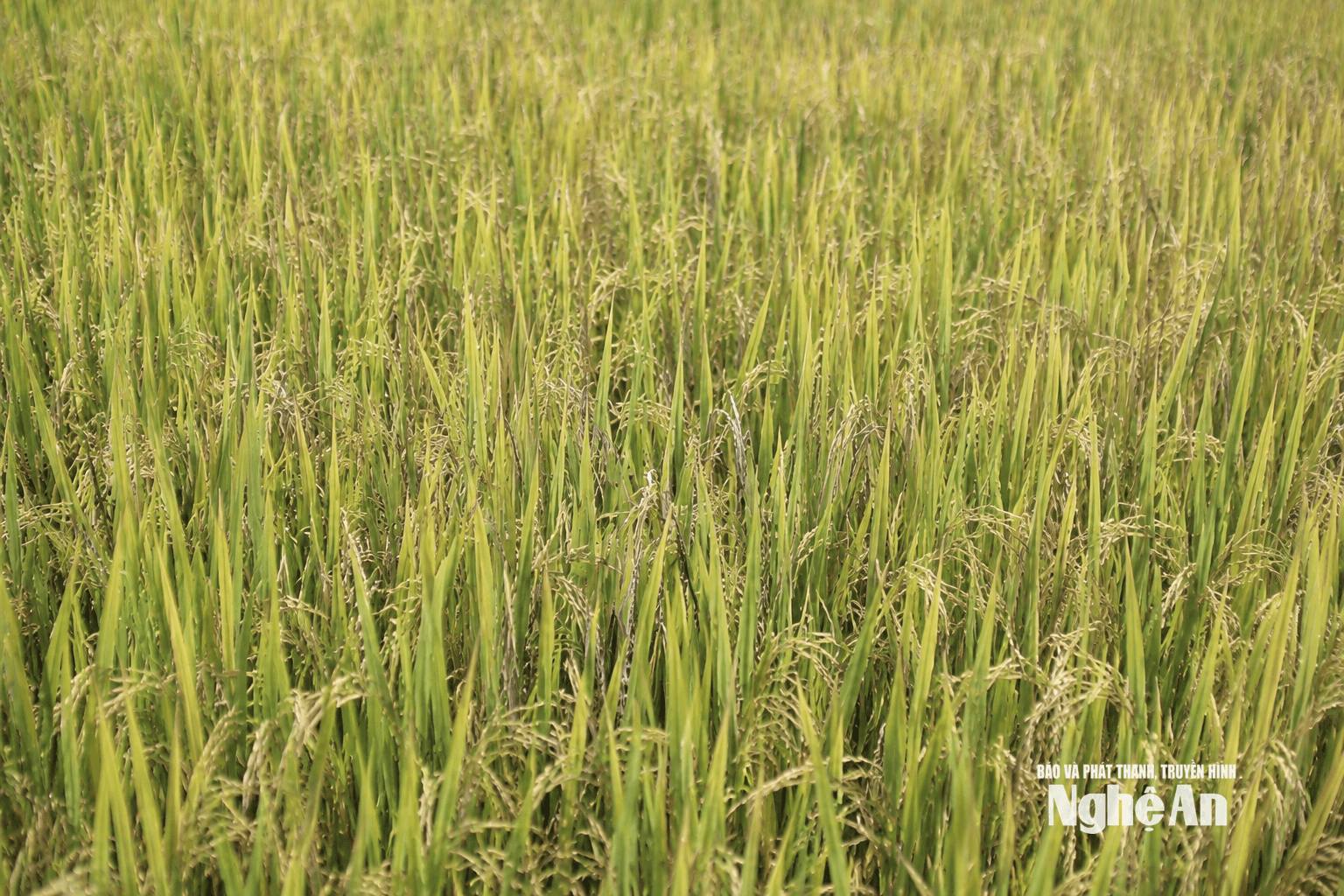
This year's summer-autumn crop season saw Quan Thanh commune planting over 1,146 hectares of rice. According to Mr. Cao Xuan Toan, Vice Chairman of the Quan Thanh Commune People's Committee, rice production in the area has been severely affected, with yields significantly reduced compared to previous years. Surveys indicate that approximately 1,000 hectares of rice in the commune have experienced a yield reduction of 30-70%.
According to Mr. Toan, the main causes are rats, pests, and spider mite infestations. In particular, the erratic weather patterns have significantly impacted the growth and development of the rice plants.
During the rice flowering period, intense heat and strong winds from Laos affected pollination and grain formation, resulting in many rice fields having empty grains and a sharp decrease in yield.
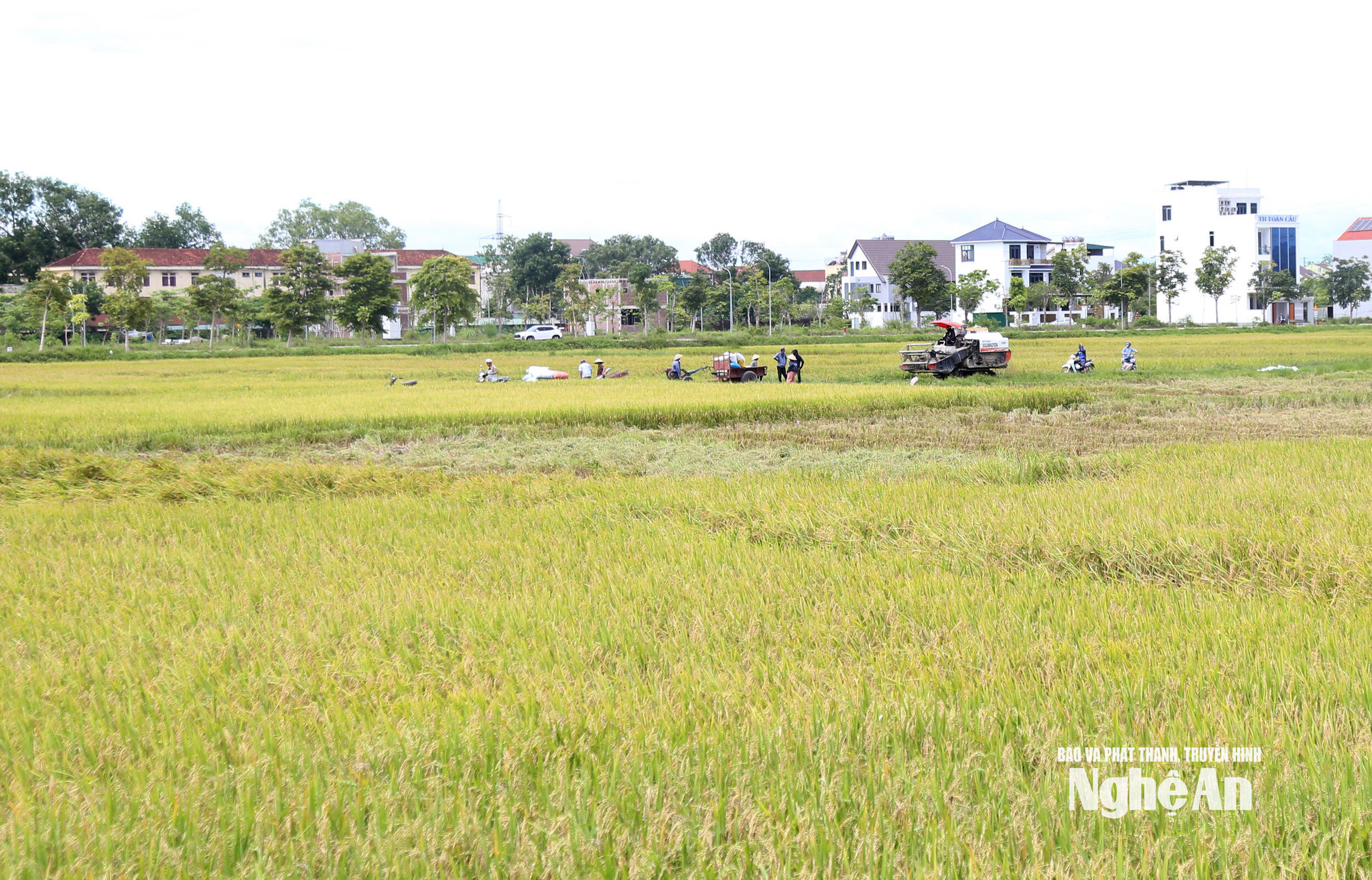
Over 6,000 hectares of rice crops were affected by empty or partially filled grains.
According to the Nghe An Department of Crop Production and Plant Protection, in the 2026 Summer-Autumn crop season, the entire province will plant over 68,000 hectares of rice, including over 48,000 hectares of Summer-Autumn rice and over 20,000 hectares of Autumn rice.
Overall, from the beginning of the season to the time of inspection, the rice plants grew and developed quite well. In some areas with sufficient irrigation water, the rice plants developed well. However, entering the heading stage, the problem of empty and partially filled grains appeared on a large scale.
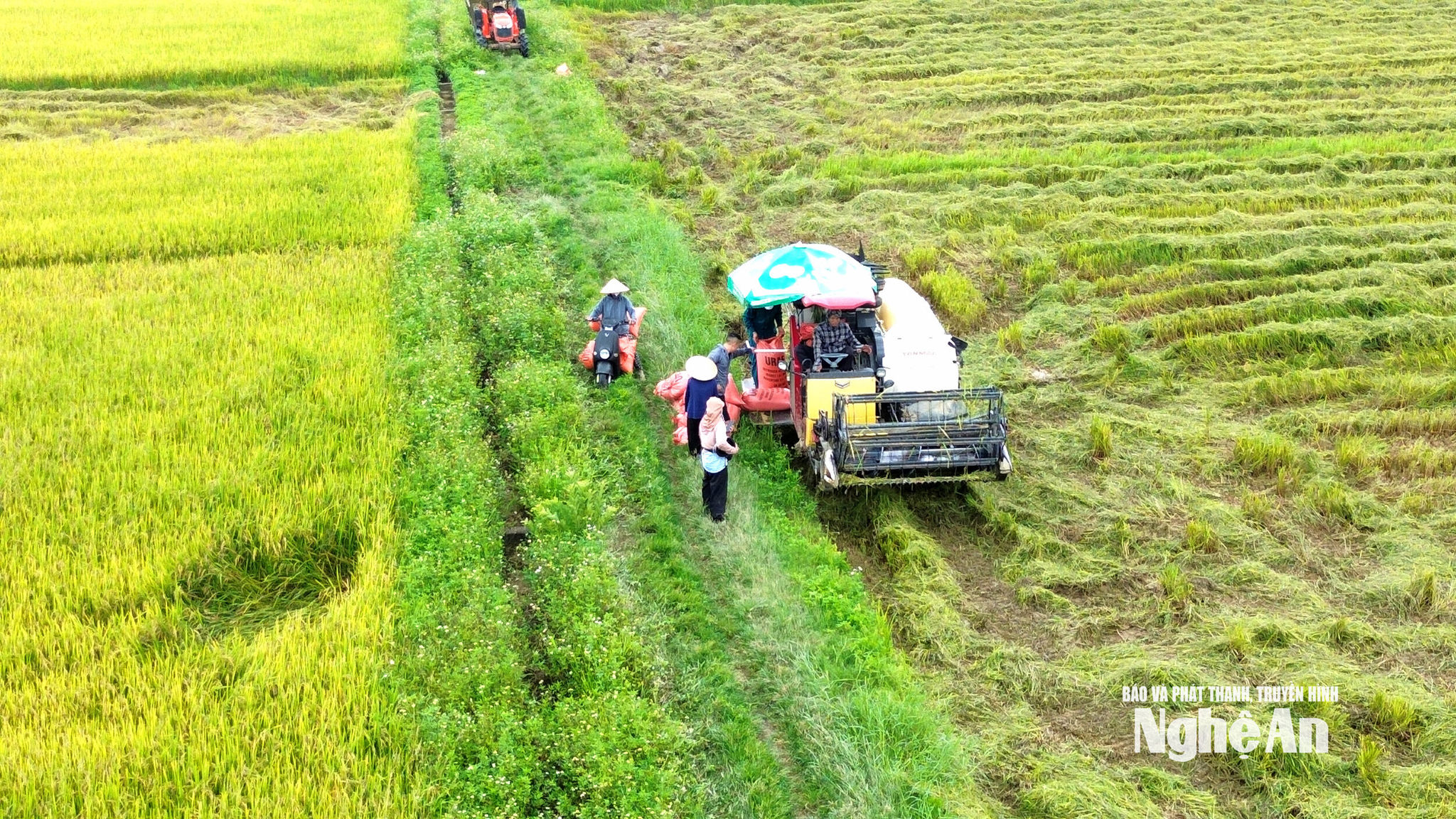
By August 15th, the entire province had over 40,000 hectares of rice in bloom. Of this, more than 9,000 hectares bloomed before August 1st, concentrated in localities in the former Yen Thanh and Dien Chau areas; approximately 31,000 hectares bloomed between August 2nd and 15th.
According to experts, the problem of empty or partially filled rice grains is widespread in the Summer-Autumn crop season of 2026. By mid-August, the entire province recorded over 6,000 hectares of rice with a high percentage of empty or partially filled grains, mainly concentrated in areas that flowered early. This is considered one of the important reasons for reduced yields in many localities.
Areas where rice crops were found to have empty or partially filled grains include the communes of Yen Thanh, Hop Minh, Quan Thanh, Van Tu, Giai Lac, Tan Chau, Anh Chau, Minh Chau, Thuan Trung, Van Kieu, and several other localities.
Notably, this phenomenon is not limited to a single rice variety but has been observed in many different varieties. Among them, Khang Dan 18, TBR 97, etc., which have large planting areas and belong to the early-flowering group, have experienced more significant damage.
One of the factors identified by experts as having a significant impact on the quality of empty or partially filled grains is the weather conditions during the rice heading, flowering, and milk-filling stages.
According to the report, the weather during the 2026 Summer-Autumn crop season will be unfavorable, with temperatures 0.5-1°C higher than the multi-year average, low humidity of 41-52%, accompanied by hot sunshine and southwest monsoon winds during the rice heading and flowering stages.
The alternating periods of hot, dry weather and heavy rainfall affect the pollination and seed formation processes, increasing the incidence of black, shriveled, and underdeveloped seeds.
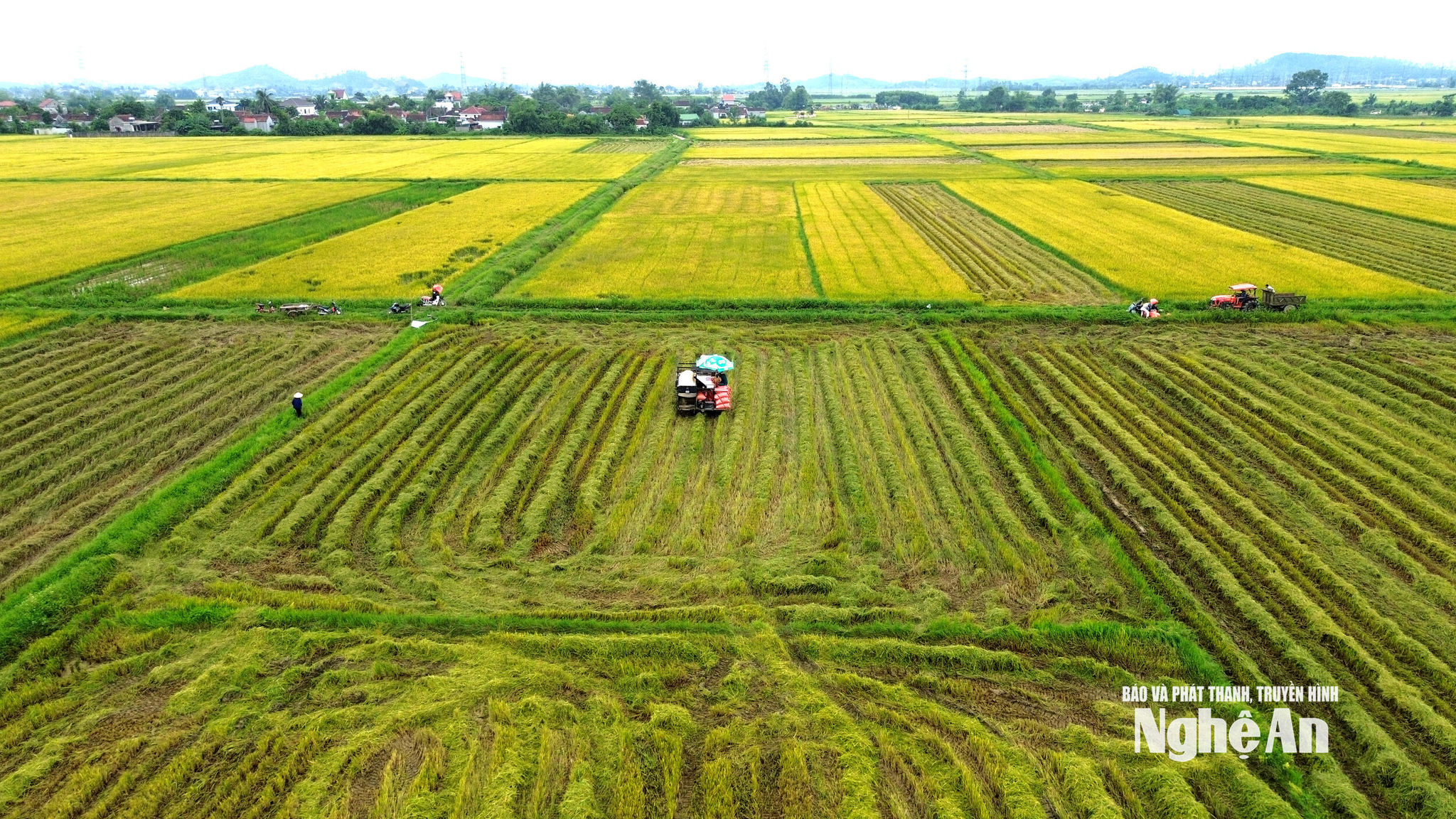
Along with unfavorable weather conditions, pests and diseases also increased during the summer-autumn crop season, including rats, leaf-rolling caterpillars, brown spot, stem borers, spider mites, and rice blast disease.
Besides objective factors, experts have pointed out several subjective causes. Rising prices of agricultural inputs have led many farmers to limit investment in production. Furthermore, many regions still use rice intended for consumption as seeds for the summer-autumn crop, posing a potential risk to the quality and growth of the rice plants.
Over 6,000 hectares of rice fields suffered from severe grain filling or partial grain filling, a figure that needs to be further reviewed and assessed by local authorities in terms of area and extent of damage. This also serves as a warning for rice production in increasingly unpredictable weather conditions.


