
Nghe An aims for safe and digitized livestock farming.
From models of earthworm farming, calcium worm farming, biological bedding production, silage production of by-products, to livestock farming according to VietGAP standards, many farming households in Nghe An have gradually approached biosafety farming methods, applying digital technology, reducing environmental pollution, and improving economic efficiency. These models not only demonstrate a shift in farmers' production mindset but also open up a sustainable path for the livestock industry in the context of increasingly complex disease outbreaks and climate change.
Effective models
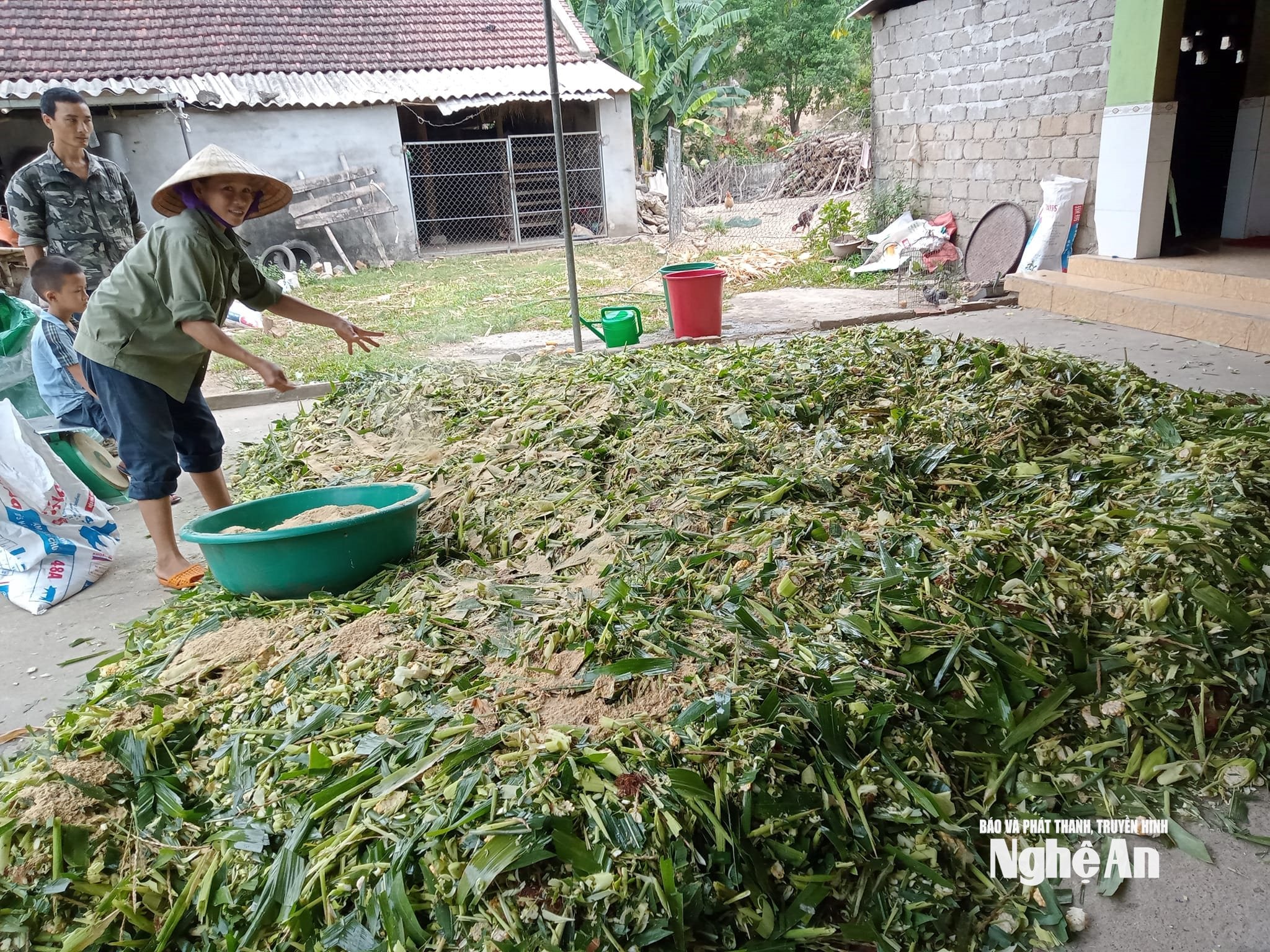
In recent years, along with training programs and technology transfer from the agricultural sector, the awareness of livestock farmers in Nghe An about biosafety has changed significantly. From small-scale, spontaneous farming, many households have now proactively applied closed-loop models, utilizing by-products and microorganisms to treat waste and create natural feed sources.
In Dong Hieu commune, Mr. Nguyen Sy Khuong, a farmer from Xuan Hai hamlet, is one of the pioneers in raising earthworms to treat livestock waste. Utilizing pig and chicken manure and leftover feed, he built earthworm breeding tanks right next to the barns, both eliminating odors and providing a protein-rich food source for the animals.
"Every month I save about 500,000 VND on commercial feed, and my chickens and pigs are healthier, with much tastier meat," Mr. Khuong shared. Earthworms not only help clean the environment but also create additional output, helping to create a closed-loop farming system without waste.
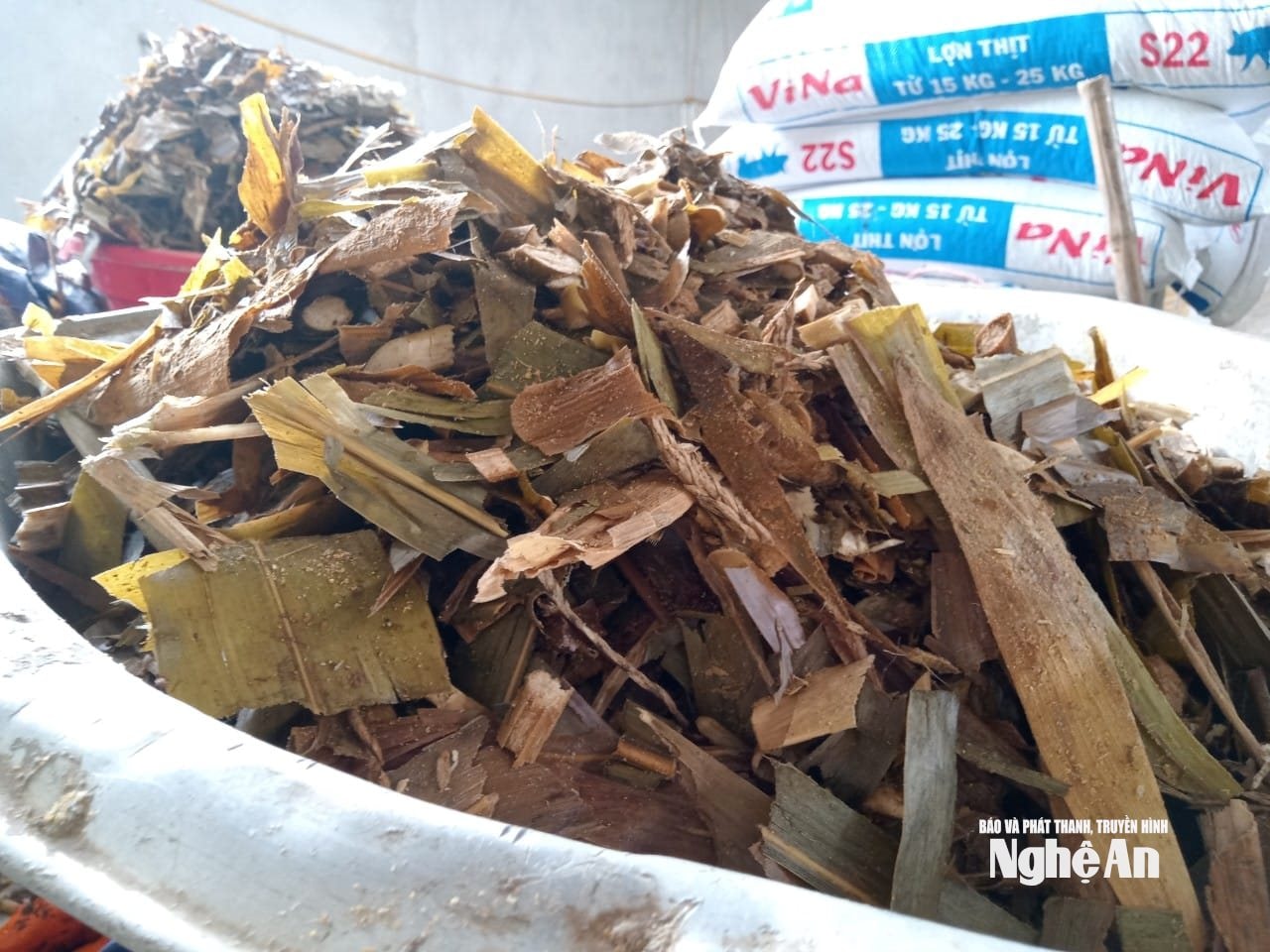
In Kim Lien commune, Mr. Tran Hoai Nam combines two models of raising earthworms and calcium-rich larvae. With 10 pigs and 200 chickens, he applies a process of treating manure and organic waste using these two "biological workers".
“Calcium worms contain over 40% protein and 5% calcium, making them a nutritious food source for chickens and pigs. The barns are almost odorless, significantly reducing cleaning time, and the worm castings can be used to fertilize vegetables very effectively,” Mr. Nam said. As a result, the livestock are healthier, gain weight faster, feed costs are reduced, and profits are about 20% higher than before.
Besides utilizing by-products, many households also focus on managing the environment of their poultry farms. Mr. Nguyen Van Minh's biological bedding model in Van An commune helps keep chicken coops dry, eliminates odors, and reduces cleaning effort. After each batch, the bedding is recovered and used as organic fertilizer for rice and vegetables, significantly saving on chemical fertilizer costs.
Meanwhile, in Tay Hieu ward, Mr. Nguyen Trong Hung has achieved success with his model of fermenting crop by-products as feed for goats. Utilizing grass, sugarcane leaves, corn, and guidance from the Farmers' Association, he ferments the by-products, helping his herd of 100 goats stay healthy, reducing intestinal diseases, and saving 30-35% on feed costs. Currently, 105 households in Phu Tan hamlet have learned from and replicated the model.
.jpg)
Beyond biotechnology, Nghe An province is also a pioneer in applying Blockchain technology to safe livestock farming. The provincial Agricultural Extension Center, in collaboration with several businesses, is piloting a model in Do Luong commune, applied to the entire chicken farming chain. Commercial chickens are tagged with unique QR codes containing complete information about the breed, feed, care process, vaccinations, and selling time. All data is automatically updated to the electronic system, allowing consumers to easily trace the origin with just a scan of the code.
According to Mr. Nguyen Dinh Hoa, an official at the Nghe An Agricultural Extension Center: "The application of Blockchain helps ensure absolute transparency, making data impossible to alter, building consumer trust, and facilitating the development of a brand for clean agricultural products in Nghe An."
Initially, products from households participating in the model were sold faster and at prices 10-15% higher than products without traceability codes. Based on this success, the model is being replicated in other localities, aiming to form a province-wide network of digitized and traceable livestock farming.
An inevitable trend during a pandemic.
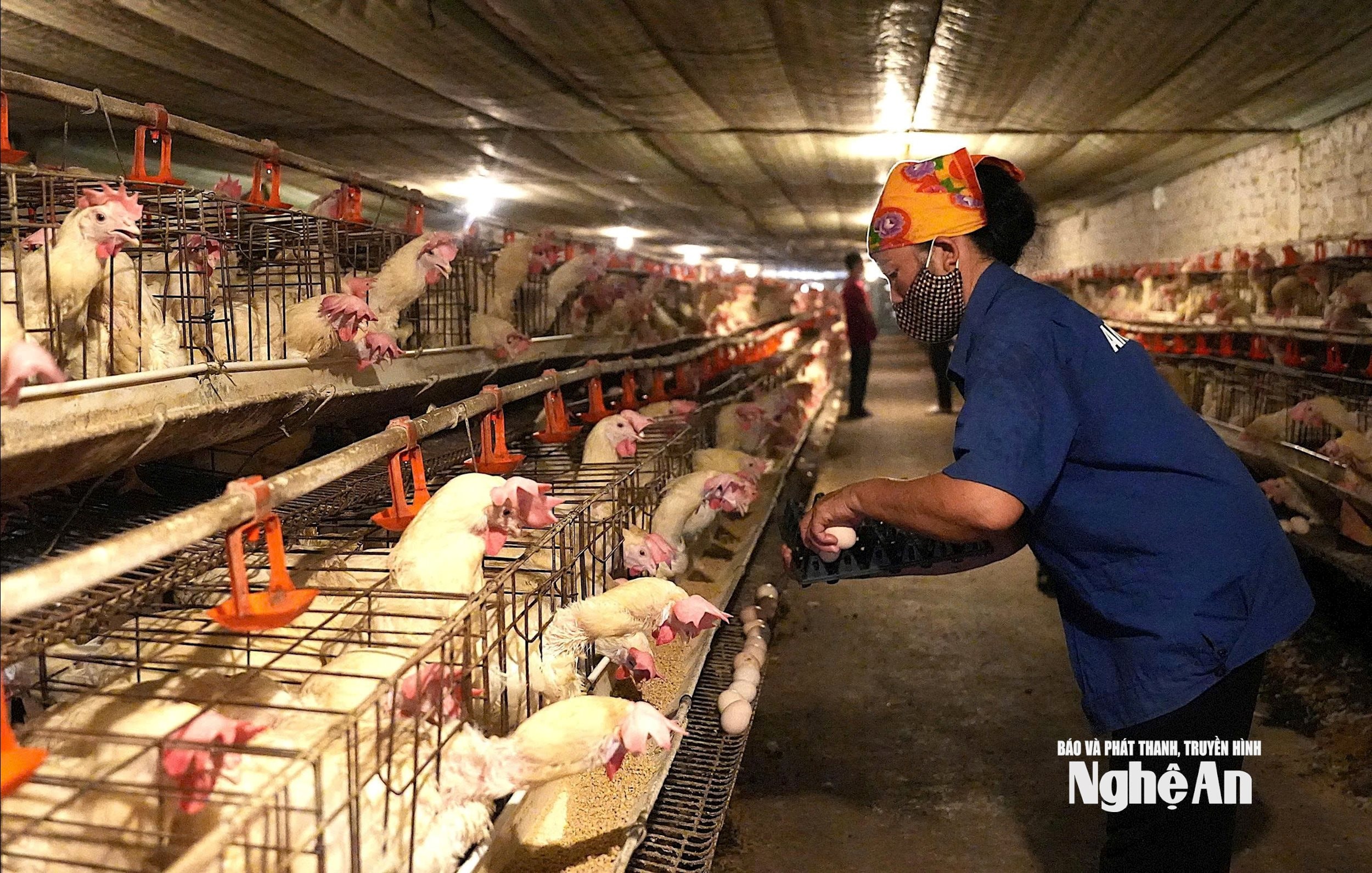
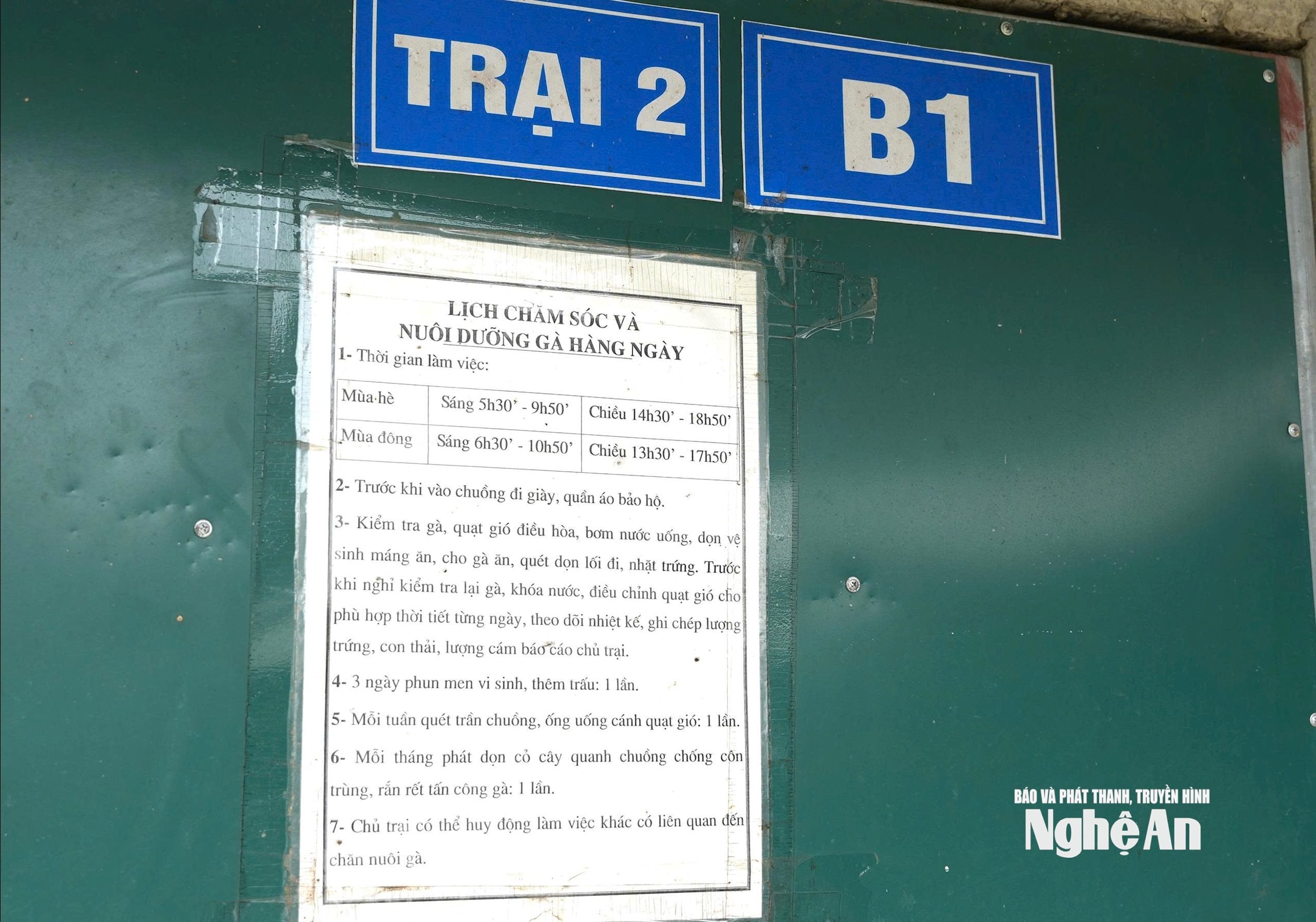
In reality, outbreaks of African swine fever, avian influenza, foot-and-mouth disease, etc., in recent years have caused significant losses to Nghe An's livestock industry. The main reason is that most households still raise livestock on a small scale and do not comply with biosecurity procedures. Pathogens easily enter from unsanitary barns, lack of disinfection pits, failure to separate breeding areas, and the absence of separate equipment and protective gear.
According to Mr. Hoang Dinh Thuan, Chairman of the Farmers' Association of Van Hien commune: "Only when farmers understand the importance of biosafety and proactively change their farming practices can we control diseases and improve product quality." After the "Environmentally Friendly Livestock Farming" project was implemented, more than 50% of chicken farmers in Van Hien commune switched to using biological bedding, composting organic fertilizer, and fermenting by-products. As a result, the farms are clean, the odor is almost gone, and economic efficiency has increased by 15-20%.
According to experts, implementing biosecurity is not difficult; it simply requires adhering to the "four essentials": having fences and netting around the breeding area; having separate tools; having personal protective equipment; and having a disinfection pit. When these rules are strictly followed, diseases are controlled, productivity is stable, and products meet safety standards.
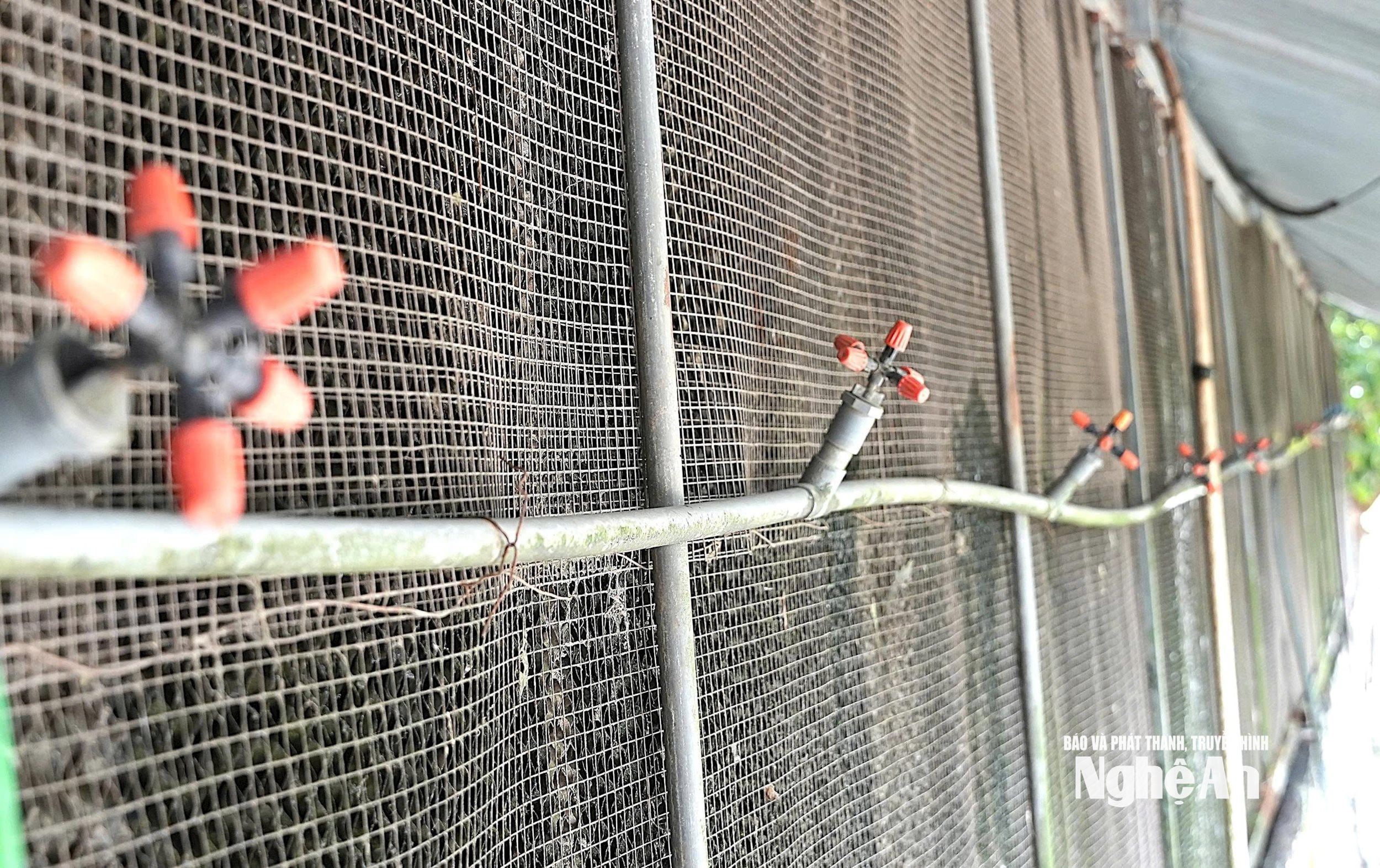
In particular, by combining biosecurity with digital technology – from electronic logging and input-output control to blockchain traceability – livestock farmers can not only better prevent disease outbreaks but also build trust with the market, moving towards establishing a brand of clean agricultural products. Mr. Vuong Hong Thai, Chairman of the People's Committee of Van An commune, affirmed: "This is an inevitable direction. Livestock farming today needs not only productivity but also safety, traceability, and environmental friendliness."
In reality, the aforementioned models are opening up great prospects for Nghe An's livestock industry. However, to replicate them, comprehensive support is needed in terms of capital, technology, and infrastructure, especially for small-scale farmers. Farmers' associations at all levels, agricultural extension centers, and local authorities need to continue promoting training, technology transfer, and guidance for people to build closed-loop livestock chains, applying Blockchain and electronic logs to control diseases.
Biosecure livestock farming is not only an urgent solution for disease prevention and control, but also a "green key" to unlocking clean, modern, and sustainable agriculture. When farmers learn to "raise intelligently," treating waste with worms, insects, and probiotics; fermenting feed; using biological bedding; keeping electronic logs; and managing with technology, each farm and each livestock household will become a green cell, contributing to the creation of a circular, efficient, and sustainable agricultural economy.


