
Nghe An: When the orange groves are no longer sweet.
There was a time when mentioning Yen Khe commune (formerly Con Cuong district) would immediately bring to mind hillsides covered in the green of orange trees, providing a comfortable life for dozens of households. However, on those very same hills, in less than two decades, the people quietly cut down the orange trees one by one to begin searching for new crops to continue their livelihood.
Current situation
In June 2026, when we visited Pha village, formerly Yen Khe commune (now Con Cuong commune), what surprised us most was not the changes in the roads or the new houses that had sprung up, but the silence of the orange orchards that had once brought fame to this land. The sign "Pha Village Orange Orchard" was still there, but behind it, the orange trees had almost disappeared from the hillsides that were once covered in the green of the foliage and the golden color of the ripe fruit.
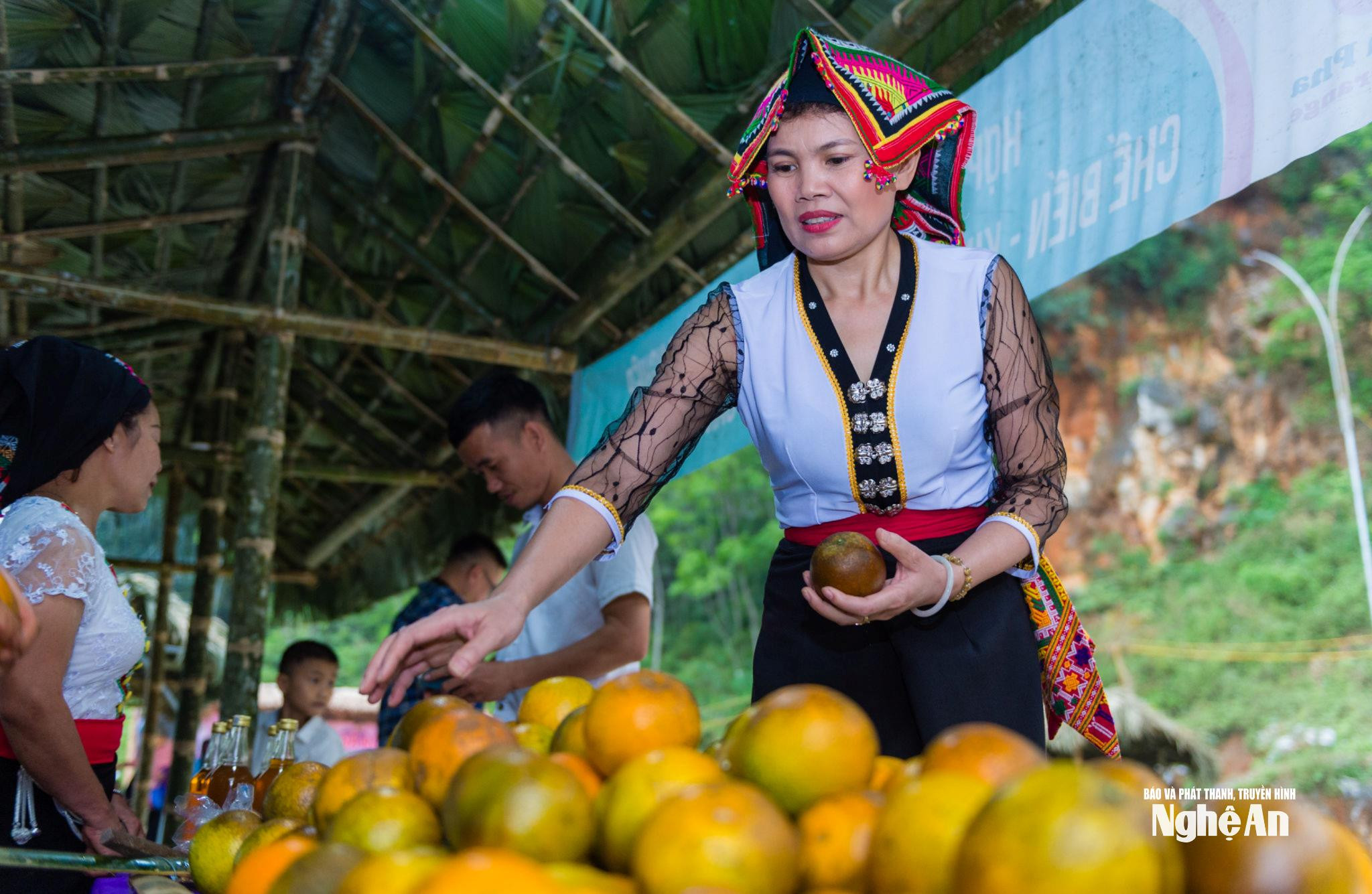
Returning from his tea plantation, Mr. Tang Ngoc Son, from Pha village, a pioneer in bringing orange trees to the former Yen Khe area, slowly poured a cup of green tea for his guest and gazed towards the hill in front of him. Not long ago, that was the orange orchard that brought prosperity to his family. Having been involved with orange trees since 2008, Mr. Son is one of the people who witnessed firsthand the journey from the peak of orange cultivation to its gradual decline.
He recounted that, at that time, oranges were not simply a crop but were considered a "life-changing crop" for the people of Yen Khe commune. The price of oranges ranged from 35,000 to 50,000 VND/kg, with traders coming directly to the orchards to buy them. With only about 500 orange trees, after deducting investment costs of around 100 million VND, people could still earn up to 600 million VND in profit each season.
Thanks to orange trees, many families have been able to build sturdy houses, buy cars, and provide their children with education. The expectations for this crop were so high that the local government once invested billions of dong to build electricity systems, internal roads, and wells to serve the specialized orange-growing areas. The once barren hills were transformed into concentrated production zones, opening up hope for a new direction for the local agricultural economy.
.jpg)
However, behind those bountiful orange harvests, many problems have silently accumulated. Rapid development coupled with disease outbreaks has caused numerous orange orchards to simultaneously enter a phase of degradation. Many households used substandard seedlings and grafted trees haphazardly, leading to rapid deterioration of the trees. Some orchards showed signs of pests and diseases after only about two years of harvesting. The price of oranges plummeted from tens of thousands of dong per kilogram to only 2,000-3,000 dong/kg. At that price, many households fell into debt and were forced to make the heartbreaking decision to destroy the orange orchards that had once brought them a comfortable life.
Swirlswitch
After the orange trees failed to thrive, the biggest question for the people of Con Cuong commune was: what should they plant after cutting down the orange trees to sustain their livelihoods?
Amidst these trials, industrially produced tea gradually became a more trusted choice for many households due to its relatively stable product consumption. The family of Mr. Ngo Van Bien and Mrs. Luong Thi Chien in Pha village is one such household. In 2016, Mr. Bien's family invested in nearly 3 hectares of oranges and achieved quite good results for about four consecutive years, with selling prices fluctuating between 25,000 and 30,000 VND/kg. However, that joy did not last long when orange prices plummeted, at one point reaching only about 5,000 VND/kg.
Mr. Bien recalled that oranges provided a concentrated income for a few months, but each harvest season was a time of anxiety because most of the yield had to be sold retail by the family themselves. After much deliberation, in 2023, the family decided to remove the entire orange grove and switch to growing tea on the same land.
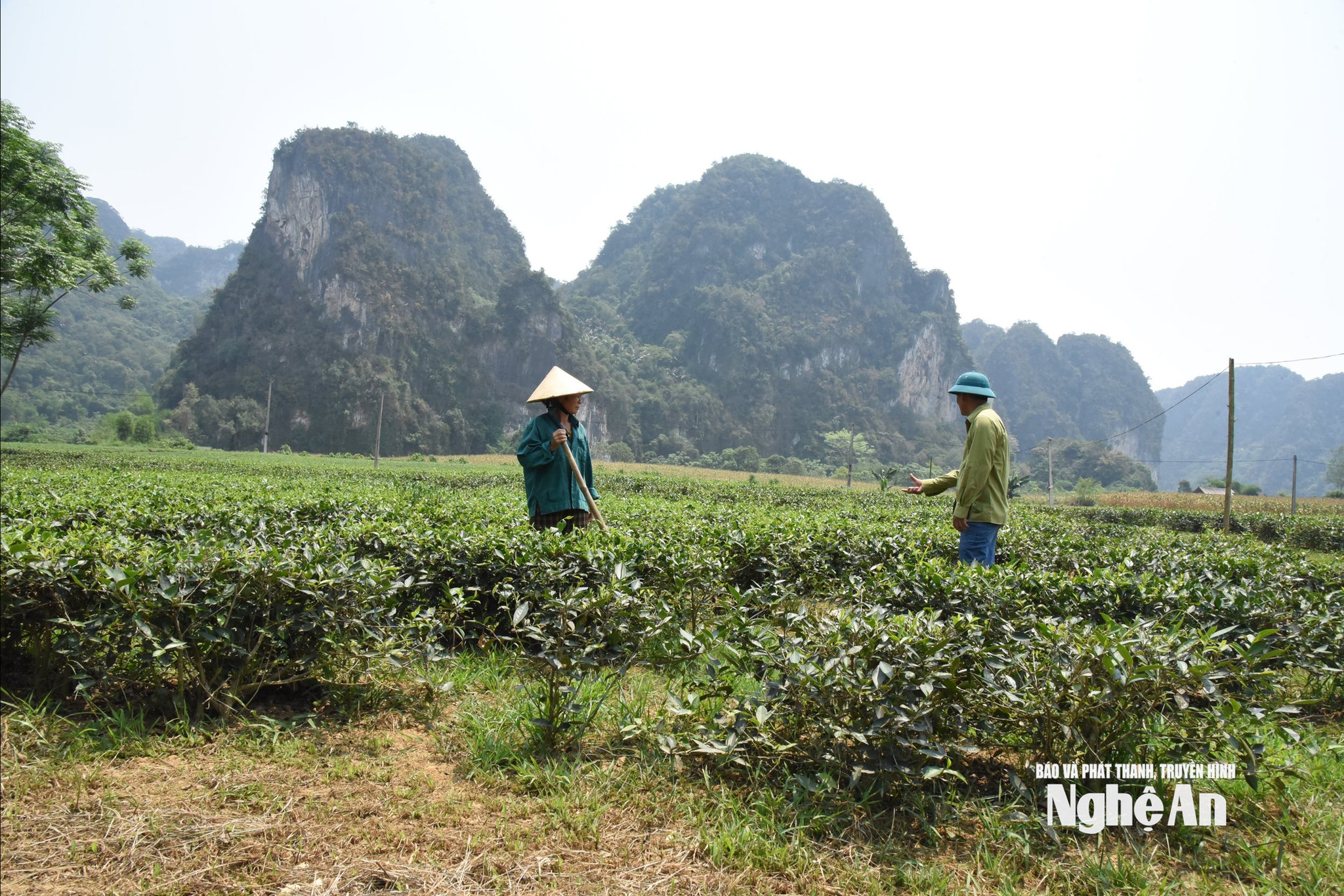
According to Ms. Luong Thi Chien, with the current tea plantation area, each harvest yields nearly 2.4 tons of fresh tea buds, which she sells to the factory for 3,700 - 3,900 VND/kg. Although the cost of hiring laborers to pick tea ranges from 700,000 - 800,000 VND per ton, the relatively stable output means farmers no longer have to worry about being exploited by traders as before. Furthermore, the introduction of machinery into the harvesting process has contributed to reducing labor, increasing productivity, and gradually shifting production thinking towards a more professional approach.
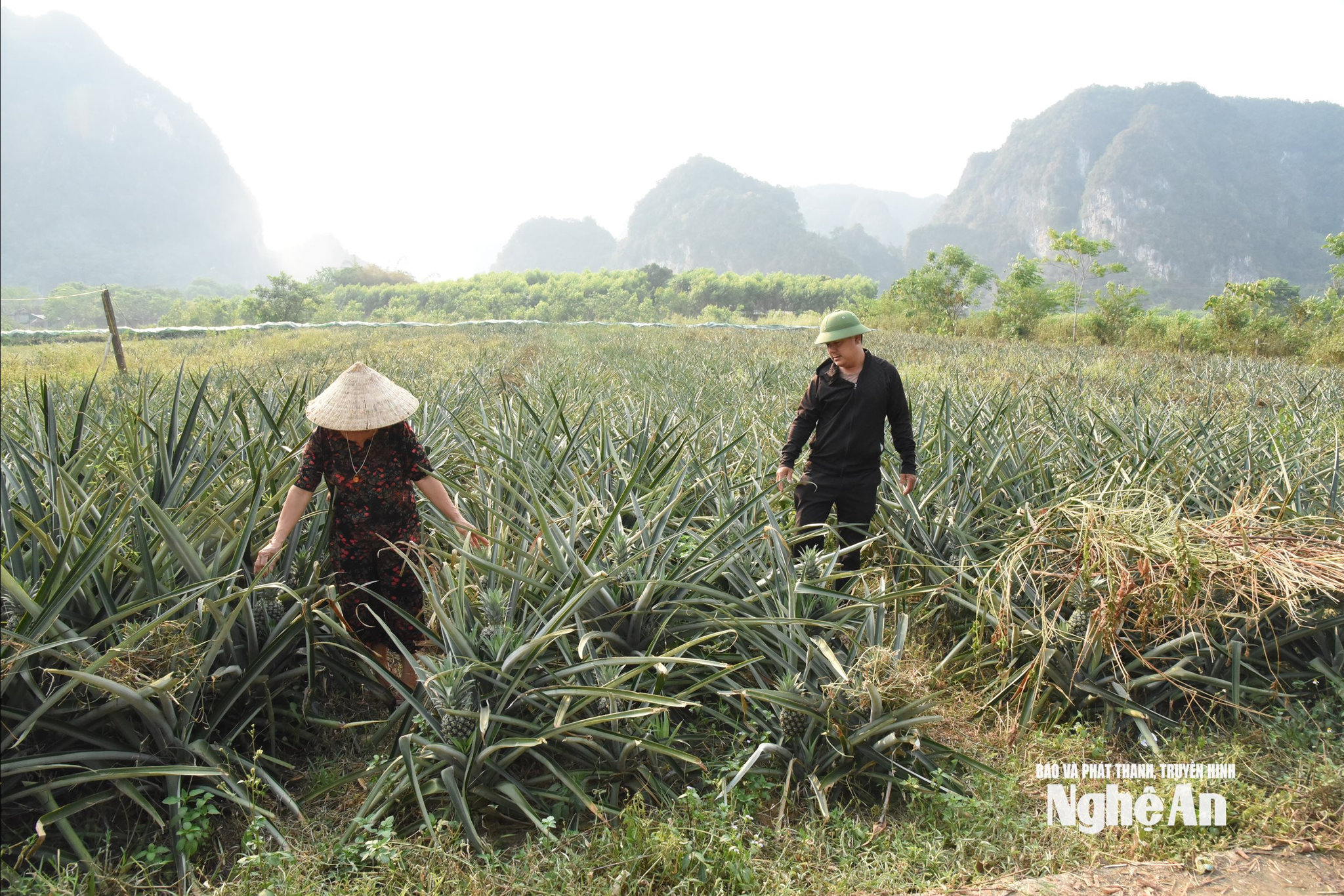
Besides tea, pineapple cultivation is also being seen by many households as a new opportunity. Mr. Bui Sy Son in Lien Tra hamlet is one of those who boldly switched. In 2025, he decided to cut down his entire 1.5 hectares of orange trees and switch to pineapple cultivation with support in terms of seeds and fertilizers. He found that pineapples are quite suitable for the local climate and soil conditions, so he continued to expand the scale of production. Currently, his family has 1.5 hectares of pineapples ready for harvest and an additional 0.5 hectares recently planted.
Faced with this reality, in early 2026, the Economic and Infrastructure Department of Con Cuong commune conducted a survey of people's needs and also visited and learned from the experiences of key pineapple growing areas. According to Mr. Cao Tien Thinh, Head of the Economic and Infrastructure Department of Con Cuong commune, pineapple cultivation has great potential. Mr. Thinh believes that households that previously grew oranges and switched to pineapple cultivation will not face too many technical difficulties because the care is less strenuous. However, the biggest concern for the farmers remains the market for their produce.
From once-glorious orange groves to lush green tea plantations and pineapple fields in full bloom, farmers in Con Cuong have experienced both gains and losses, understanding that in agriculture, hard work and a willingness to change are not enough. What they need most is a strong, interconnected chain where the State plays a key role in planning and infrastructure investment; scientists provide technical and seed support; businesses open up markets with long-term commitments; media promotes and connects products; and farmers can confidently produce on their own land.


