
Nghe An province launches a project to support vocational training linked to employment for disadvantaged groups, funded by the South Korean government.
The project "Vocational training and job placement for vulnerable groups in war-affected areas and Vietnamese youth" is funded by the South Korean government with a total budget of 4.5 million USD.
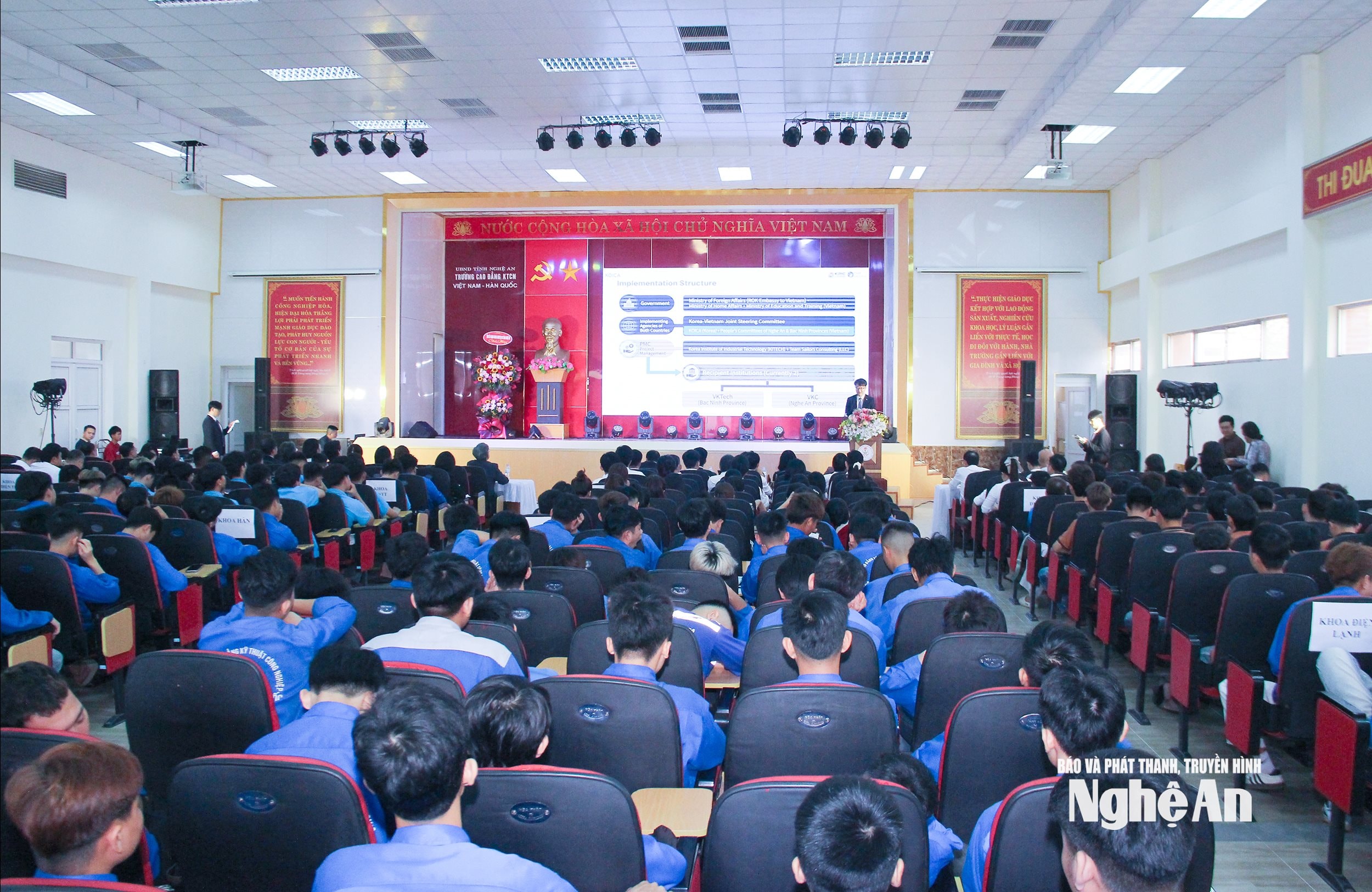
On the morning of April 8th, at the Vietnam-Korea Industrial Technical College, the Provincial People's Committee, in coordination with the Korea International Cooperation Agency (KOICA), held the launching ceremony for the project "Vocational Training Linked to Employment for Students". "Vulnerable groups in war-affected areas and Vietnamese youth."
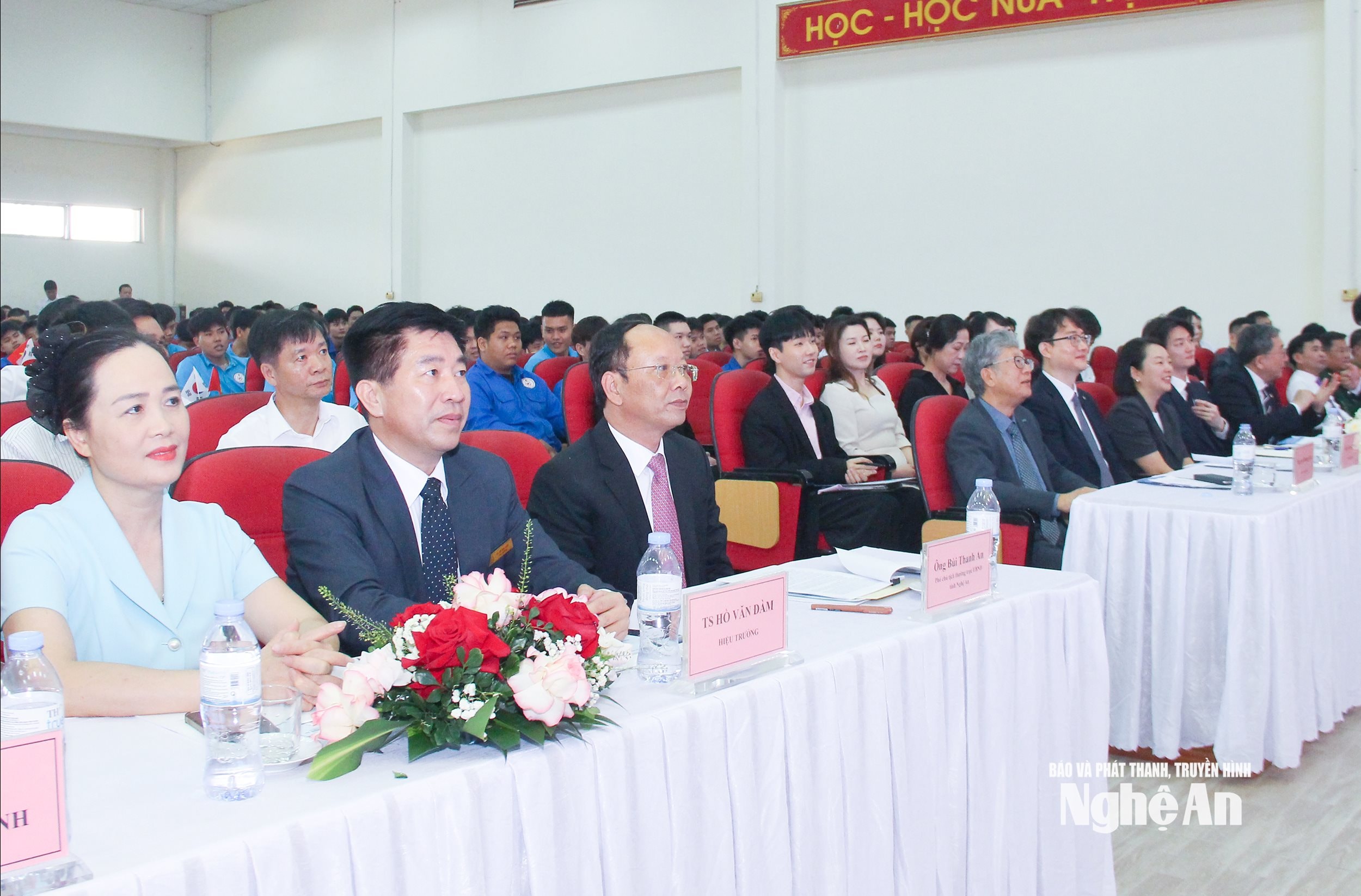
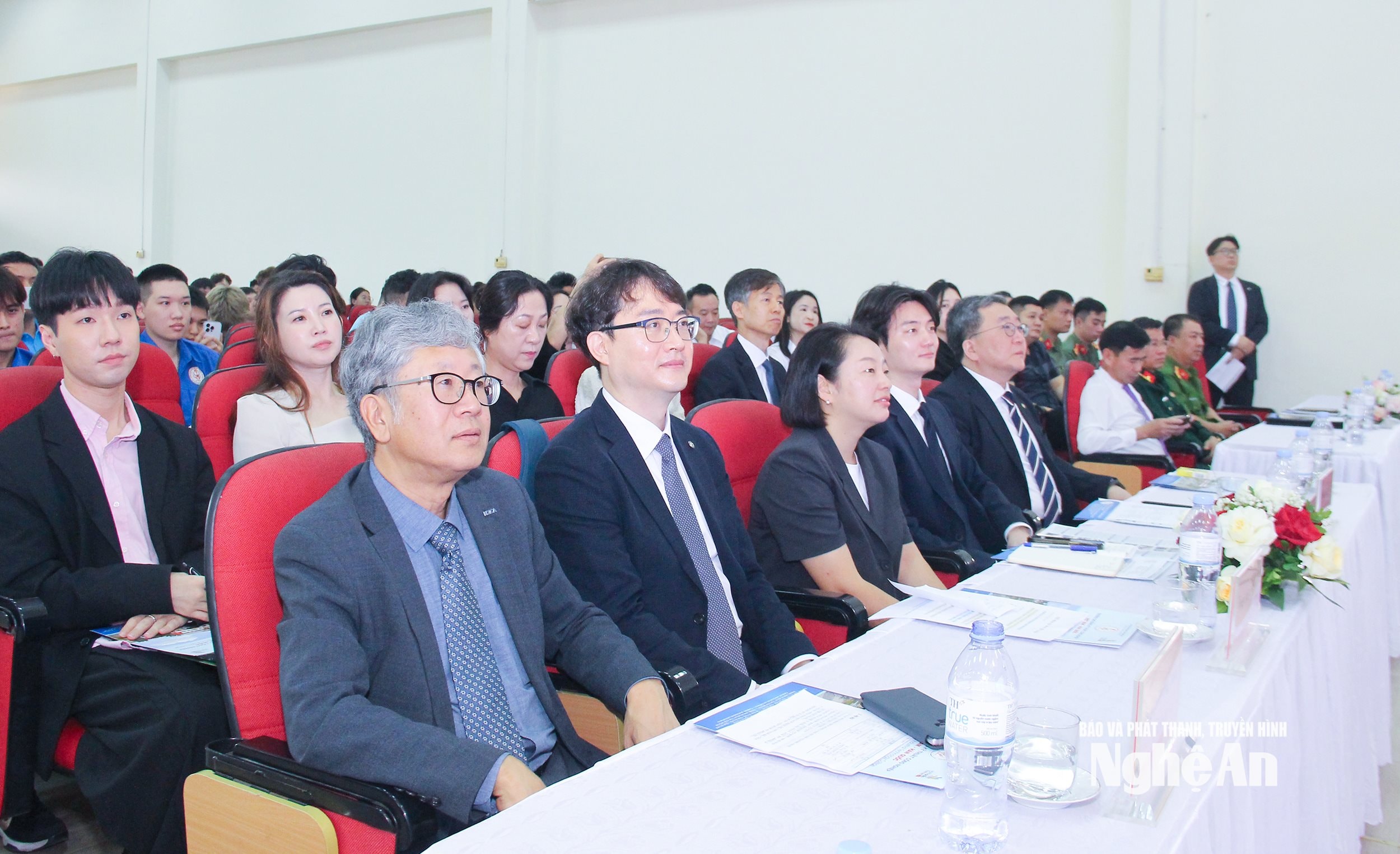
Attending the ceremony, on the Korean side were Mr. Lee Byung Hwa – Country Director, Korea International Cooperation Agency (KOICA) in Vietnam; Mr. Chai Changok – Chief Project Specialist; and representatives from the Embassy Office and the KOICA Office in Vietnam.
Representing Nghe An province were Comrade Bui Thanh An – Member of the Standing Committee of the Provincial Party Committee, Permanent Vice Chairman of the Provincial People's Committee, along with leaders from several provincial departments and agencies, universities, colleges, and businesses.
The project has a total budget of $4.5 million.
The project "Vocational Training and Job Placement for Vocational Groups in War-Affected Areas and Vietnamese Youth" has a total grant of up to 4.5 million USD from the Korean Government through KOICA.
The project will be implemented from 2026 to 2029 in Nghe An province. The project aims to build a foundation for training skilled human resources for Vietnam's industries; develop training programs based on national competency standards (NCS) for the shipbuilding and welding industries and other core industries; and contribute to improving the quality of human resources to meet the requirements of industrial development, attract investment, and facilitate international integration in the locality.
.jpg)
To achieve this goal, the project will provide support for the procurement of equipment and training materials for the shipbuilding and other core industries; support the development of job-oriented training programs for employment in South Korea, and establish a unit/department to organize Korean language training; develop admission criteria and provide scholarships for trainees according to established standards; provide high-quality education and training services; and support employment for trained personnel in Vietnam and South Korea…
Elevating Vietnam-Korea cooperation
Speaking at the project launch ceremony, Mr. Lee Byung Hwa, Country Director of the Korea International Cooperation Agency (KOICA) in Vietnam, emphasized: The project will contribute to strengthening the training foundation in core industrial sectors, helping more young people access high-quality jobs and new opportunities. This will not only benefit individuals but also create positive changes for the local and national economies.
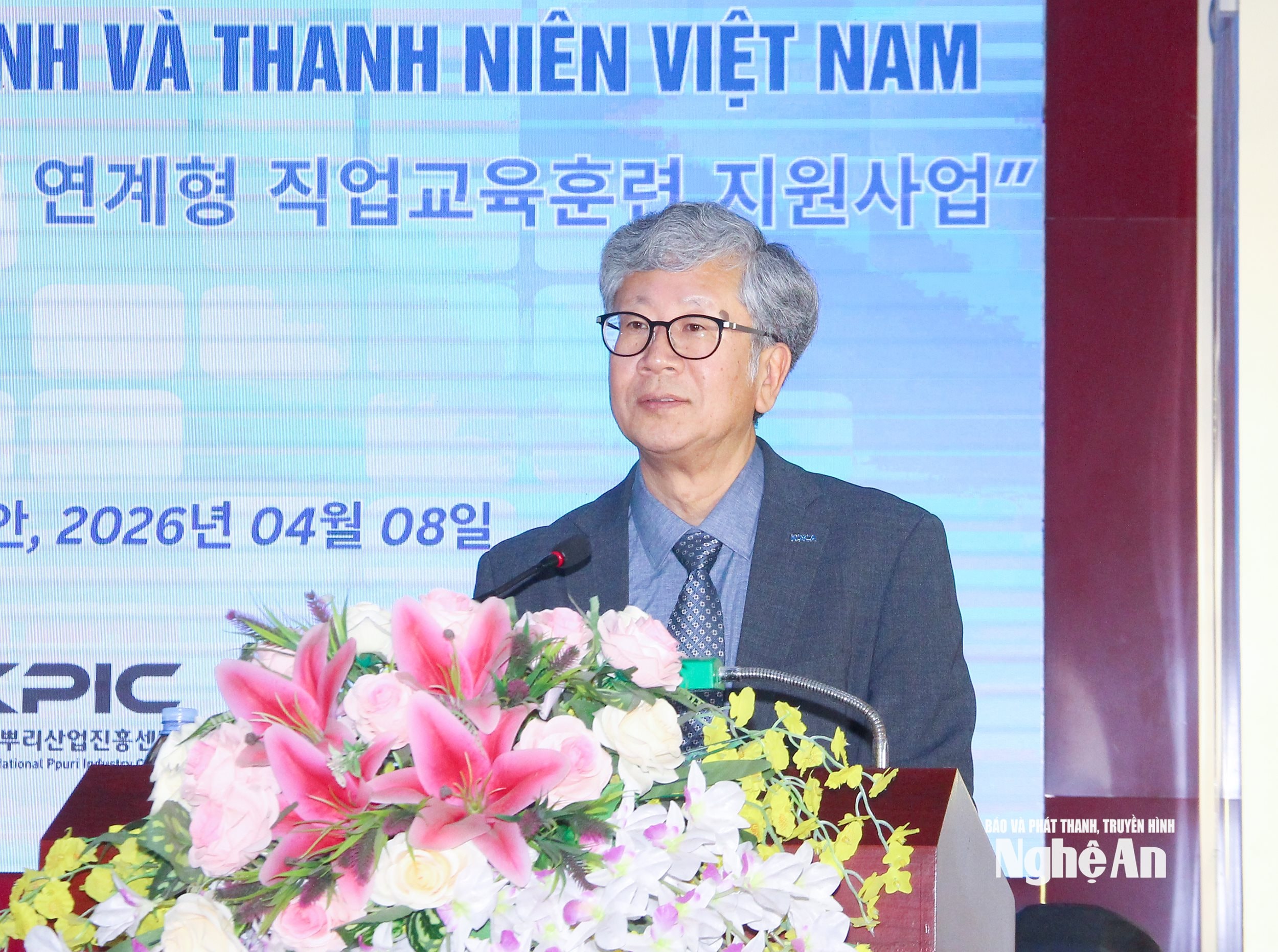
At the same time, the project goes beyond mere vocational education; it is also a model for training industrial human resources – a place that nurtures talent based on the practical needs of businesses and directly links it to job opportunities. Furthermore, it will be an important foundation contributing to the development of industrial and human resource cooperation between Vietnam and South Korea to a new level.
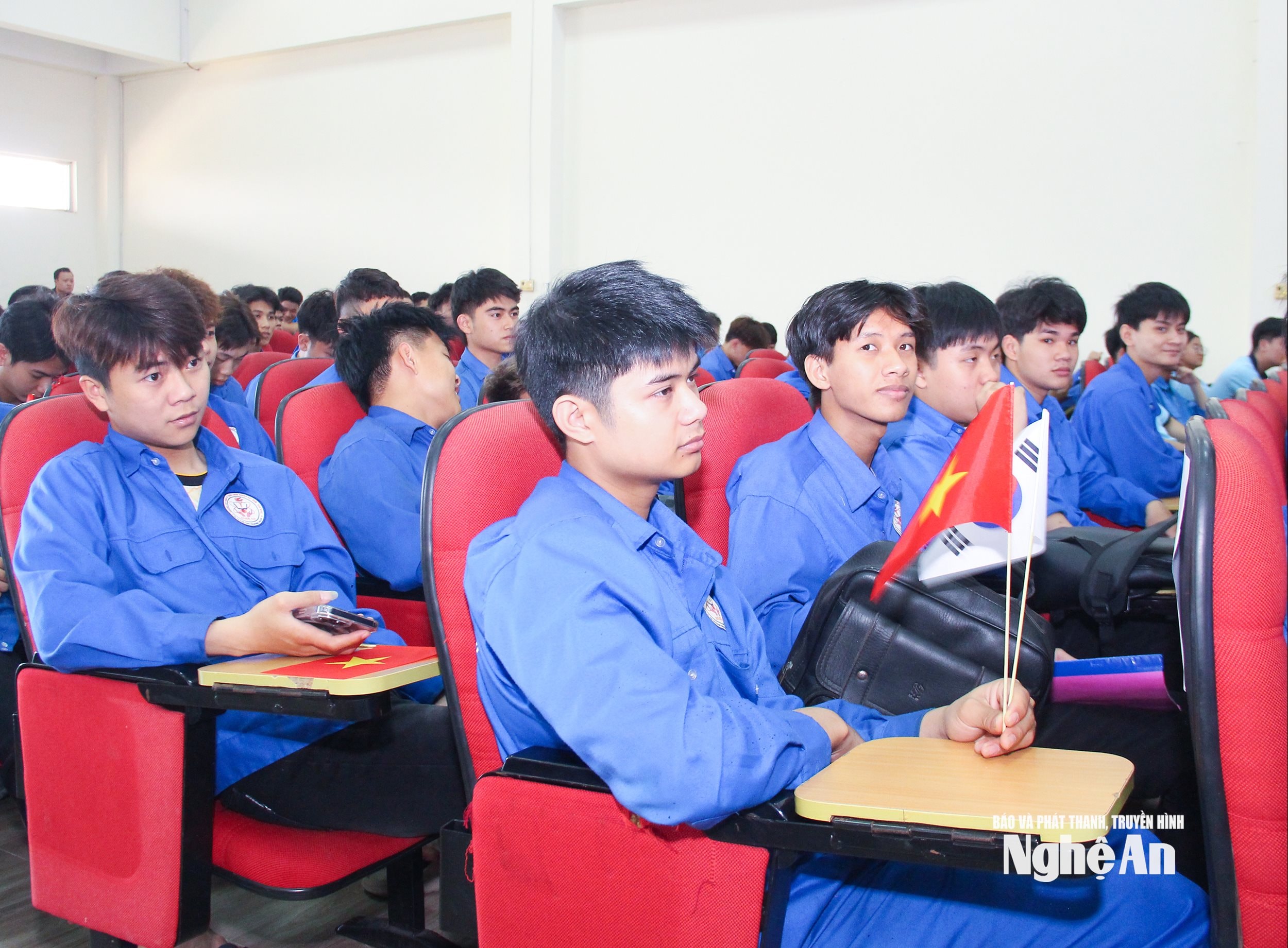
Focus on implementing the project effectively.
Speaking at the launch ceremony, on behalf of the leaders of Nghe An province, Mr. Bui Thanh An - Member of the Standing Committee of the Provincial Party Committee, Permanent Vice Chairman of the Provincial People's Committee - sincerely thanked the Government of South Korea and the Korea International Cooperation Agency (KOICA) for their profound interest and valuable cooperation in supporting the project's implementation. The project has practical significance, contributing to sustainable socio-economic development by improving the quality of vocational training linked to job creation, especially for disadvantaged groups and young people.
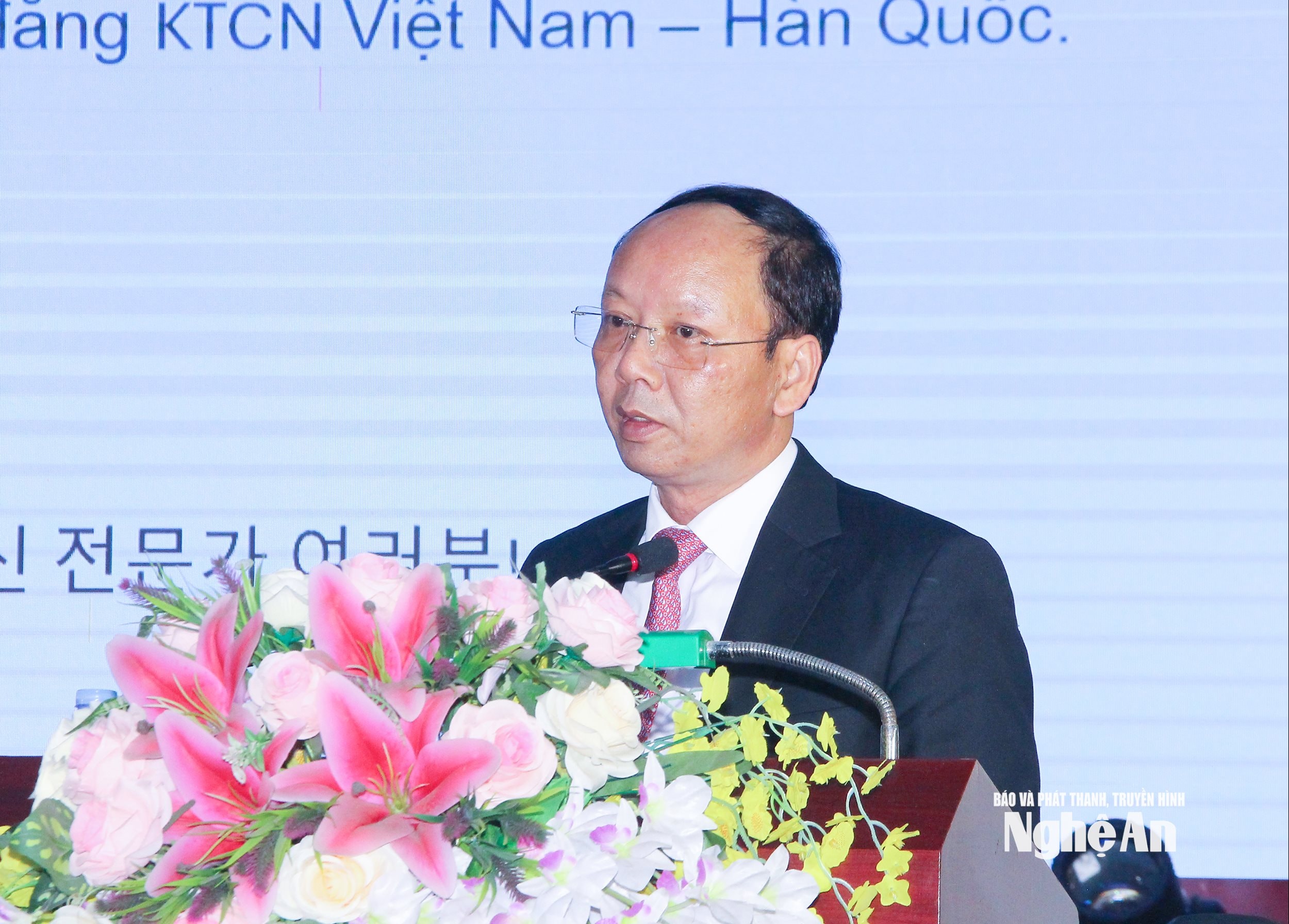
This is not just a simple technical assistance program, but also a deeply humane model of cooperative development aimed at enhancing self-reliance and improving livelihoods for the people. At the same time, it contributes to improving the quality of human resources, meeting the requirements of industrial development, attracting investment, and international integration of the locality.
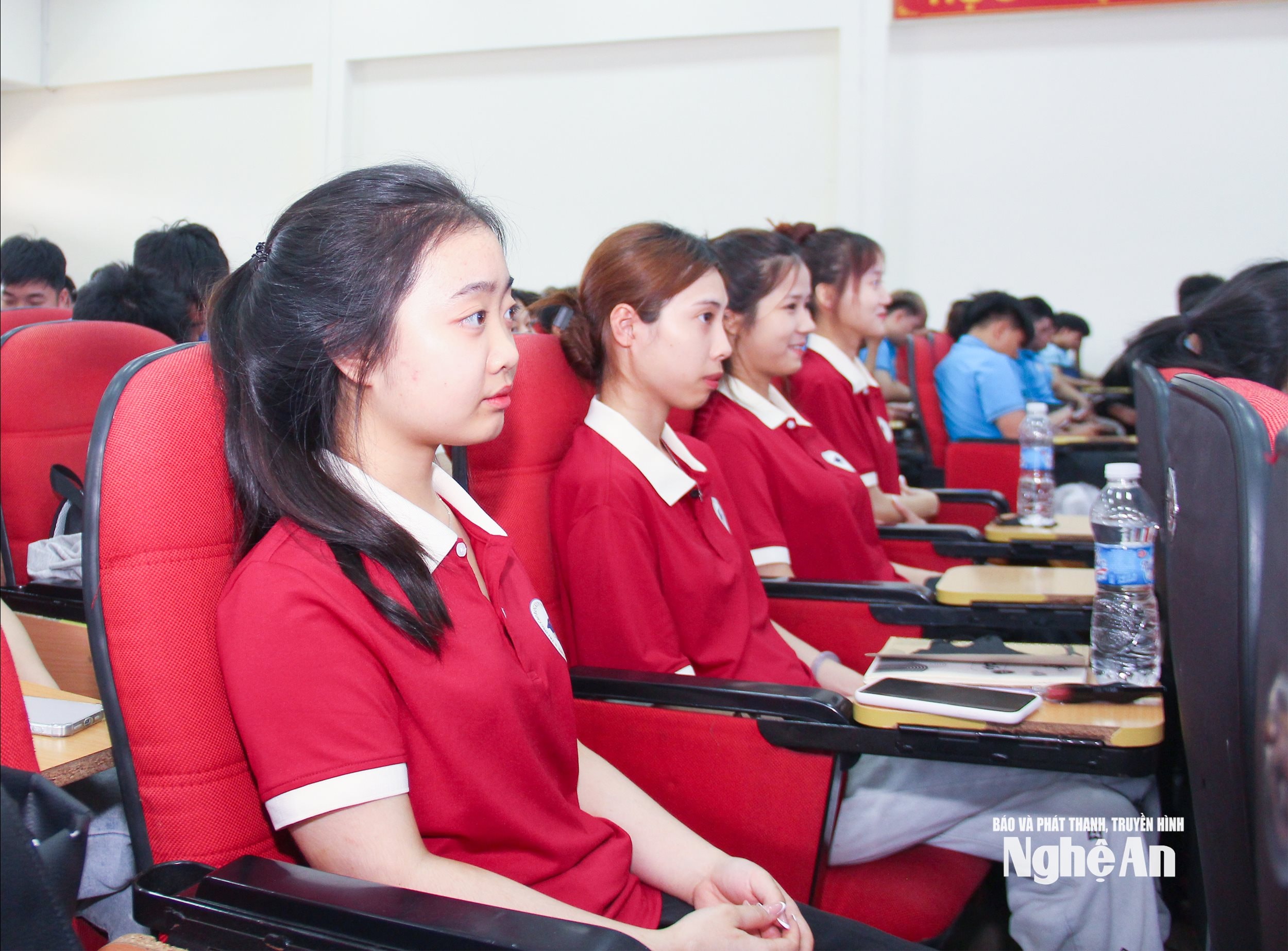
To ensure the project is implemented effectively and achieves its objectives, the Standing Vice Chairman of the Provincial People's Committee requested that the Vietnam-Korea Industrial Technical College, as the direct implementing unit, maximize its capacity and responsibility, proactively coordinate closely with KOICA, the Project Management Board, and relevant partners throughout the entire implementation process, ensuring consistency, efficiency, and timely completion.
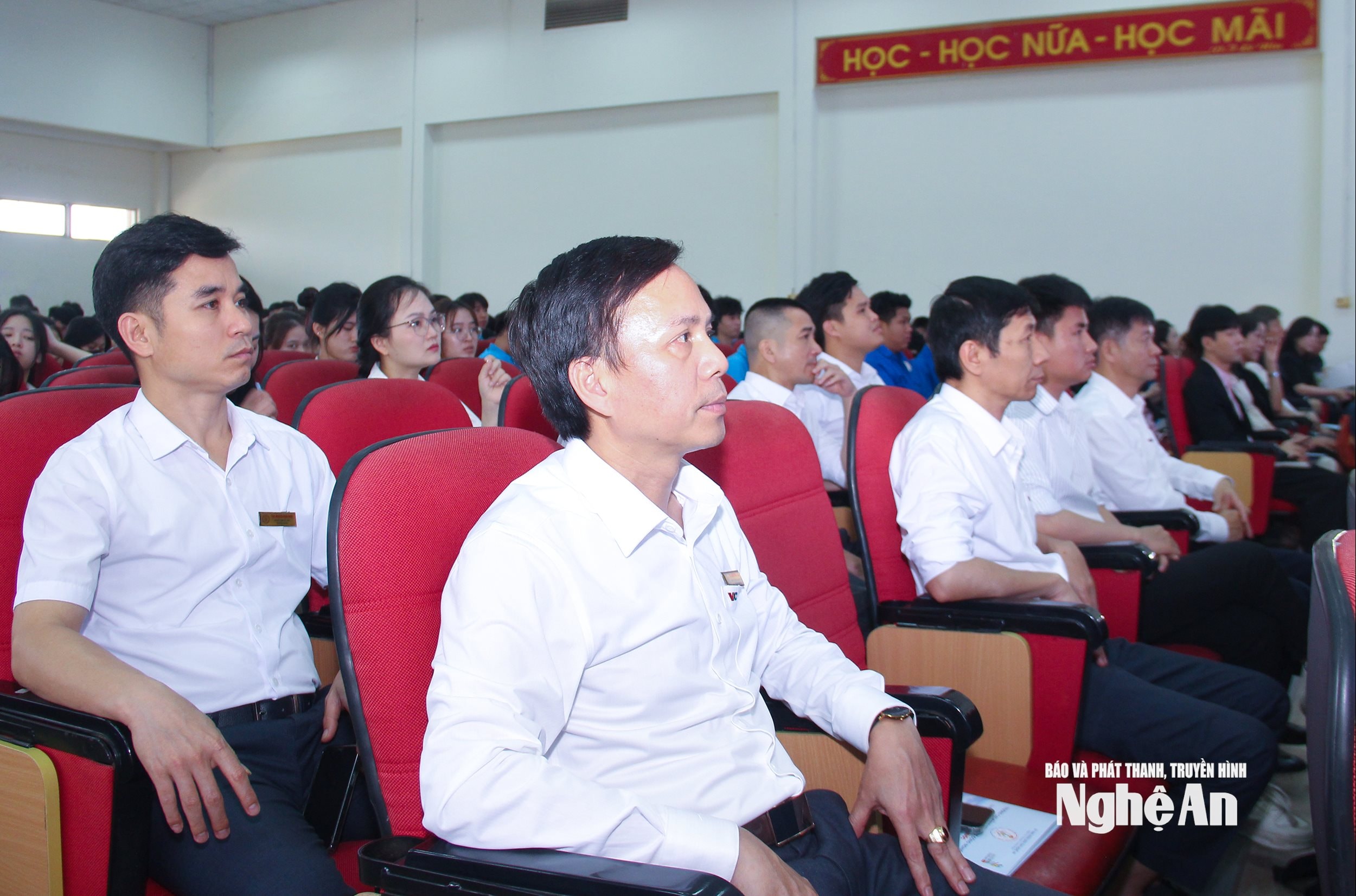
Proactively develop and implement training programs that are modern, flexible, and aligned with the practical needs of businesses and the labor market, especially those with foreign investment.
We are committed to strengthening connections with domestic and international businesses, creating favorable conditions for students to gain practical experience, internships, and job opportunities immediately after graduation.
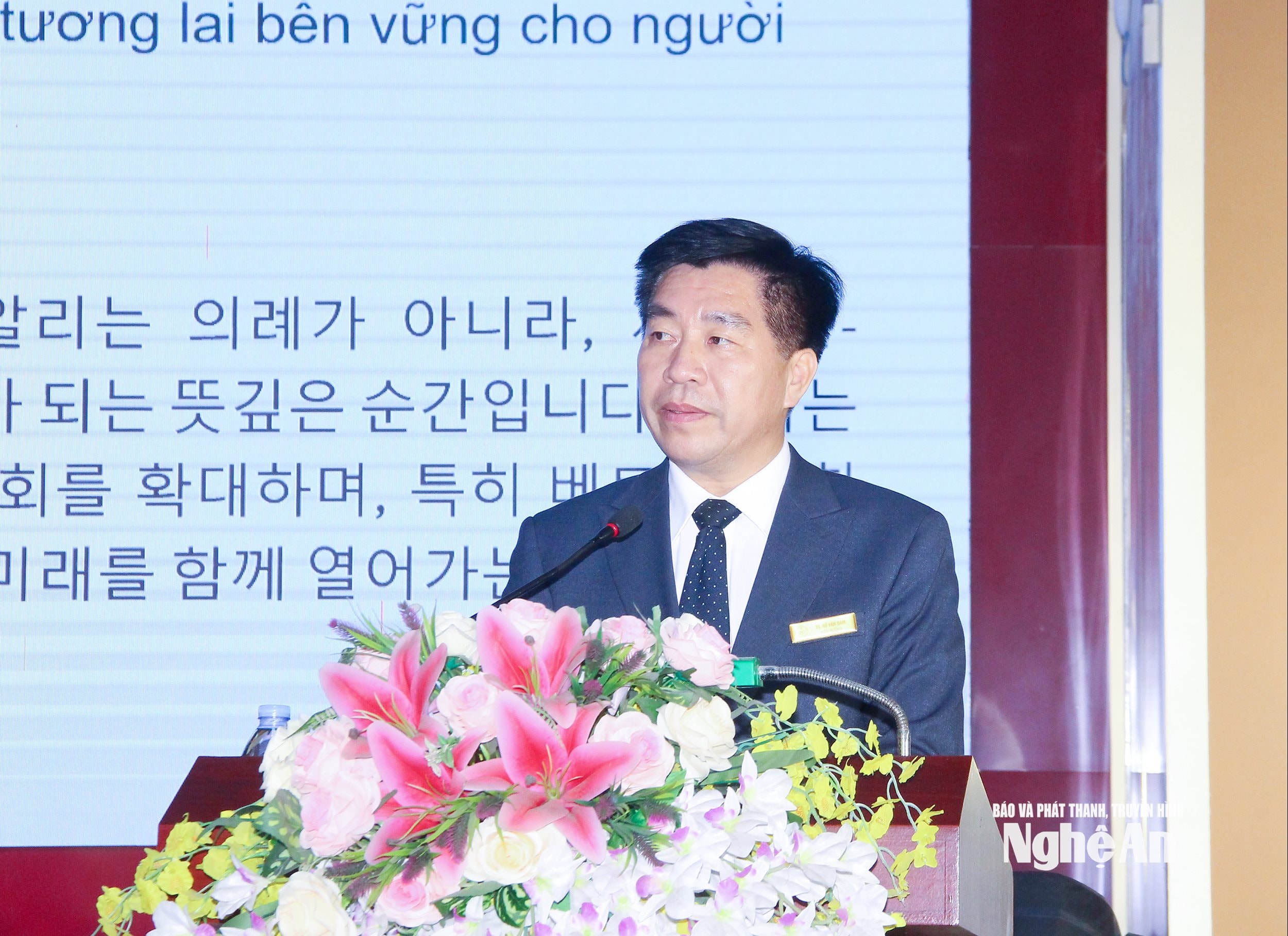
Comrade Bui Thanh An also requested: During the implementation process, special attention should be paid to the effective use of project resources, ensuring that the objectives are met, the target beneficiaries are served, transparency is ensured, and all legal regulations and commitments to the donor are complied with; emphasis should be placed on improving the capacity of staff and teachers, gradually approaching international training standards, and aiming to maintain and sustainably develop the project's results after its completion.
Regarding the province's responsibilities, the Standing Vice Chairman of the Provincial People's Committee, Bui Thanh An, affirmed: The province will create all favorable conditions in terms of mechanisms, policies, human resources, and infrastructure to effectively implement the project.
.jpg)


