
Nghe An: New tuition fees are now appropriate to the conditions of different population groups.
(Baonghean.vn) - It's already the middle of the first semester of the 2022-2023 school year, but the issue of tuition fee increases is still receiving much attention from the public, especially this year, Nghe An is implementing tuition fee collection according to the new rates.
The tuition fees are set to be appropriate for the conditions in different regions.
PV:Sir, one of the biggest concerns for parents this school year is the implementation of the new tuition fee rates according to Resolution No. 14 of the Provincial People's Council, which has increased significantly compared to previous years. What is the basis for the Provincial People's Council's approval of these tuition fees?
Mr. Chu Duc Thai:At its 7th session on July 14, 2022, the Provincial People's Council issued Resolution No. 14/2022/NQ-HĐND stipulating tuition fee rates in public educational institutions; The level of financial support for tuition fees for private primary school students eligible for tuition fee exemption/reduction under the regulations of Nghe An province from the 2022-2023 school year to the 2025-2026 school year is specified. The regulations also define tuition fee collection zones, including: urban areas (wards in Vinh City, wards in towns (excluding units in ethnic minority and mountainous areas as defined by competent authorities), rural areas (communes in Vinh City, communes in towns, lowland districts, mountainous districts (excluding units in ethnic minority and mountainous areas as defined by competent authorities) and mountainous areas (highland districts, units in ethnic minority and mountainous areas as defined by competent authorities).
The tuition fee rates in Resolution No. 14 are based on the regulations of Government Decree No. 81/2021/ND-CP on tuition fee rates. During the drafting of the Resolution, we found that the tuition fees under Decree No. 81 were significantly higher than before; therefore, the tuition fees were set at the lowest level as stipulated in Government Decree No. 81.
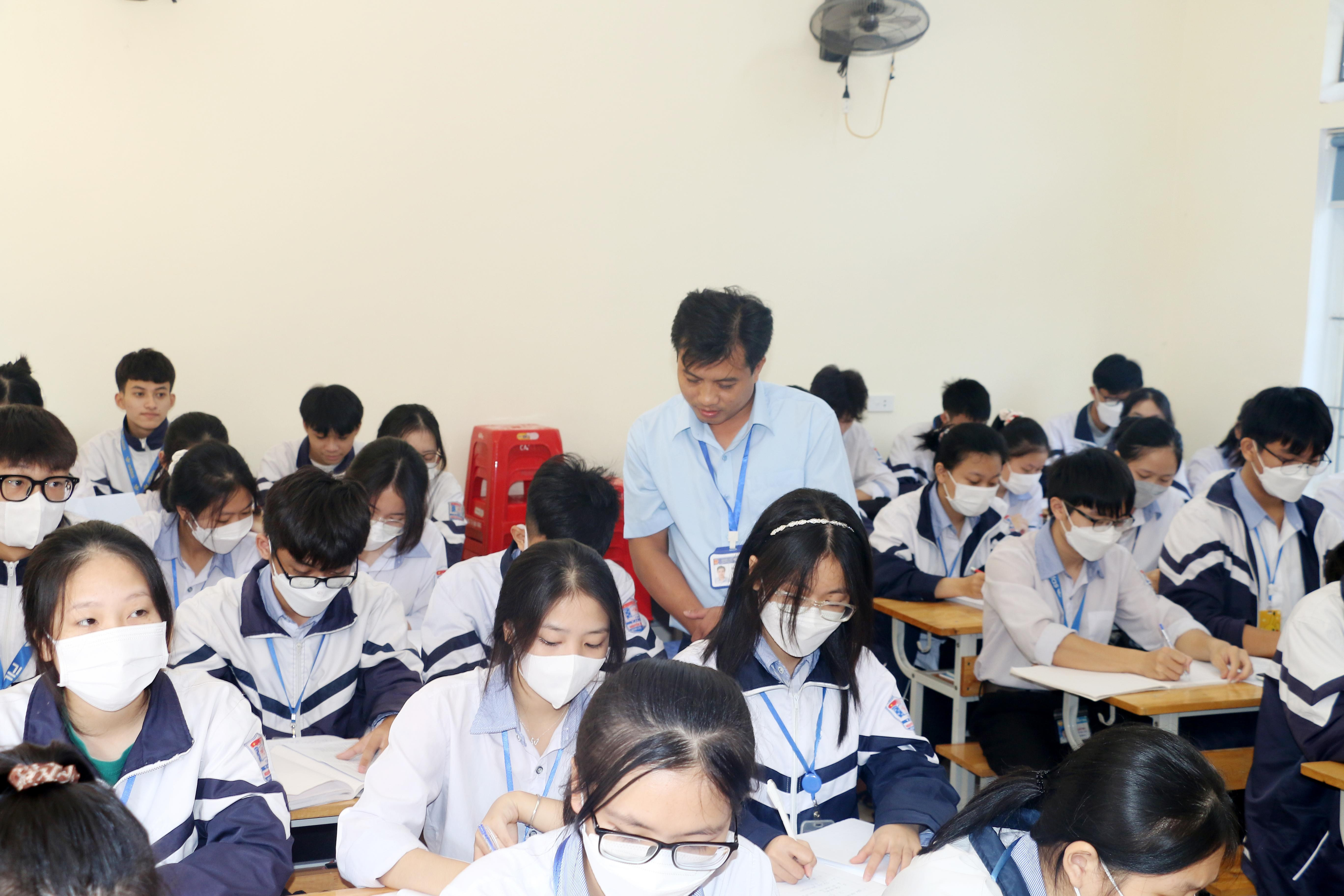 |
This school year, tuition fees at high schools throughout the province have increased. |
PV:Government Decree No. 81/2021/ND-CP is considered the basis for establishing regulations on tuition fees, not only in Nghe An but also in many other provinces and cities nationwide. The tuition fee increase has been implemented according to schedule, as Decision No. 89/2016/QD-UBND expired in the 2020-2021 school year. However, during the implementation of the new fee structure, several issues have arisen, such as parents believing the fees are too high, discrepancies between different regions (especially in communes and wards within cities and towns), and inconsistencies in tuition fees within the same class or school in the same locality. What are your opinions on this matter?
Mr. Chu Duc Thai:Over the past period, we have also become aware of concerns regarding these fees, and many opinions suggest that the current fees are higher than in previous periods. Compared to the previous tuition fees under Decree No. 86, the new tuition fees under Government Decree No. 81 have increased significantly and show a large disparity between regions. For example: According to Decree No. 86, the lowest tuition fee for junior high school was 60,000 - 300,000 VND in urban areas and 30,000 - 120,000 VND in rural areas; according to Decree No. 81, the lowest fee was 300,000 - 650,000 VND in urban areas and 100,000 - 270,000 VND in rural areas. The fee level under Resolution No. 14 is based on the lowest level under Decree No. 81 in all regions. The disparity between regions cannot be adjusted more appropriately because the regulated fees in urban areas cannot be lowered, while increasing fees in rural areas would significantly impact a very large segment of the rural population.
Mr. Dao Cong Loi:After more than two months of implementing the new tuition fee rates, observations across 21 districts, cities, and towns indicate that tuition fee collection has been largely carried out normally. However, some residents in Vinh City have concerns about the fee levels. Previously, the fees were also collected based on household registration, but the difference was not significant, only a few tens of thousands of dong, so parents didn't pay much attention. This year, however, the difference is much larger, causing more concern among parents. Previously, when drafting the Resolution, the Education Department and the Provincial People's Council focused on the people and ensured their rights, creating favorable conditions for residents, especially in rural and disadvantaged areas. Therefore, the different fee levels and regional divisions were necessary.
The current problem stems from shortcomings in management, especially in household registration management, and the emergence of exceptional cases. However, as I mentioned, the People's Council Resolution is geared towards the people, ensuring their rights. Meanwhile, some management officials want to simplify things and ensure fairness within a classroom or school. But this is incorrect because since 2014, Nghe An has had Inter-agency Guidance No. 2446 between the Department of Finance, the Department of Education and Training, and the Department of Labor, War Invalids and Social Affairs on guiding the collection of fees based on household registration to ensure the rights and application of policies to support students according to their household registration, in line with the support objectives. Regarding the implementation of the new tuition fee rates, the department has issued a document guiding the collection of fees and directing the staggered collection period to avoid putting pressure on parents and students. In light of the current difficulties, the department has sent a document to schools, reporting on the obstacles encountered during implementation and proposing solutions to overcome them.
Implementing voluntary contributions must adhere to three principles.
PV:Financial management is always a hot topic at the beginning of the school year. What solutions have the Provincial People's Council and the managing unit, the Department of Education and Training, implemented to address this situation?
Mr. Chu Duc Thai:The collection of fees in educational and training institutions has been regulated by guidelines from the central to the provincial level. In the past, the Provincial People's Committee and the Education Department have been very proactive in directing educational institutions to collect fees at the beginning of the school year in accordance with regulations. However, through feedback and direct surveys, we have found that some units have not fully complied with the regulations, still imposing some fees that are not in accordance with the rules, causing frustration among parents. Therefore, the issue of fees at the beginning of the school year is not new, but it remains a "hot topic" every year.
Understanding the opinions of voters and public sentiment regarding revenue and expenditure in schools, the Provincial People's Council has consistently focused on the implementation of revenue and expenditure at the beginning of the school year in educational institutions. The Standing Committee of the Provincial People's Council has requested its members to regularly monitor the revenue and expenditure situation at educational institutions in the province; promptly compile voter opinions on related issues and send them to the relevant authorities for resolution; and conduct direct questioning at Provincial People's Council sessions or through monitoring the responses and resolution of voter opinions. The Culture and Social Affairs Committee of the Provincial People's Council has also conducted surveys and monitoring of tuition fee and other revenue collection in schools.
Furthermore, at the Standing Committee meetings of the Provincial People's Council or the Provincial People's Committee meetings, the Standing Committee of the Provincial People's Council always pays attention to and discusses prominent and pressing issues among the people, such as the issue of school year fees. They direct the Provincial People's Council's committees to survey and gather information and make recommendations to the Provincial People's Committee to address this matter.
The implementation of school fees at the beginning of the school year has a significant impact on the people, and almost every family in the area has children attending school. If parents are hesitant to report this to the relevant authorities or education management agencies, the Provincial People's Council has a website with a section for receiving voter feedback. We hope to receive feedback from voters if they have any concerns. We will collect the feedback and forward it to the relevant agencies for responses according to regulations. In addition, citizens can report to elected bodies, such as People's Council representatives at all levels, from the commune level, so that representatives can publicly receive feedback and handle it according to the law.
Mr. Dao Cong Loi:As the new school year begins, parents have many worries such as textbooks, uniforms, and school supplies. Therefore, the guiding principle of the Department of Education and Training is to discuss solutions to ensure quality education at the beginning of the year and only address financial matters at the end of the year to avoid putting pressure on students. However, with over 1,600 educational institutions in the province, there are still some cases of improper collection and expenditure according to the department's guidelines, leading to many incorrect fees, especially voluntary contributions.
In recent times, the Department of Education and Training has issued guidelines requiring that voluntary contributions adhere to three principles: agreement, transparency, and avoiding uniform fees. The problem is that in practice, some schools have not followed the department's directives, abusing the system and disregarding the principles, such as imposing uniform fees or setting a specific amount. Clearly, voluntary contributions cannot be collected at a fixed rate.
To address this issue, state agencies will strengthen inspection and supervision work and will coordinate with the People's Committees at the district level (the units managing schools from preschool to junior high school) to intensify corrective measures. If any wrongdoing is found, appropriate action will be taken to create a deterrent and maintain discipline throughout the entire sector.
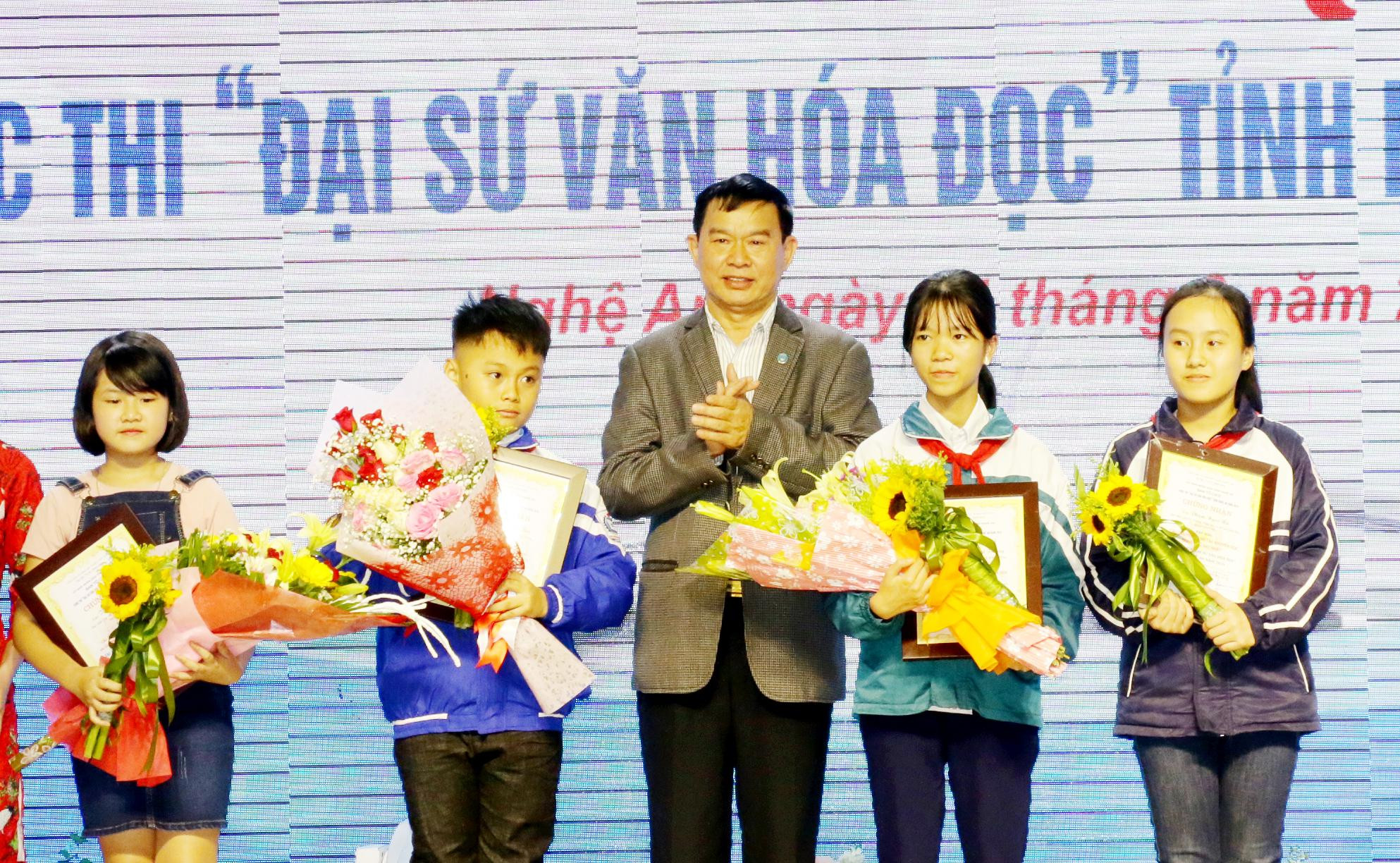 |
Deputy Director of the Department of Education and Training, Dao Cong Loi, presented awards to the contestants with outstanding achievements at the Reading Culture Ambassador competition. |
PV:So, according to Mr. Chu Duc Thai, besides the solutions that the Education sector has proposed, shouldn't we strengthen the inspection, examination, and supervision work of the People's Councils at all levels?
Mr. Chu Duc Thai:Inspecting the initial fees collected at the beginning of the school year is a fundamental solution and must be implemented more decisively and frequently. Following the inspection, any violations by educational institutions, especially those that have been the subject of complaints from parents and the public, must be clearly identified. Once conclusions are reached, serious and strict action must be taken against the institutions and their leaders for collecting fees illegally, in order to have a deterrent effect.
Besides inspection and auditing, a combination of measures is needed to ensure that revenue and expenditure in schools comply with regulations. First and foremost, it is necessary to hold the heads of educational institutions and all levels of government accountable for directing and organizing the implementation of regulations on revenue and expenditure in schools. Educational institutions must publicly disclose all legally collected fees at the beginning of the year for parental oversight. Voluntary contributions from parents must adhere to established principles, with the issue of socialized funding in schools receiving the most criticism.
The process of social mobilization, including what to do and how to do it, must be discussed democratically and openly, and approved by the competent authorities before it can be considered eligible for social mobilization. Assets acquired through social mobilization must be inventoried and managed annually according to regulations to become the school's common property; avoiding the situation where air conditioners, televisions, and curtains are purchased every year, as many parents have complained. If we clarify this, the public will strongly support it, working alongside the state budget to fund projects and equipment that ensure better teaching and learning.
Through monitoring and on-site surveys at educational institutions, we have observed that educational administrators and teachers face significant pressure in ensuring adequate facilities for teaching and learning due to limited budget resources. Therefore, a thorough and comprehensive review of the physical infrastructure at educational institutions is necessary to prioritize budget allocation in the education sector, focusing on increasing investment in school facilities to ensure that teachers can fully dedicate themselves to their teaching and learning duties.
PV:Thank you for joining the conversation!


