
Nghe An: Risk of drug shortages at healthcare facilities due to unsuccessful bidding and procurement processes.
(Baonghean.vn) - In Vietnam, there are currently three levels of bidding for drug procurement: the national level (National Centralized Drug Procurement Center); the local level (Department of Health, which conducts centralized bidding for 129 product categories as regulated); and the remaining levels are handled by individual healthcare units through independent bidding…
Current situation
From 2007 to 2022, in Nghe An, the organization...biddingThe procurement of medicines, some chemicals, and consumable medical supplies was previously centralized at the Department of Health. However, since 2022, the organization of procurement of medicines, chemicals, biological products, and consumable medical supplies has been transferred to individual healthcare facilities to organize their own procurement (except for 129 items that are subject to bidding at the Department).
According to the Nghe An Department of Health, this transfer stems from the fact that the province has many forms of medical examination and treatment organizations such as general hospitals, specialized hospitals, provincial hospitals, district hospitals, and health stations. The needs for medicines, chemicals, biological products, and medical supplies vary greatly. Therefore, allowing lower-level units to organize these services themselves is necessary.biddingThe aim is to suit the needs and types of each unit.
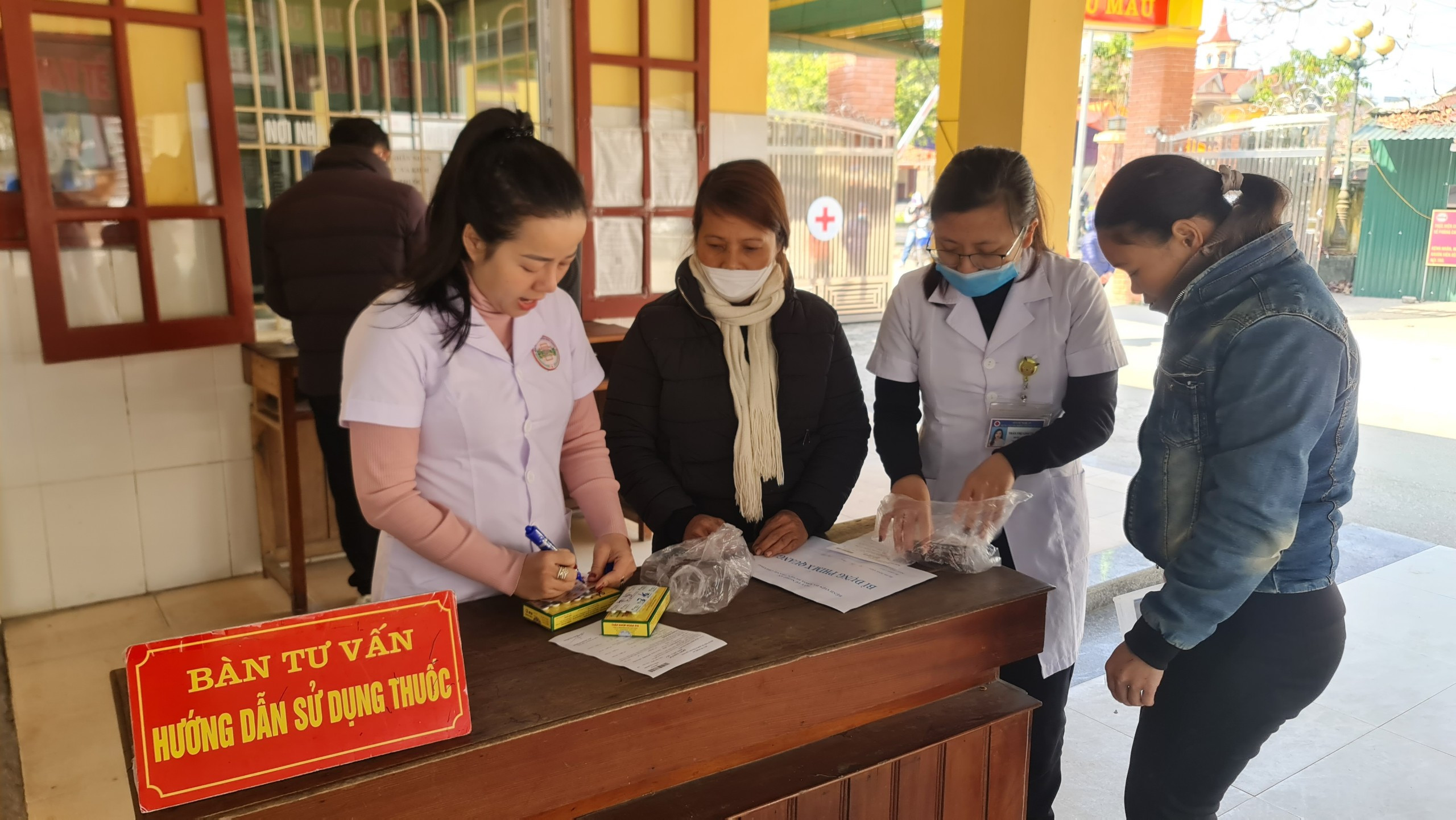 |
With the inability to procure medications for high blood pressure and diabetes, outpatient treatment at many medical facilities will be affected. Photo: Thanh Chung |
Furthermore, the Department of Health has a very limited workforce; its departments and divisions are responsible for the state management of health in the area. When organizing bidding processes at the Department of Health, the department has to concentrate a large number of personnel from its departments and divisions on the bidding process. This affects the state management of health.
Following directives, health units throughout the province have actively implemented drug bidding procedures to ensure a proactive and timely supply of sufficient medicines for their work.medical examination and treatmentIn 2023, by the beginning of January 2023, the procurement of medicines through bidding at the units had been basically completed… However, information from the units indicates that the results of the recent procurement round did not meet expectations.
Dr. Tran Si Thanh, Director of Quynh Luu General Hospital, said: "The recent procurement tender only secured about 50% of the required medicines; the remaining 50% needs to be re-tendered. The unsuccessful tender was due to suppliers withdrawing from the bidding process, especially for some imported medicines. Because of this unsuccessful procurement, the hospital may face shortages of some medicines by March 2023."
At the Nam Dan District Health Center, it is estimated that about 70% of items were purchased through competitive bidding, while 30% had to be re-tendered, such as traditional medicine (due to the lack of participating businesses) and some less frequently used or inexpensive drugs like those used in operating rooms, for cardiovascular treatment, and for treating hypertension in diabetic patients.
Regarding items that were not awarded in the bidding process, the unit still has some in stock, but shortages are expected in the near future. The hospital has a contingency plan in place, such as borrowing from existing suppliers. The unit will ensure that patients requiring emergency care, dialysis, childbirth, or surgery do not lack medication or supplies.
According to Thanh Chuong District General Hospital, many items were not awarded in the recent procurement round. These include psychotropic drugs, some antibiotics, emergency medications for surgery, blood pressure medication, and traditional medicine. Specifically for the generic drug tender, 28 items received no bids, 45 items were not awarded, 121 items were awarded, and 4 items are still under consideration.
This was the first time the unit had organized procurement through bidding. The hospital mobilized dozens of people and it took six months to prepare. Many complex issues arose during the implementation process… Although many items were rejected, the hospital was able to find alternative medications.
Many issues need to be considered.
Many difficulties in drug procurement have been reported by medical facilities, such as: The bidding process consumes too much manpower and time, affecting medical examination and treatment work. In the first implementation, facilities were learning as they went along, and were apprehensive. Many regulations stipulated that prices could not be higher than before, while the market was volatile, causing suppliers to avoid participating. The most difficult aspect of this process was price appraisal; many independent appraisal centers refused to undertake the task (due to its complexity, the low usage of many items, and their low value...).
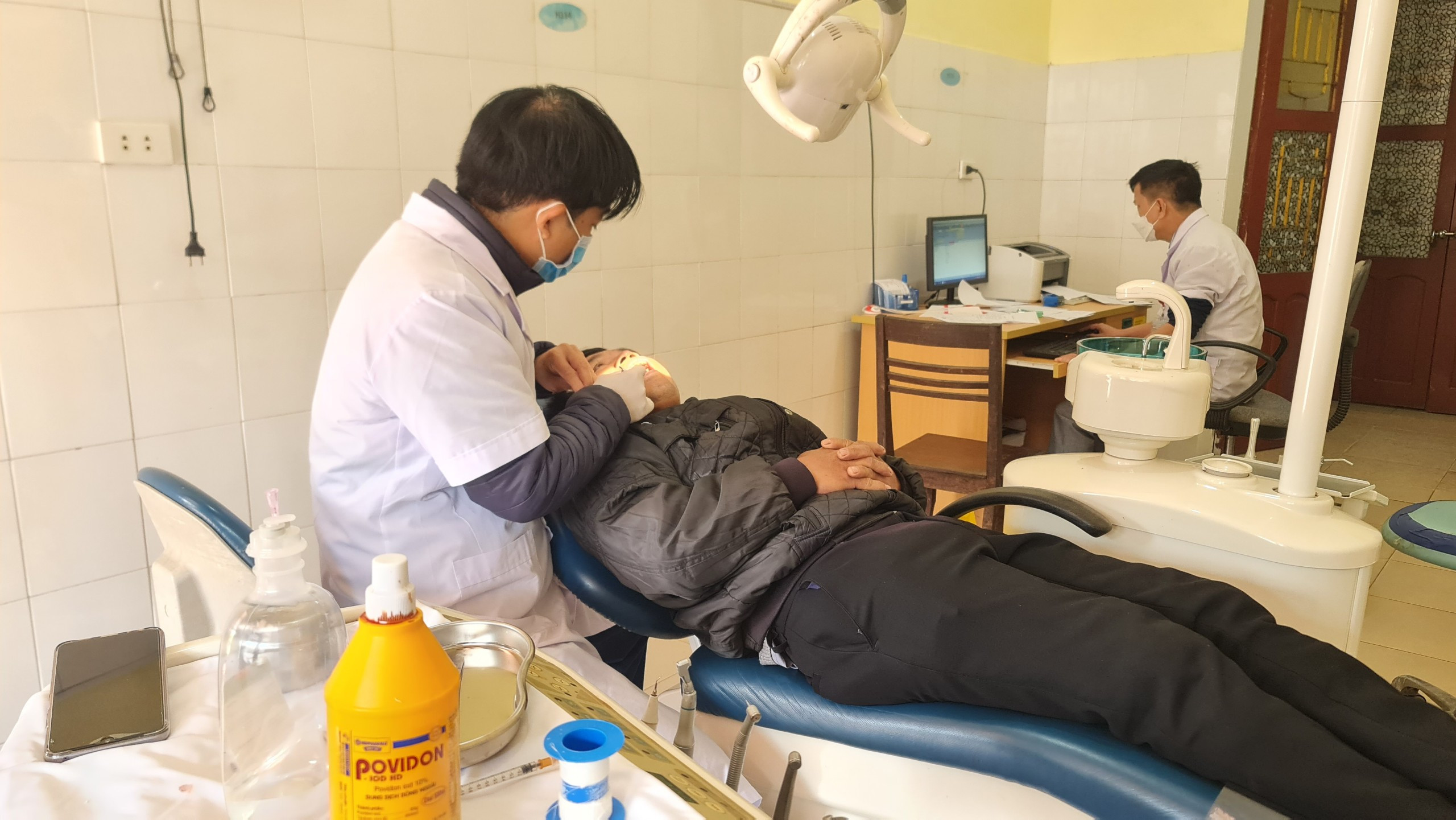 |
Because the Lidocaine drug was not successfully tendered, dental treatment at medical facilities in the province will be affected to some extent. Photo: Thanh Chung |
In reality, many healthcare units have been unsuccessful in organizing drug procurement (even at the Department of Health, some items were rejected or lost in the bidding process). Furthermore, the bidding process itself is time-consuming. The consequence is that in the future, there is a risk of shortages of certain drugs, which will affect the treatment and healthcare of patients.
The risk is clear, yet very few medical facilities will "acknowledge" their drug shortages. These facilities will resort to the tactic of transferring patients to higher-level facilities, believing that "it's better to be criticized for a decrease in the number of patients than to be accused of drug and supply shortages." The pressure to provide adequate medical care then falls on these higher-level facilities.
On the other hand, many medical facilities will also use very few of the drugs that have been awarded through bidding processes. A hospital leader commented: Drugs from the bidding process should only be used in exceptional circumstances. Even then, they should only be the cheapest options, as this is a sensitive issue. In reality, obtaining drugs from the bidding process also creates difficulties for insurance agencies, because even for the same product from the same supplier, different units purchase it at different prices.
Throughout the procurement process, the Department of Health has consistently supported the units. The Department established 10 working groups with experienced personnel selected from provincial-level units to regularly connect with, guide, and provide hands-on training to the units. The Department of Health also organized numerous training sessions on procurement, providing guidance on legal regulations and developing model bidding procedures for the units to follow. To date, the units have largely completed the procurement of medicines, with the remaining supplies, chemicals, and biological products currently in the bidding process.
The Nghe An Department of Health is now aware of the situation, noting that the number of selected contractors is not large, and the failure rate is also high. Currently, the department is requesting units to evaluate and report comprehensively in order to analyze and propose solutions that accurately reflect the actual situation. If the failure is due to technical standards, then the technical standards must be reviewed and revised; if the failure is due to low planned prices, then the prices must be reviewed, re-evaluated, and a new bidding process should be organized promptly.
To address the risk of drug shortages, the National Assembly has passed a resolution extending the validity of registrations for several items whose registration numbers have expired. The Ministry of Health is also actively implementing solutions to ensure patients' rights. The Department of Health has been directing units to proactively seek alternative products with similar effects; and to implement measures to ensure sufficient reserves of medicines, medical supplies, chemicals, and drugs for examination and treatment - pharmacist Tran Minh Tue stated.
According to the leaders of the Nghe An Department of Health, in the long term, the Department has proposed to the provincial and central authorities the establishment of an independent unit – a centralized bidding center – to carry out procurement more professionally and efficiently. The Department of Health is the agency responsible for managing and evaluating bidding plans for contractor selection, yet it still conducts the bidding process itself. This is a drawback, essentially playing both sides... In the coming years, this work will certainly be improved, faster, and more rigorous. The Department of Health will provide maximum support to the units./.


