
Nghe An strives to create a breakthrough in exports.
In 2025, exports were one of the bright spots in Nghe An's economy, reaching $4.52 billion, a 40% increase compared to the previous year. In 2026, Nghe An aims to achieve $5 billion in exports and $9 billion by 2030.
Positive signs
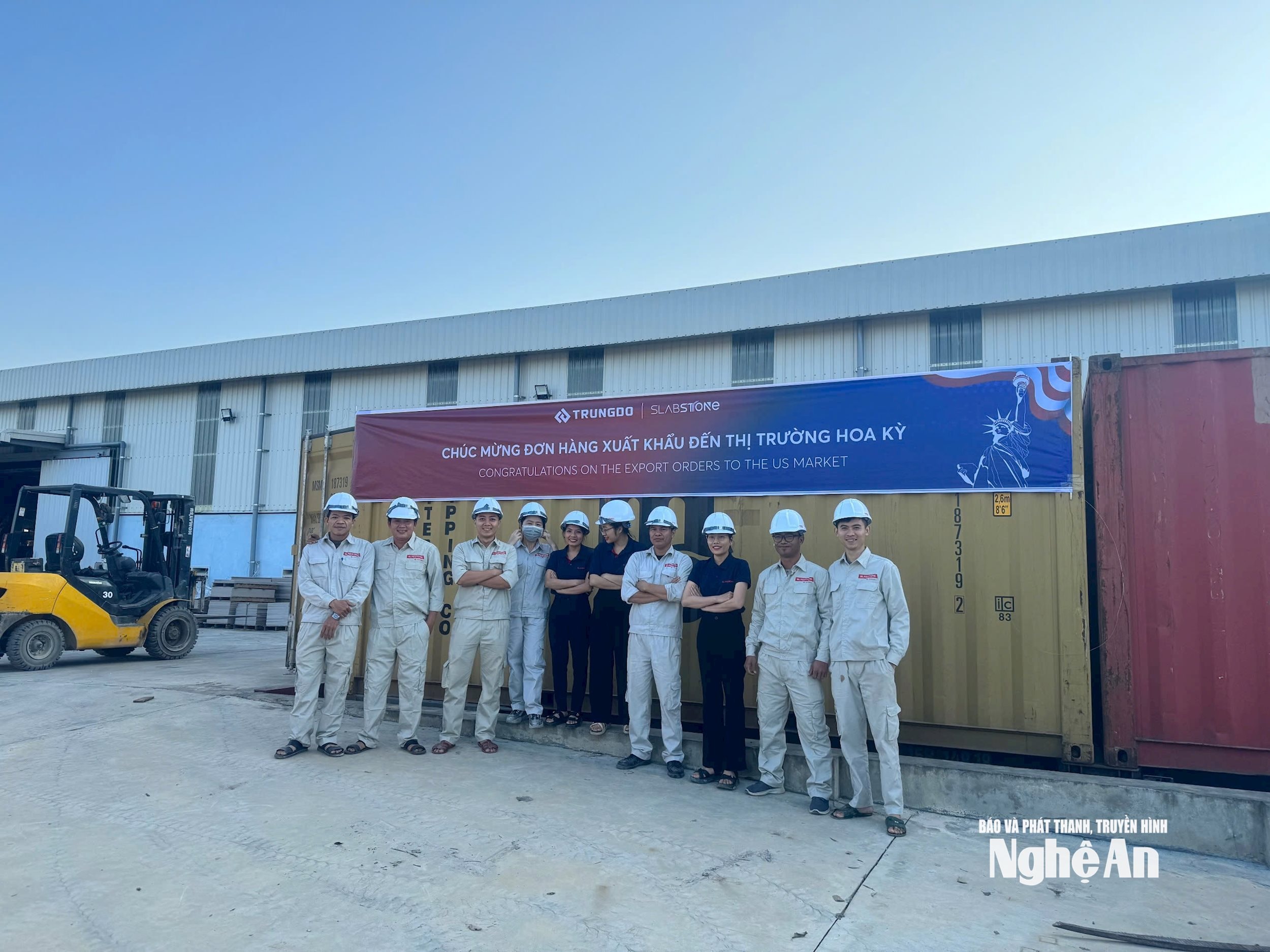
Over the years, Nghe An province has strived to attract investment from FDI enterprises, opening up opportunities to access vast international markets. By 2025, although the province's export scale remains modest, its export markets are becoming increasingly diversified, with its export products reaching over 100 countries and territories. These include many large and demanding markets such as the US, Japan, and the EU.
In addition, the market structure has undergone positive changes, significantly reducing dependence on a few major markets. This year, the Chinese market accounted for 19.5% of export turnover, the United States 19%, Southeast Asia 15%, Hong Kong 9.6%, South Korea 9.6%, Europe 7.5%, and so on.
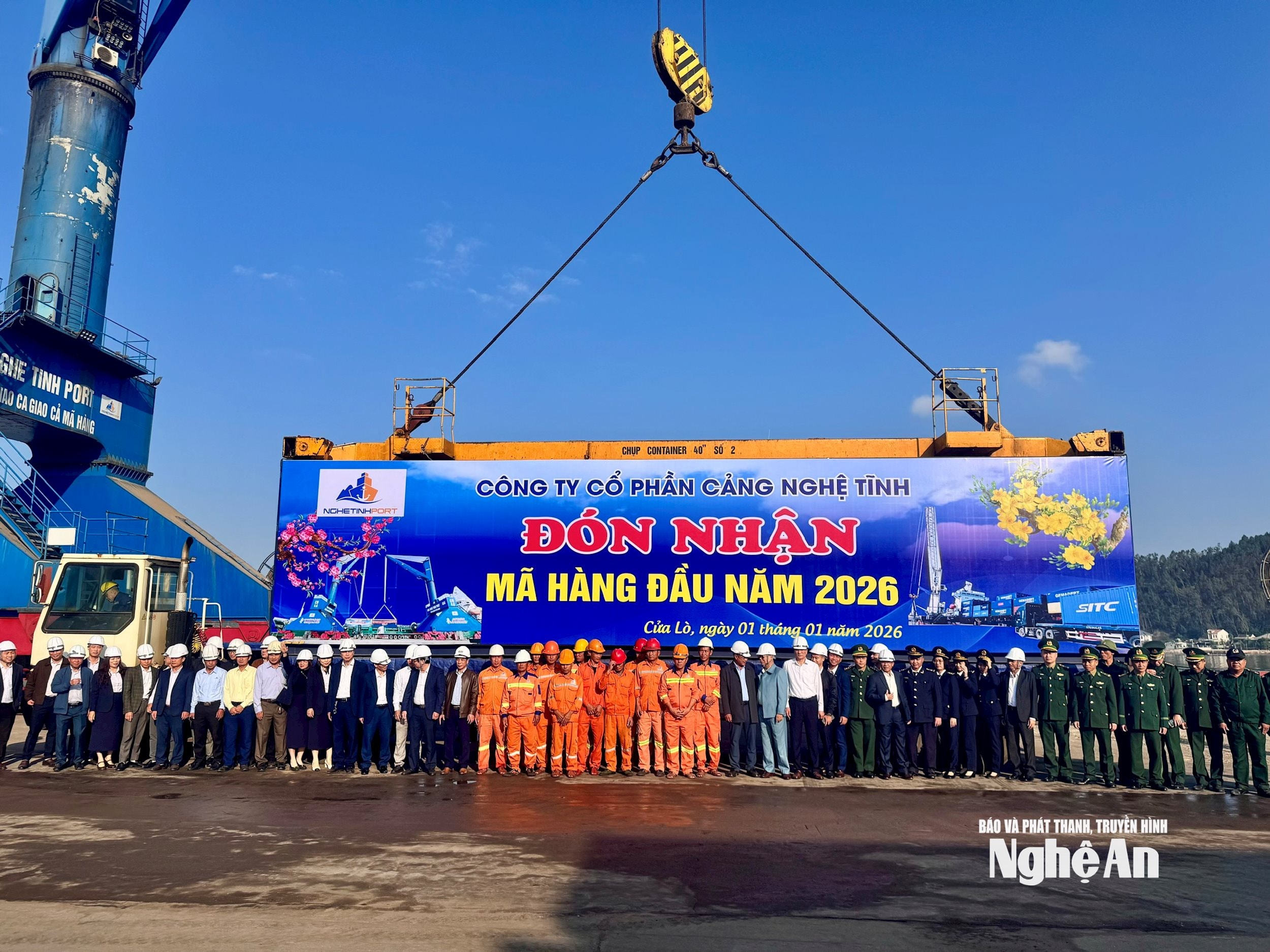
Mr. Nguyen Van Hiep, Head of the Trade Management Department of the Department of Industry and Trade, said: "These positive signals contribute to promoting production development and shifting the economic structure, especially the industrial production structure. On the other hand, this reality also shows that in recent years, stemming from the needs, requirements, and standards of the market, the production activities of various industries have undergone strong changes. The number of product categories has increased sharply from 50 items in 2020 to more than 100 items and product groups in 2025. In addition to key product groups such as construction materials, wood chips, biomass pellets, and textiles, Nghe An's 'export basket' has added many new items such as electronic components, auto parts, and footwear..."
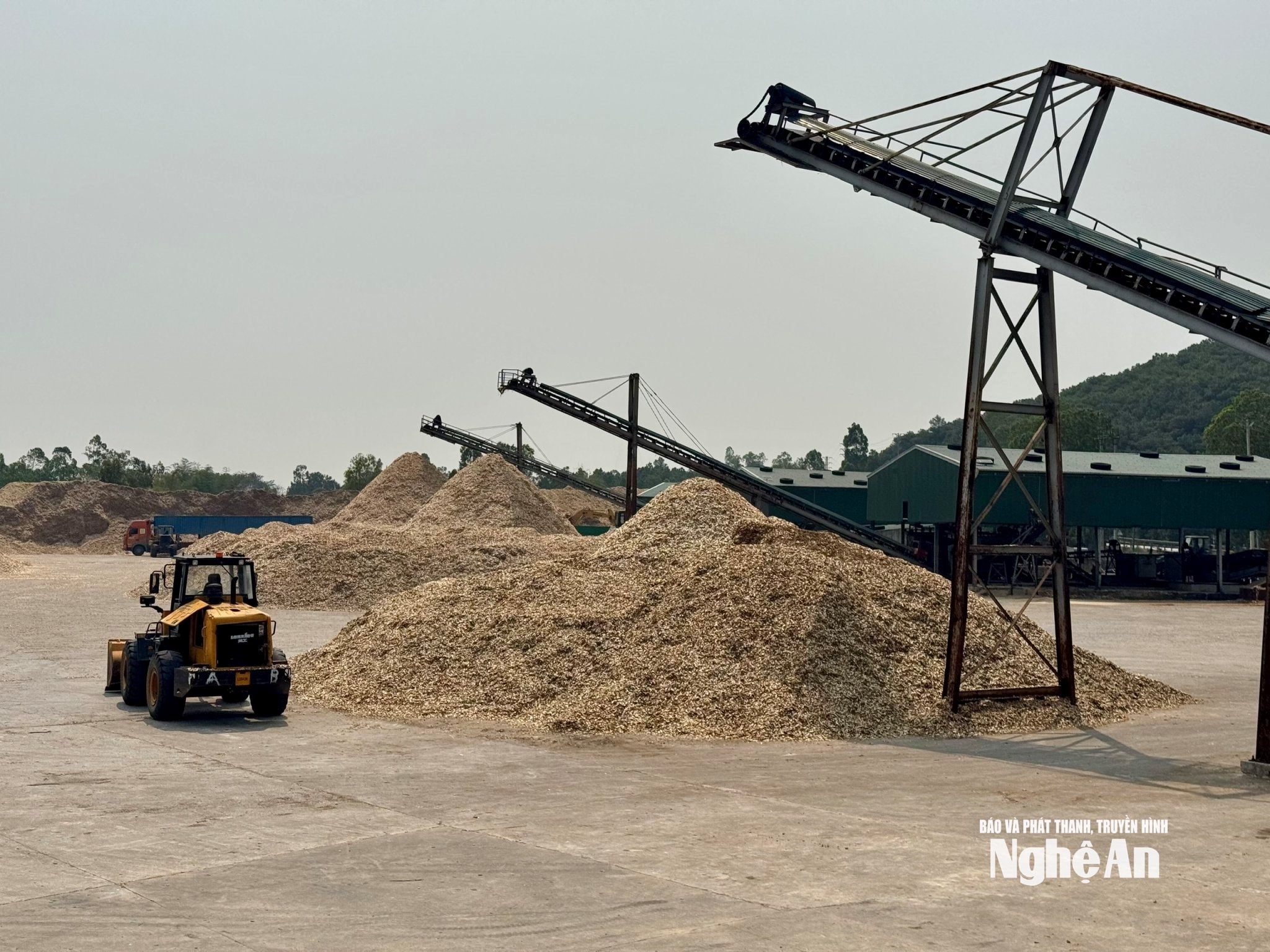
Nghe An's export product structure has undergone a significant transformation, with the export value of processed industrial goods increasing from US$1 billion in 2020 to US$3.56 billion in 2025, accounting for 89% of total export value. This trend contributes to promoting economic restructuring, increasing the proportion of deeply processed and high-tech products, and gradually reducing the export of raw materials and resource exploitation.
Many products have shifted significantly from raw to processed forms, such as minerals (stone powder, plastic additive granules, ornamental stone), wood (MDF boards, wood pellets), and agricultural products (juices, milk, medicinal herbs). As a result, several major provincial brands like TH, Nafoods, and Vilaconic have gradually established their positions in the international market. Export growth has boosted industrial production, developed logistics services, and directly contributed to the state budget through taxes and fees, creating resources for infrastructure investment and social welfare.
In 2020, budget revenue from import and export activities reached VND 1,178 billion; by 2025, it is expected to reach nearly VND 1,981 billion, an average increase of 9.7% per year, accounting for over 7% of the province's total budget revenue (VND 29,211 billion).
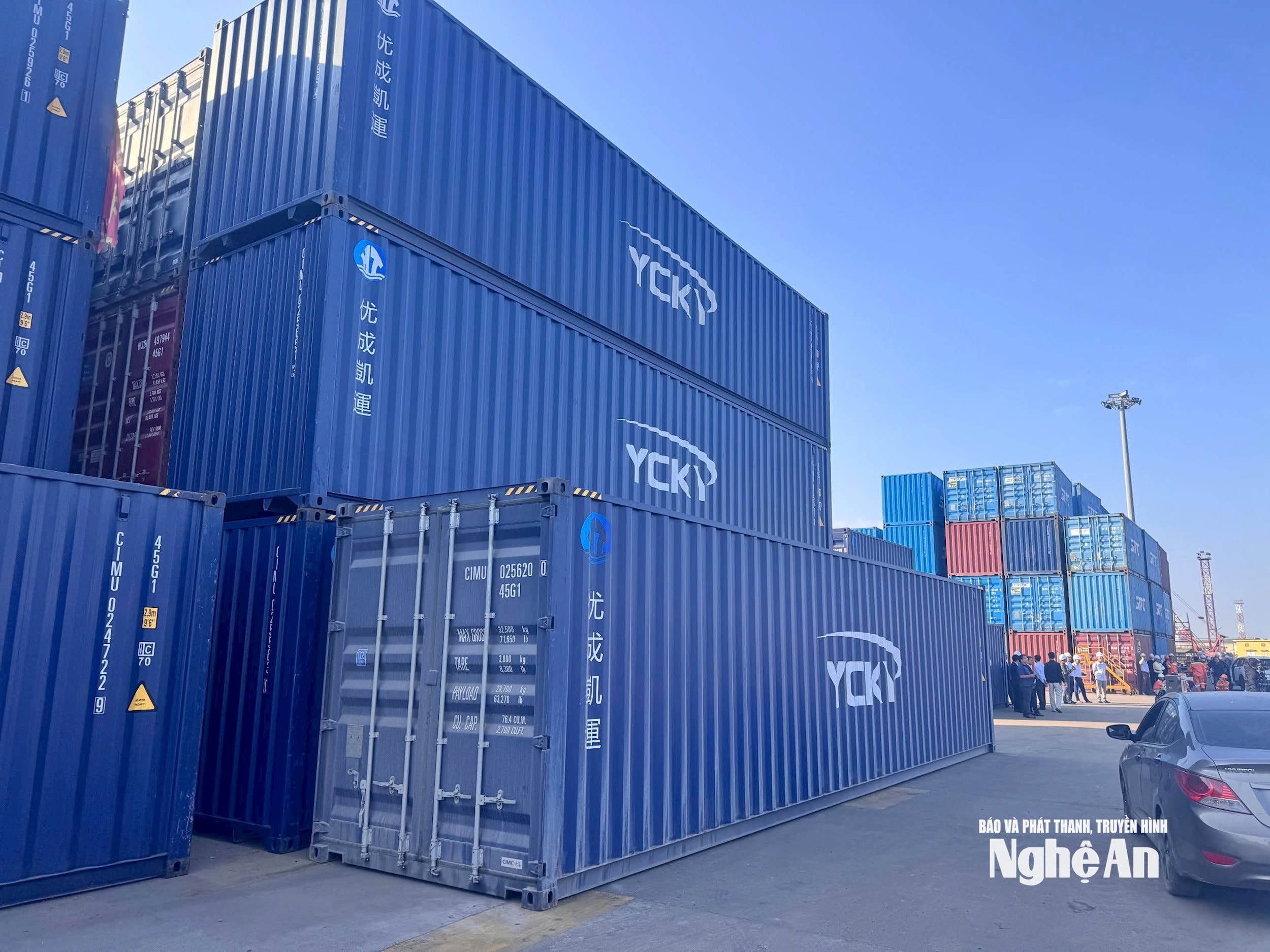
According to the Southeast Economic Zone Management Board, in 2025, thanks to increased export orders, many businesses expanded their recruitment. The Southeast Economic Zone alone will add nearly 17,000 workers, bringing the total to over 64,000, accounting for 41% of new jobs in the entire province. It is projected that by 2030, industrial parks within the economic zone will need an additional 25,000-40,000 workers.
Solutions to achieve high export targets
With its advantages, potential, and significant room for growth, Nghe An aims to achieve export revenue of 5 billion USD in 2026 and is projected to reach 9 billion USD by 2030.
These are ambitious goals, given that Nghe An province currently lacks truly large FDI enterprises investing in high value-added manufacturing sectors. The number of supporting and auxiliary businesses is limited, and no businesses are deeply involved in global supply chains. Some of the province's products have competitive advantages, but due to the small scale and weak capacity of processing and exporting businesses, direct exports are not possible; instead, exports must be done through intermediaries.
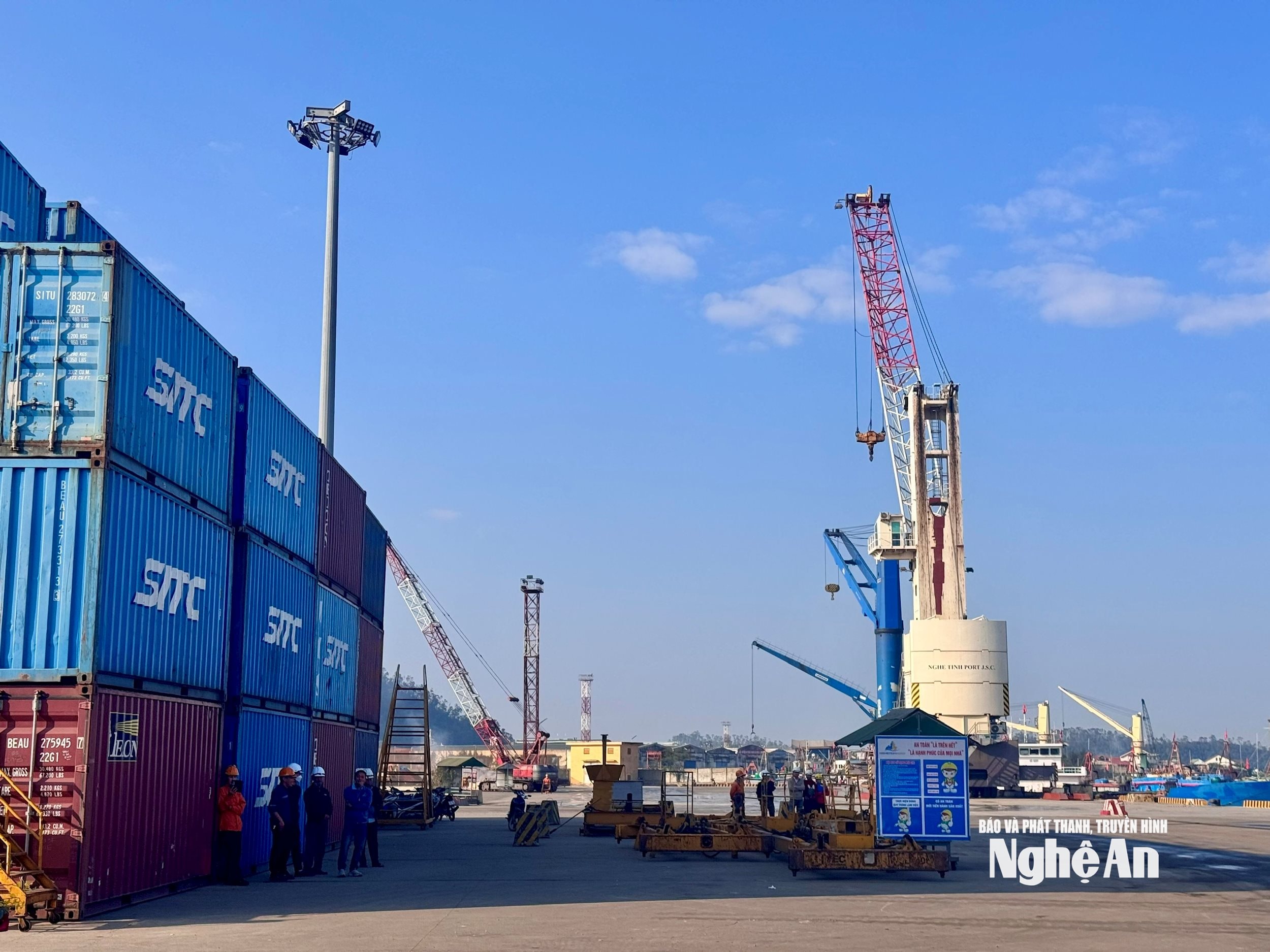
In reality, most products from FDI enterprises are still in the processing and assembly stage; the raw materials are mainly imported. The localization rate only reaches 25-40%, and the added value is concentrated in the final stage, failing to create complete products to form a domestic value chain. Local products are fragmented and have low competitiveness, especially agricultural products which do not meet the quantity, quality, and export standards.
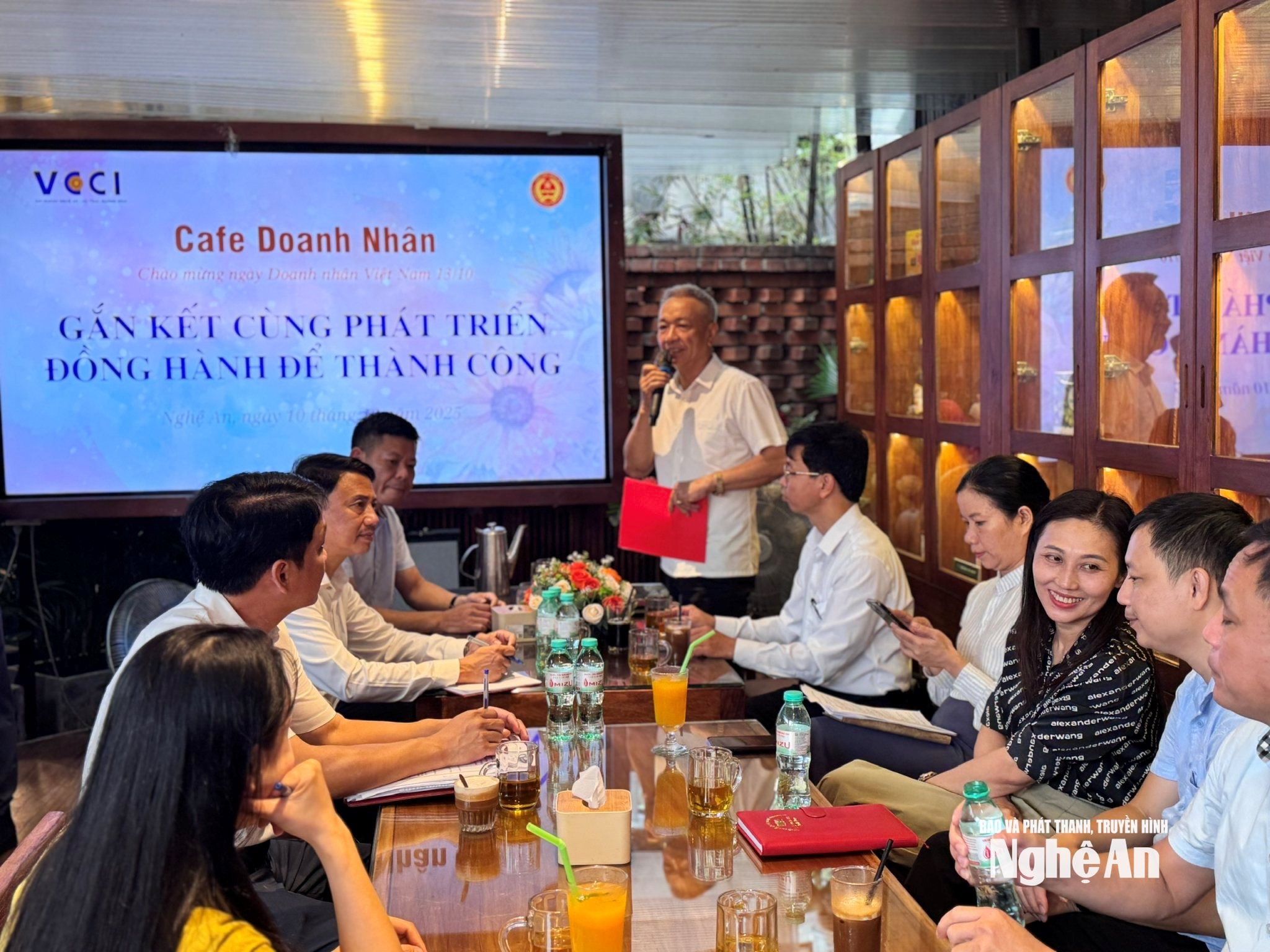
Furthermore, the workforce nationwide, and in Nghe An province in particular, participating in the production process mainly consists of low-cost labor. According to data from FDI enterprises, the proportion of unskilled labor accounts for up to 90%, while crucial stages such as research and development (R&D), design, and high-quality control are still handled by foreign companies. The proportion of trained workers with degrees and certificates is only 28.3%, which directly limits the added value of export products.
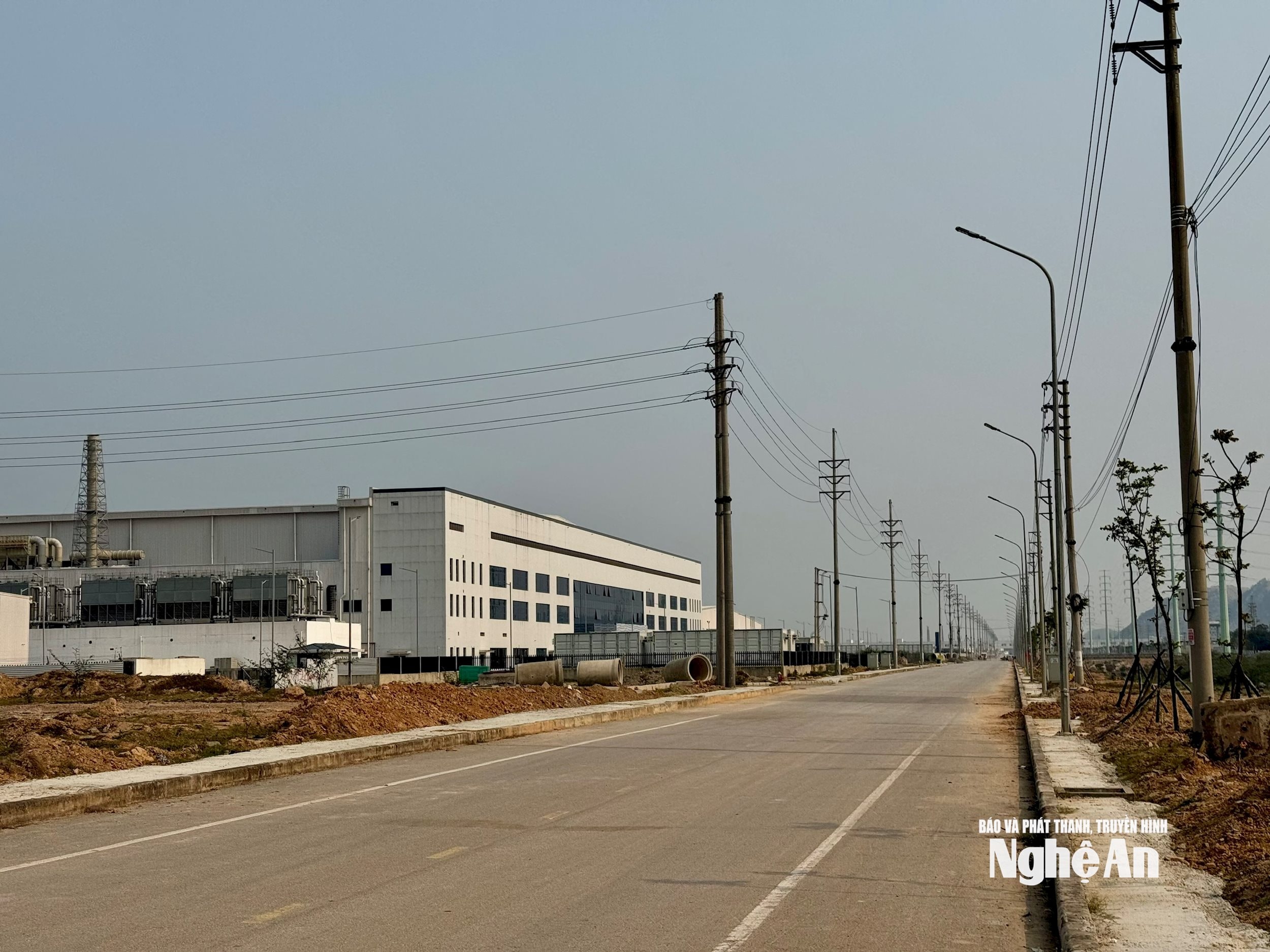
Dr. Le Duy Binh from Economica Vietnam Consulting Company believes that, with the current pace of FDI attraction, if businesses only rely on unskilled labor and do not invest in technology and technical transfer, Nghe An will find it difficult to escape the processing and assembly model; at the same time, it will not solve the problem of labor supply-demand imbalance and will struggle to participate in the global value chain sustainably.
Some international shipping companies also noted that Nghe An's export support ecosystem lacks uniformity, reducing its competitiveness and ability to attract export goods.
To achieve sustainable export growth, Nghe An needs to implement several breakthrough solutions:
Firstly, continue attracting FDI linked to the goal of expanding exports and participating in global value chains; prioritize high-tech "giants" and supporting industrial enterprises to increase the localization rate and reduce dependence on imports.
Secondly, we need to develop high-quality human resources, shifting from "cheap" labor to skilled labor, and gradually mastering technology.
Thirdly, enhance the competitiveness of businesses, develop export markets and brands; promote science and technology, digital transformation, and clean production; effectively utilize new-generation FTAs and build brands for key products according to green and sustainable standards.

Fourth, improve logistics infrastructure to serve exports. At a workshop to provide feedback on the plan to develop Nghe An into a logistics service center in the North Central region, consulting experts affirmed that logistics is a pillar in the product value chain. Along with investing in the Cua Lo deep-water port and upgrading Vinh International Airport, the province needs to focus its efforts on developing transportation infrastructure and seaports connecting industrial zones and economic regions to international standards.
With its potential, advantages, and determination to act, Nghe An has the foundation to build sustainable growth, aiming to achieve its export targets for the 2026-2030 period.


