
Nghe An promotes the cultural values of ethnic minorities in conjunction with tourism development.
In 2025, many activities to preserve and transmit traditional culture will continue to be widely implemented in the mountainous areas of Nghe An province, creating a new turning point in the implementation of Project 6 under the National Target Program for socio-economic development in ethnic minority and mountainous areas.
The vitality of training courses
In late August 2025, the grounds of the Nghe An Traditional Arts Center were filled with the sounds of drums, gongs, and cheers from the Tho ethnic people from communes in the former districts of Quy Hop, Nghia Dan, and Tan Ky. Over 50 students of various ages participated in a folk performing arts training course, one of the year's key activities aimed at reviving community life and nurturing the next generation. The focused practice of the elderly artisans, mixed with the enthusiasm of the young people, transformed the class into a special cultural space where memories, knowledge, and traditional values were directly passed on.
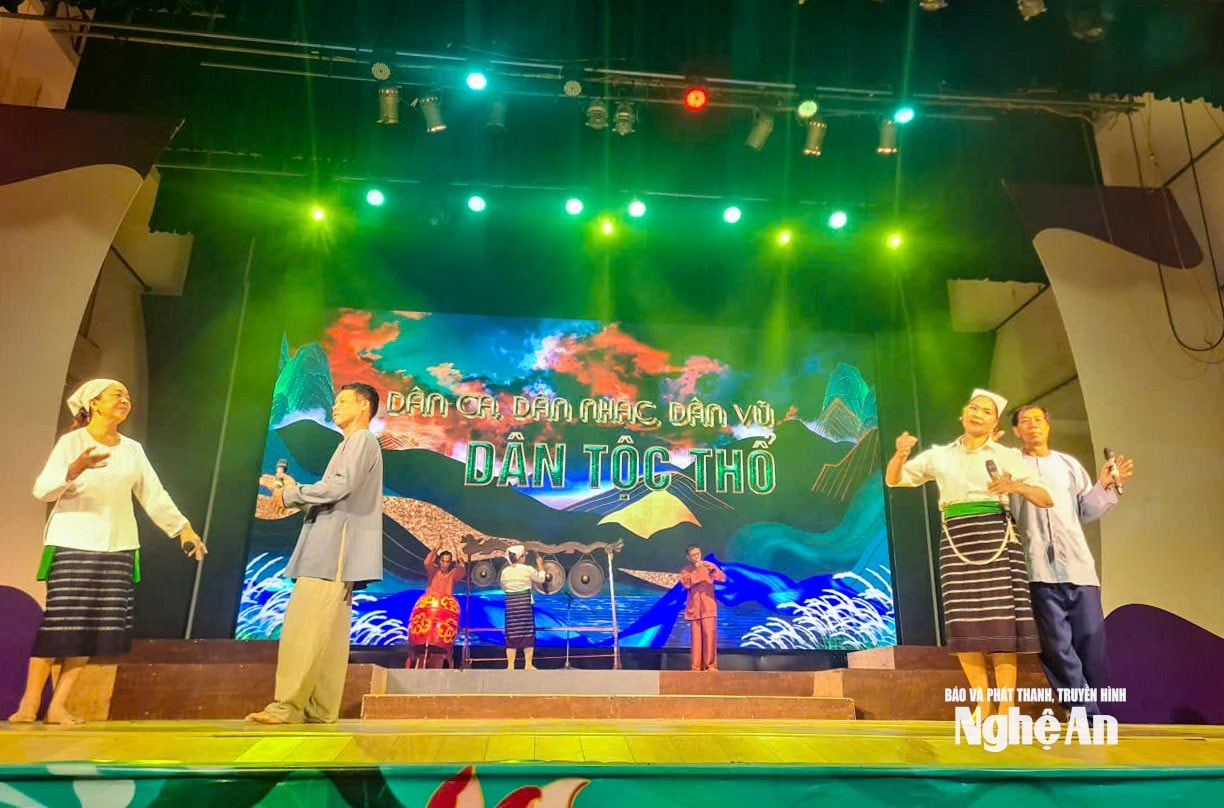
Ms. Truong Thi Anh, a member of the Tho ethnic folk song club in Dot Va hamlet, Tam Hop commune, shared that she was deeply moved to be able to relearn the dances and songs of her ethnic group. She found it very meaningful and felt even more love for her family, homeland, and traditional cultural values.
Ms. Quach Thi Cuong - Deputy DirectorDepartment of Culture, Sports and TourismThe assessment is that the students' enthusiasm is a positive sign, indicating that many movements and songs that seemed to have been forgotten have been fully and accurately restored through the course. This is not only a technical effort but also reflects the community's appreciation for the heritage left by their ancestors. This opens up prospects for the melodies and performances of the Tho people to be included in cultural tourism tours, contributing to creating a unique highlight for the mountainous region of Nghe An.
Following a training course for the Tho ethnic community, from September 17-19, Van Mon village in Nga My commune once again became the destination for lecturers and artisans participating in a training program on preserving intangible cultural heritage for the O Du people. As one of the smallest ethnic groups in Nghe An province, the O Du culture has long faced the risk of extinction. The training course attracted nearly 70 participants, many of whom were elderly people over 60 years old who still made an effort to attend. Ancient songs, musical instrument playing techniques, wedding customs, village rituals, and folk knowledge were taught systematically and with great dedication.
Mr. Tran Manh Hung, Deputy Director of the Department of Ethnic Cultures, stated that the training course not only helps restore cultural practices but also helps people master preservation methods. Each trainee is guided on how to record, film, and archive materials so that they can continue this work independently after the course ends. The community must be the main subject of preservation in order to safeguard long-term values.
In addition, every year, during the evaluation of provincial-level cultural models, ethnic minority art clubs in highland areas also receive guidance from the Provincial Cultural Center on program editing skills, performance revision, drum and gong practice, and folk dance training.
Ms. Lu Thi Anh Tuyet, head of the folk song club in Bong village, Thanh Binh Tho commune, said that whenever a training group comes to the village, the villagers gather in large numbers. Many young people who previously participated little in community activities are now more interested in learning directly from artisans and professional staff.
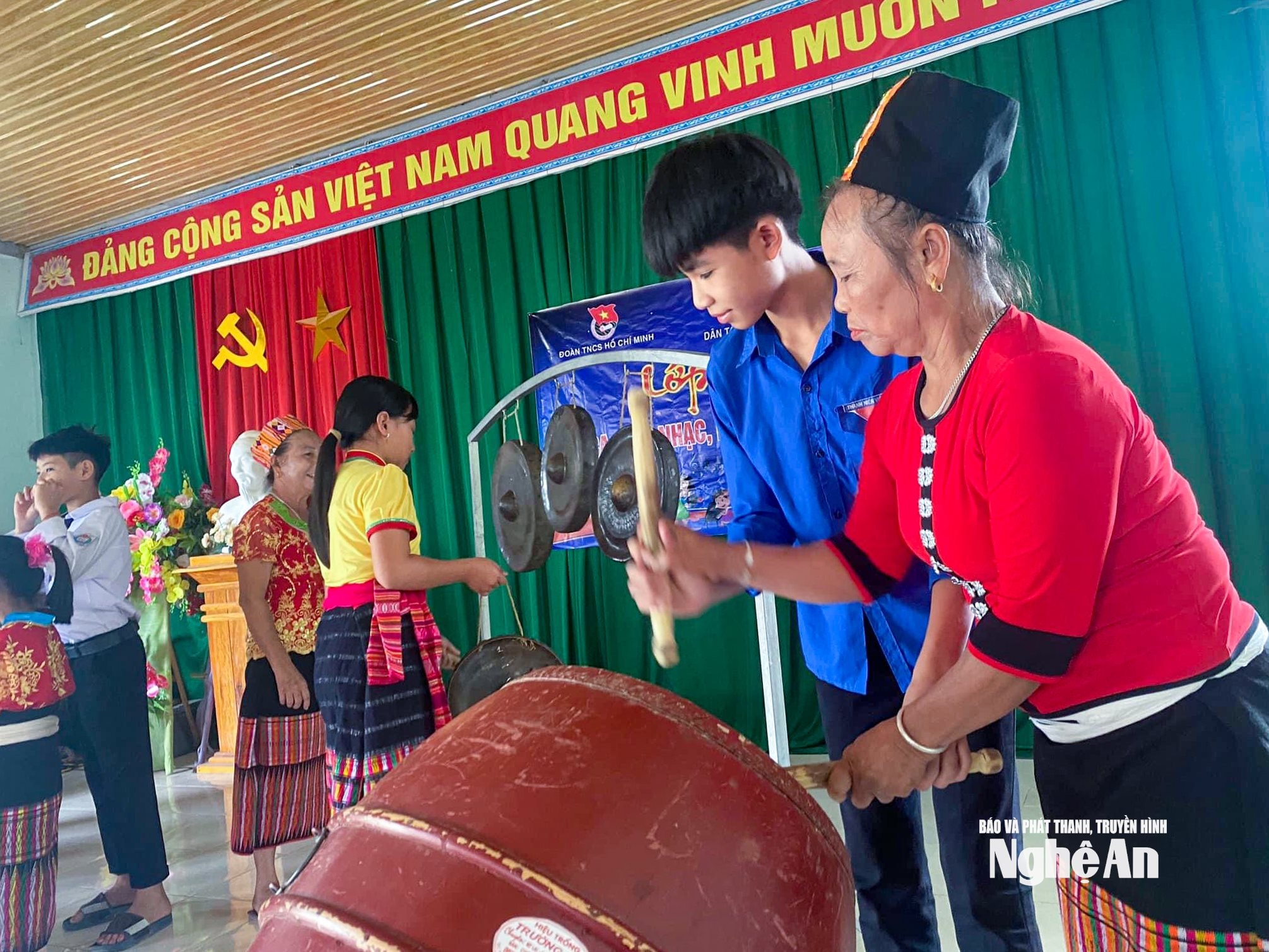
From the traditional classes of the Tho and Thai ethnic groups to the cultural transmission sessions of the O Du people, the vibrant cultural energy is thriving in many mountainous areas of Nghe An province. This also forms an important foundation for the locality to develop community-based tourism products that preserve the local identity while still meeting the experiential needs of tourists.
Overcoming obstacles to maximize effectiveness
Implementing Project 6 "Preserving and promoting the fine traditional cultural values of ethnic minorities associated with tourism development" under the National Target Program for socio-economic development of ethnic minority and mountainous areas giai đoạn 2021-2025, Nghe An aims to sustainably preserve traditional cultural values while harmoniously exploiting them for tourism development.
In implementing the project, the Department of Culture, Sports and Tourism supported the maintenance of 55 folk culture clubs, 55 traditional performing arts groups, and 50 community libraries in ethnic minority areas. In addition, the Department of Culture, Sports and Tourism provided equipment for 228 village cultural centers and supported 5 training courses on professional skills and the transmission of intangible cultural heritage.
In addition, two projects have been implemented: the Project for Preserving and Promoting Traditional Cultural Values in Hoa Tien Village, Chau Tien Commune, and the Project for Restoring, Renovating, and Promoting the Value of the Vi Van Khang House historical site in Mon Son Commune.
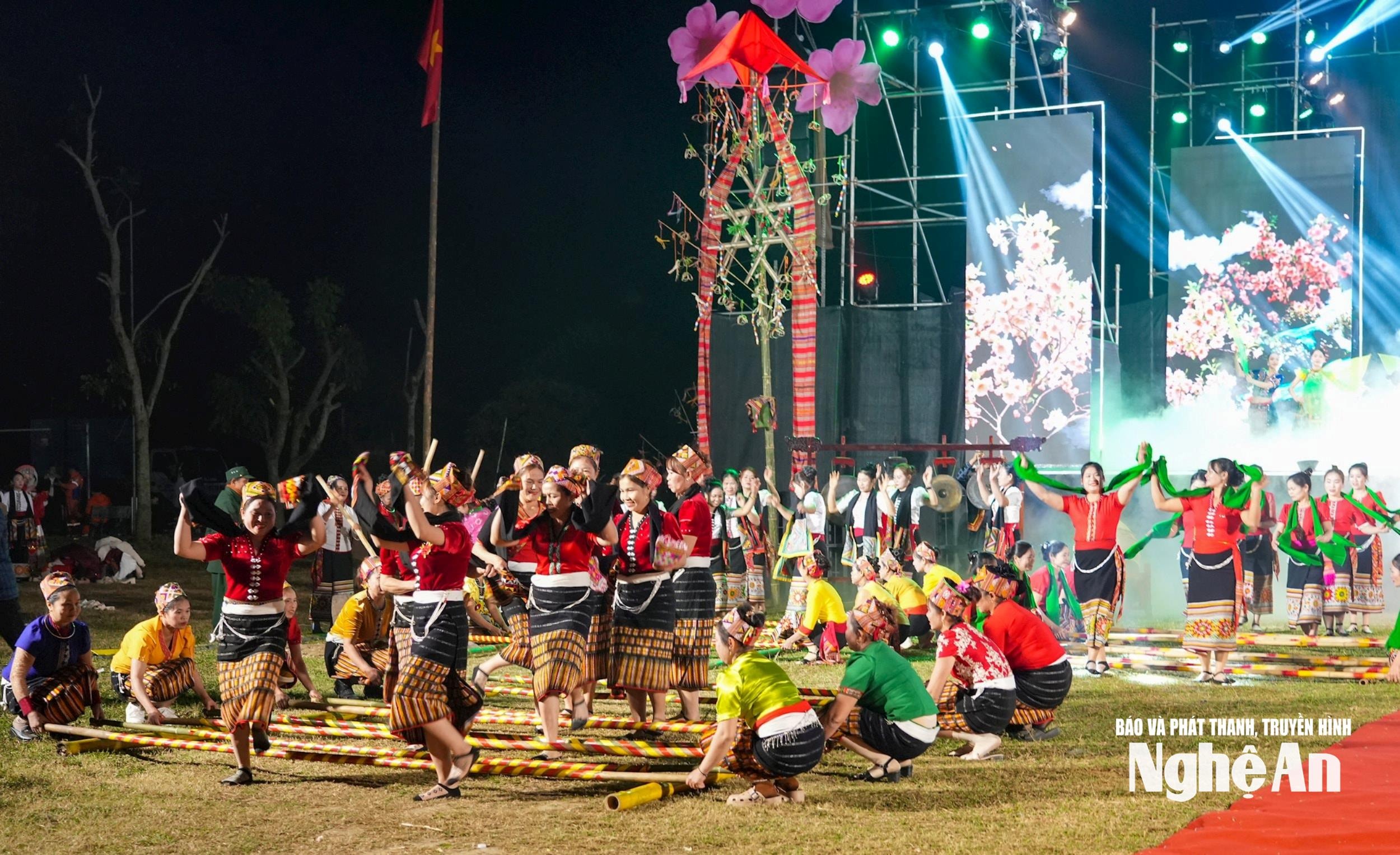
In addition, the Department of Culture and Sports also presides over many large-scale cultural festivals and events such as the Day of Vietnamese Ethnic Cultures, the "Spring Colors of the Western Region" festival, and organizes art troupes to participate in the National Ethnic Culture Festival organized by the Ministry of Culture, Sports and Tourism. Many mountainous localities also implement the model of village cultural days, organizing activities to recreate traditional life such as weaving brocade, pounding rice, crafting musical instruments, performing folk songs and dances… Organizing these events in the living spaces of the local people helps tourists have a more authentic experience, while also creating opportunities for the people to clearly understand the value of their own culture.
However, according to the Department of Culture, Sports and Tourism, the implementation of projects and programs still faces many difficulties. Some local Party committees and authorities have not fully recognized the role of culture in socio-economic development, resulting in limited leadership, guidance, and resource investment. The province's funding for the preservation of ethnic minority cultures still does not meet practical needs; many village cultural centers are dilapidated and lack equipment; cultural preservation models are still largely spontaneous, lacking depth and failing to create distinctive products attractive enough to be linked with tourism.
These difficulties became even more apparent when, from July 1, 2025, Nghe An province ceased to have district-level government structures. The process of personnel transfers and reorganization led to the temporary disruption of some cultural activities, especially during the transition period. Communes, which previously had few dedicated officials, now have to take on more responsibilities themselves, from managing performing arts groups to evaluating festival organization dossiers. Mr. Nguyen Nam Giang, a cultural officer in Mon Son commune, said that previously, the commune always received regular support from the district in terms of expertise and periodic inspections. Now, with the change in responsibilities, the commune has to be much more proactive.

With the concerted efforts of all levels and sectors, and especially the active participation of the community, the culture of ethnic minorities in Nghe An is gradually and strongly reviving. Project 6 is not only a conservation task but also a sustainable development strategy for the mountainous areas of Nghe An. When culture is placed in its proper position, identity will become a strength and tourism will become an opportunity, contributing to the increasingly prosperous lives of the people. However, for Project 6 to achieve sustainable effectiveness, it is necessary to build support mechanisms that are appropriate to the specific characteristics of each ethnic group and each locality. In addition, there needs to be a direction to attract businesses to invest in cultural tourism in the highland areas, creating linkages between accommodation services, cuisine, and cultural experiences.
Ms. Tran Thi My Hanh - Director of the Department of Culture, Sports and Tourism


