
Nghe An province approves the Project for Construction, Repair, Renovation, and Upgrading of Commune-level Office Buildings and Public Housing, with a total budget of 577 billion VND.
The plan prioritizes the renovation, repair, and utilization of existing structures; new construction is only permitted when absolutely necessary; ensuring economy and efficiency, avoiding scattered investments; and aligning with the long-term planning orientation of the commune.
The Provincial People's Committee has just issued Decision No. 1477/QD-UBND approving the Project "Construction, repair, renovation and upgrading of working offices and official residences at the commune level in the province (2026-2027 period)".
Accordingly, the scope of application ofProjectThis includes the commune's administrative headquarters: Party Committee, People's Council, People's Committee, Fatherland Front, and other commune-level organizations; and official residences for: officials, civil servants, and public employees who do not own their own homes or whose homes are located at least 10 km or more by road from their workplace (including the main office, branch, or representative office of the agency or organization) in mountainous, remote, and economically disadvantaged areas, and border areas, and at least 30 km or more in other areas. It also includes supporting technical infrastructure (yard, fence, electricity, water, etc.) for new headquarters investments.
Prioritize the renovation, repair, and utilization of existing structures; only construct new buildings when absolutely necessary; ensure efficiency and cost-effectiveness, avoid scattered investments; and align with the long-term planning orientation of the commune.
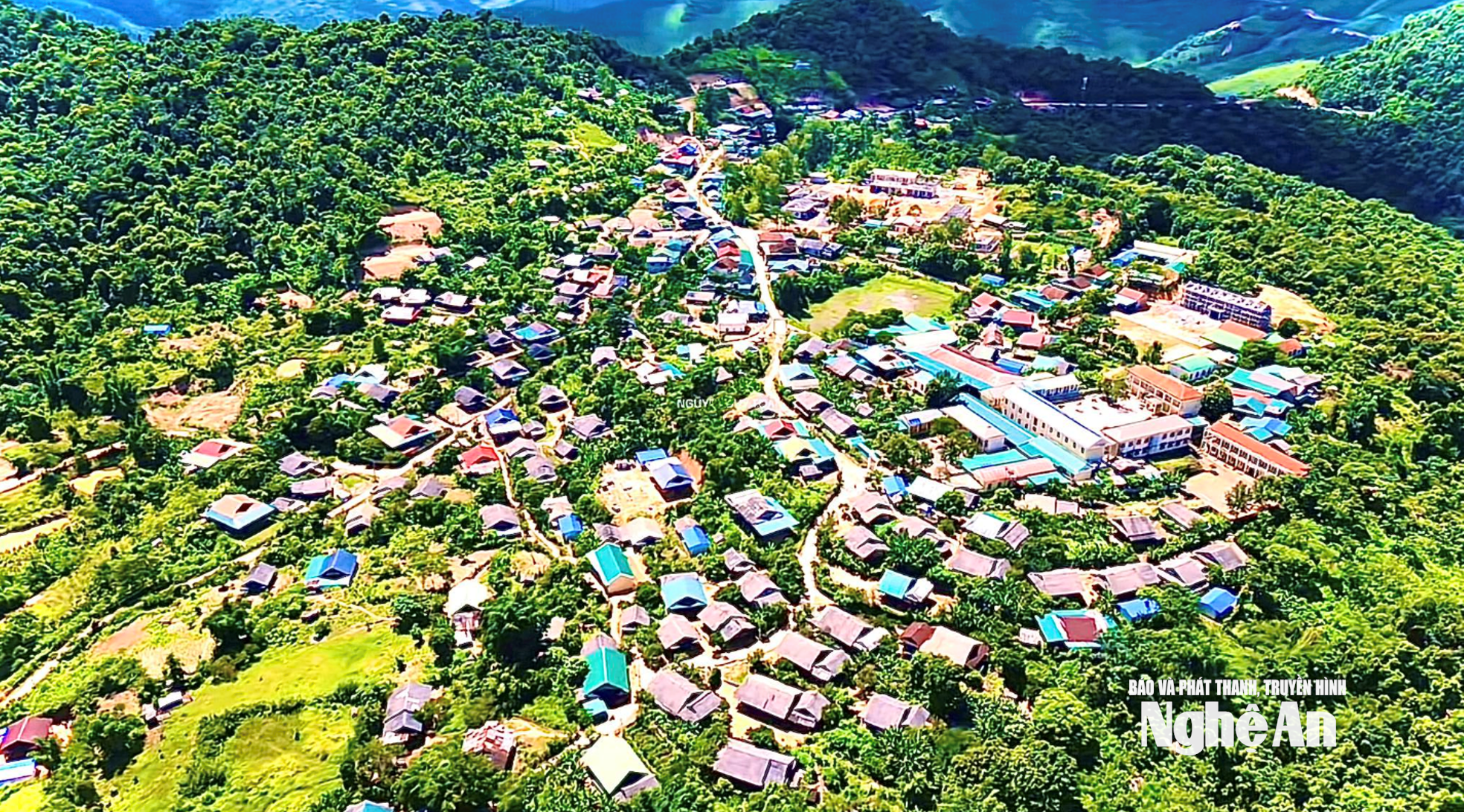
The main content of the Project is to propose some immediate solutions to support funding for communes to build additional office buildings (to fill the remaining space) and to renovate and repair existing ones to improve working conditions, archives, public administrative service centers, public service delivery centers, project management boards, and to build some official residences (for communes in particular need).
The proposal to build new commune administrative centers has not yet been considered (except for some special communes that no longer have enough land to build additional offices and are therefore required to build new headquarters for the People's Committee and People's Council); the construction of new meeting halls, fences, guard houses, work equipment, auxiliary facilities, and technical infrastructure has not yet been considered.
Based on natural conditions, topography, and transportation; the level of difficulty according to the mountainous, midland, and plain regions; the current state of office buildings and the extent of infrastructure shortages after administrative unit reorganization; and the reality of having to arrange scattered, temporary, and multiple office locations, the project to review and classify communes in the province is categorized into 4 groups in the following order of priority:
Group 1- The particularly disadvantaged mountainous area includes 43 communes: Tam Quang, Tam Thai, Nam Can, Na Loi, Muong Tip, Na Ngoi, My Ly, Bac Ly, Keng Du, Son Lam, Chau Khe, Mon Son, Tien Phong, Thong Thu, Nhon Mai, Tri Le, Nga My, Yen Hoa, Yen Na, Luong Minh, Huu Kiem, Chieu Luu, Huoi Tu, Muong Long, Binh Chuan, Mau Thach, Chau Binh, Hung Chan, Huu Khuong, Tam Hop, Chau Hong, Muong Ham, Muong Chong, Minh Hop, Nghia Tho, Quynh Thang, Thanh Binh Tho, Nghia Hanh, Tien Dong, Giai Xuan, Chau Loc, Dong Hieu, Muong Quang, with a total budget of 368.5 billion VND.
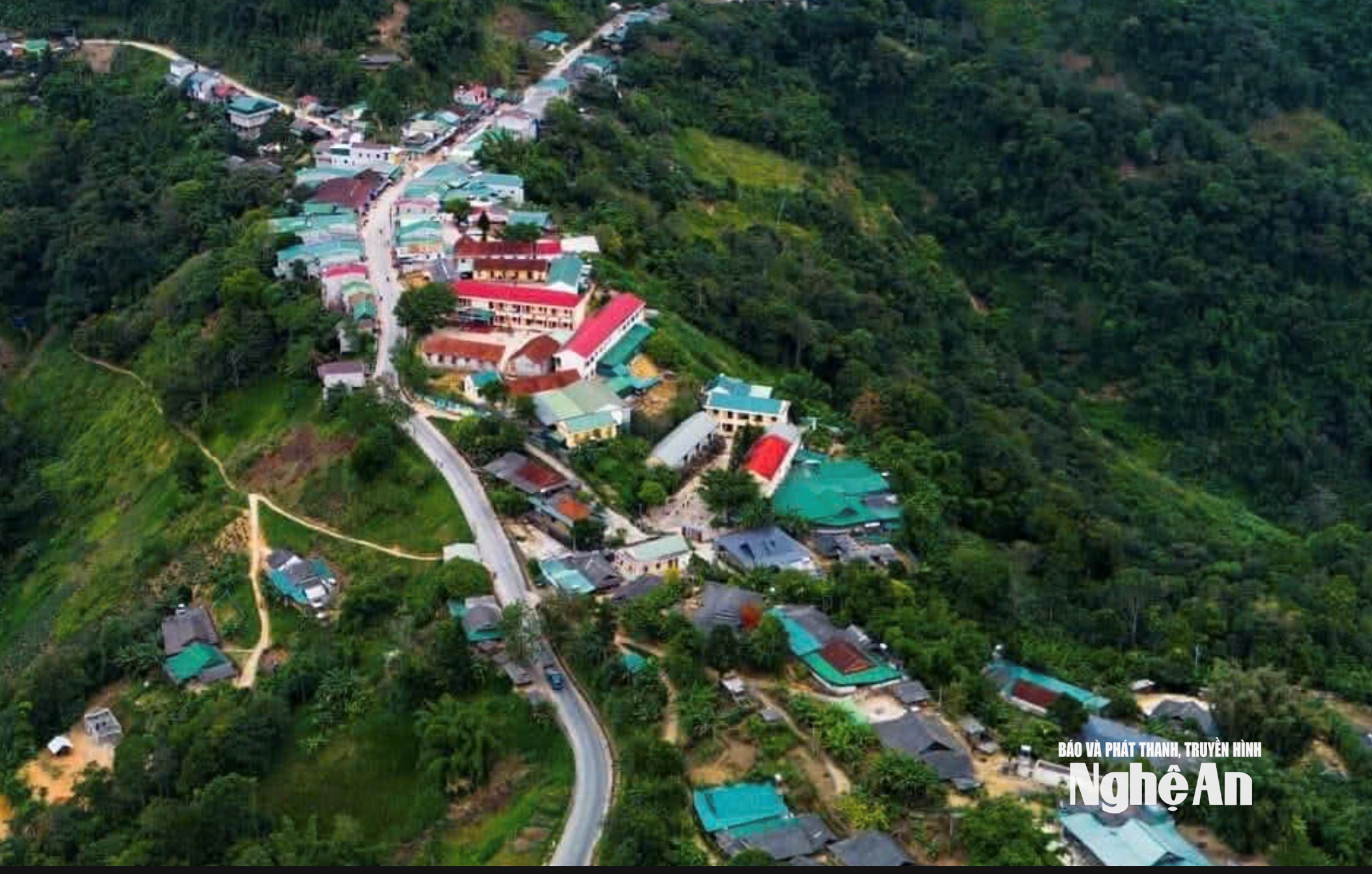
These are communes located in high mountainous areas, remote regions, and border areas, where transportation conditions are extremely difficult, office facilities are severely lacking, and agencies often have to operate in multiple locations, with temporary arrangements in place. There is no official housing available, and land conditions are challenging. The highest priority should be given to considering the construction of new facilities or comprehensive renovations, including the construction of official residences.
Group 2- Difficult mountainous areas, including 22 communes: Kim Bang, Hanh Lam, Nghia Dong, Nghia Loc, Nghia Khanh, Nghia Hung, Nghia Mai, Tay Hieu, Quynh Tam, Nhan Hoa, Vinh Tuong, Anh Son Dong, Yen Xuan, Cat Ngan, Tam Dong, Hoa Quan, Bich Hao, Xuan Lam, Tan An, Tan Ky, Tan Phu, Van Du, with a total budget of 126 billion VND.
These are mountainous communes, but with conditions lower than Group 1; they have offices, but they are small, dilapidated, do not meet the staffing requirements after reorganization, lack functional rooms, lack official housing, and some communes have difficult land conditions. High priority is given to constructing additional office space to fill the shortage and repairing, renovating, and expanding existing buildings.
Group 3- The midland and lowland areas, including 23 communes: Quỳnh Sơn, Quỳnh Văn, Quỳnh Anh, Hải Châu, Đức Châu, Diễn Châu, An Châu, Đông Thành, Bình Minh, Vân Tụ, Quang Đồng, Thuần Trung, Bạch Hà, Văn Hiến, Bạch Ngọc, Kim Liên, Nam Đàn, Văn Kiều, Phúc Lộc, Thần Lĩnh, Hải Lộc, Yên Trung, Lam Thành, Hợp Minh, with a total budget of 82.5 billion VND. These communes are located in the transitional zone between mountainous and lowland areas; transportation conditions are relatively favorable; they have office buildings but they are not standardized, lack space, and lack functional rooms. Average priority will be given to renovating, upgrading, and reorganizing office buildings, and adding some facilities.
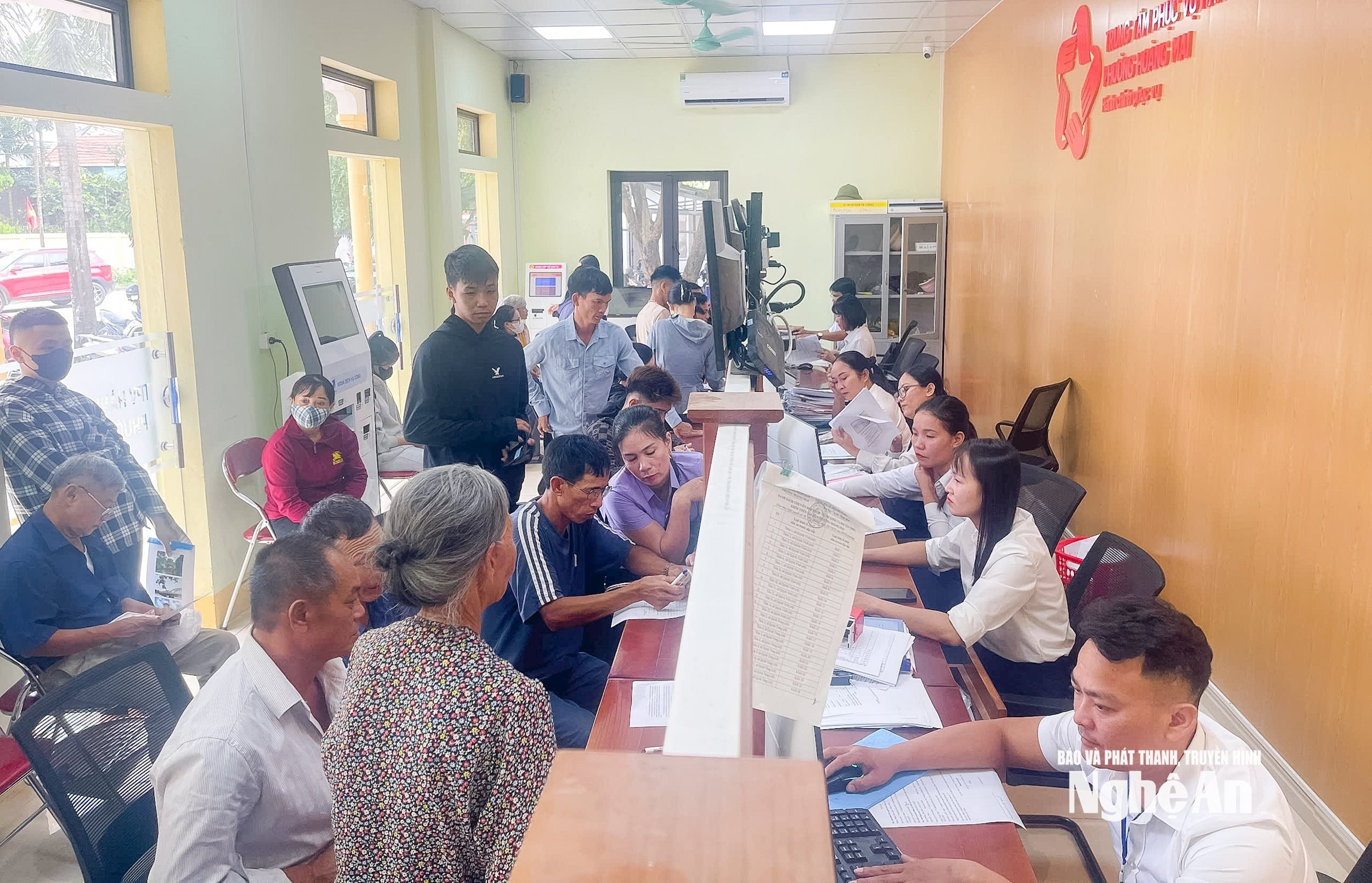
Group 4- The remaining area comprises 42 communes and wards: Quỳ Hợp, Nghĩa Đàn, Thái Hòa, Tân Mai, Hoàng Mai, Quỳnh Mai, Quỳnh Lưu, Quỳnh Phú, Hùng Châu, Quảng Châu, Minh Châu, Tân Châu, Giai Lạc, Yên Thành, Quan Thành, Hưng Nguyên Nam, Đại Huệ, Đại Đồng, Đô Lương, Nghi Lộc, Vạn An, Thiên Nhẫn, Anh Sơn, Hưng Nguyên, Trung Lộc, Quảng Châu, Đông Lộc, Trường Vinh, Vinh Phú, Thành Vinh, Vinh Hưng, Vinh Lộc, Cửa Lò, Tương Dương, Mường Xén, Quế Phong, Quỳ Châu, Lương Sơn, Cam Phục, Châu Tiến, Lam Thành, Quỳnh Sơn, Nghĩa Lâm. These communes have favorable socio-economic conditions; complete basic infrastructure; and many are using old district-level headquarters or standard-compliant headquarters. Low priority is given to maintenance, minor repairs, and long-term stable use.
The total investment for the project is approximately 577.0 billion VND.
The Provincial People's Committee assigns the Department of Construction as the lead agency to coordinate with the Department of Finance and the People's Committees of relevant wards and communes to organize the implementation of the Project according to regulations; and assigns the relevant agencies and units mentioned in the Project to proactively develop specific plans and organize implementation.
Regarding the implementation schedule, from Q2/2026 to Q1/2027: Organize and implement investment and construction, complete and put into operation and use.


