
Nghe An tightens measures to prevent and control livestock and poultry diseases amidst complex developments.
Since the beginning of 2025, Nghe An province has experienced numerous outbreaks of dangerous diseases in livestock, particularly African swine fever. In response to this situation, the People's Committee of Nghe An province has issued an urgent directive requiring all relevant levels and sectors to focus intensely on disease prevention and control, and to prevent widespread transmission.
The epidemic has re-emerged in many places.
According to reports from the veterinary sector, diseases such as African swine fever, foot-and-mouth disease, avian influenza, and rabies are developing in a very complex manner. African swine fever, in particular, has occurred in many wards and communes, causing significant losses to livestock farmers. Many localities such as Anh Son, Dai Dong, Yen Xuan, Tam Dong... have recorded a large number of infected pigs that had to be culled.
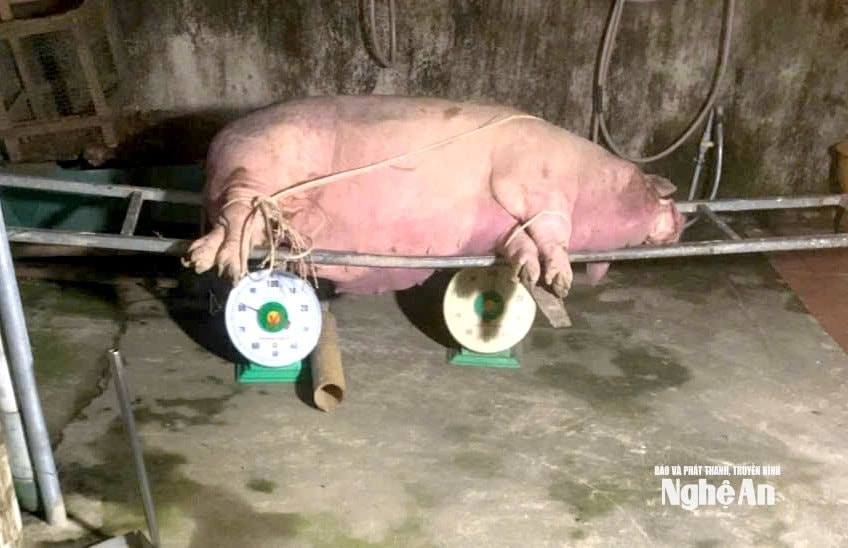
In Hoa Quan commune (formerly part of Thanh Chuong district), African swine fever has been spreading rapidly since the beginning of July. The outbreak has forced the local authorities to cull over 1,000 pigs belonging to 126 households, with some households having to destroy entire herds of hundreds of pigs. Local authorities have struggled to implement disease prevention and control measures, but have yet to bring the outbreak under control.
In many other localities, the practice of people discarding dead pigs into the environment, such as in Minh Chau and Quang Chau communes (formerly Dien Chau district), creates a breeding ground for disease that spreads widely. This situation causes considerable concern and worry among livestock farmers.
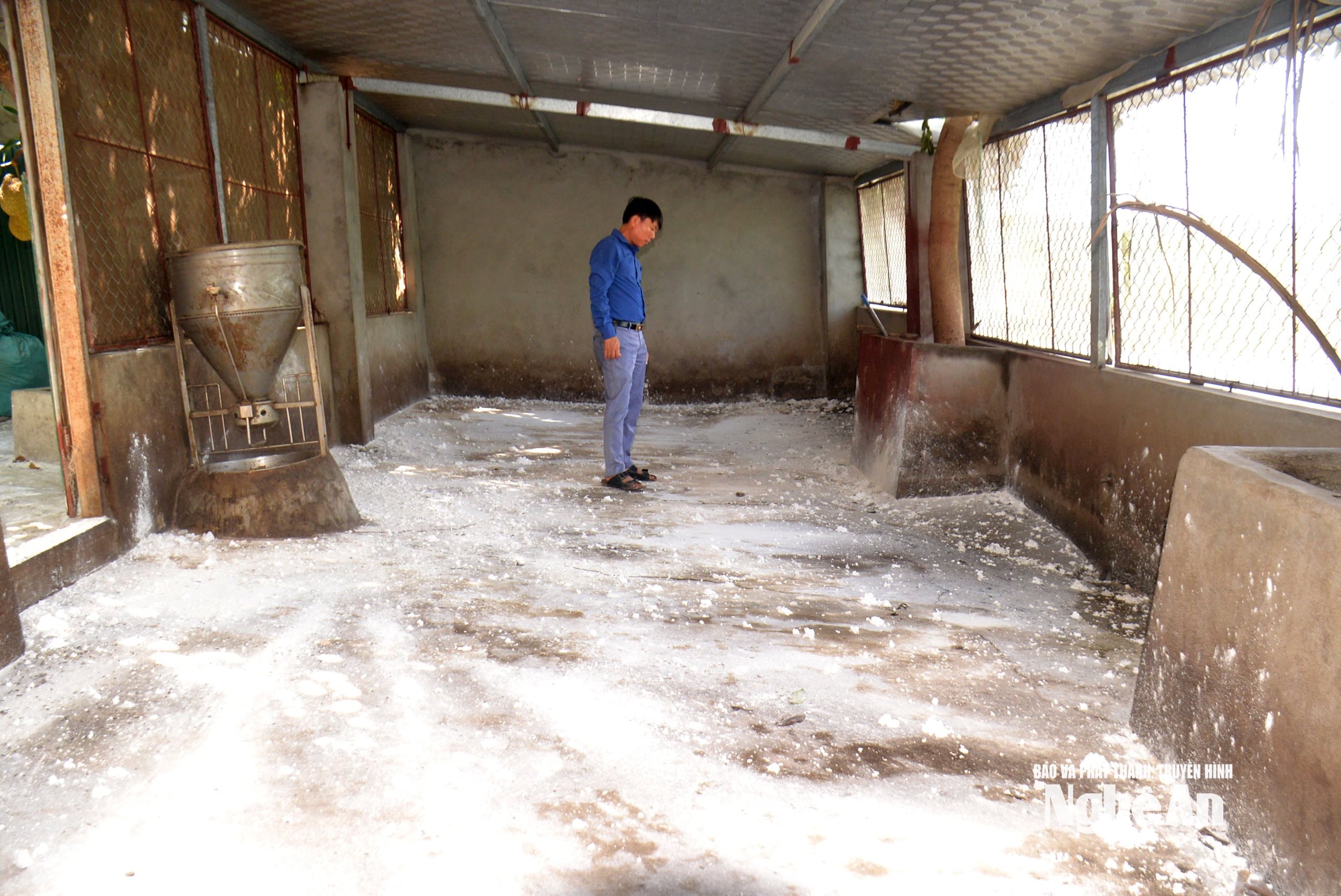
The main reasons for the severe outbreak were identified as the continued prevalence of small-scale livestock farming, the failure of some localities to fully implement disease prevention measures, limited public awareness, erratic weather, and low vaccination rates. These factors increased the risk of disease spread and re-emergence.
The Chairpersons of the People's Committees of communes and wards are responsible to the Chairperson of the Provincial People's Committee if an outbreak of disease occurs.
In response to this situation, on July 15th, the People's Committee of Nghe An province issued urgent dispatch No. 20/CĐ-UBND, requesting relevant levels and sectors to focus intensely on disease prevention and control, and to prevent the risk of widespread transmission.
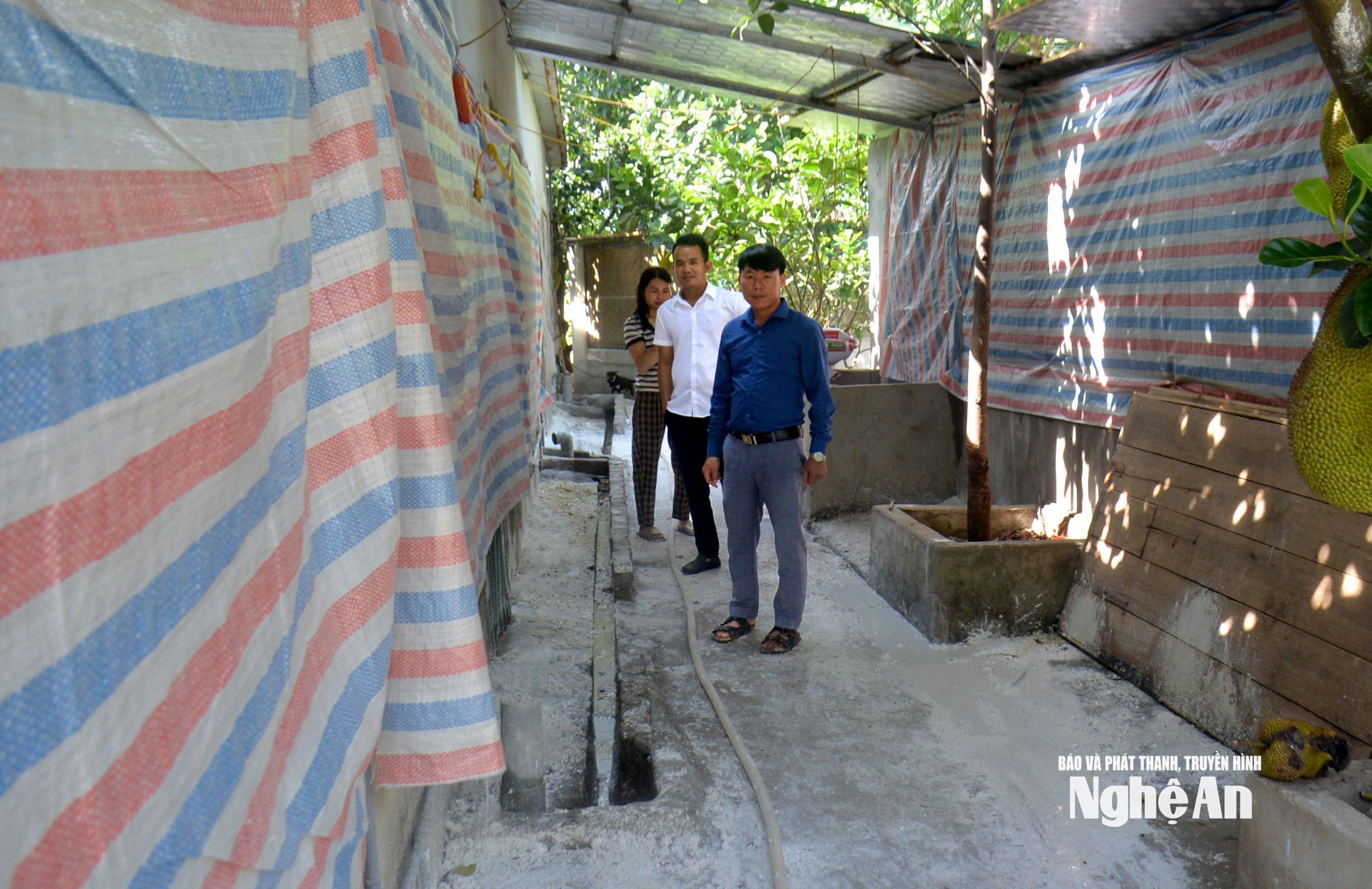
Accordingly, the Chairman of the Provincial People's Committee requested the Chairmen of the People's Committees of communes and wards to focus on directing and mobilizing all resources to completely eliminate outbreaks, preventing the disease from prolonging or spreading. Local authorities must clearly assign tasks to each department, strengthen supervision, conduct propaganda, raise public awareness, and establish mobile inspection teams to promptly detect and handle violations.
Specifically, people need to strictly adhere to disease prevention regulations: do not conceal outbreaks, do not dispose of dead animals in the environment, ensure full vaccination, maintain hygiene in livestock pens, and report promptly when livestock show signs of illness or death.
Slaughterhouses must be strictly controlled, ensuring they have operating licenses, veterinary hygiene conditions, and slaughterhouse supervisors.
The Department of Agriculture and Environment is tasked with leading and establishing working groups to conduct direct inspections in localities; directing the Animal Husbandry and Veterinary Sub-Department to coordinate monitoring, detection, and handling of diseases, ensuring sufficient vaccines, chemicals, and supplies for disease prevention. Animal and animal product quarantine, inspection of origin, and veterinary hygiene conditions at processing and storage facilities must also be strengthened.
In addition, the Department of Health is tasked with strengthening activities to prevent and control zoonotic diseases, especially in areas with outbreaks. The Provincial Center for Disease Control must coordinate closely with the Department of Animal Husbandry and Veterinary Medicine to conduct epidemiological investigations, share information, and implement necessary medical measures.
The Department of Finance is responsible for allocating timely funding for disease prevention and control, and for supporting livestock farmers whose animals have been culled due to disease outbreaks.
In addition, the Provincial Police and Border Guard are strengthening inspections and controls on the transportation and trade of animals and animal products of unknown origin or without quarantine certificates, especially in border areas and hotspots for illegal trafficking.
Furthermore, the Provincial People's Committee requested relevant departments and agencies to intensify communication efforts to prevent public panic while also avoiding complacency. It is necessary to disseminate clear and easily understandable disease prevention measures, enabling people to proactively implement disease prevention measures starting from their own households.
One notable point is the clear emphasis on the responsibility of the leaders in the directive: The Chairpersons of the People's Committees of communes and wards are responsible to the Chairperson of the Provincial People's Committee if an epidemic breaks out and spreads, causing serious consequences. This demonstrates a determination to tighten discipline and improve the effectiveness of leadership and guidance at the grassroots level.
In the context of Nghe An province's efforts to promote safe and sustainable livestock development, effective disease control is an urgent requirement. Without decisive, coordinated measures and strong involvement from the grassroots to the provincial level, the livestock industry will face numerous risks, impacting social welfare and food safety.


