
Nghe An tightens management of fishing vessel licensing.
Decision No. 49/2024/QD-UBND of the People's Committee of Nghe An province, stipulating specific criteria for the construction and modification of fishing vessels, was issued in 2024. However, in light of changes to guiding documents for the Fisheries Law and the increasingly stringent requirements for managing fishing vessels, Nghe An is urgently revising the regulations to ensure consistency with current legislation.
Tighten licensing procedures to ensure the safety of fishing vessels.
The implementation of Decision No. 49/2024/QD-UBND (aimed at reducing fishing intensity according to EC recommendations) along with the policy supporting decommissioning (Resolution No. 34/NQ) has led to a sharp decrease in the number of fishing vessels and marine workers in Nghe An (vessels decreased from 5,000 to approximately 2,600; workers decreased to approximately 11,438 people). Currently, the number of offshore fishing vessels is lower than the quota allocated to the province until 2030.
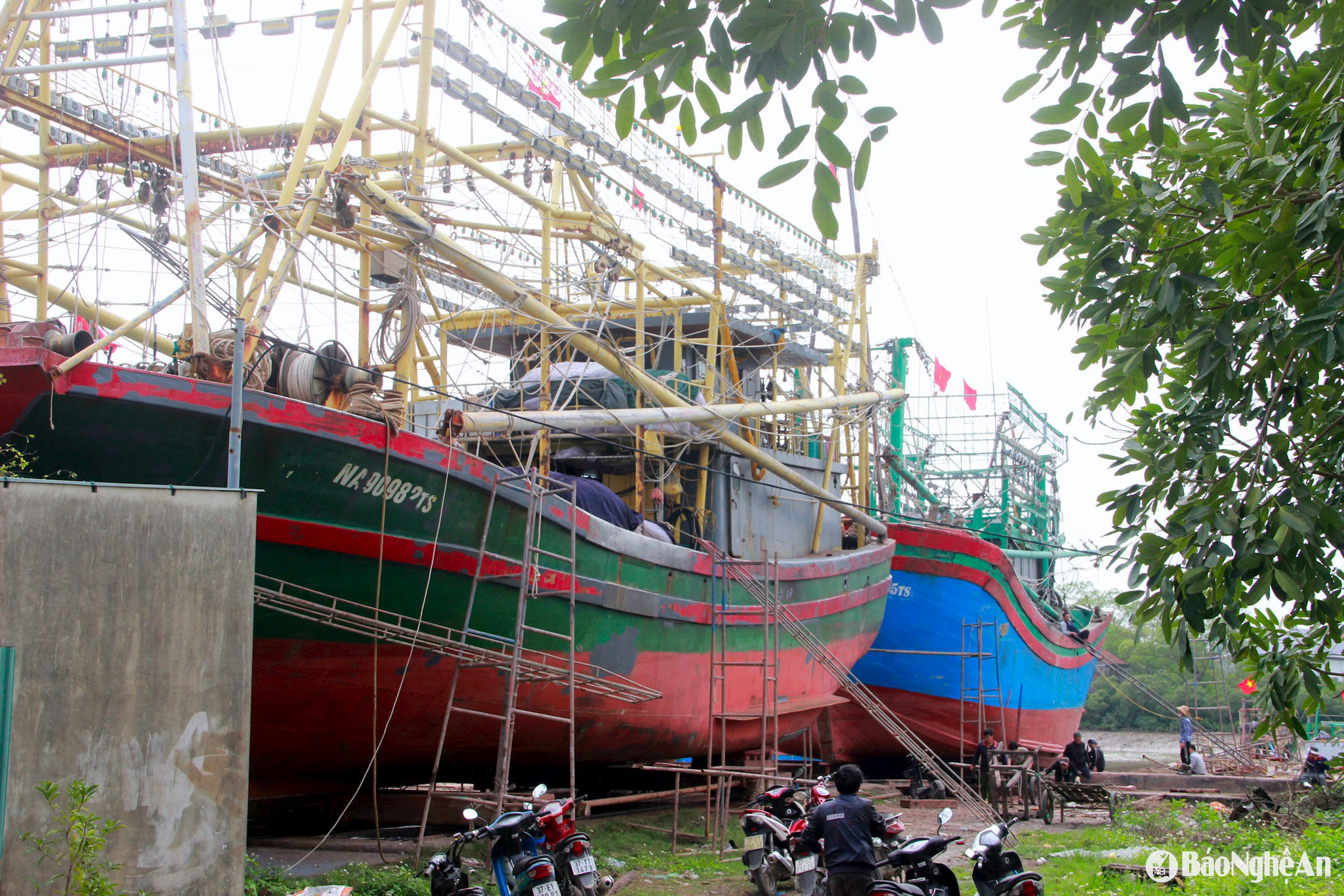
However, this decline has also given rise to a major problem: Fishermen are arbitrarily renting or buying dilapidated old wooden boats from other provinces for use. Because they do not meet the standards for transfer of ownership or re-registration, many outdated vessels are still secretly venturing out to sea in unsafe conditions. As a result, the number of accidents involving sinking boats, engine failures, or hull punctures at sea and in estuary areas is on the rise, causing serious damage to property and loss of life for fishermen.
Mr. Tran Xuan Nhue, Head of the Exploitation Department of the Provincial Fisheries and Fisheries Inspection Sub-Department, said: "In recent times, the number of fishing vessels in the province has decreased sharply due to many reasons, but partly also because the province has tightened the approval process when granting permits for new construction and vessel modifications."
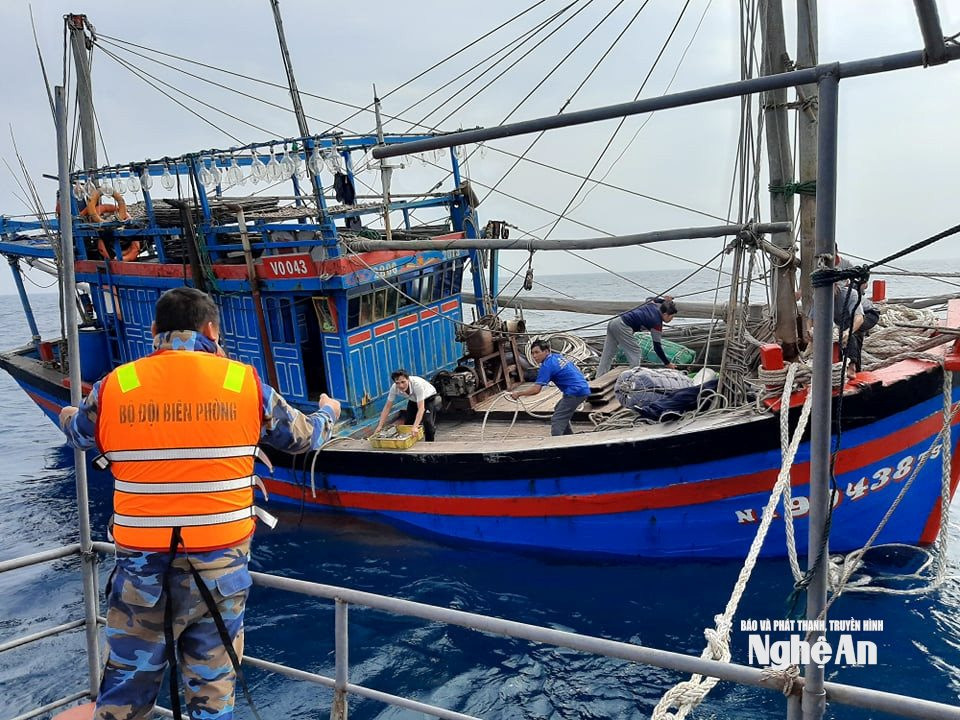
According to statistics from the Fisheries and Fisheries Inspection Department, on average, there are at least 5-7 shipwrecks at sea and in the estuaries each year in the area. However, according to local fishing associations, the actual number of accidents is even higher. The reason is that fishermen buy or rent old boats but rarely inspect or maintain them, and they easily break apart or sink when encountering large waves, strong winds, or running aground in the estuaries.
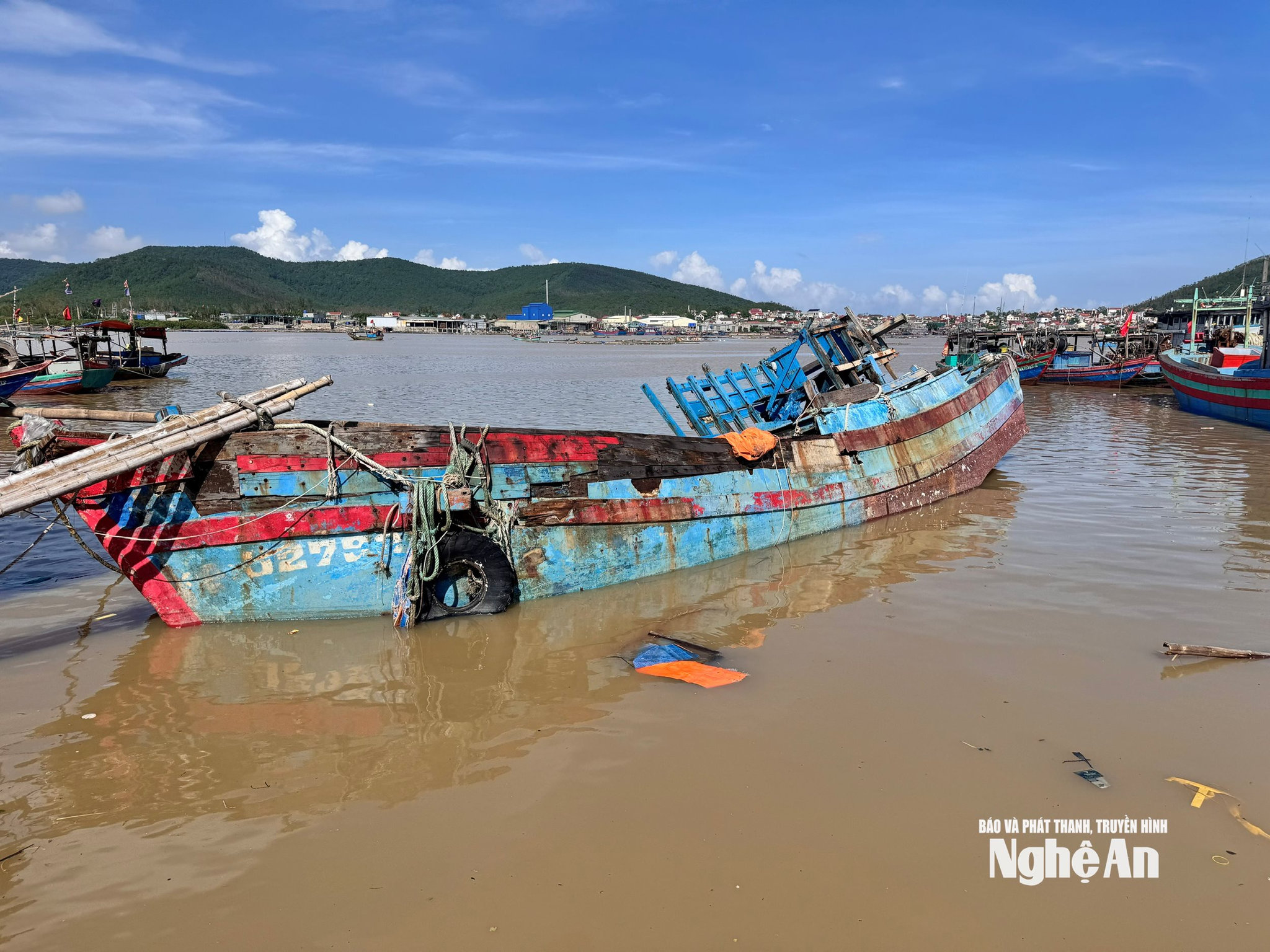
This reality shows that, in addition to the goal of reducing the size of the fishing fleet to lift the EC's "yellow card," the issue of ensuring the safety of fishermen is also extremely pressing. Therefore, the urgent research and amendment of Decision No. 49/2024/QD-UBND by the People's Committee of Nghe An province to standardize specific criteria in the approval and management of fishing vessels is not only a continuation of the sustainable occupational transformation policy, but also an urgent solution to tighten discipline and provide maximum safety for fishermen whenever they go out to sea.
Limits on shipbuilding and ship conversion
According to the draft currently being reviewed by the Department of Agriculture and Environment, the specific criteria and procedures for reviewing fishing vessel applications remain largely unchanged. The biggest change is the reallocation of authority for managing fishing vessels, which was previously under the district level and is now being transferred to the commune level.
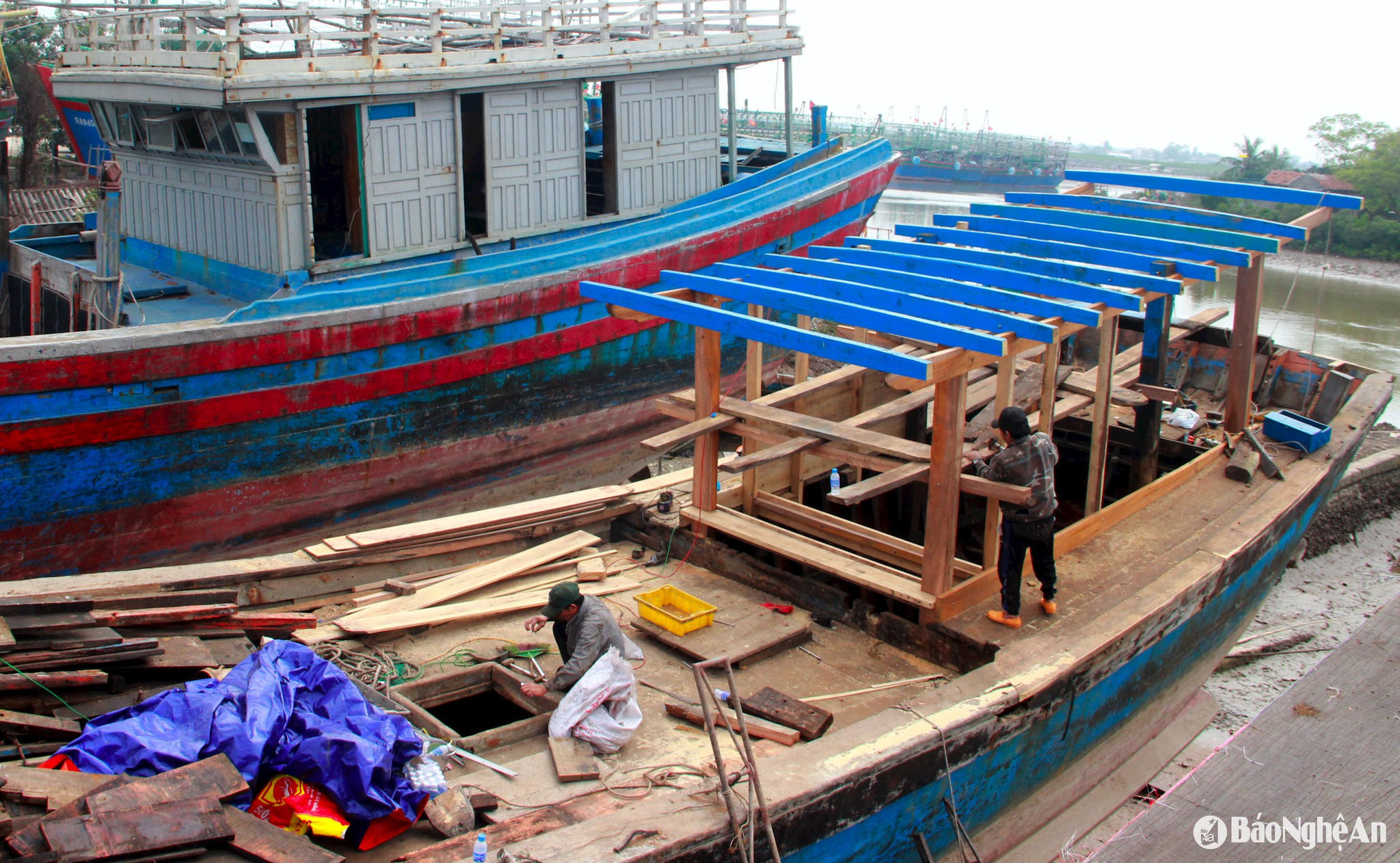
According to the draft amendments, for applications for approval to build new fishing vessels, organizations applying must have a business registration certificate issued by the competent authority of Nghe An province; individuals must have permanent residency in Nghe An. Furthermore, the registered fishing activities must comply with Circular No. 88/2025/TT-Ministry of Agriculture and Environment on the protection and development of aquatic resources. In addition, for cases of building new fishing vessels with a maximum length of 12 meters or more, a technical design dossier must be appraised and approved by the competent authority before requesting approval.
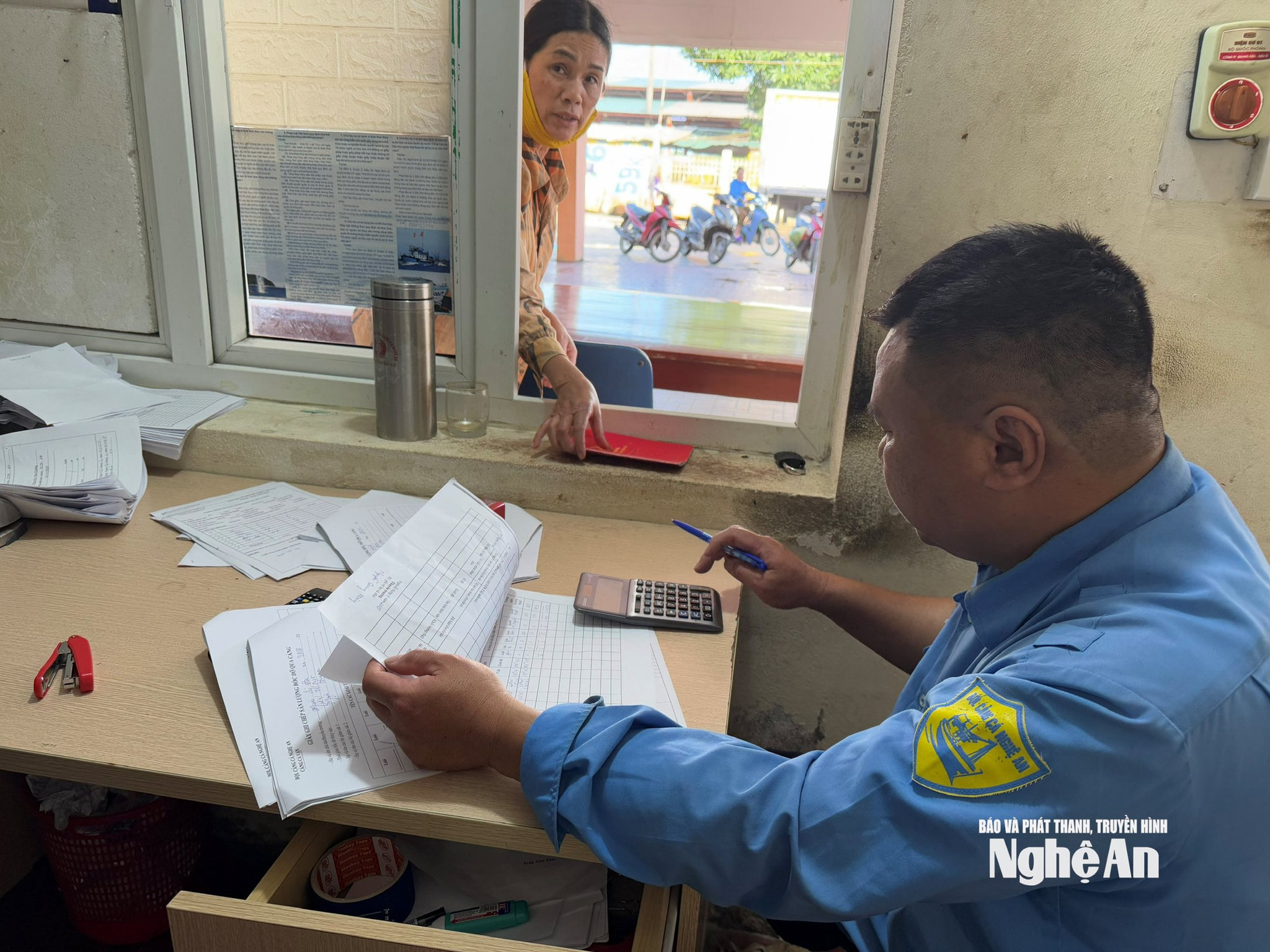
Compared to before, the Provincial People's Committee has clearly stipulated the priority order for ship hull materials, with steel hulls being the top priority, followed by new materials, and finally wood hulls. To reduce the number of trawling fishing vessels, new construction of trawling and gillnet fishing vessels is not permitted. Only trawling vessels are allowed to be converted to purse seine, gillnet, longline, seine, cage trap, fishing support, and other fishing methods.
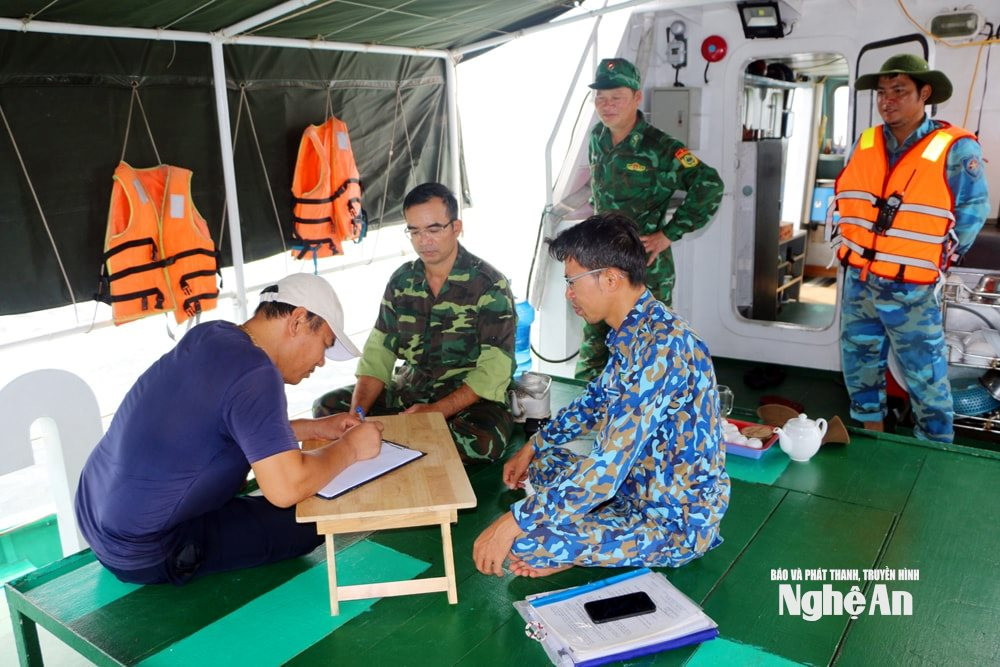
For leased or purchased vessels: In addition to the procedural and material requirements as for newly built vessels in this Decision, leased or purchased fishing vessels must be registered and inspected to ensure technical safety according to regulations. Notably, the province only approves vessels that are no more than 15 years old from the year of construction to the time of lease or purchase. Lease or purchase of fishing vessels used for trawling or gillnet fishing for tuna is not permitted. In the case of leased or purchased fishing vessels from other provinces, they must have a maximum length of 15 meters or more and must have completed all necessary procedures to address violations as required.
The challenge of job retraining for fishermen.
According to Plan No. 914/KH dated November 27, 2023, of the People's Committee of Nghe An province on the conversion of fishing methods affecting resources and the ecological environment, from 2024 to 2030, Nghe An will reduce the number of fishing vessels operating in inshore and coastal areas by 4.5% each year, and similarly, reduce the number of vessels operating in offshore areas by 1.5%. In the two years (2024 and 2025), Nghe An will reduce the number of active fishing vessels by 184. From 2026 to December 31, 2030, a further 672 vessels will be reduced.
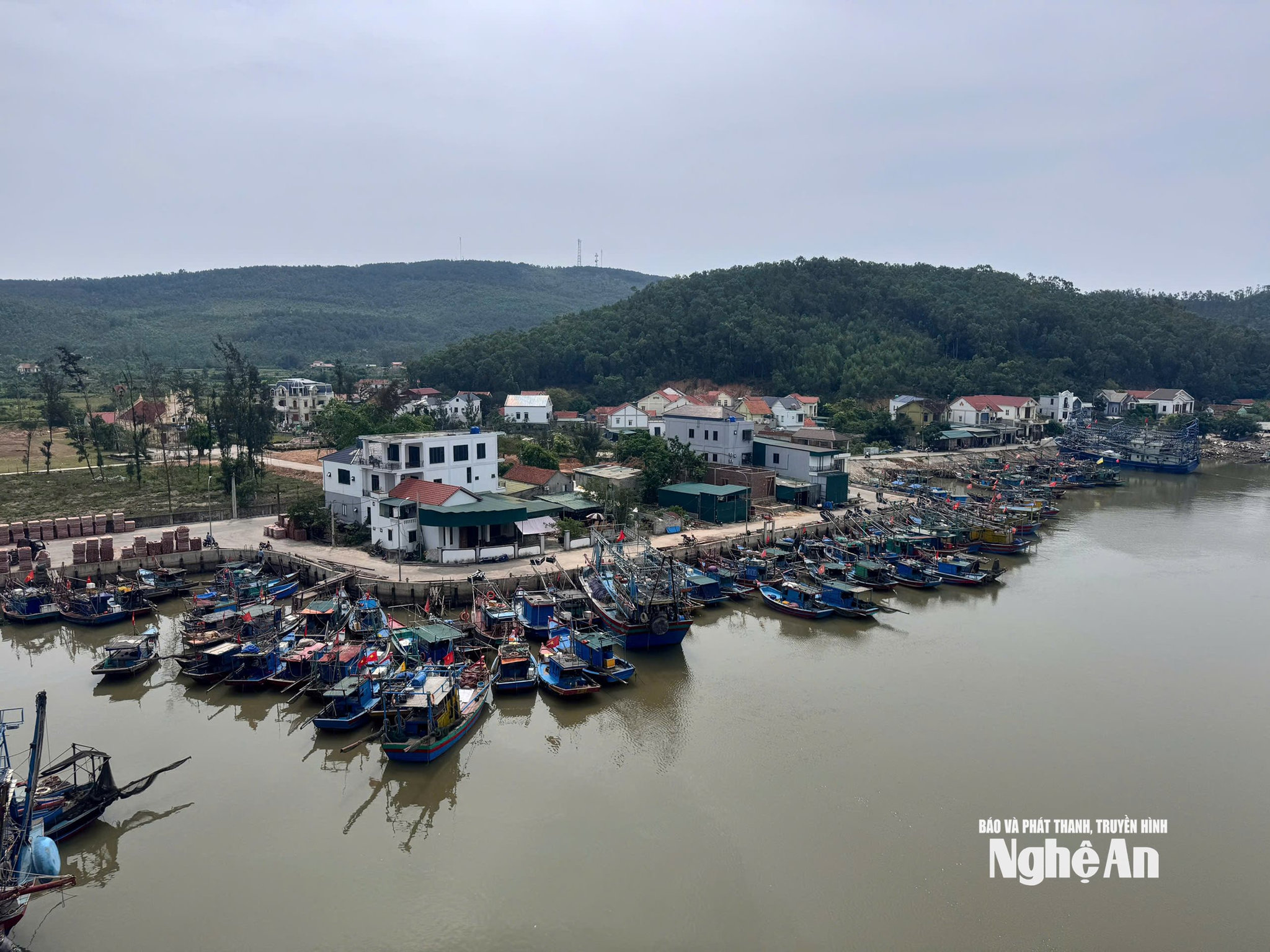
Representatives from the Dien Chau Commune Fisheries Association stated: The current difficult fishing conditions, the need for fishermen to switch professions, and the province's support and training policies are extremely necessary. However, Dien Chau commune has traditionally relied on offshore and coastal fishing for generations, making the transition to more suitable occupations for its residents quite challenging. Similarly, Quynh Phu commune and Tan Mai ward, the two localities with the highest number of fishing vessels in the province, now only have half, equivalent to nearly 4,000 workers, who are forced to find new jobs. Instead of waiting, young workers have chosen to work abroad or obtain certificates as crew members, mechanics, or ship captains to work on transport vessels; the rest have adopted new technologies and chosen fishing methods tailored to the seasons and specific sea areas.
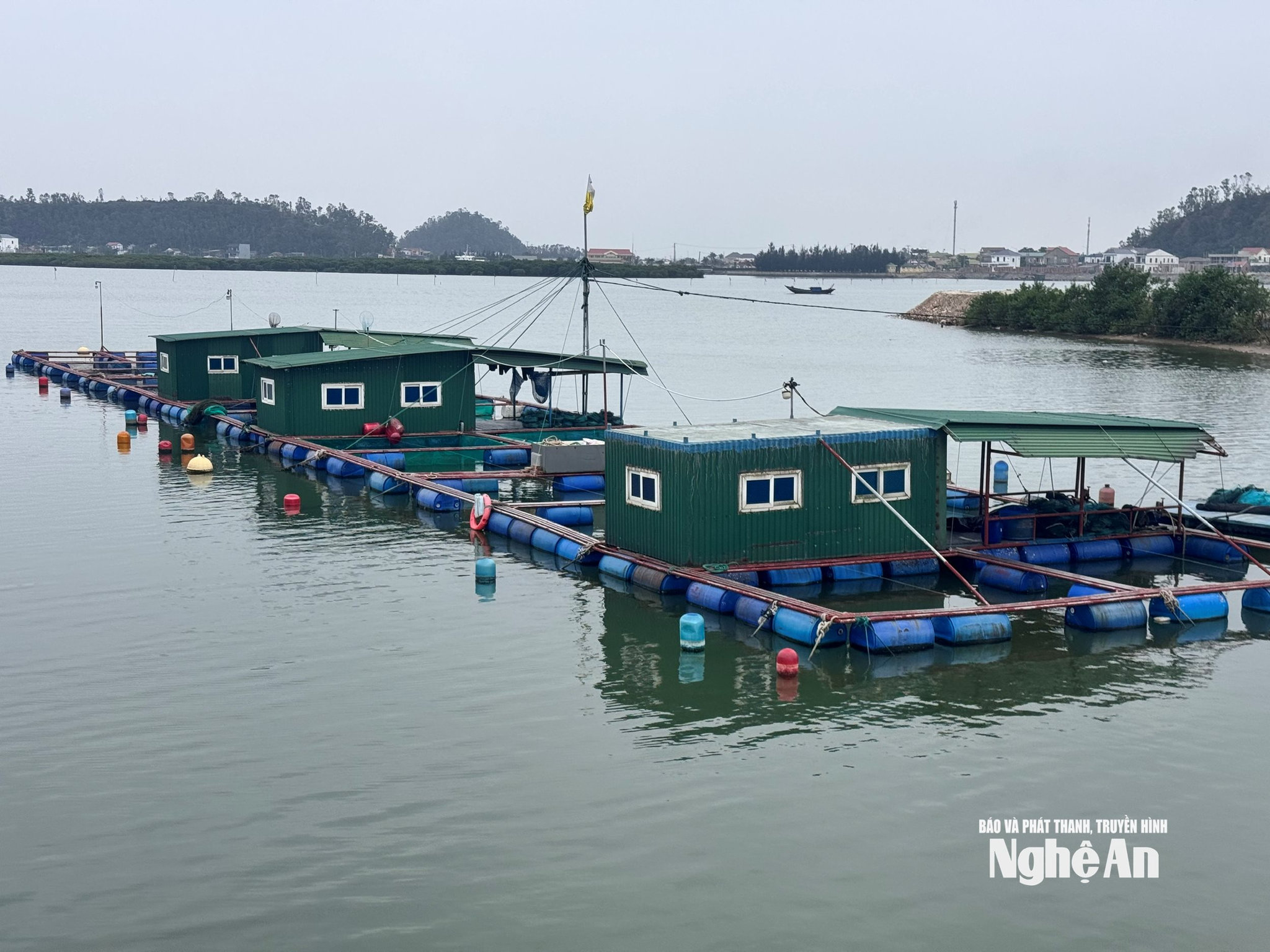
A representative from the Fisheries and Fisheries Inspection Sub-Department shared a different approach: Currently, factories and industrial parks are being built near coastal communes, and these factories require many workers, so the communes also need to educate fishermen to understand this. Vocational training for fishermen also needs to be more diverse, not just limited to aquaculture and processing, but could also include working in industrial parks and factories, maintaining green spaces, etc.
Speaking with reporters, Mr. Tran Xuan Hoc, Deputy Director of the Department of Agriculture and Environment, said: According to the plan, from now until 2030, the province will support 3,000 fishermen in transitioning to other occupations, and the province is assigning localities to consider and submit proposals. To achieve effectiveness and practicality, local authorities should carefully consider and propose solutions for the province to approve and implement as soon as possible.


